
Manuscripts as proof of power
The dukes collected them as kings collect crowns, not as cultural possessions.
FrDr — CC BY-SA 4.0 · FrDr — CC BY-SA 4.0 · FrDr — CC BY-SA 4.0 · FrDr — CC BY-SA 4.0
A museum inside the Royal Library of Belgium, opened in 2020 around one specific collection: the library of the Dukes of Burgundy, the most celebrated group of illuminated manuscripts in fifteenth-century Europe. The Burgundian dukes ruled the Low Countries at the height of their wealth and collected manuscripts as kings collect crowns: as proof of power. The scribes and illuminators who worked for them in Bruges and Ghent produced books with gilded detail that can only be seen close up. That imposes a constraint on the museum: manuscripts are light-sensitive and cannot be shown permanently, so the rooms are dim and the displayed items rotate. What you see on one visit differs from another, which is a conservation requirement rather than a shortcoming. The museum is small and focused and does not attempt the whole history of the book. Anyone who loves manuscripts and the art of the book will find it excellent; anyone after a general museum may find it narrow.
The dukes collected them as kings collect crowns, not as cultural possessions.
The scribes and illuminators worked in the same Flemish cities you visit today.
The low lighting is a conservation requirement rather than a design choice.
Royal Library, Mont des Arts, Brussels
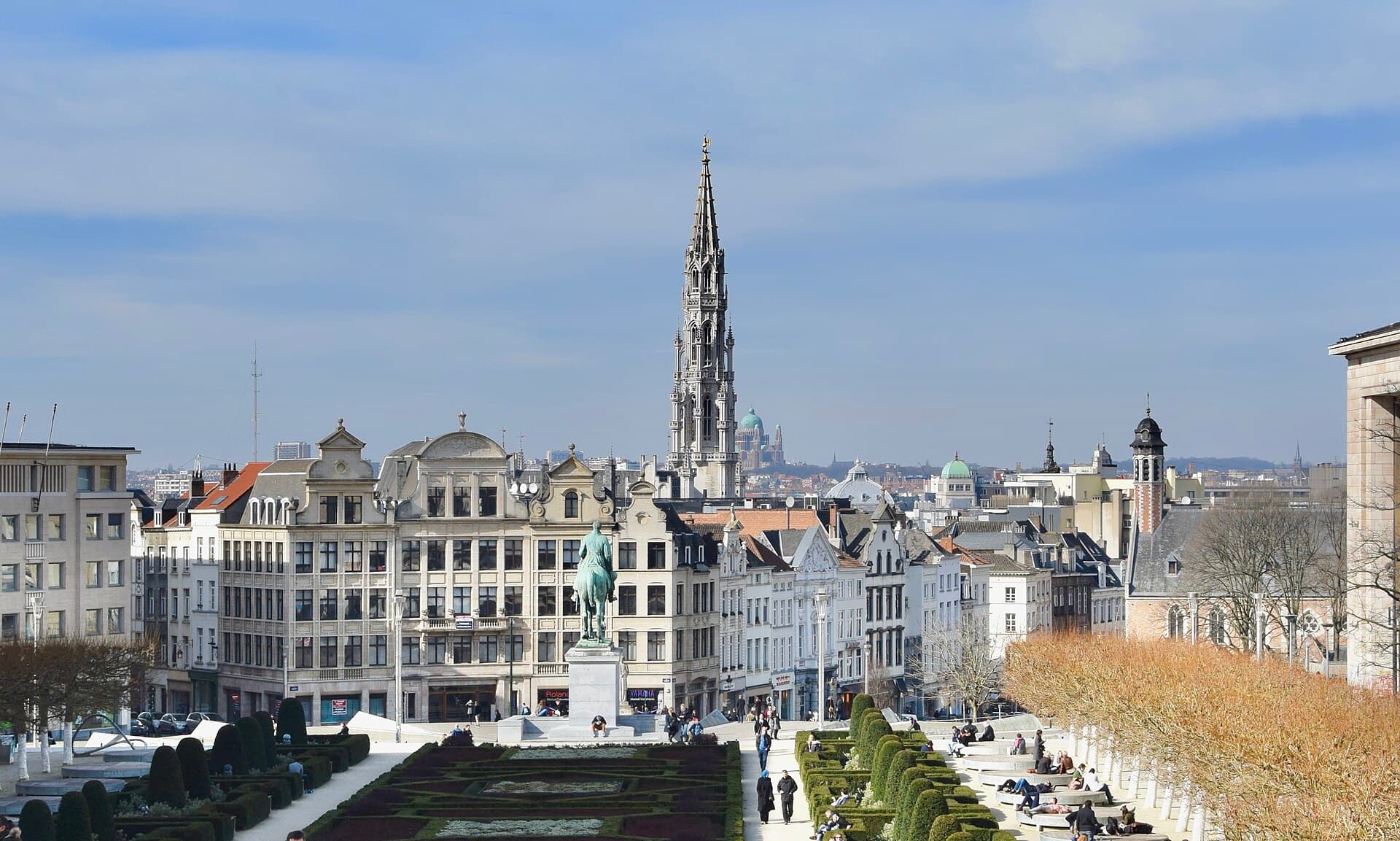 Mont des ArtsMont des Arts is the terraced garden linking the lower town (Grand-Place) to the1 minute walk4.7
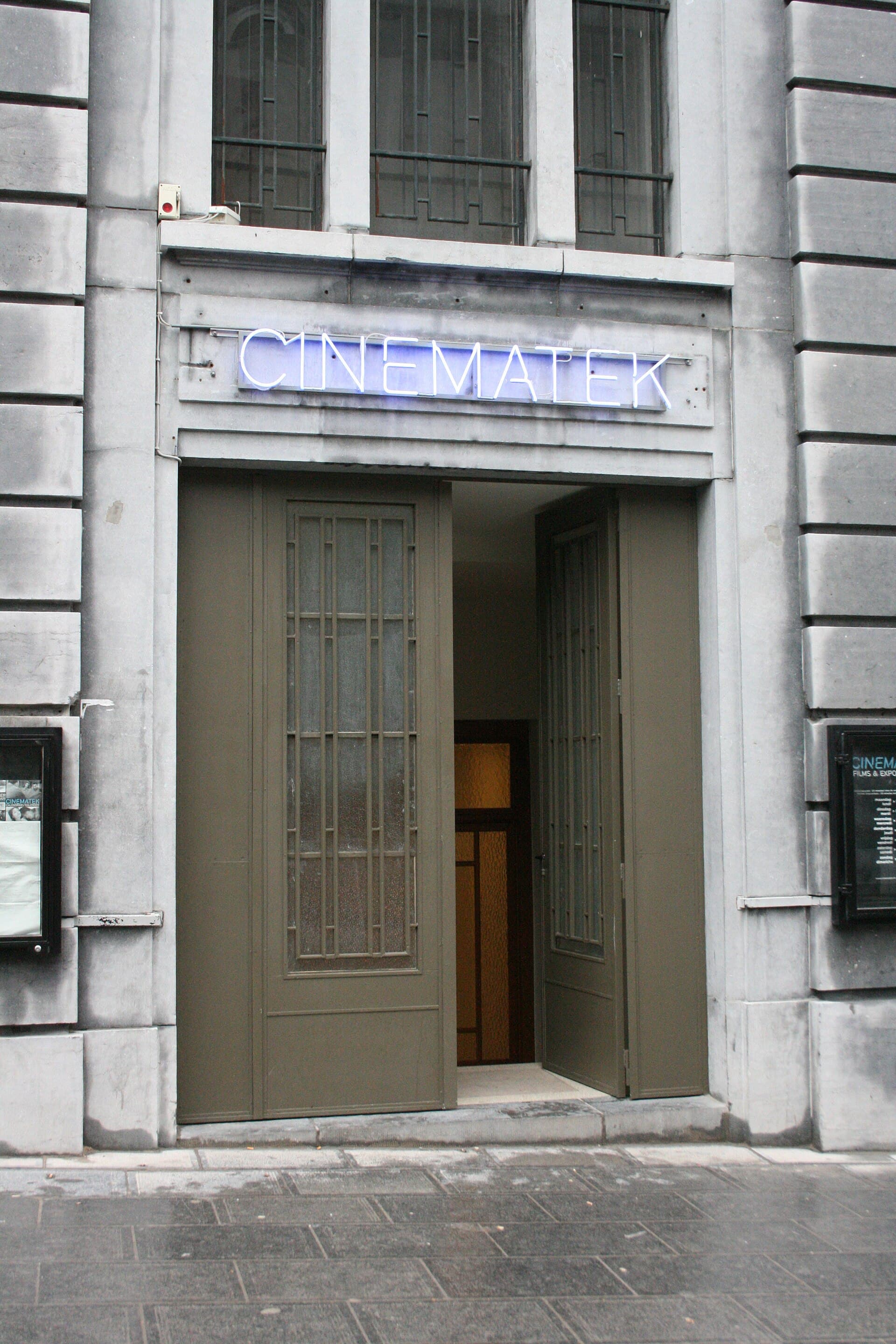 CINEMATEKBelgium's royal film archive, housed inside the BOZAR building. It preserves one1 minute walk4.7
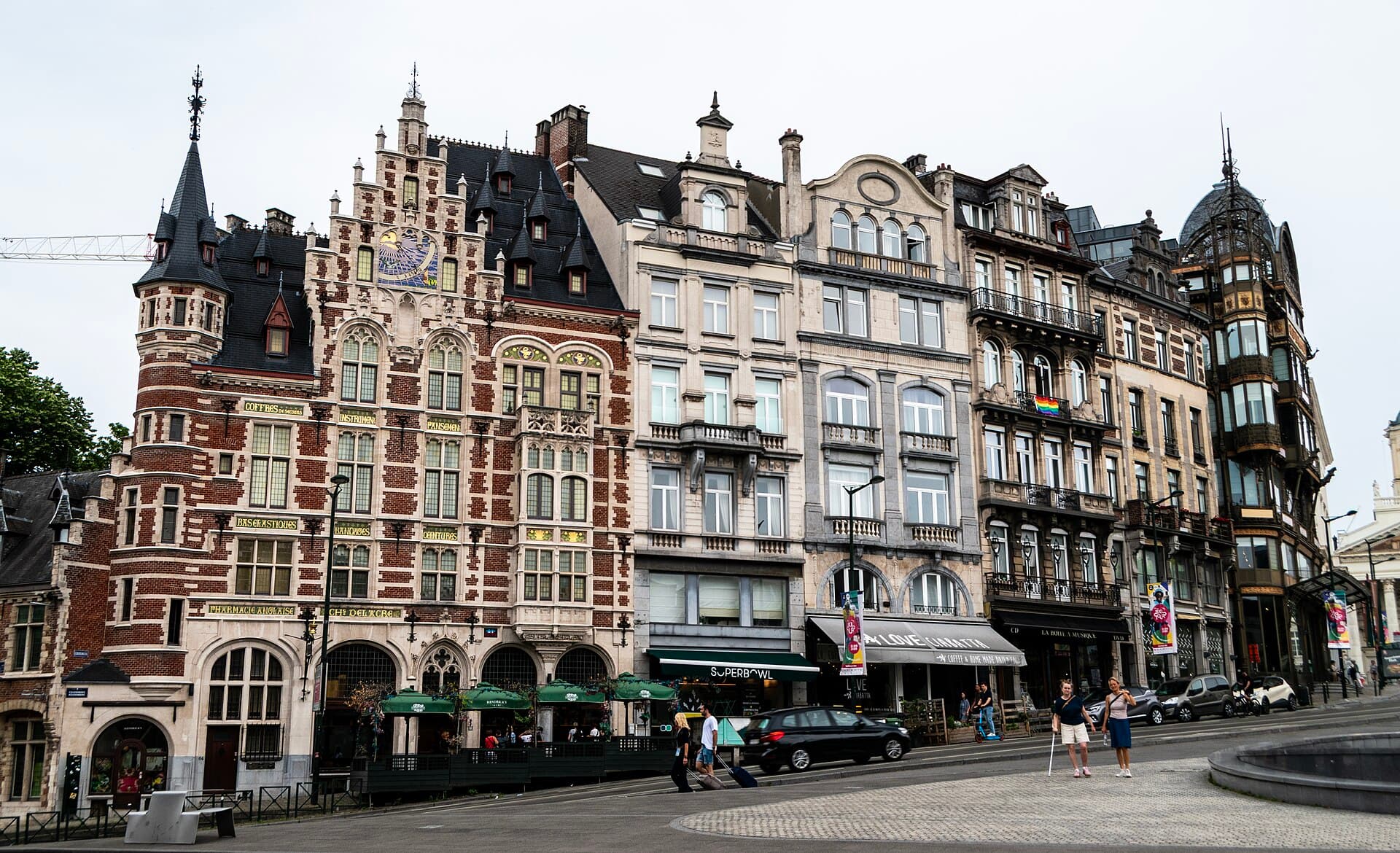 Coudenberg PalaceCoudenberg is Brussels' lost palace: on the hill of the Place Royale stood for c2 minutes walk4.4
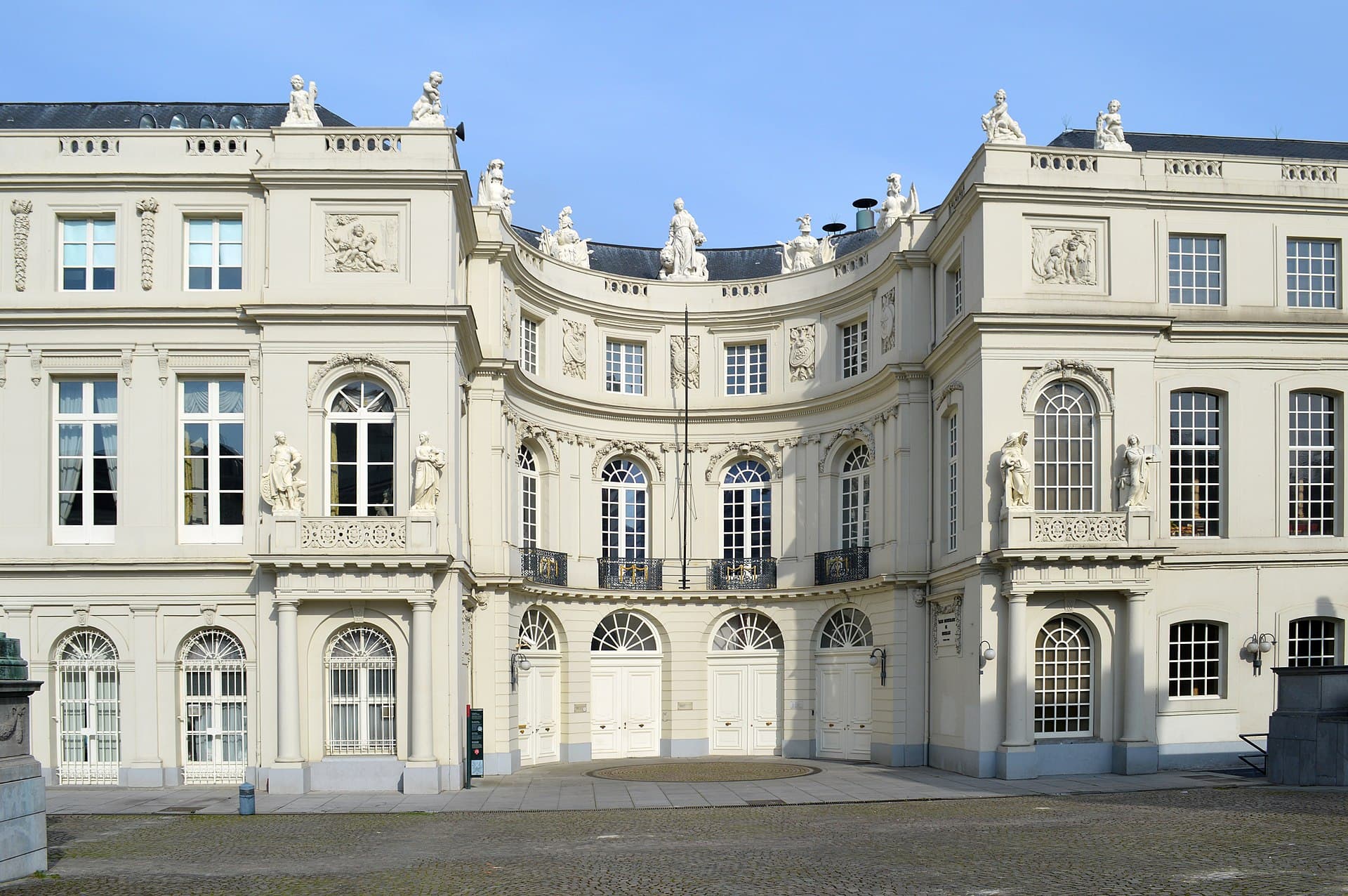 Palace of Charles of LorraineThe remains of an eighteenth-century palace built by Charles Alexander of Lorrai2 minutes walk4.4
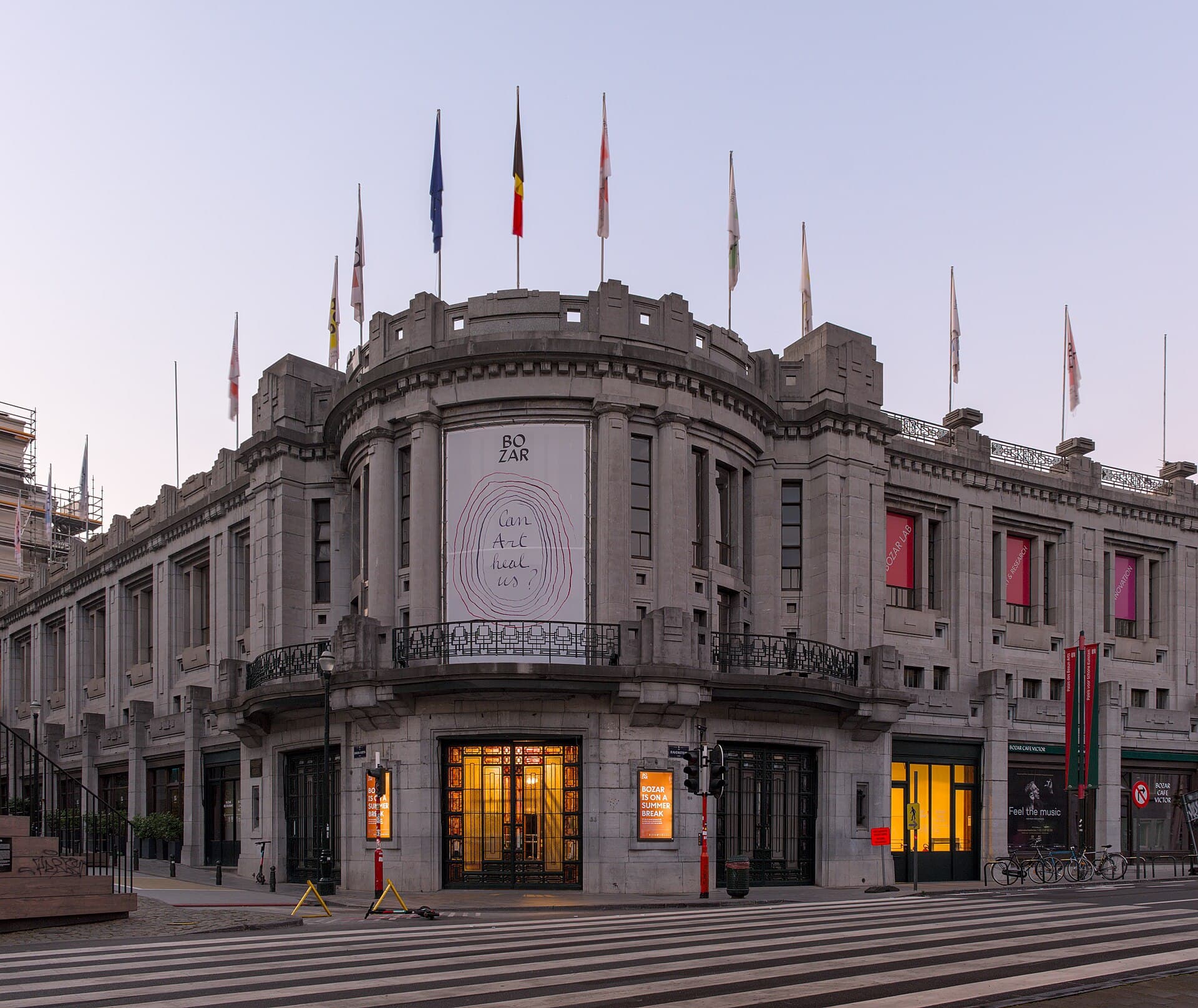 BOZAR Centre for Fine ArtsBrussels's principal arts centre, in a building designed by Victor Horta and com3 minutes walk4.6
Because ink, pigment and gold on parchment are damaged by light irreversibly. Libraries everywhere show manuscripts at very low light for limited periods and then return them to storage. That means the museum cannot display its masterpieces permanently, a genuine constraint rather than a choice.
The Palace of Charles of Lorraine in the same building, possibly on the same ticket, plus the Fine Arts museums, the Magritte Museum and the Coudenberg site, all on the Mont des Arts. It is the densest museum area in Brussels and all within a short walk.