
The sunset view
The Gulf of Finland, the port and the old town's spires — a known local spot.
CC BY-SA 2.0 · Pudelek (Marcin Szala) — CC BY-SA 3.0 · FM1982 — CC BY-SA 4.0 · Eric Fischer — CC BY 2.0
A vast concrete building between the old town and the sea, built for the 1980 Moscow Olympics when Tallinn hosted the sailing events. It is among the clearest survivals of late Soviet architecture in Estonia: a low horizontal mass of concrete and limestone with terraces and a broad staircase climbing over the roof, designed to look as though it grows out of the ground towards the sea. It should be clear that the building is derelict: it closed years ago, is deteriorating, and entering it is prohibited. What you can do is climb the external steps and stand on the roof, which is normally permitted and free. The view from up there over the Gulf of Finland, the port and the old town's spires is among the best in Tallinn, and it is a known sunset spot among locals. This is a place with a complicated standing in Estonia: a trace of an occupation that some see as architectural heritage worth saving and others as a symbol that is not. Its future is repeatedly debated and unresolved. The concrete is degraded in places, so watch where you walk.
The Gulf of Finland, the port and the old town's spires — a known local spot.
A concrete mass designed to grow from the ground towards the sea.
Some see architecture worth saving, others a symbol of occupation — the debate continues.
Between the old town and the port
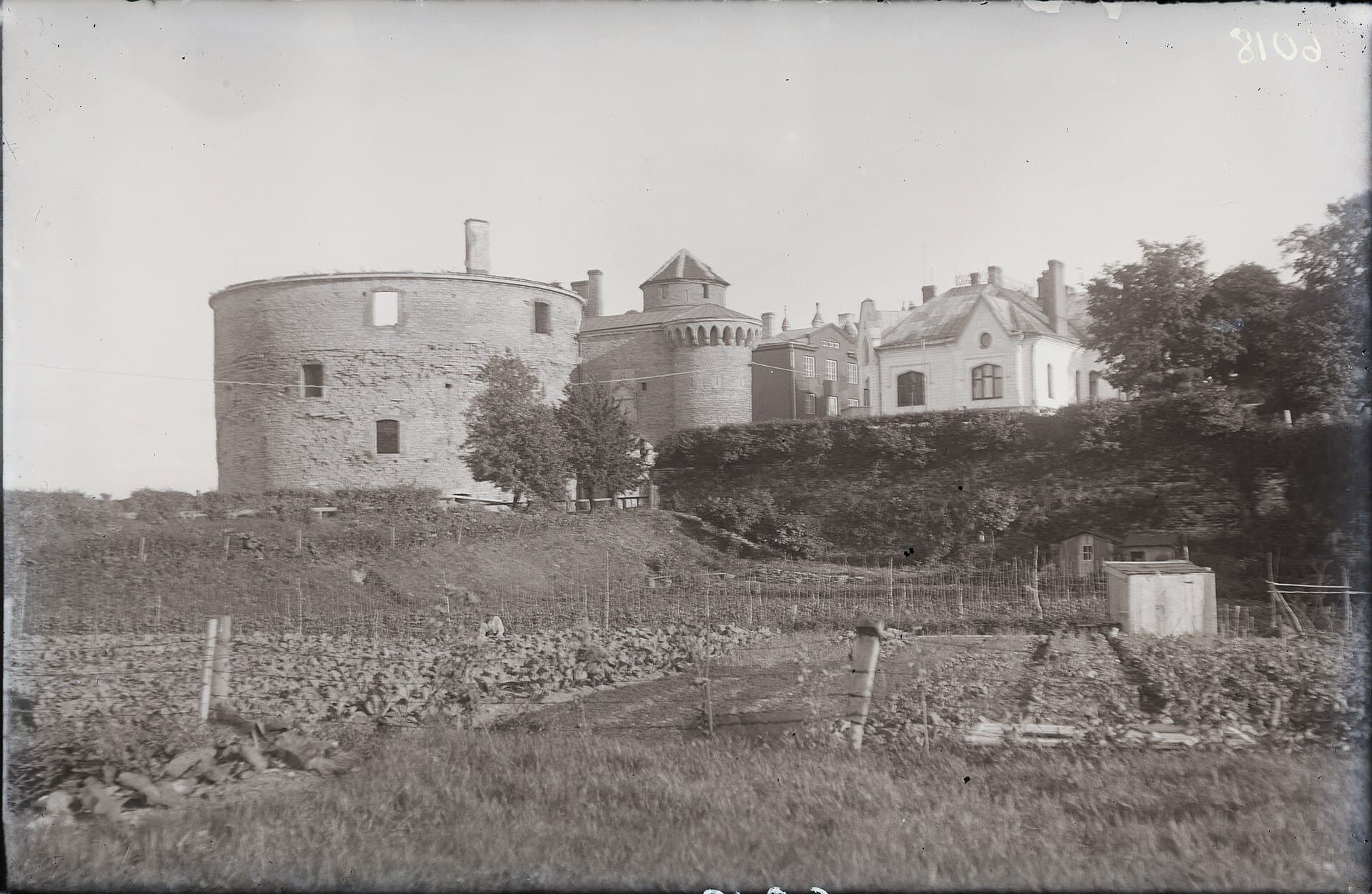 Fat MargaretAn artillery tower with walls five metres thick at the sea gate: Fat Margaret wa6 minutes walk4.7
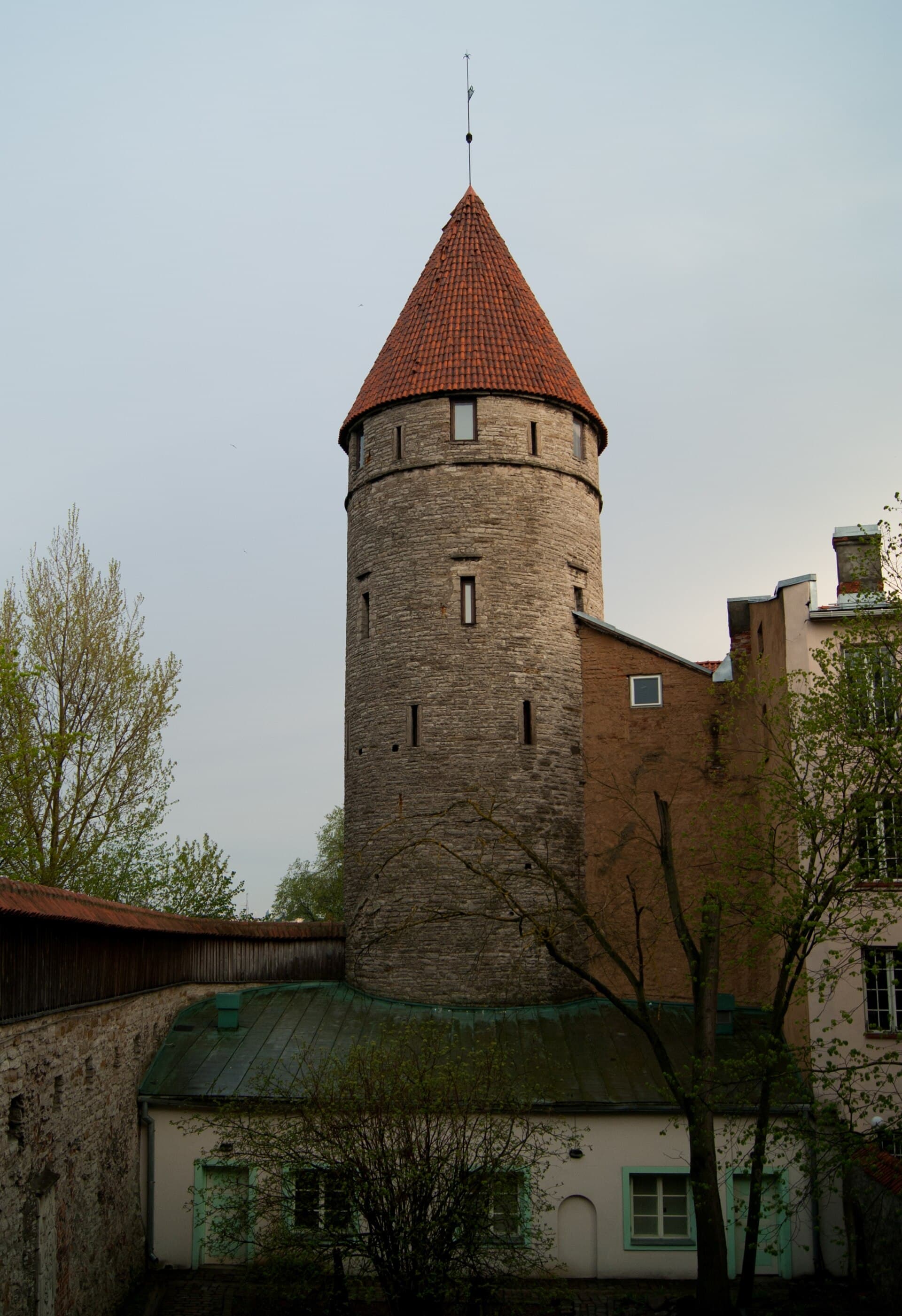 Stolting TowerA tower in the north-eastern sector of the Tallinn town wall on Laboratooriumi s7 minutes walk4.4
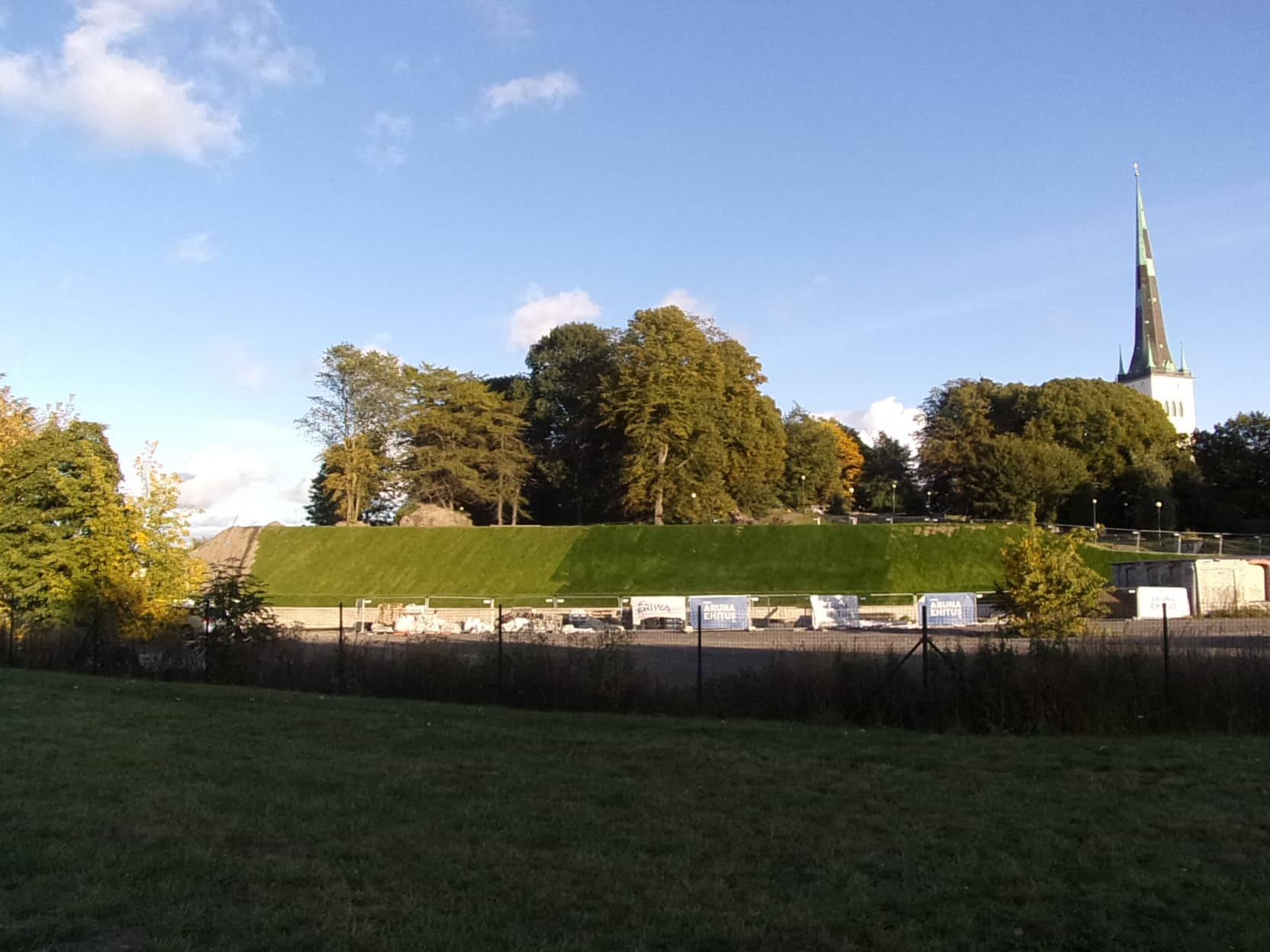 Skåne BastionAn earthwork bastion from the Swedish period north of the Old Town, known today 7 minutes walk4.1
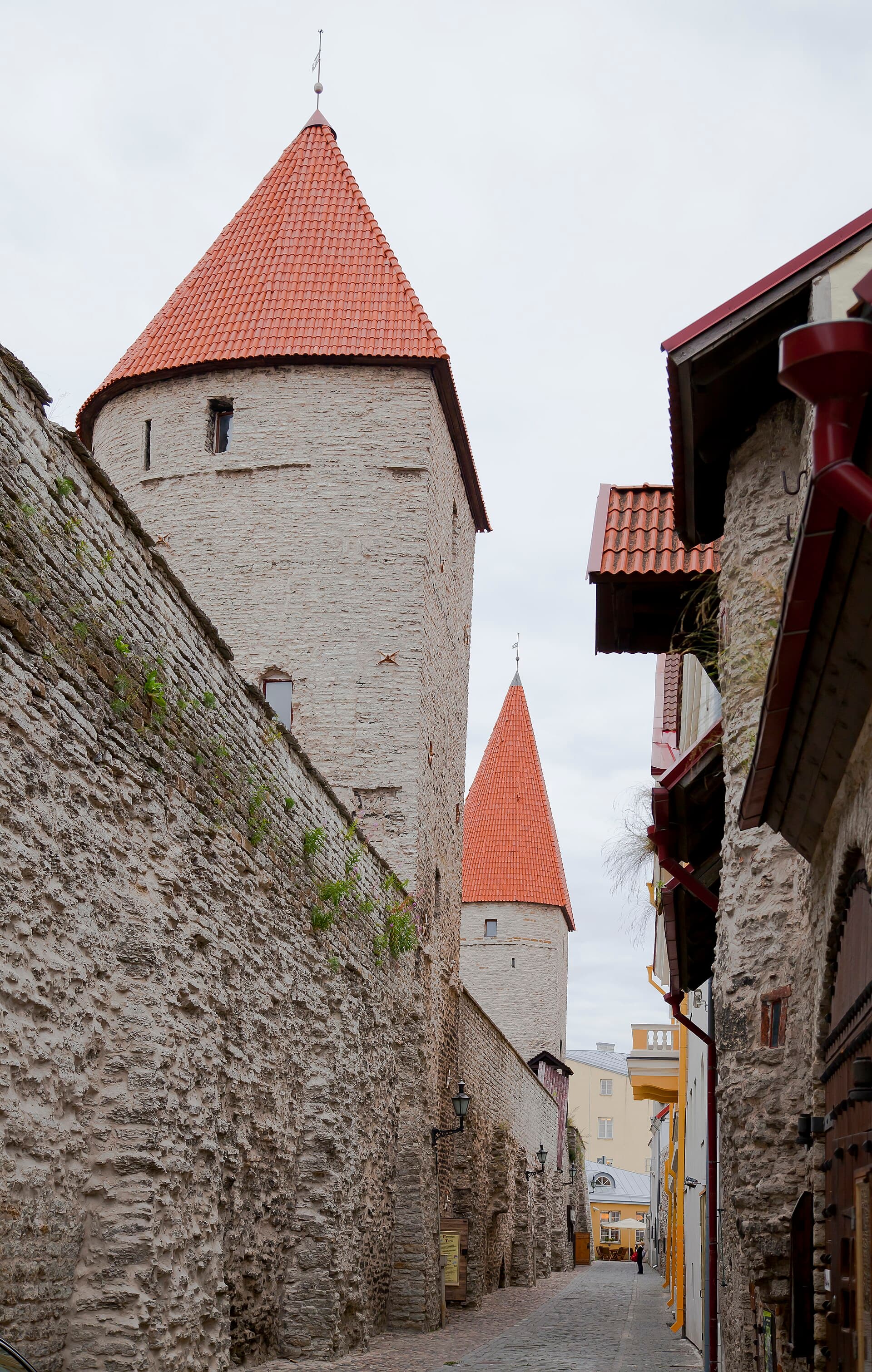 Epping TowerA defensive tower of the Tallinn town wall in the north-east of the Old Town, wo9 minutes walk4.4
 Tower behind NunsA tower in the northern sector of the Tallinn town wall, one of three connected 12 minutes walk4.6
The external steps and the roof are used daily and are normally open, but the building is unmaintained: the concrete is cracked in places and some edges have no barrier. Stay on the obvious routes, do not enter the closed parts, and avoid it at night or when the ground is icy.
Because the question is political and financial rather than technical. Restoration is very expensive, the building is listed as architectural heritage so it cannot easily be demolished, and its site between the city and the sea is extremely valuable. Successive schemes to turn it into a conference or concert venue have come to nothing so far.