
The mud-brick domes
Eight-sided drums with projecting horns.
Olaf Tausch — CC BY 3.0 · Hatem Moushir — CC BY-SA 4.0 · Hatem Moushir — CC BY-SA 4.0 · Olaf Tausch — CC BY 3.0 · Hatem Moushir — CC BY-SA 4.0
The Fatimid Cemetery in Aswan is an old Islamic burial ground of mud-brick domes scattered over sandy hills beside the Nubian Museum, among the oldest surviving Islamic cemeteries in Egypt. Aswan's Fatimid-era burial grounds fall into two parts: the southern cemetery on the dam road, which visitors come to see, and a northern one in the Anani area. Many of its domes are dated to the 4th Islamic century, or roughly the 10th century AD. They matter as a record of how the funerary dome developed in Egypt, preserving forms that rarely survive elsewhere. In 2014 the antiquities minister Mamdouh el-Damaty and the German ambassador opened six restored tombs. The domes stand out for their eight-sided drums, with projecting corners known as horns, a feature you can see up close. Most rest on plain square bases of mud brick, with domeless graves and quiet sandy paths in between. Don't expect rich carving: the beauty lies in the simplicity, the setting and the look of the domes in early morning or late afternoon light. The cemetery lies 400 m from the Nubian Museum, an easy walk that pairs the two, and 1.5 km south-west of central Aswan in a straight line. This is a burial ground, so keep your voice low and be respectful. Allow 30 to 60 minutes.
Eight-sided drums with projecting horns.
Six opened in 2014.
The domes at their best on the hills.
Aswan Dam road, next to the Nubian Museum, Aswan
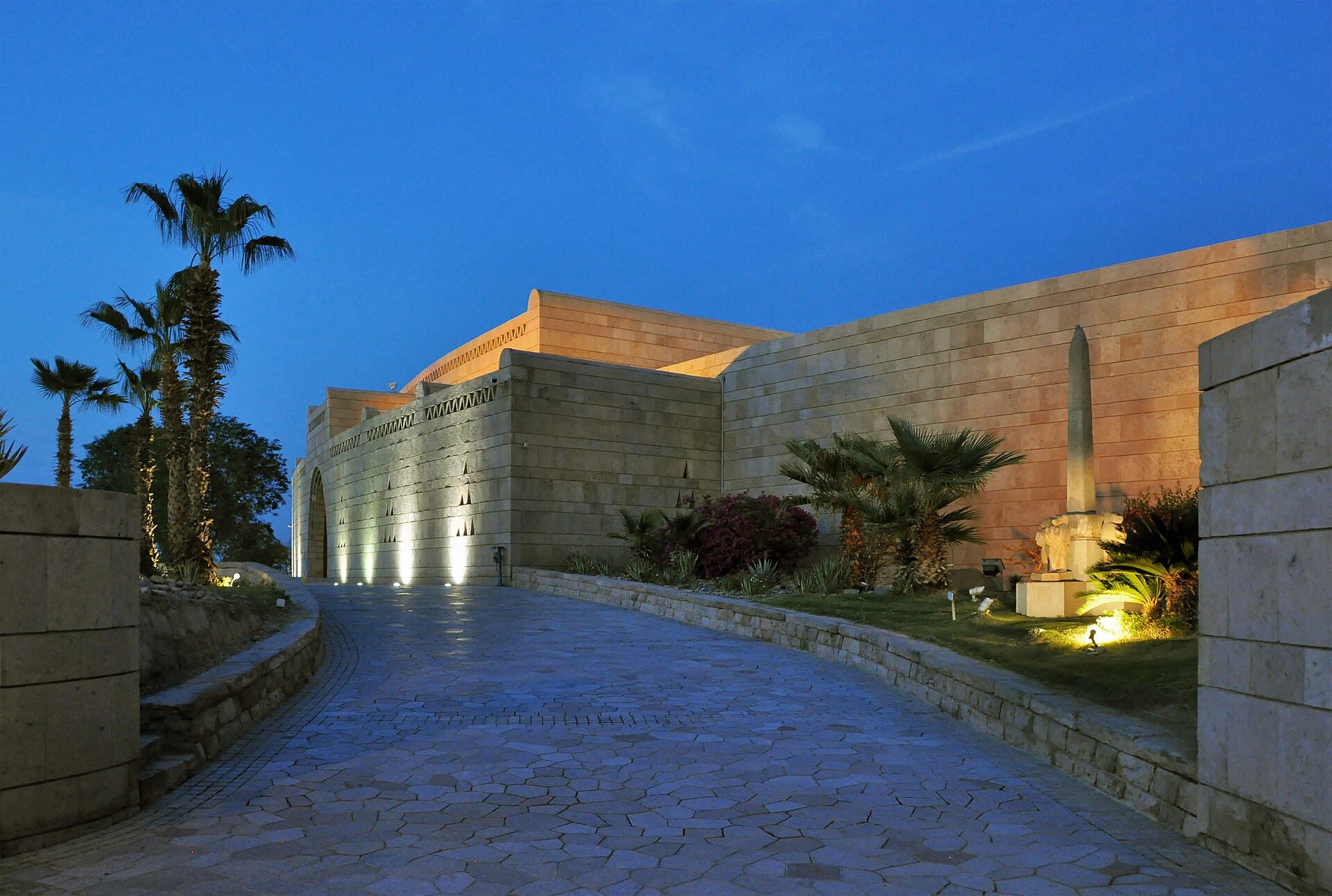 Nubian MuseumA museum devoted to the heritage, history and culture of Nubia, opened in 1997 a4 minutes walk4.5
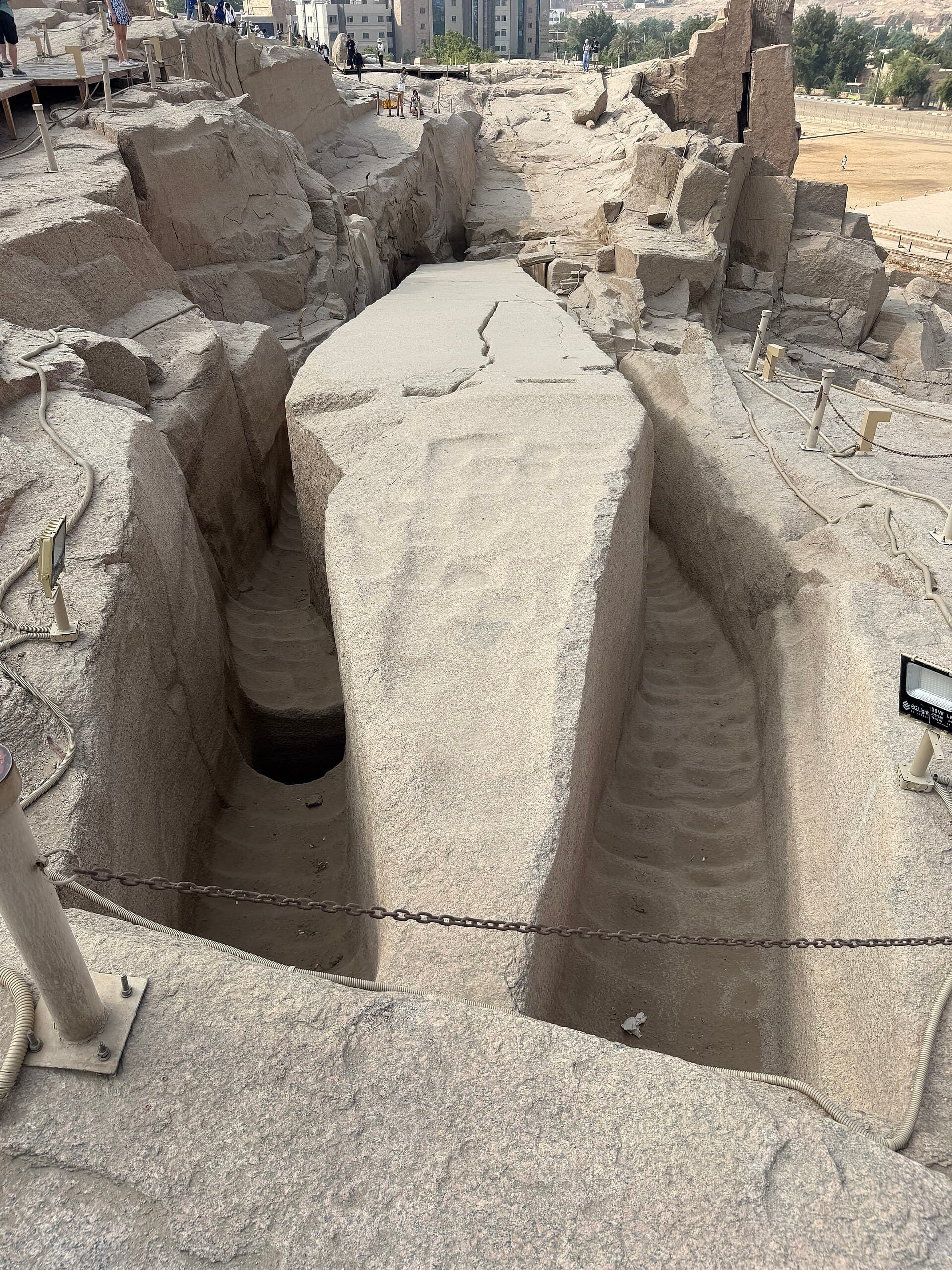 Unfinished ObeliskThe largest known ancient Egyptian obelisk, still lying in the bedrock of the qu5 minutes walk4.2
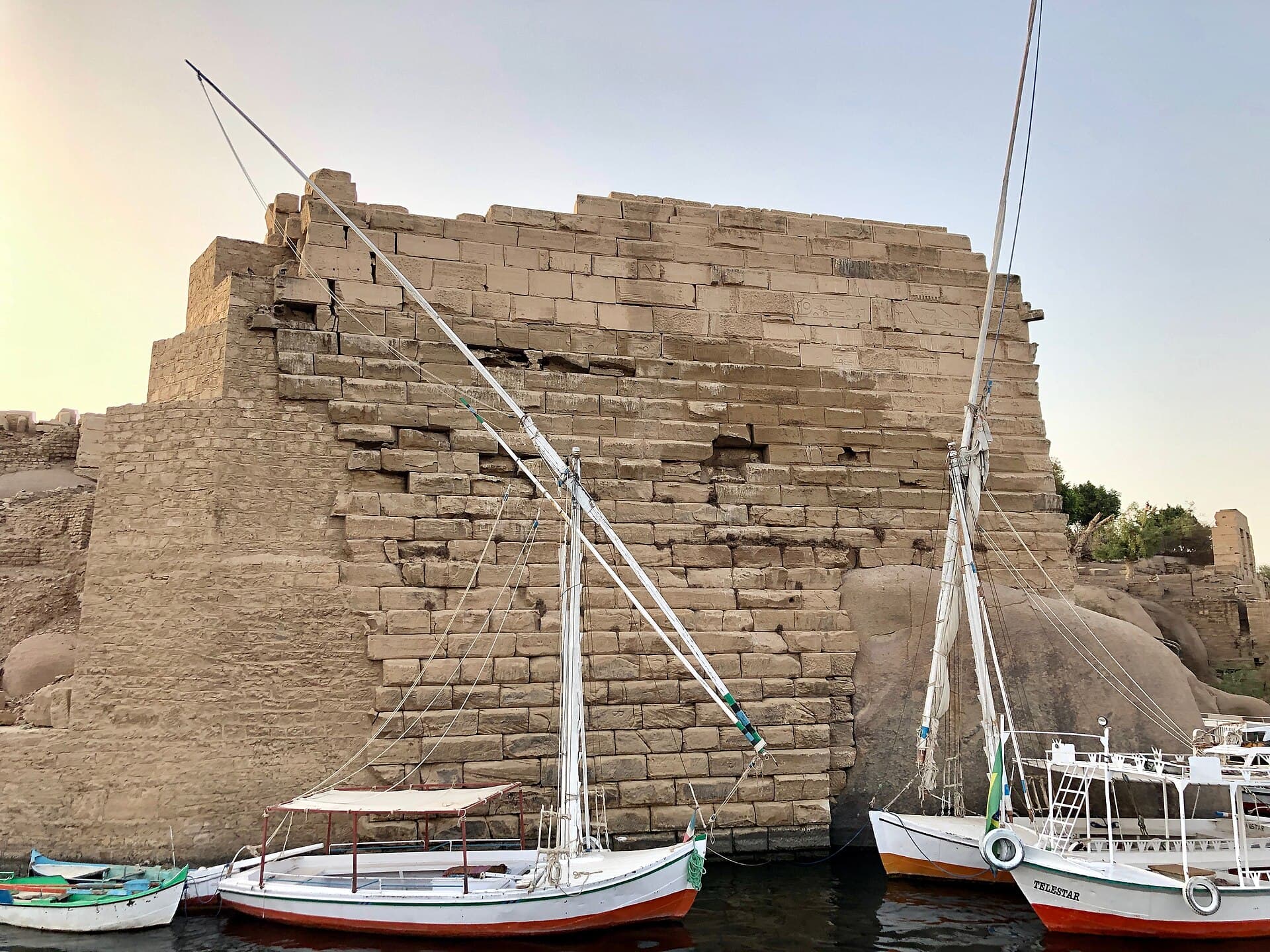 Elephantine IslandA large island in the Nile opposite the Aswan Corniche, from the dawn of history12 minutes walk4.4
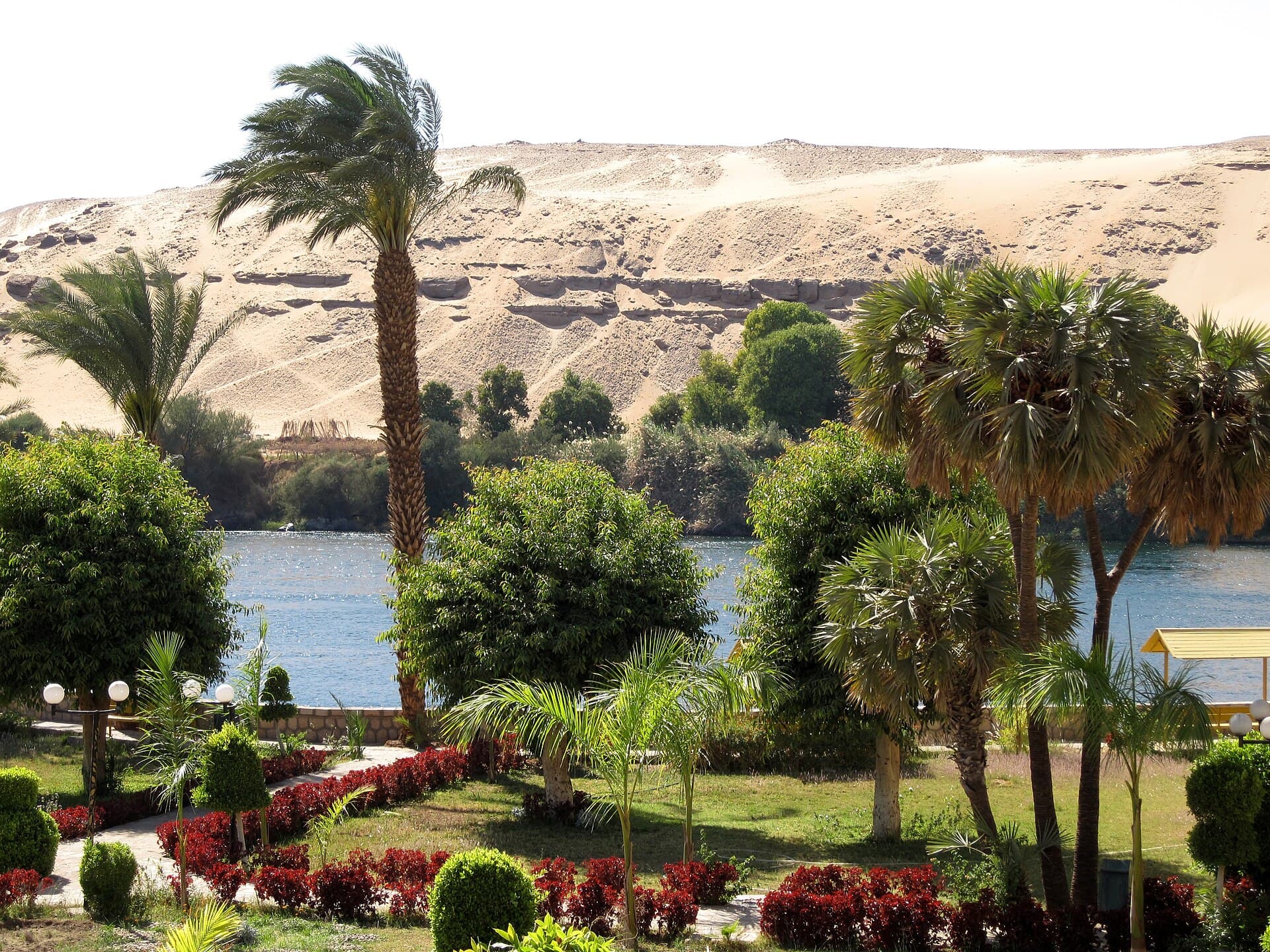 Aswan Botanical GardenA small, oval island in the Nile west of Elephantine that has become a lush bota23 minutes walk4.5
The name has stuck, but the domes are only roughly dated and the Fatimids ruled Egypt only from 969, so it is a popular label more than an exact date for each dome.
They have no historical link, but they are neighbours, so it is easy to see the museum first and walk over before sunset.