
Nubian kings
Statues of Egypt's rulers.
Marc Ryckaert — CC BY 3.0 · Chabe01 — CC BY-SA 4.0 · Chabe01 — CC BY-SA 4.0 · Holger Uwe Schmitt — CC BY-SA 4.0 · Chabe01 — CC BY-SA 4.0
A museum devoted to the heritage, history and culture of Nubia, opened in 1997 as a fruit of UNESCO's international campaign to save the Nubian monuments threatened by the High Dam; its design, inspired by Nubian architecture, won the Aga Khan Award for Architecture in 2001. It tells the story of Nubia through thousands of objects, from prehistory through the Pharaonic, Christian and Islamic eras, highlights including statues of the Nubian kings who ruled Egypt, pieces rescued from sites drowned by Lake Nasser, a large model of the Nile and its Nubian villages, and scenes of traditional Nubian houses and daily life. The museum is surrounded by a large hillside garden with model Nubian houses and a small stream, lovely for an evening stroll. A foreign visitor's ticket costs about four hundred Egyptian pounds according to the ministry list. It opens from nine in the morning to five, with evening opening on some days. It is air-conditioned and quiet, good for Aswan's hottest hours, and lies near the Unfinished Obelisk and the city centre.
Statues of Egypt's rulers.
From beneath Lake Nasser.
Model Nubian houses.
Abbas Farid Road, south of central Aswan, near the Old Cataract hotel
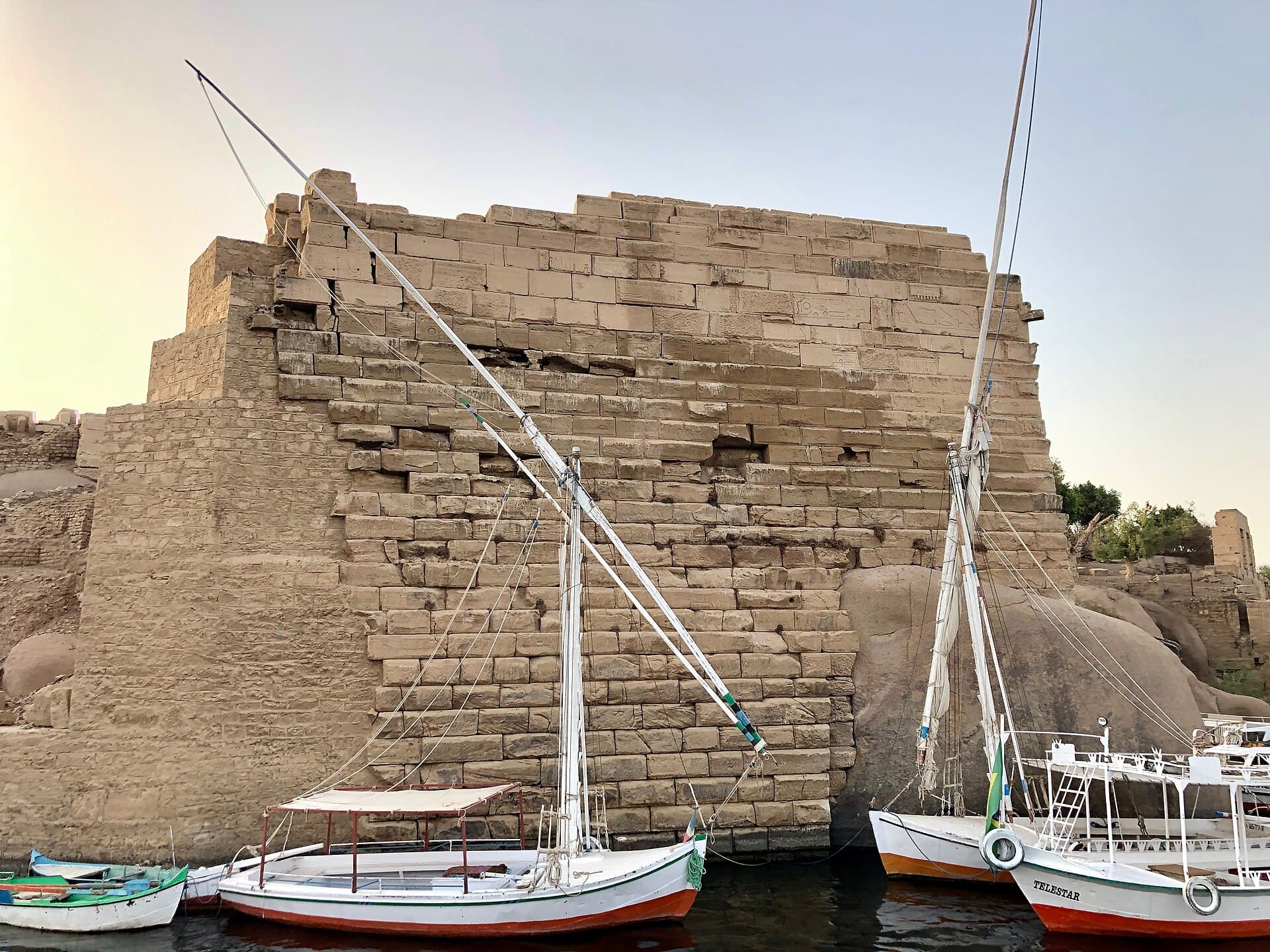 Elephantine IslandA large island in the Nile opposite the Aswan Corniche, from the dawn of history8 minutes walk
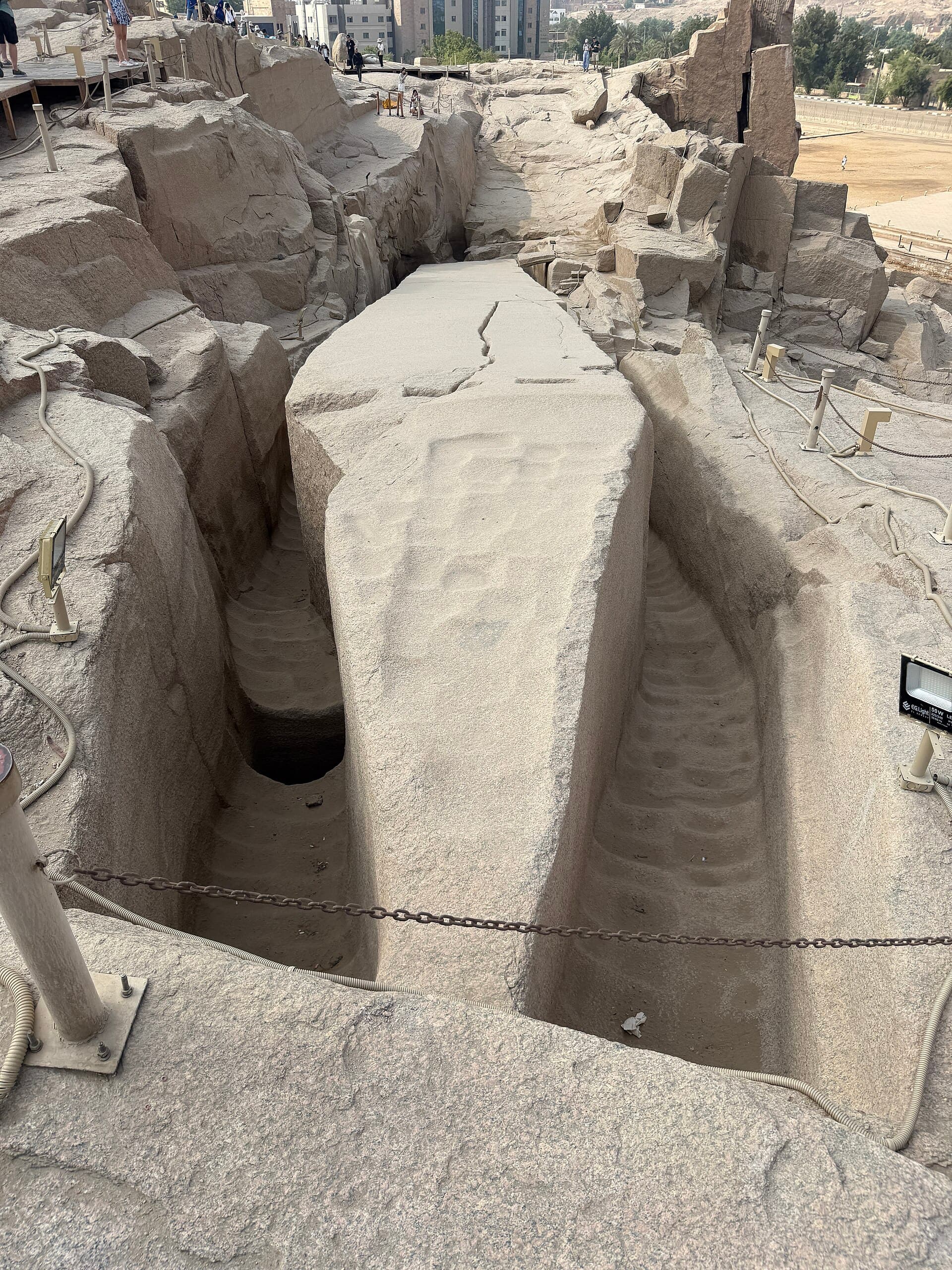 Unfinished ObeliskThe largest known ancient Egyptian obelisk, still lying in the bedrock of the qu9 minutes walk
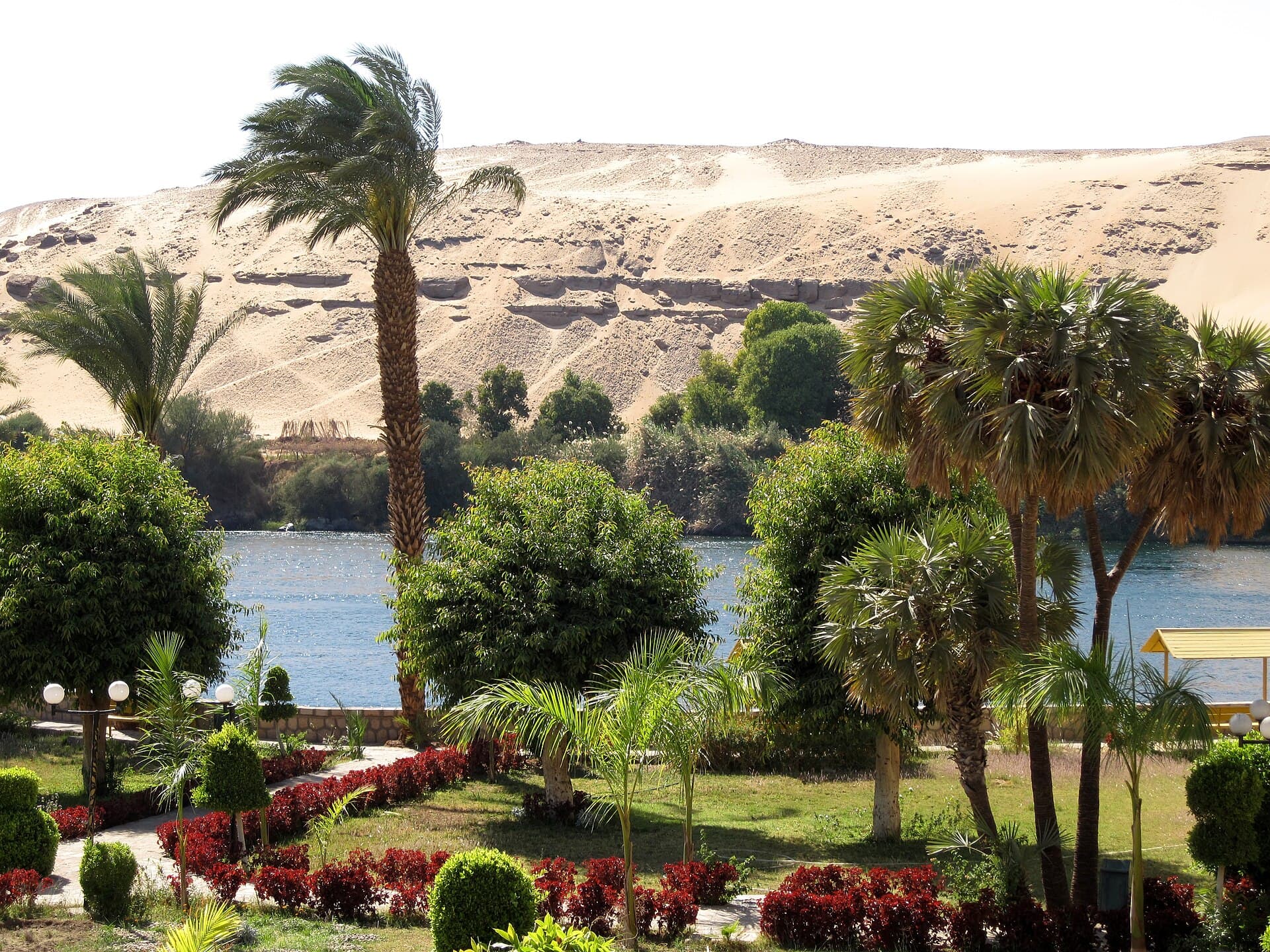 Aswan Botanical GardenA small, oval island in the Nile west of Elephantine that has become a lush bota20 minutes walk
Because it explains the story of Nubia and the campaign to rescue its monuments, so you understand why Abu Simbel, Philae and Kalabsha were moved from their original sites.