
Temple of Khnum
God of the cataract.
Warren LeMay from Cullowhee, NC, United States — CC0 · Holger Uwe Schmitt — CC BY-SA 4.0 · Hatem Moushir — CC BY-SA 4.0 · Olaf Tausch — CC BY 3.0 · Chabe01 — CC BY-SA 4.0
A large island in the Nile opposite the Aswan Corniche, from the dawn of history Egypt's southern gateway and a hub of the ivory trade with Africa, hence its Greek name, the island of the elephant. Colourful Nubian villages still inhabited today share it with a large archaeological site. At its southern tip lie the ruins of a town thousands of years old, with successive temples to Khnum, the ram-headed god of the cataract, and a temple of the goddess Satet, parts of them rebuilt. There are also two ancient Nilometers that measured the height of the flood to estimate harvests and taxes. The island also holds the old Aswan Museum and a display of finds from the excavations, among them the famous Aramaic papyri that revealed the life of a Jewish community living here some two and a half thousand years ago. The archaeological site costs a foreign visitor about two hundred Egyptian pounds, and it opens from eight to four. Reach it by the public ferry from the Corniche or by felucca, and after the ruins wander through the Nubian villages with their lanes and colourful houses.
God of the cataract.
Ancient flood gauge.
Lived-in colourful houses.
In the Nile opposite the Aswan Corniche, reached by ferry or boat
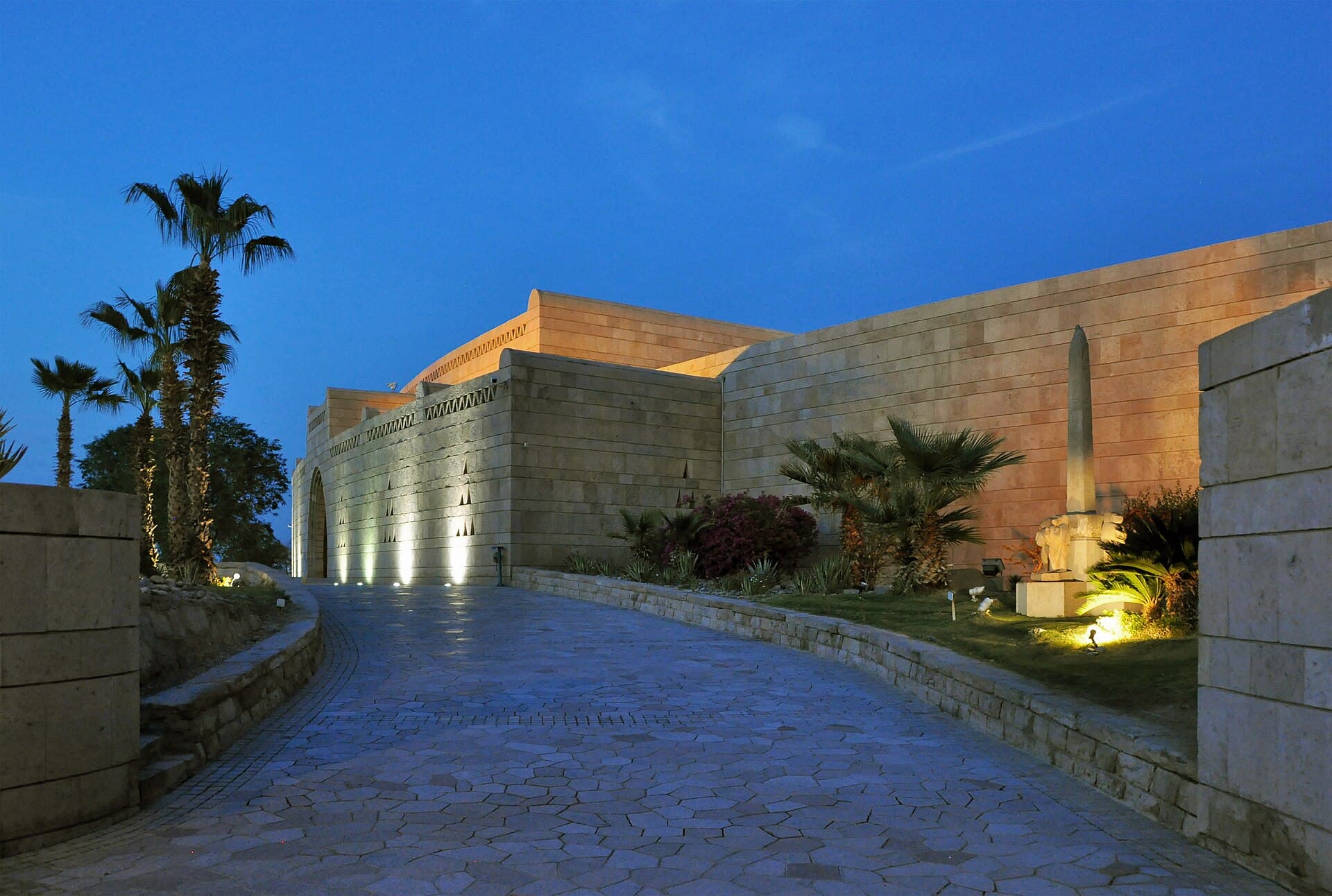 Nubian MuseumA museum devoted to the heritage, history and culture of Nubia, opened in 1997 a8 minutes walk
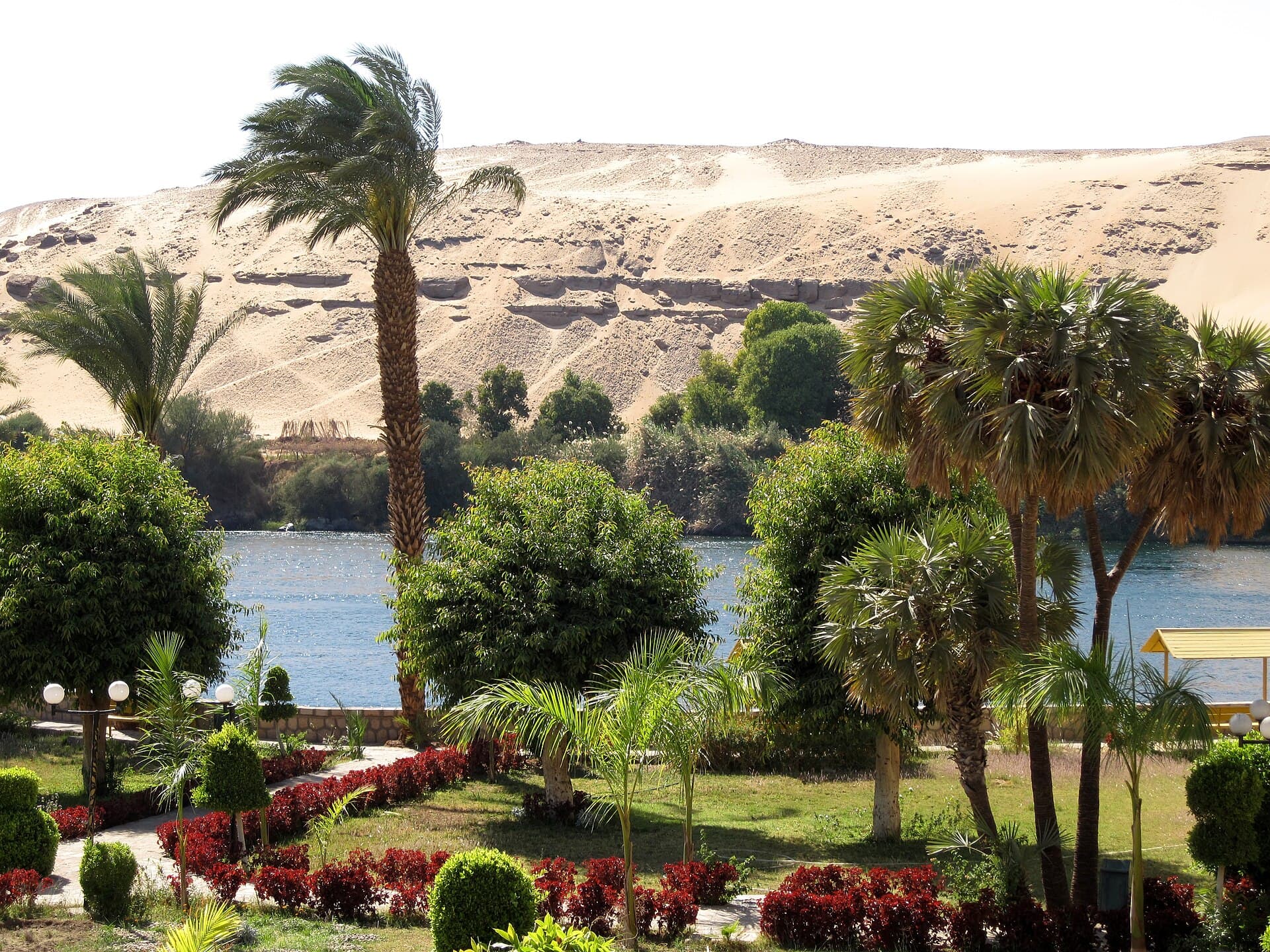 Aswan Botanical GardenA small, oval island in the Nile west of Elephantine that has become a lush bota13 minutes walk
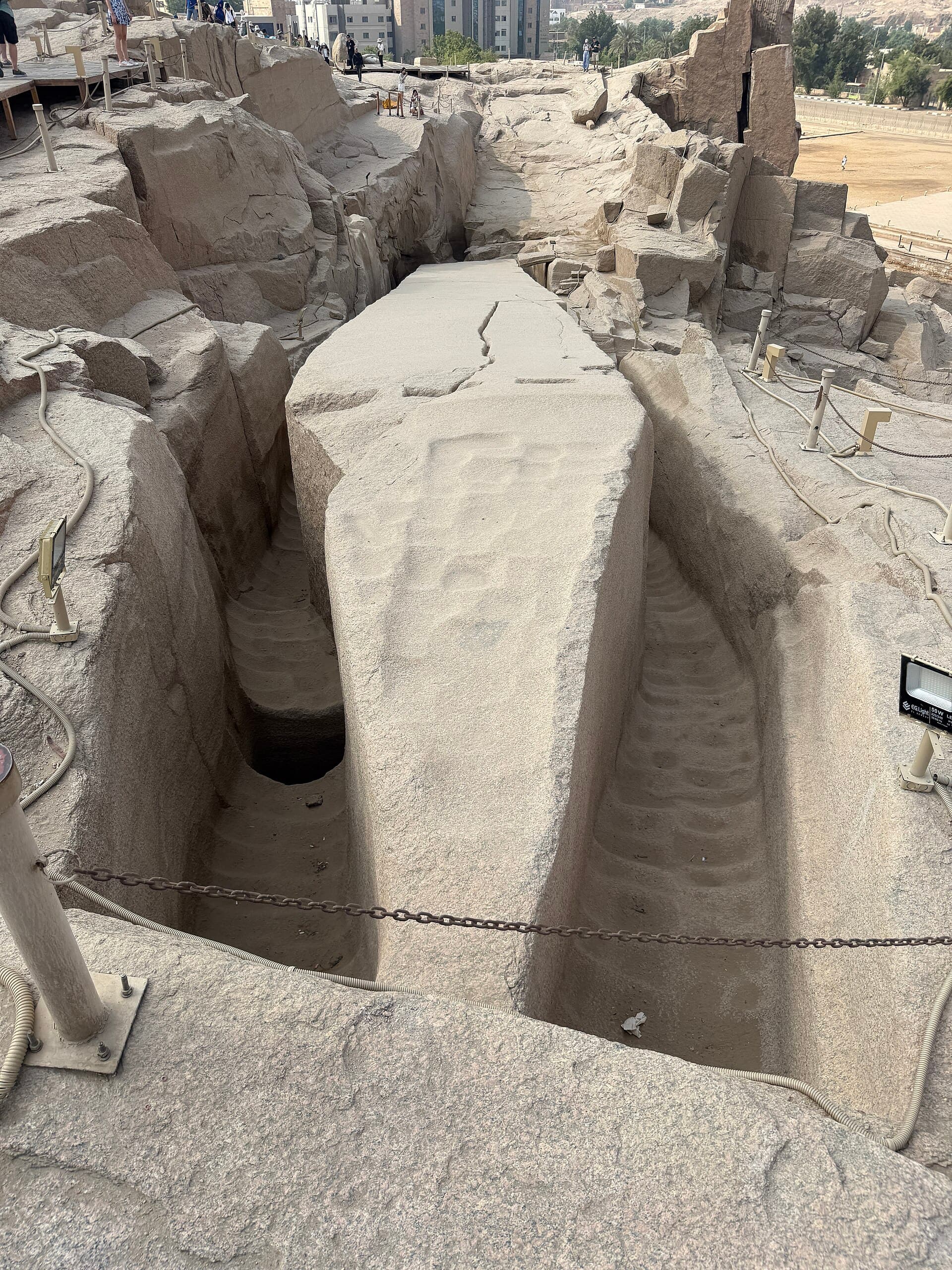 Unfinished ObeliskThe largest known ancient Egyptian obelisk, still lying in the bedrock of the qu16 minutes walk
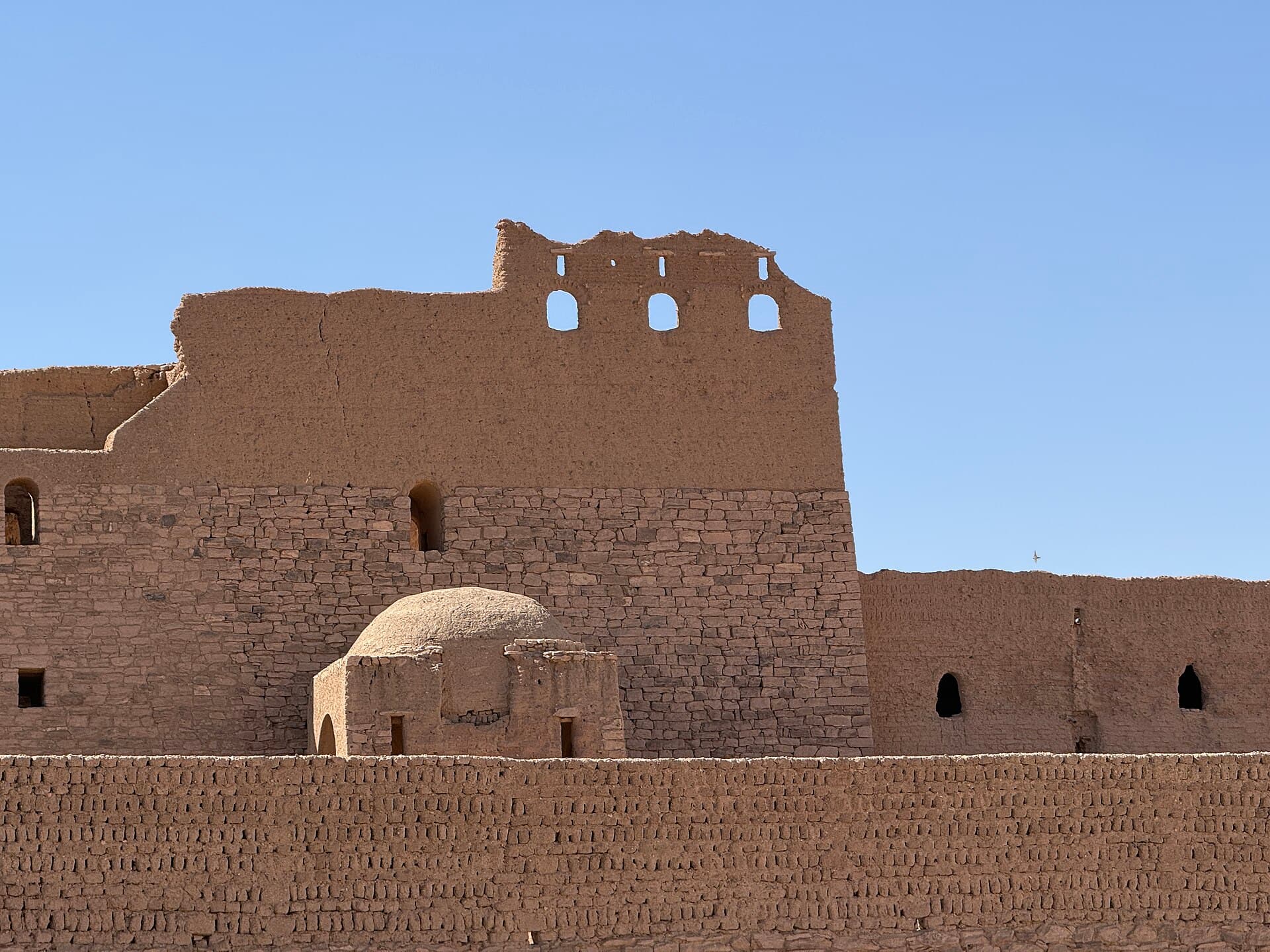 Monastery of St SimeonOne of the largest and best-preserved ancient Coptic monasteries in Egypt, stand19 minutes walk
By the public ferry from the Aswan Corniche for a small fare, or by hired felucca, landing near the archaeological site at its southern tip.