
A fortress never taken
Nine centuries and its walls never fell — which is why it survives whole.
Andrew Bossi — CC BY-SA 2.5 · Andrew Bossi — CC BY-SA 2.5 · Andrew Bossi — CC BY-SA 2.5 · Andrew Bossi — CC BY-SA 2.5
A museum inside the Hohensalzburg fortress above Salzburg, covering the history of the fortress itself and its garrison across nine centuries. Hohensalzburg is among the largest fully preserved fortresses in central Europe, and the reason for its survival is simple: it was never taken. Built in the eleventh century and repeatedly extended, its walls never fell in a siege. The museum shows weapons, armour, the everyday equipment of the garrison, maps and models explaining how the fortifications developed as artillery developed. That explains something practical: the fortress was not built once but reshaped every time weapons changed, and its layers are readable in the stone. The ticket is normally part of the fortress's combined admission, which also covers the state rooms, the marionette museum and the puppet theatre, along with the funicular up. The view from the walls over Salzburg and the surrounding mountains is what most people come for, and it is included in the same ticket.
Nine centuries and its walls never fell — which is why it survives whole.
The building's layers are readable in stone with each advance in weapons.
The whole of Salzburg and the mountains — what most people come for.
Inside the Hohensalzburg fortress above the city
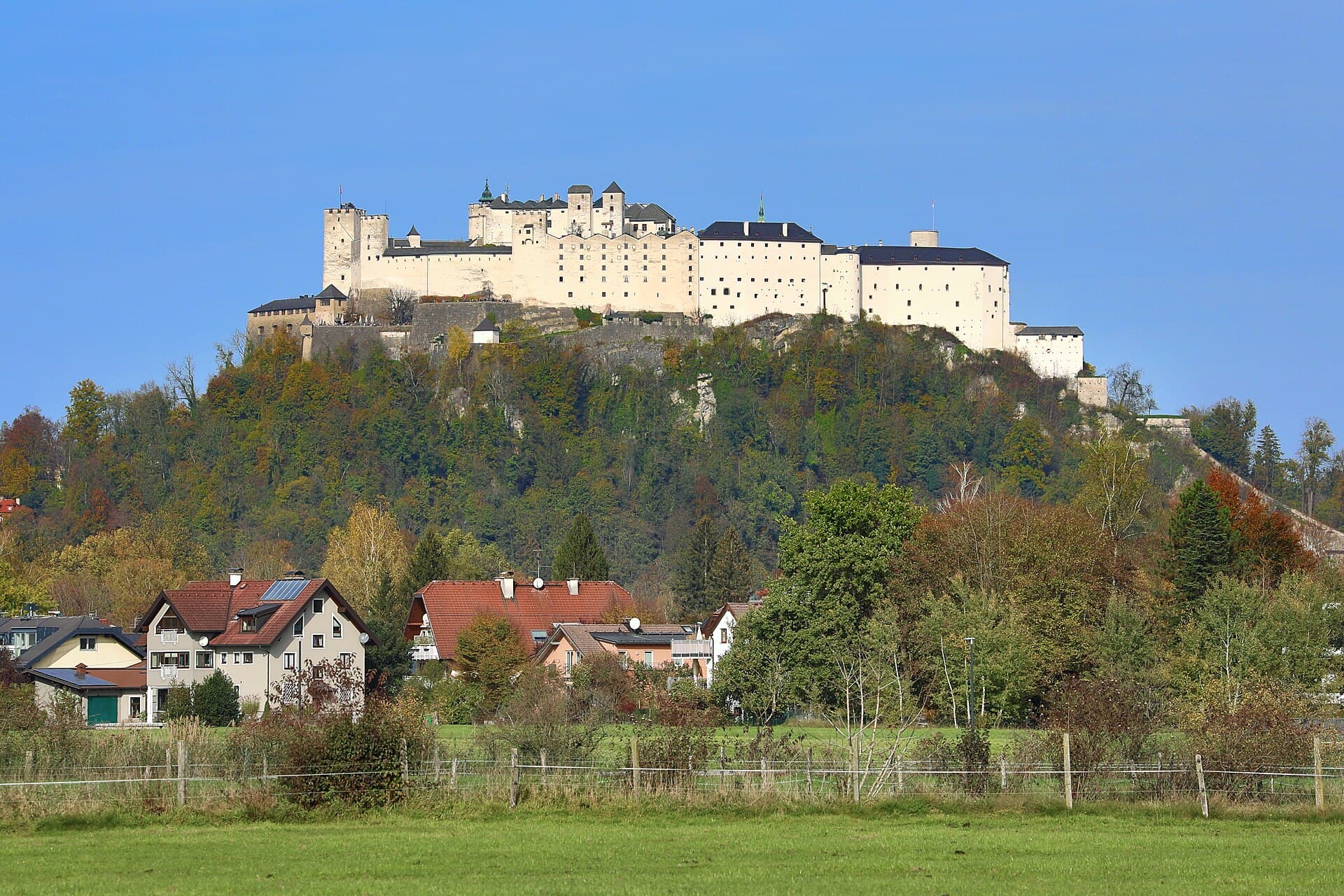 Hohensalzburg FortressHohensalzburg is central Europe's largest fully preserved castle — Salzburg's ne1 minute walk4.5
 Salzburg CathedralSalzburg Cathedral is the first great baroque north of the Alps: rebuilt by Ital4 minutes walk4.6
 Cathedral MuseumA museum inside Salzburg cathedral showing the archdiocese's treasures and holdi4 minutes walk4.8
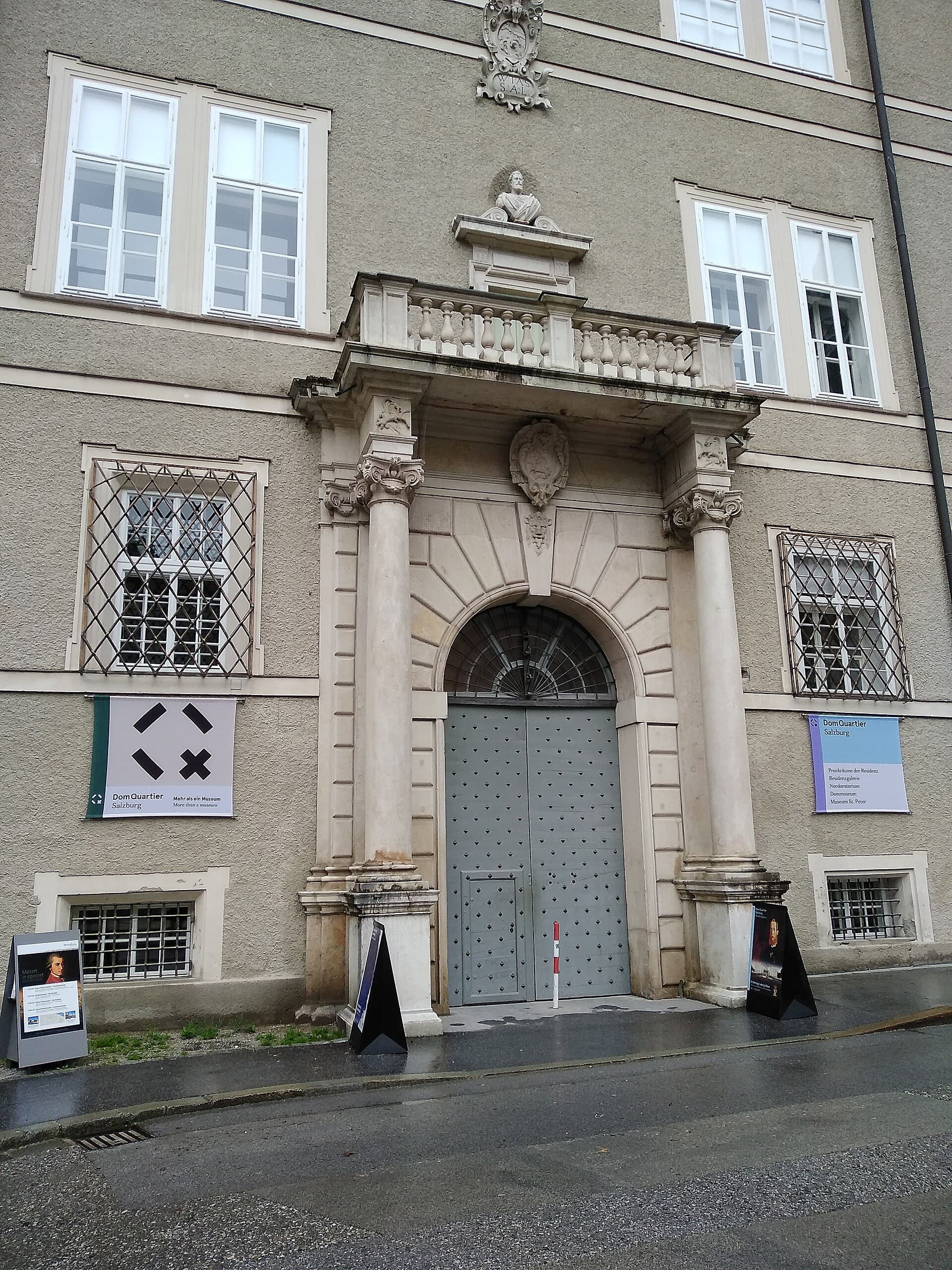 DomQuartierThe DomQuartier is Salzburg's palace of power opened as one circuit: since 2014 4 minutes walk4.7
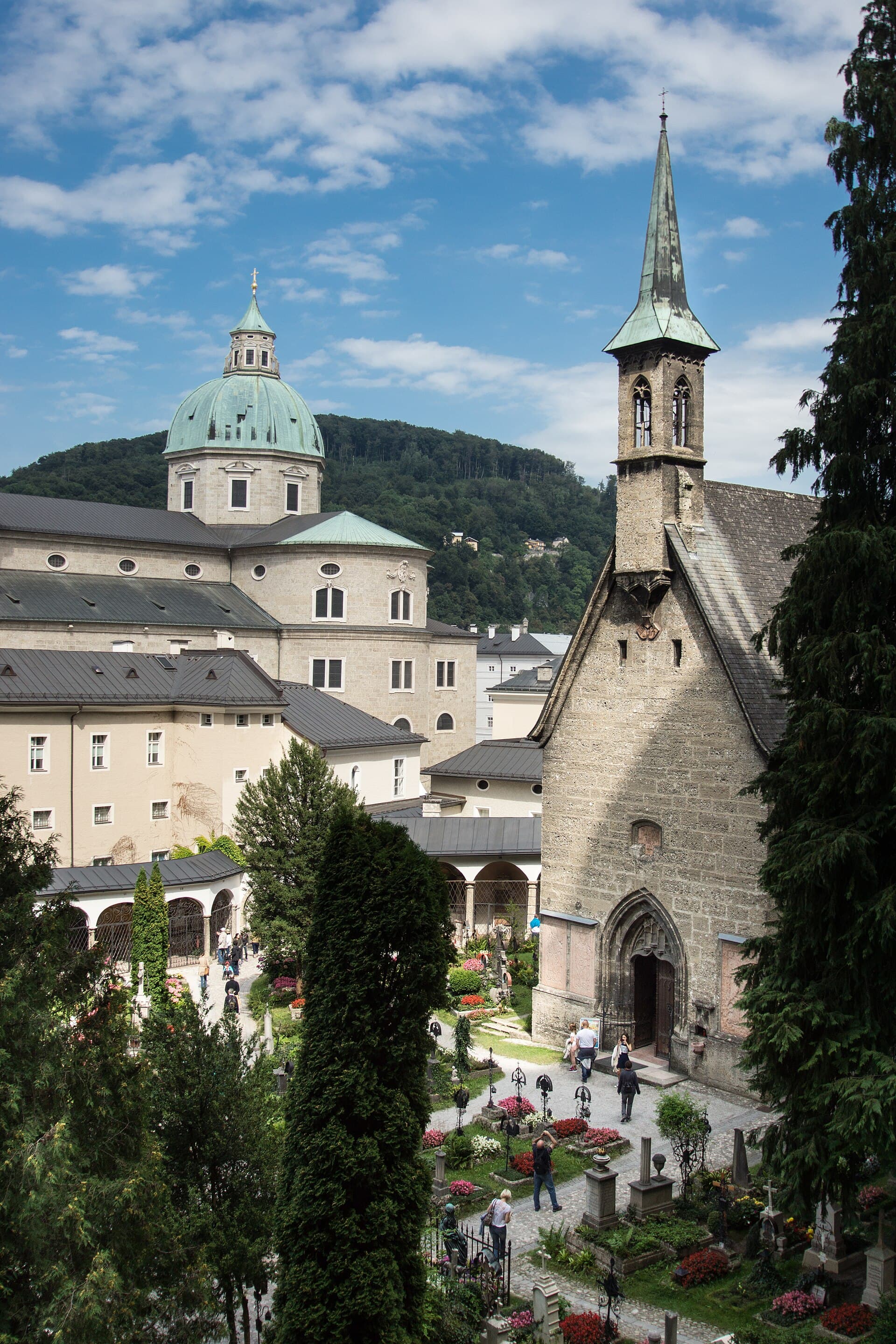 St Peter's Abbey and CemeteryA Benedictine abbey in old central Salzburg, founded in the seventh century and 4 minutes walk4.9
The funicular is quicker and easier and is normally included in the combined ticket. Walking is free and takes about twenty minutes up a steep slope, suiting anyone who wants to save money or to walk. Many people ride up and walk down, which works well.
Two to three hours. It is large, with several museums, state rooms and walls you can walk, and the view alone deserves time. Start early: queues for the funicular lengthen after ten in the morning in season.