
The Tammerkoski rapids
Roaring water between red brick.
Visa580 — CC BY 2.5 · IAteYourChocolate — CC BY-SA 4.0 · WouldYouLikeWhippedCream — CC BY-SA 4.0 · Tiia Monto — CC BY-SA 4.0
The factory that made the city: the Scot James Finlayson founded a cotton mill on the Tammerkoski rapids in 1820 and it grew into the Nordic countries' largest, the heart of "Finland's Manchester" — and when the machines stopped in the 1990s its huge red-brick buildings became a whole quarter: restaurants, cafés, a cinema, shops, offices and museums around cobbled courtyards among brick and chimneys. Here the first electric light in the Nordic countries was lit (1882) in the weaving hall; the Finnish Labour Museum Werstas tells the workers' lives, a small spy museum sits in the basement, and the blue factory church stands beside. The rapids walk passes under the bridges with water roaring between the brick. Not a monument to be bought but a quarter to be lived: coffee, lunch, a film and a river walk — and evenings here are Tampere's finest.
Roaring water between red brick.
Textile workers' lives in their own voice.
Cold War gadgets in the factory basement.
Finlaysoninkuja, Tampere
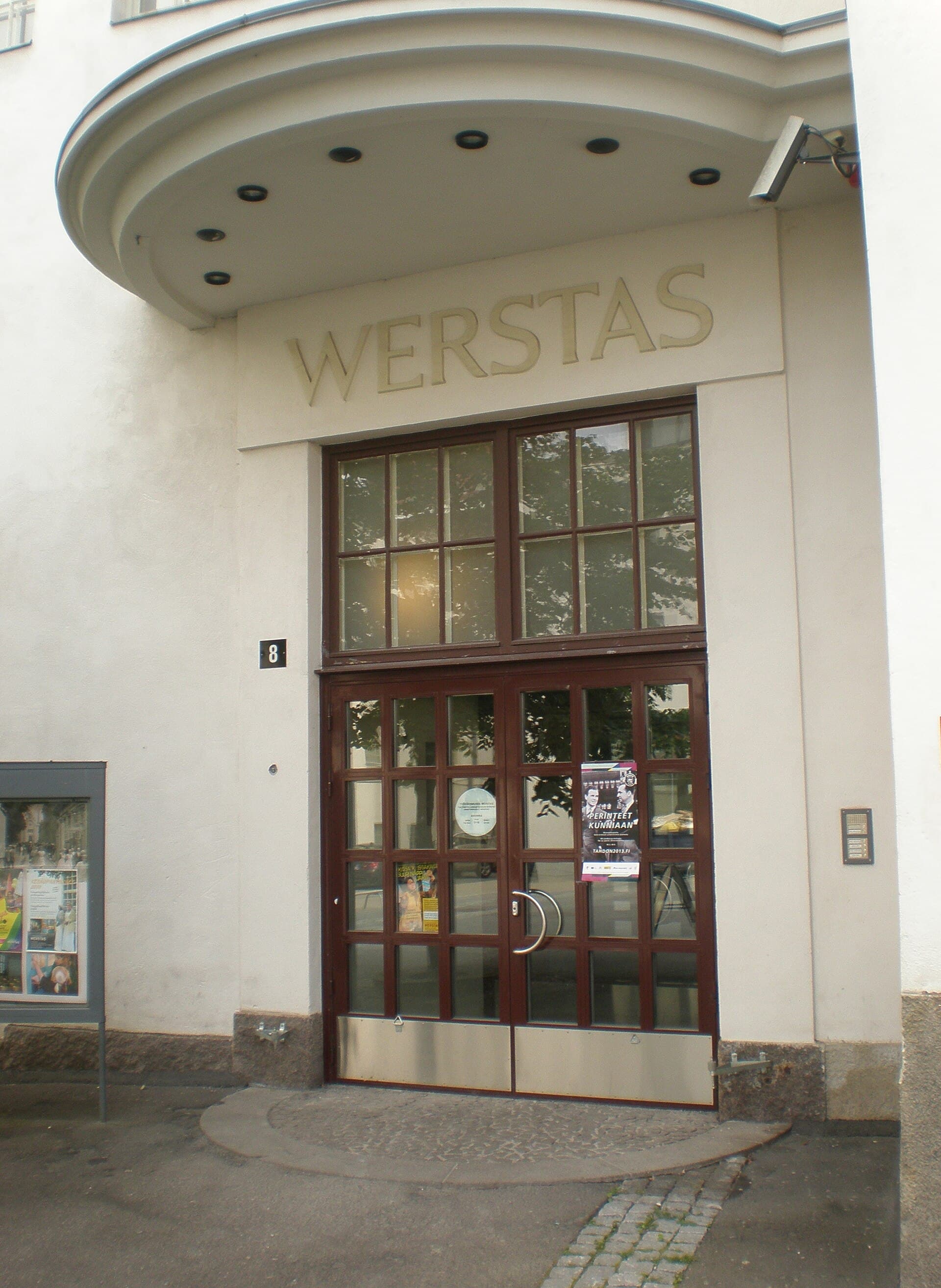 The Werstas Labour MuseumThe Finnish Labour Museum Werstas occupies an old Finlayson mill building on the1 minute walk4.3
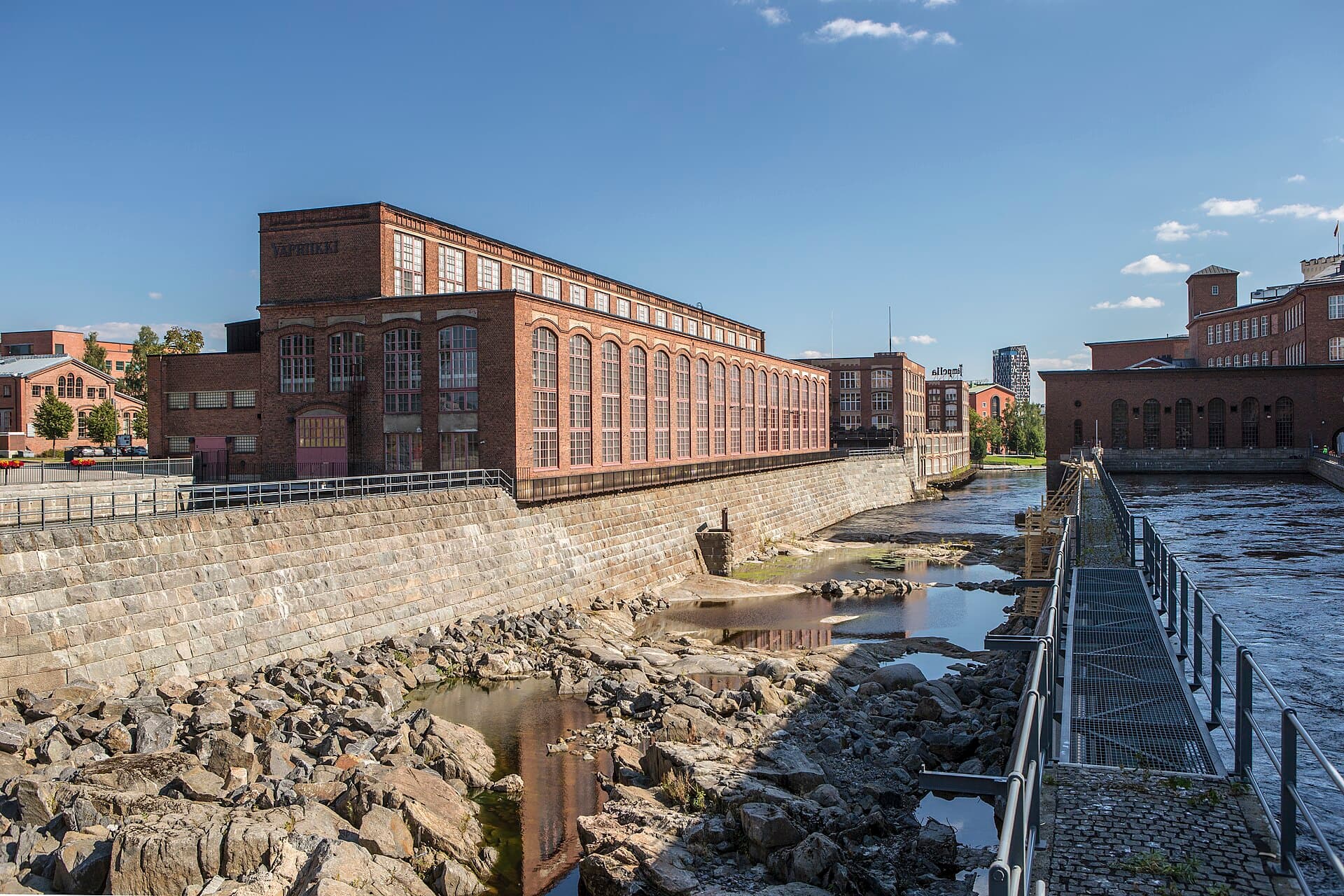 Vapriikki Museum CentreTen museums on one ticket: Vapriikki fills the old Tampella engineering works on3 minutes walk4.7
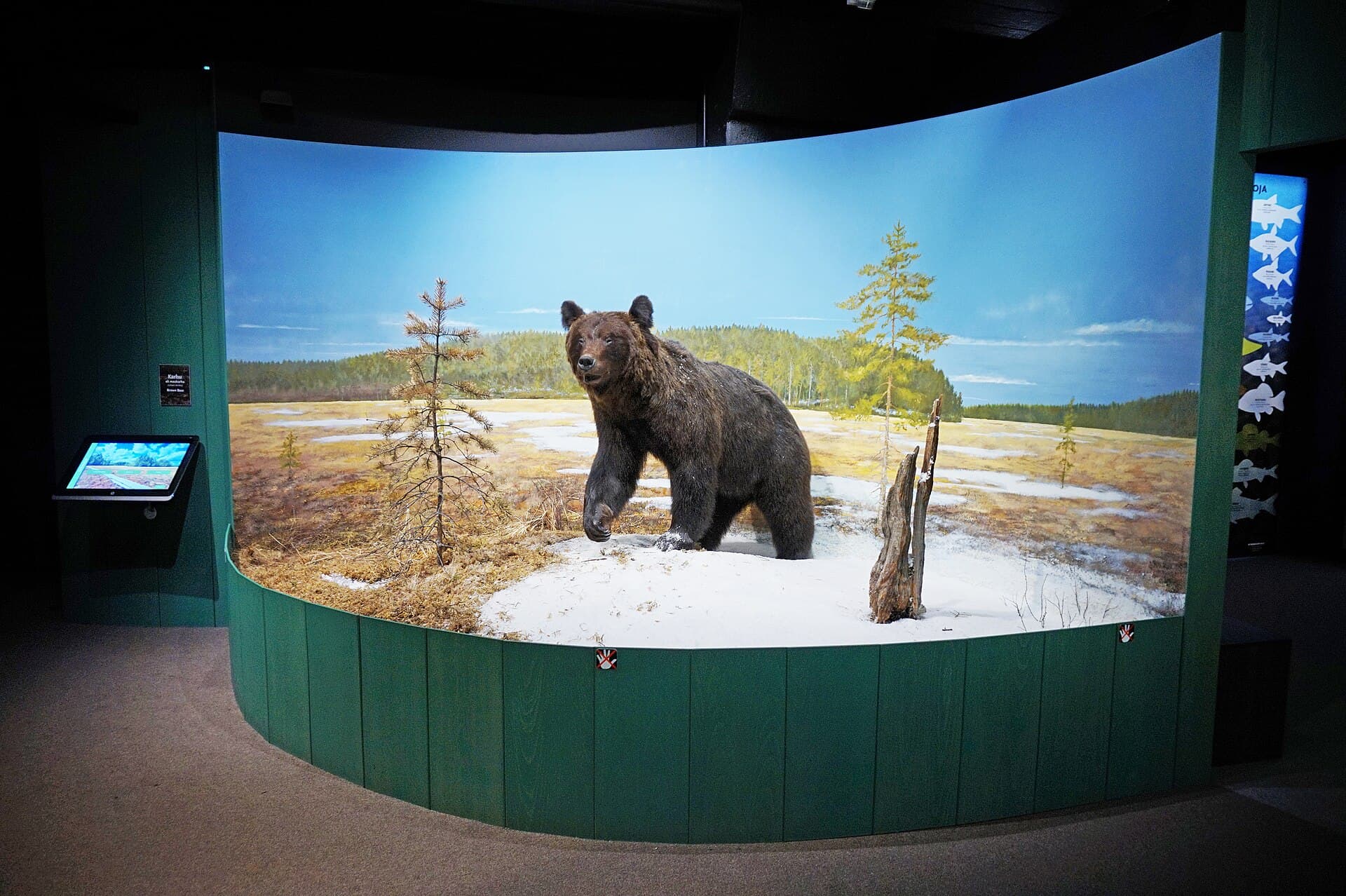 The Tampere Natural History MuseumTampere's natural history museum is part of the **Vapriikki Museum Centre** — a 3 minutes walk4.4
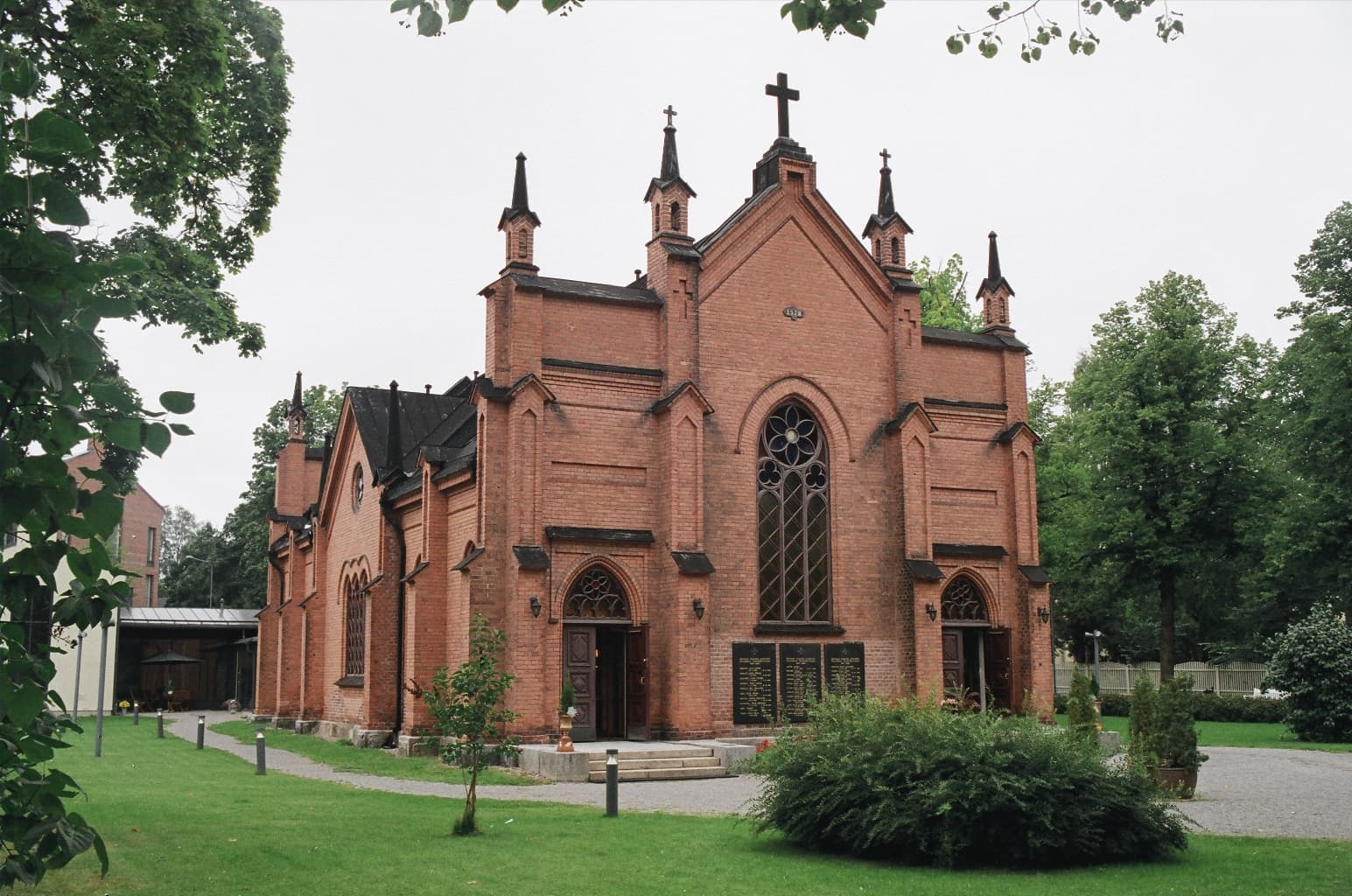 Finlayson ChurchFinlayson Church is a small red brick church built in 1879 inside the **Finlayso3 minutes walk4.6
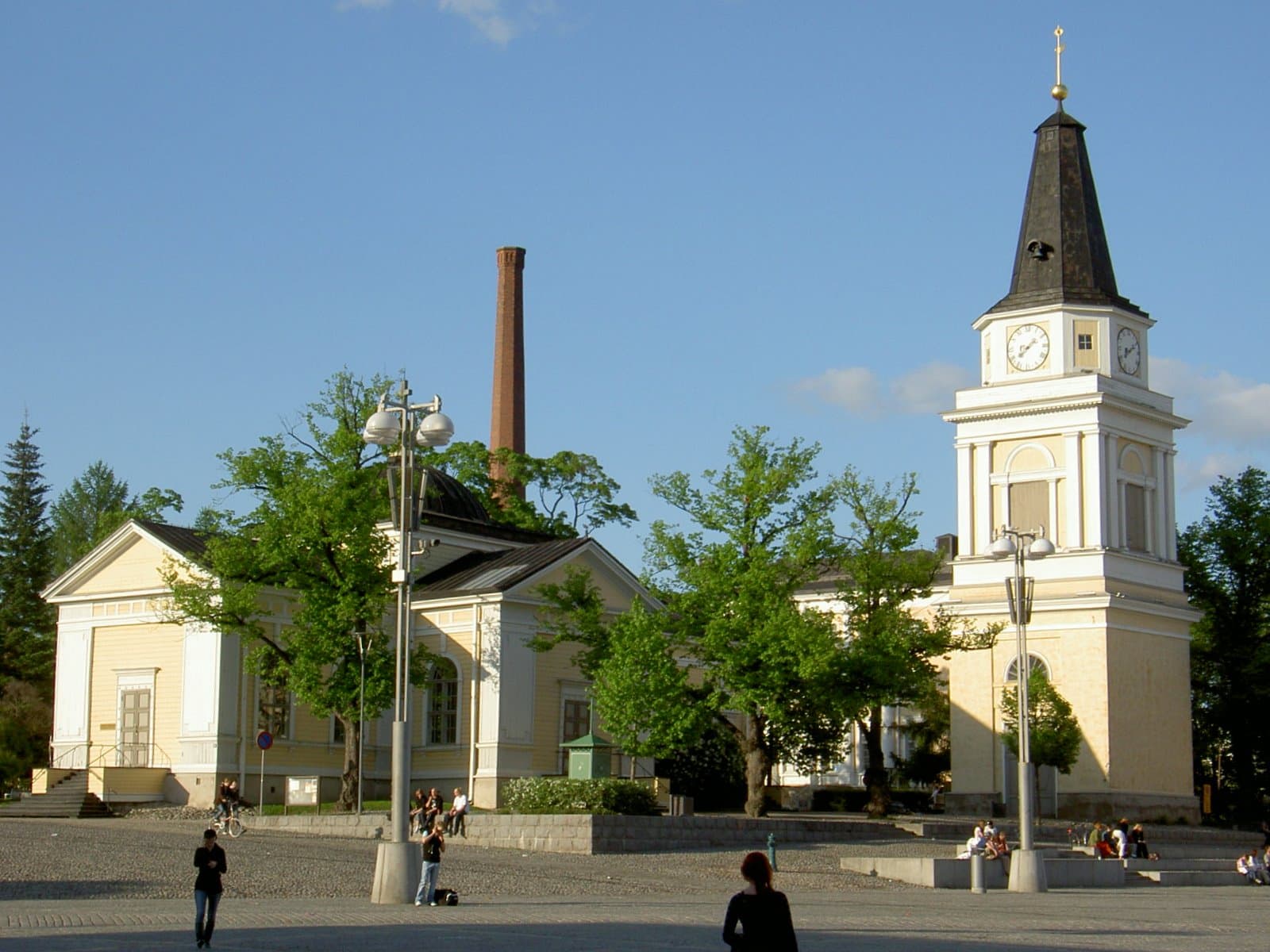 Tampere Old ChurchTampere Old Church is **the oldest building in the city centre**: a timber churc4 minutes walk4.3
The rapids drove cotton, paper and machine works from 1820, making it the Nordic countries' largest industrial city; all the red brick on the river dates from that age.