
The steam engine
At full size in its original position.
PtG — CC BY-SA 3.0 · Tiia Monto — CC BY-SA 4.0 · Tiia Monto — CC BY-SA 4.0 · Tiia Monto — CC BY-SA 4.0
The Finnish Labour Museum Werstas occupies an old Finlayson mill building on the bank of the rapids, and is Finland's national museum of labour and industrial history — **and entry is free**. The permanent exhibition covers the life of the Finnish worker since industrialisation: hours, wages, housing, occupational illness, the rise of the unions, and the fight for the eight-hour day. The displays are machines, tools, clothing and recorded testimony. At the heart of the museum is the **original steam engine** that drove the mill, preserved in place at full size — its largest exhibit. The section that distinguishes it covers the **Finnish Civil War of 1918**: a bloody conflict between Reds and Whites immediately after independence, of which Tampere was the fiercest battleground. Some thirty-seven thousand people died in a few months, many of them in prison camps after the fighting. The museum presents this without softening, on a subject that was taboo in Finland for decades. **Free**, and in the Finlayson complex, so combined with a walk through it.
At full size in its original position.
The civil war without softening, with Tampere its battleground.
Väinö Linnan aukio 8, Tampere
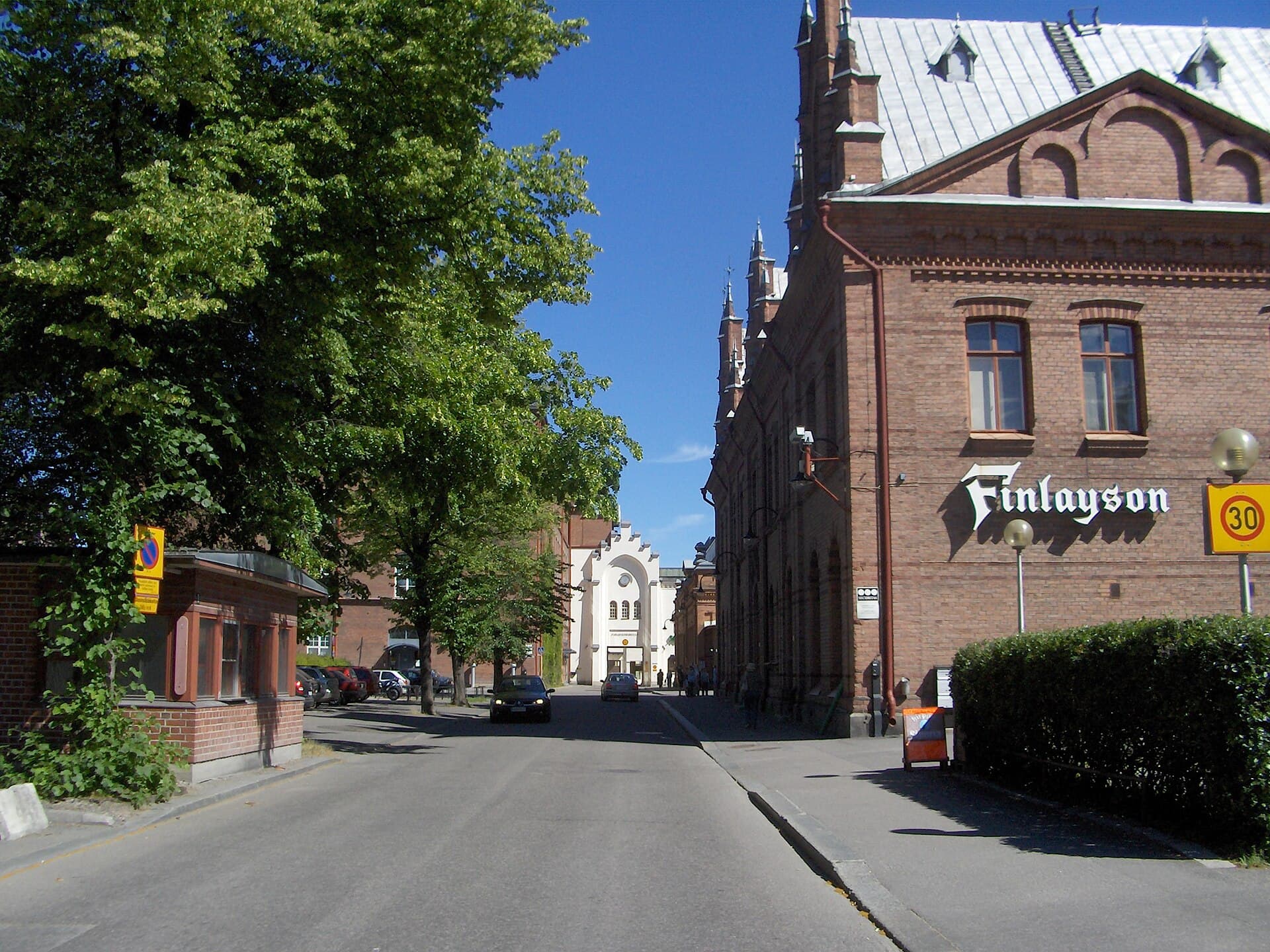 The Finlayson AreaThe factory that made the city: the Scot James Finlayson founded a cotton mill o1 minute walk4.4
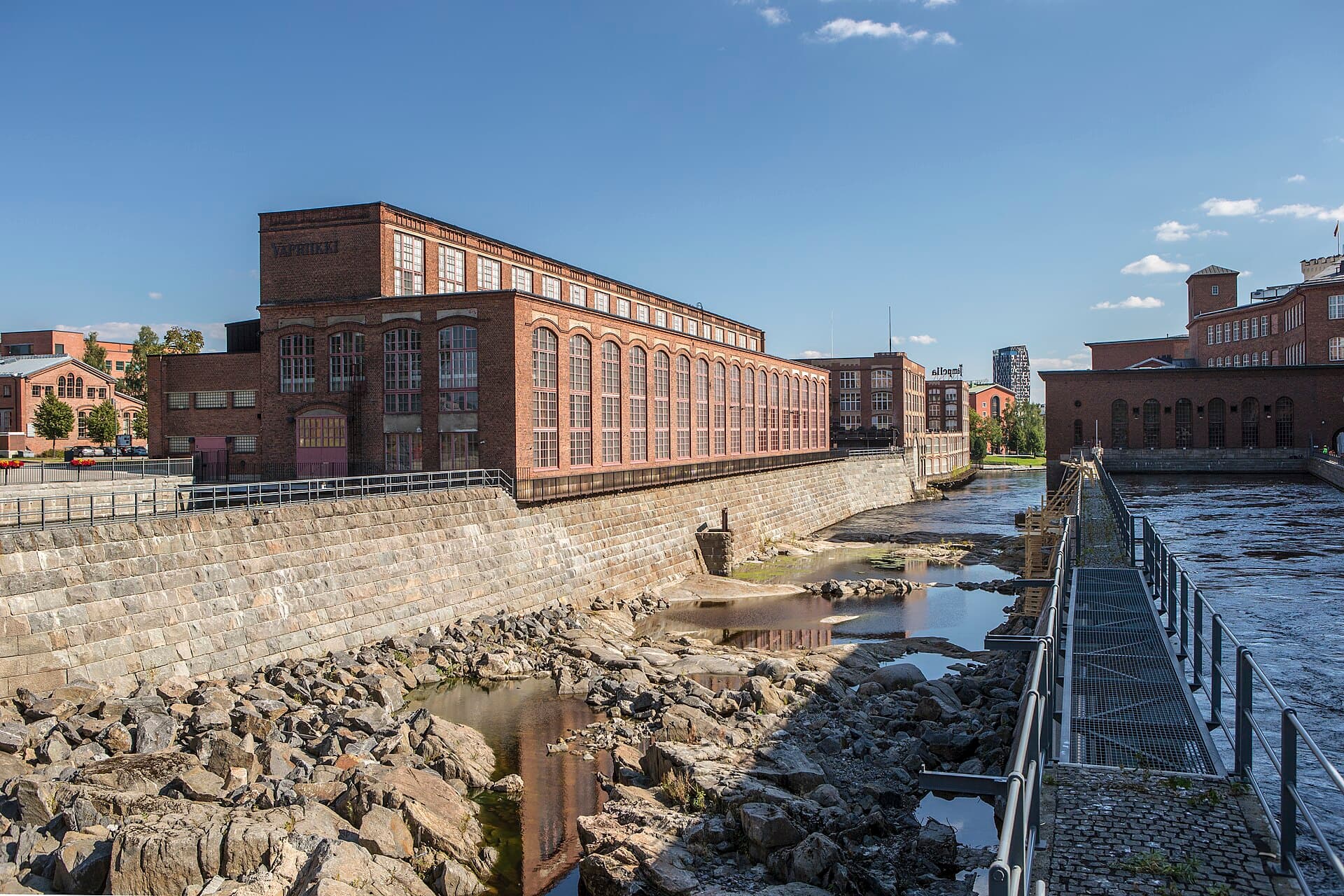 Vapriikki Museum CentreTen museums on one ticket: Vapriikki fills the old Tampella engineering works on2 minutes walk4.7
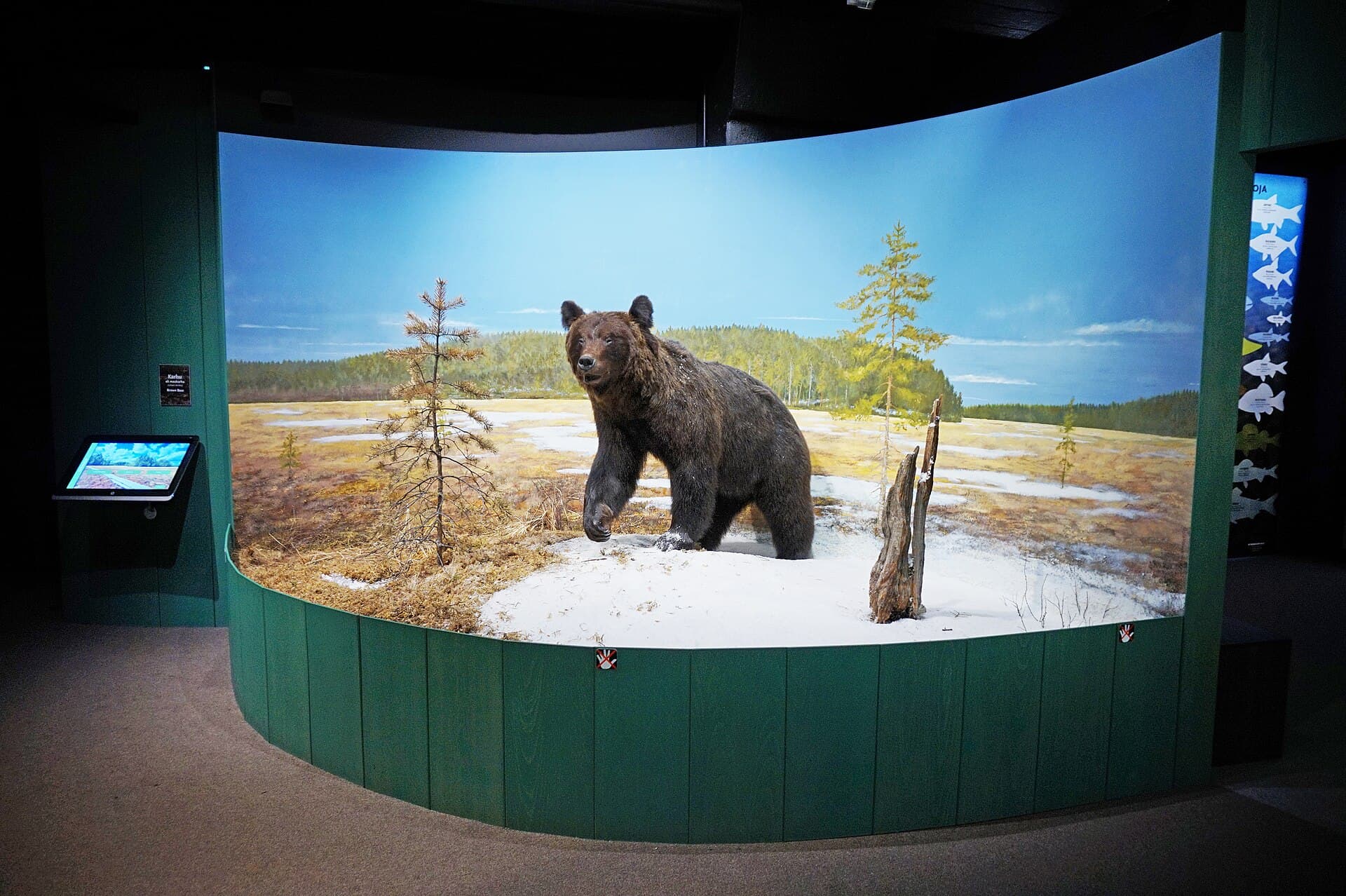 The Tampere Natural History MuseumTampere's natural history museum is part of the **Vapriikki Museum Centre** — a 2 minutes walk4.4
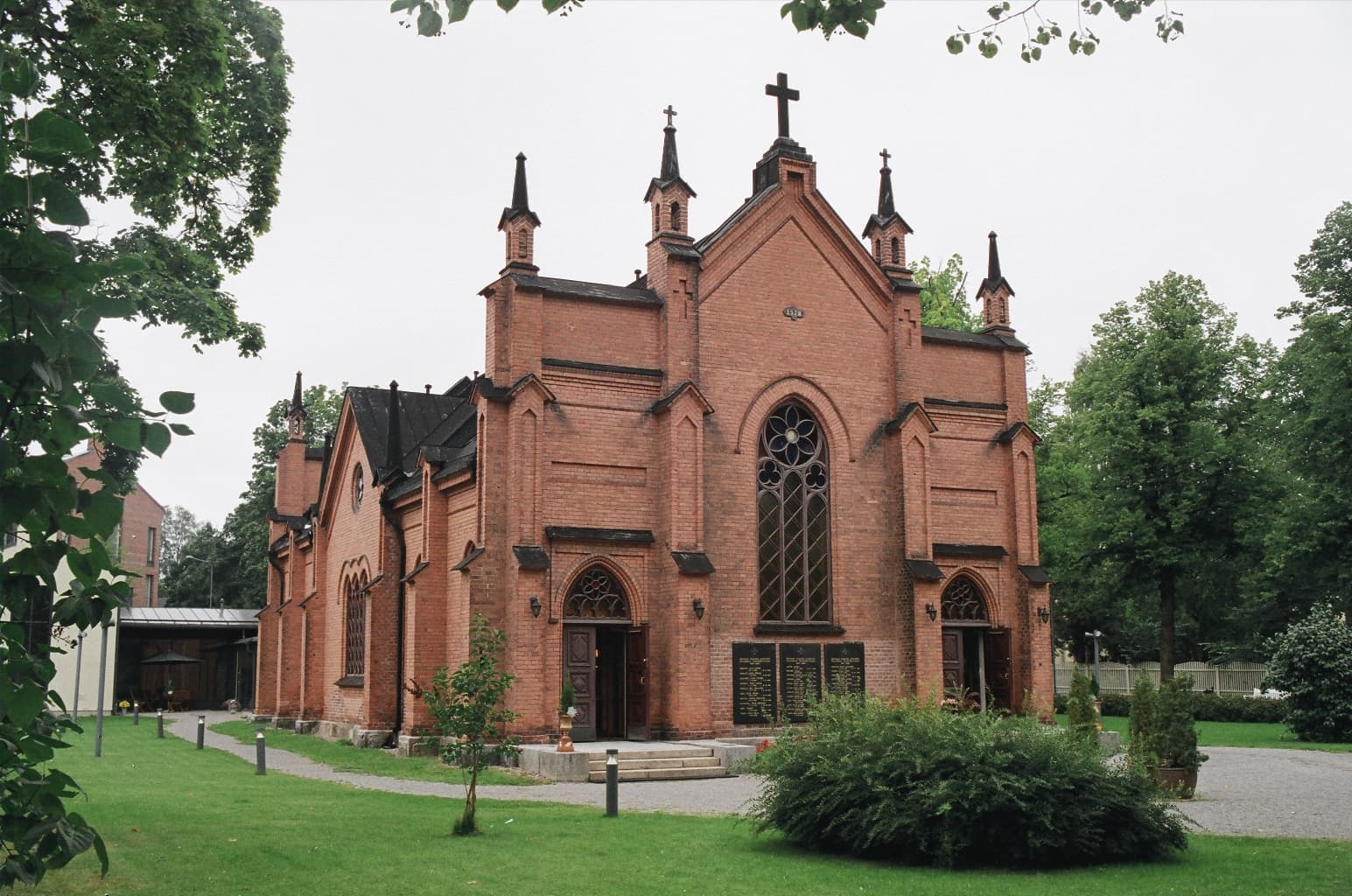 Finlayson ChurchFinlayson Church is a small red brick church built in 1879 inside the **Finlayso3 minutes walk4.6
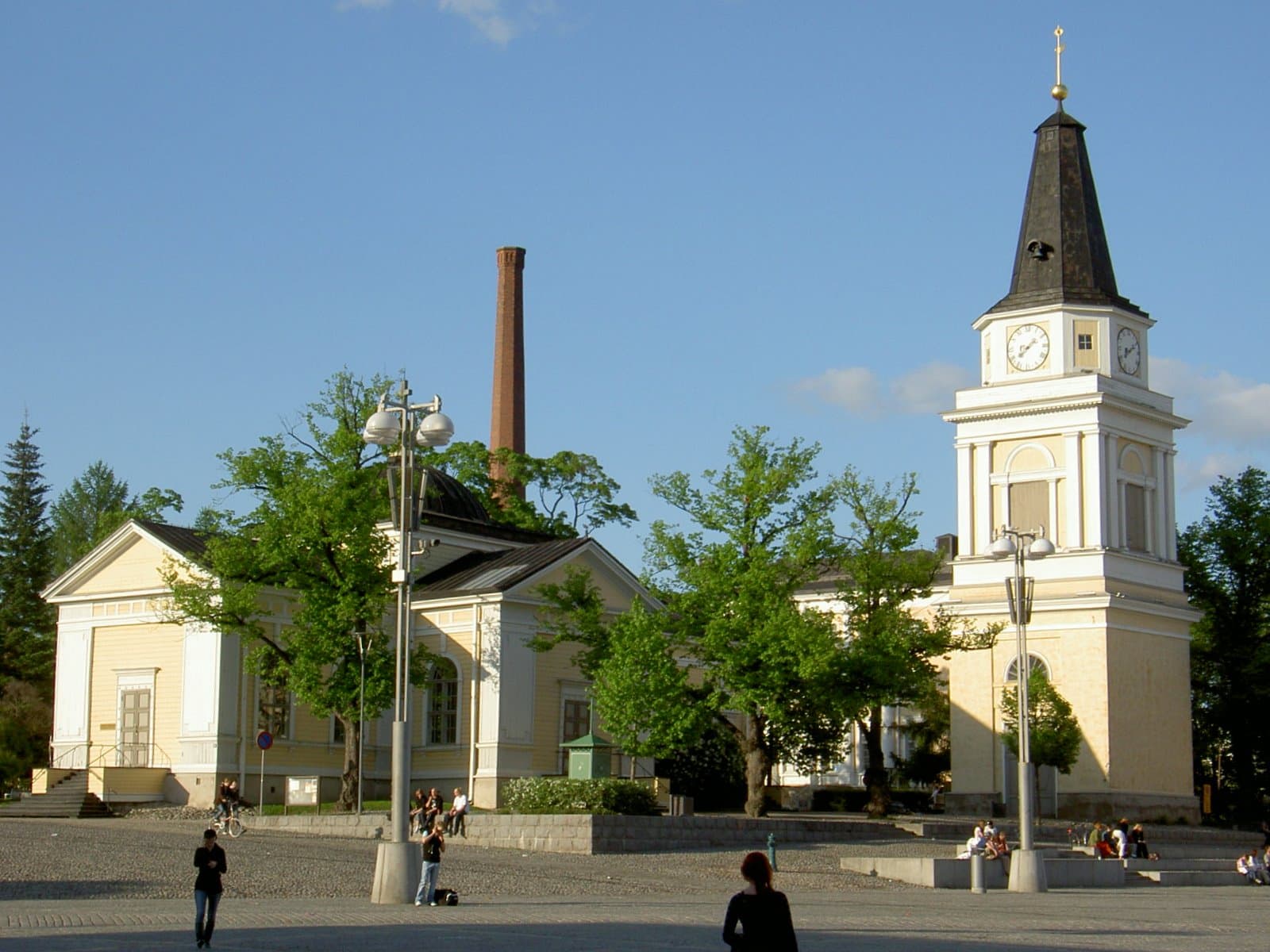 Tampere Old ChurchTampere Old Church is **the oldest building in the city centre**: a timber churc4 minutes walk4.3
A few months after Finland's independence from Russia in December 1917, a conflict erupted between the **Reds** — workers and socialists backed by Soviet Russia — and the **Whites** — the government and landowners backed by Germany. It ran from January to May 1918 and killed about thirty-seven thousand people out of a population of three million. The **Battle of Tampere** was the fiercest and the decisive one, and the city fell after bloody street fighting. What followed was worse: tens of thousands in prison camps where thousands died of hunger and disease. The subject was taboo for decades and was not examined publicly until the 1960s.