
The Miroir d'eau
A sheet of water reflecting the whole square, turning periodically to mist.
Blaue Max — CC BY-SA 3.0 · W. Bulach — CC BY-SA 4.0 · Romainbehar — CC0 · Romainbehar — CC0
A marble fountain at the centre of the Place de la Bourse in Bordeaux, the focal point of the city's best-known square. The sculpture represents the Three Graces of Greek myth, and was raised in the nineteenth century in a square that had previously held a statue of the king, removed during the French Revolution. The Place de la Bourse itself is the event: a semicircle of eighteenth-century stone façades opening onto the Garonne, the emblem of classical Bordeaux and part of the UNESCO-listed area of the city. Directly in front of the square on the riverside quay is the Miroir d'eau, a thin sheet of water on a stone surface reflecting the whole façade, which periodically turns to mist. This is Bordeaux's most photographed scene, and its best hour is after sunset when the façade is lit. All of it is free and always open. The Miroir d'eau is seasonal, running in the warmer months, and is sometimes drained for maintenance.
A sheet of water reflecting the whole square, turning periodically to mist.
A semicircle of eighteenth-century façades opening onto the river.
This is the image you know of the city, and it costs nothing.
Place de la Bourse, on the bank of the Garonne
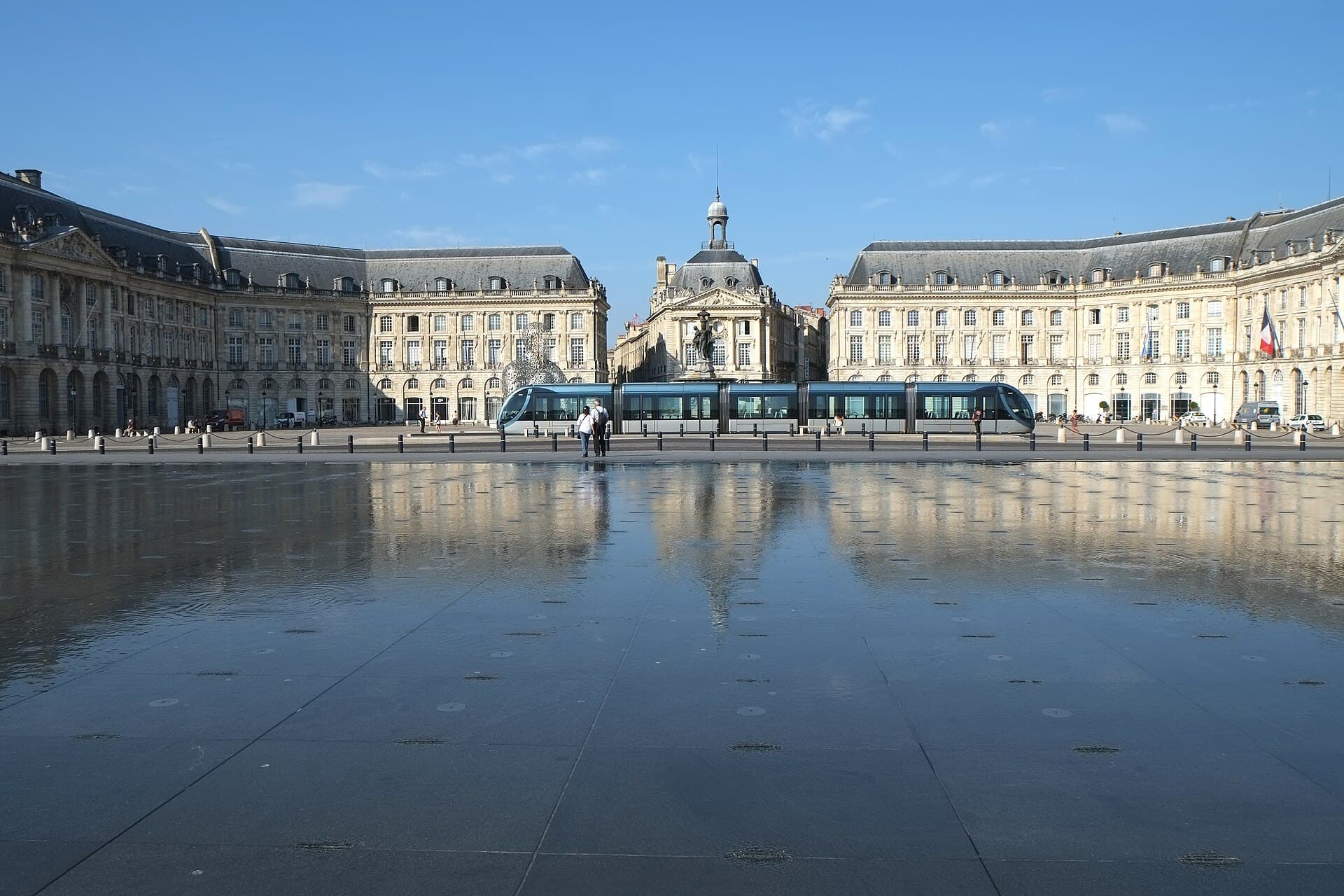 Place de la Bourse & Water MirrorThe Place de la Bourse is Bordeaux's royal face: a half-circle of symmetrical ei1 minute walk4.6
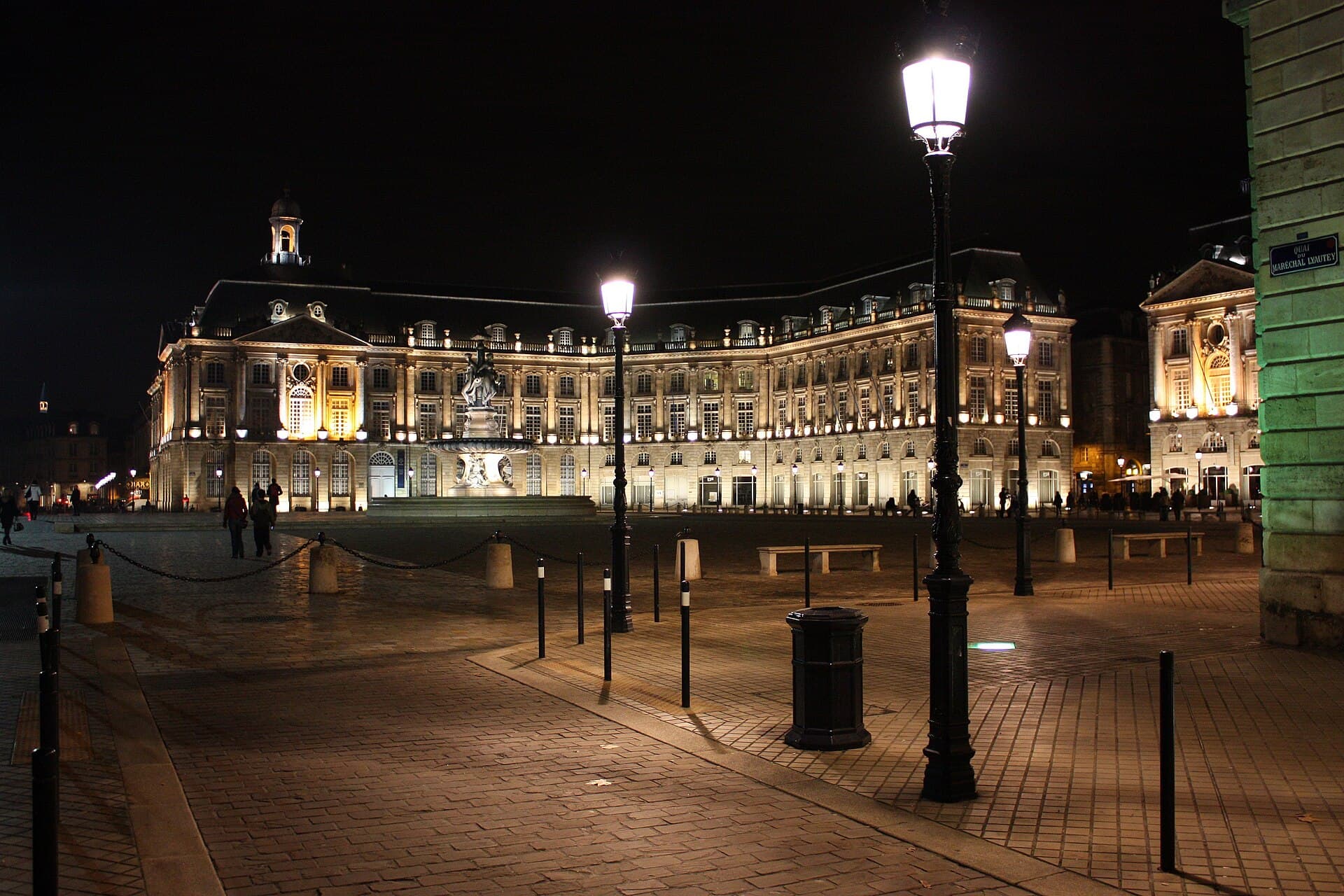 National Customs MuseumA small, unexpected museum at the grandest address in Bordeaux: inside the **Pla1 minute walk4.5
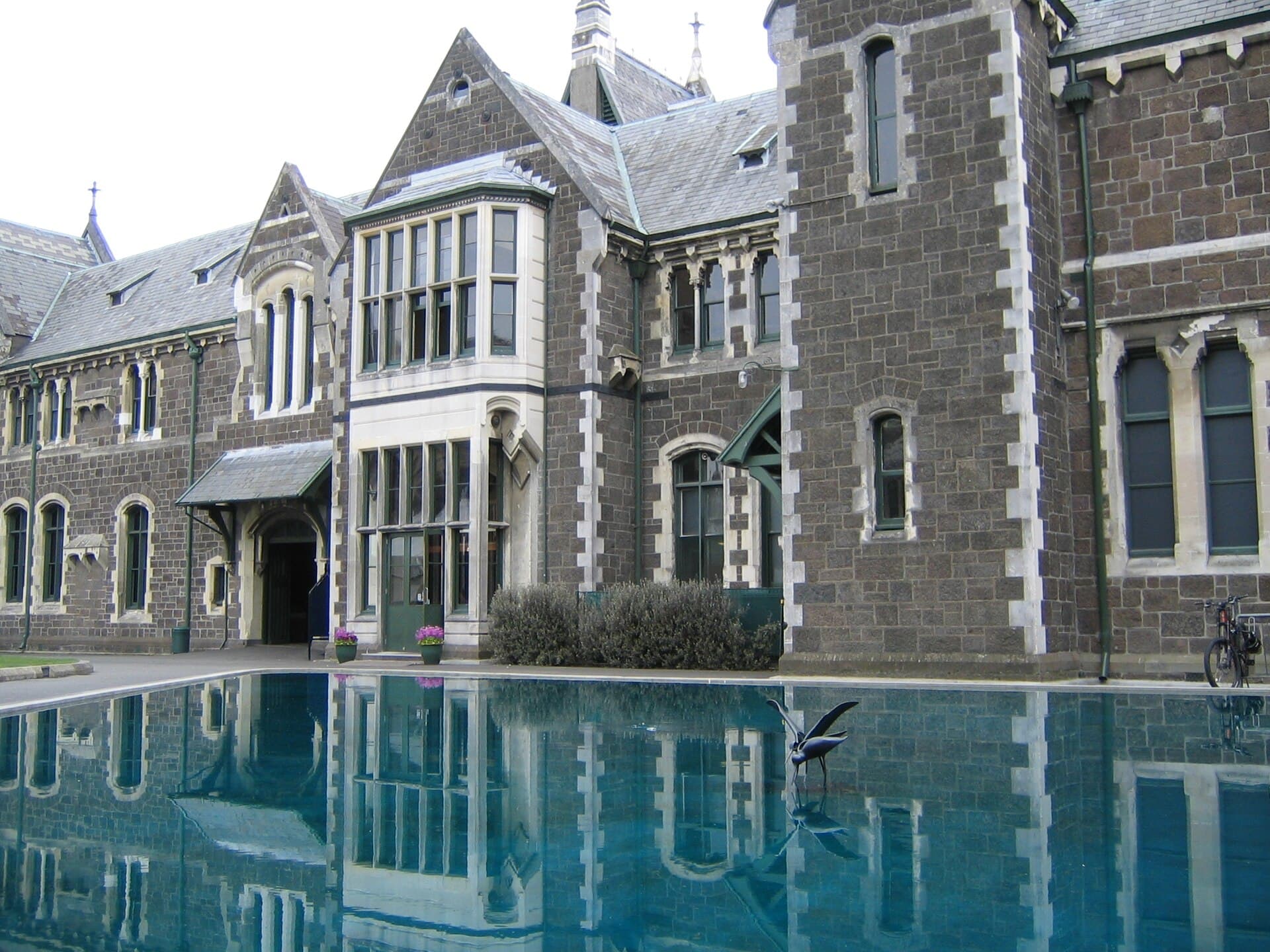 Miroir d'eau (Water Mirror)The most famous image to come out of Bordeaux, and in reality just a **slab of g1 minute walk4.6
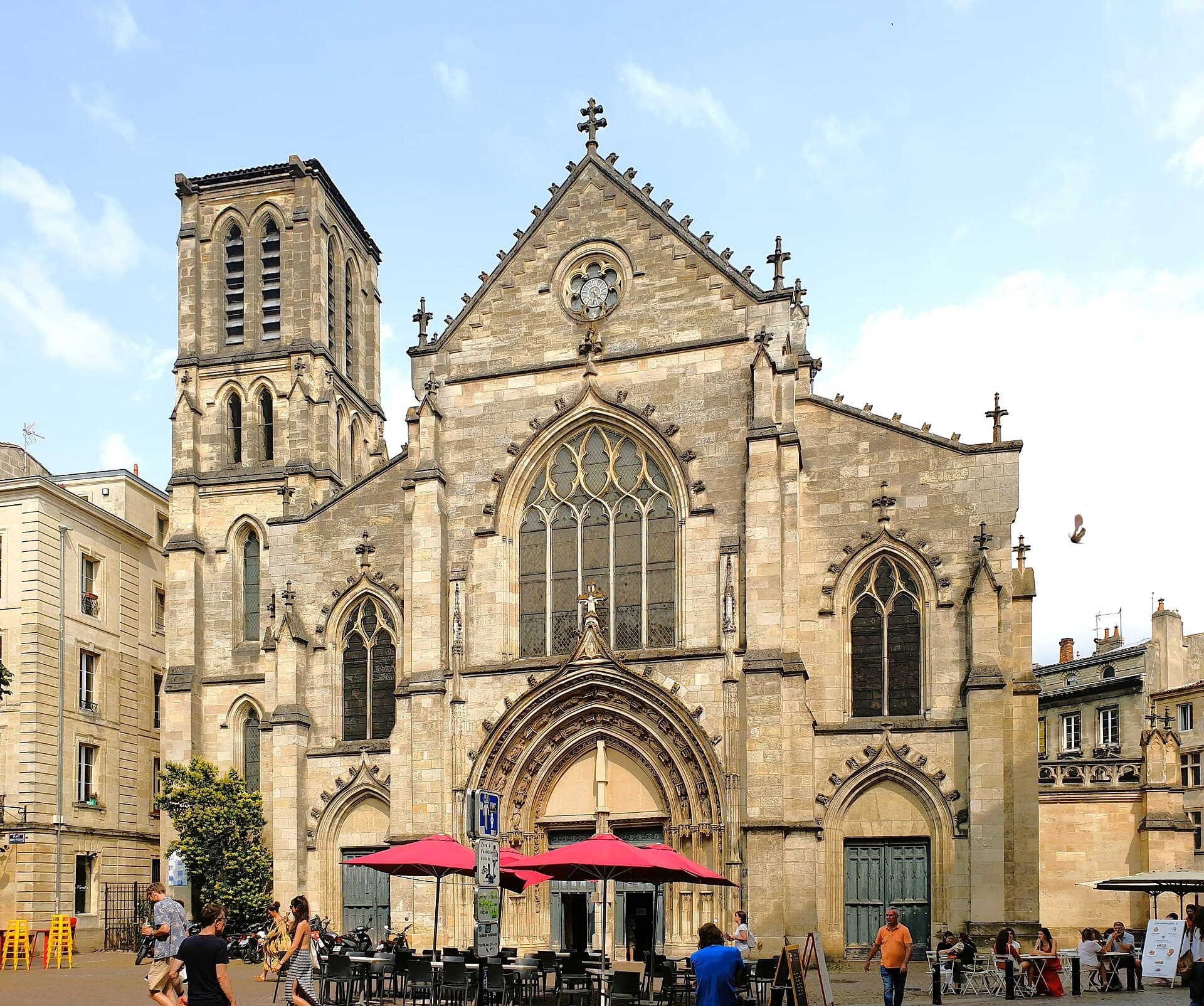 Saint Peter's Church and its SquareA Gothic church and the square carrying its name in the heart of historic Bordea2 minutes walk4.7
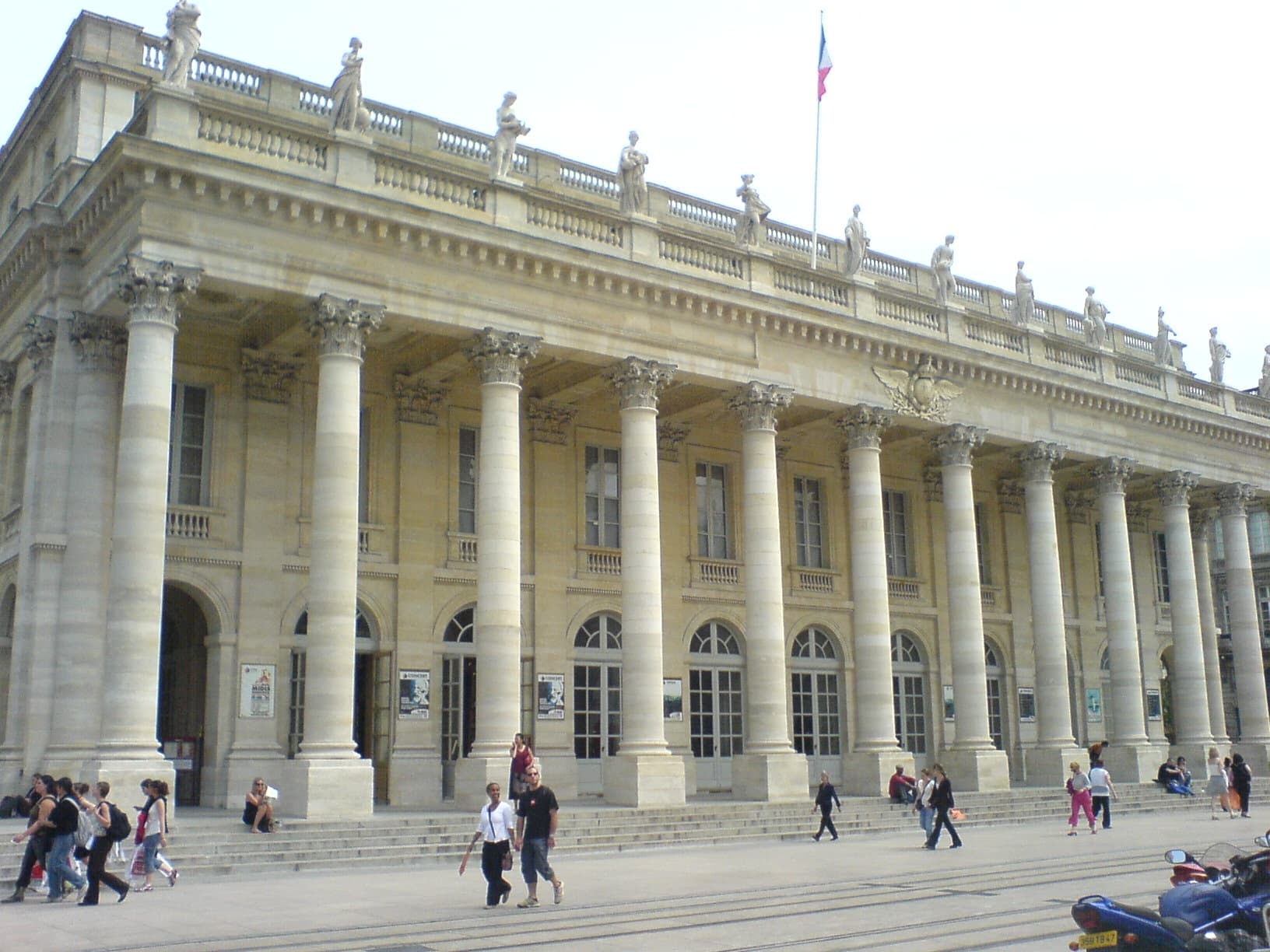 Grand ThéâtreThe finest building in Bordeaux and the one that most defines it. The **Grand Th4 minutes walk4.5
In the warmer months, normally spring to early autumn, drained in winter and sometimes for maintenance. It works in cycles: filling, draining, then a rise of mist, repeating every few minutes. If you arrive and find it empty, wait a little before concluding it is off.
The whole riverfront is UNESCO-listed and walkable for kilometres, with the Saint-André cathedral and its detached tower, the Cité du Vin wine museum, and the Chartrons district with its antique shops. The city is flat and well covered by trams.