
Smuggling tricks
Hidden cavities in carriages, books and shoes across the centuries.
JPI — CC BY-SA 3.0 · Langladure — CC BY-SA 3.0 · Als33120 — CC BY-SA 4.0 · Als33120 — CC BY-SA 4.0
A small, unexpected museum at the grandest address in Bordeaux: inside the **Place de la Bourse** itself, in the old customs house looking onto the Garonne and the water mirror. It is the only national museum devoted to the **history of the French customs service**, and its subject is far more entertaining than the name suggests. The history of customs is necessarily the history of **smuggling**, and the museum shows both sides: smugglers' tools and tricks across the centuries — hidden cavities in carriages, books and shoes, ways of concealing tobacco, salt and gold — and against them the detection equipment, the officers' uniforms, weapons and paperwork. A section covers **counterfeiting**, and trafficking in cultural property and wildlife today, bringing it closer to the present than you would expect. Its best-known piece is a painting by **Claude Monet**, made in 1872, of a customs hut on the Normandy coast — a genuine surprise in a museum this size. The location alone justifies going in: you step out of the door straight onto the Place de la Bourse and the water mirror.
Hidden cavities in carriages, books and shoes across the centuries.
A customs hut on the Normandy coast, 1872.
Inside the Place de la Bourse; you step out to the water mirror.
1 Place de la Bourse, 33000 Bordeaux
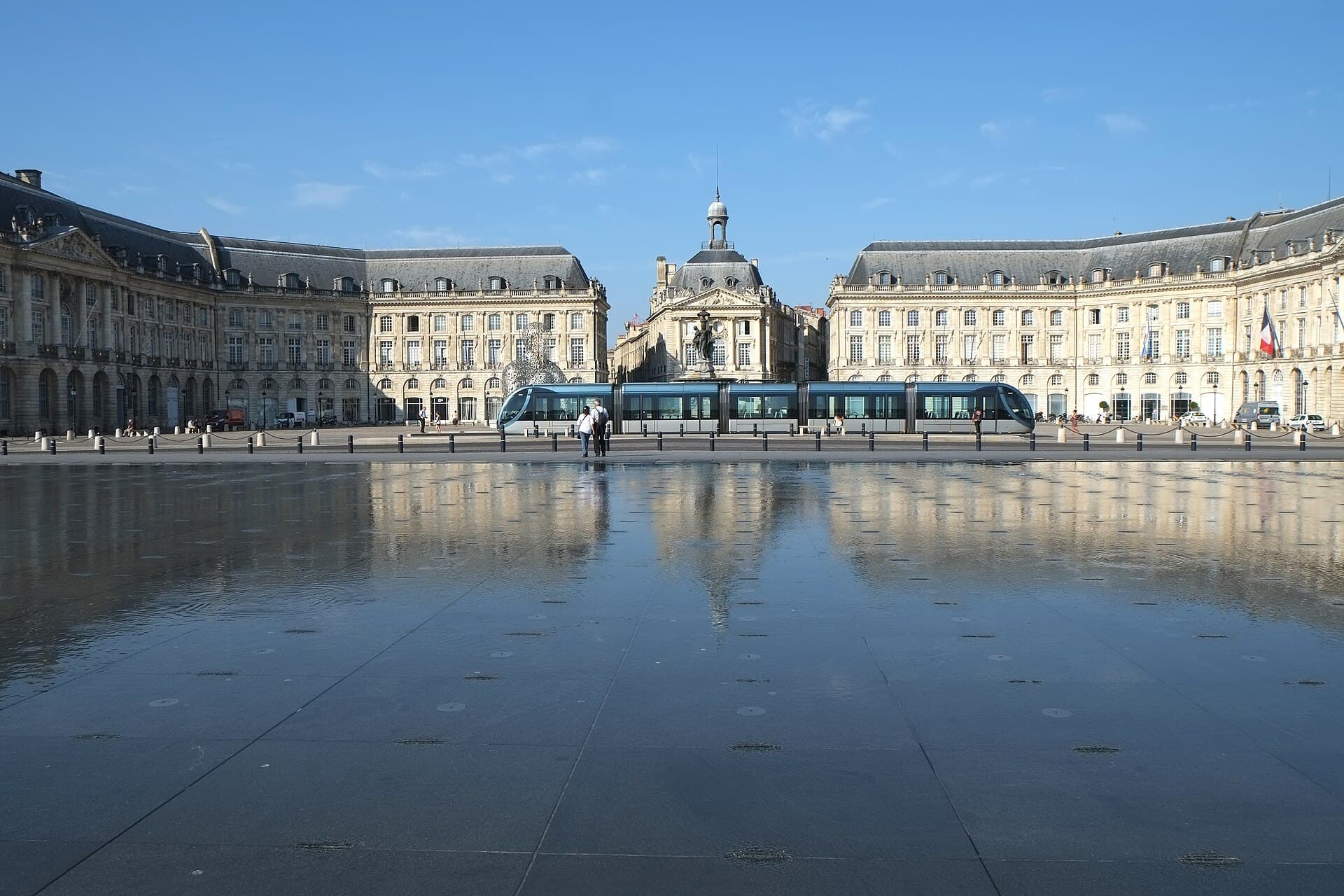 Place de la Bourse & Water MirrorThe Place de la Bourse is Bordeaux's royal face: a half-circle of symmetrical ei1 minute walk4.6
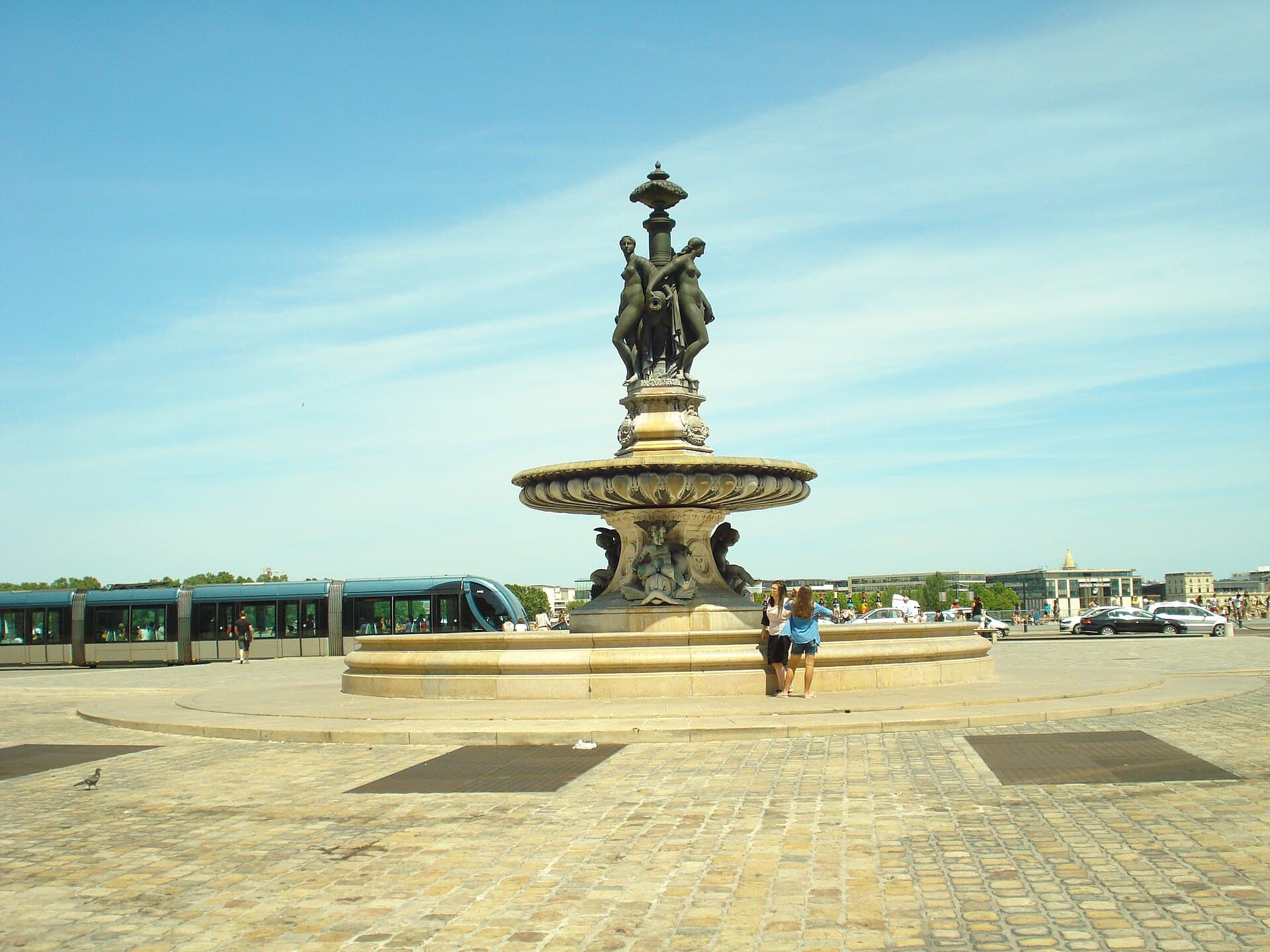 Fontaine des Trois GrâcesA marble fountain at the centre of the Place de la Bourse in Bordeaux, the focal1 minute walk4.7
 Miroir d'eau (Water Mirror)The most famous image to come out of Bordeaux, and in reality just a **slab of g1 minute walk4.6
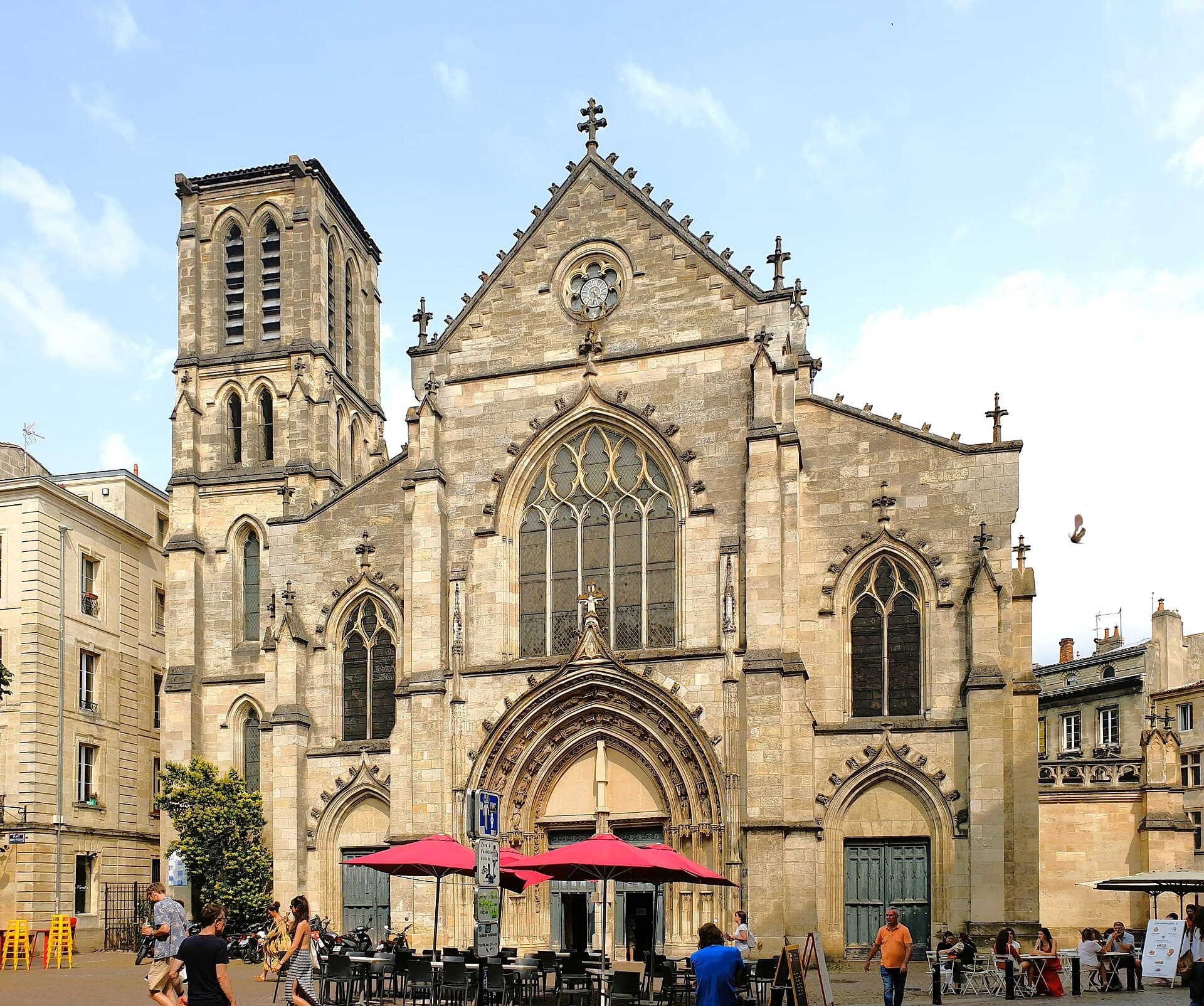 Saint Peter's Church and its SquareA Gothic church and the square carrying its name in the heart of historic Bordea2 minutes walk4.7
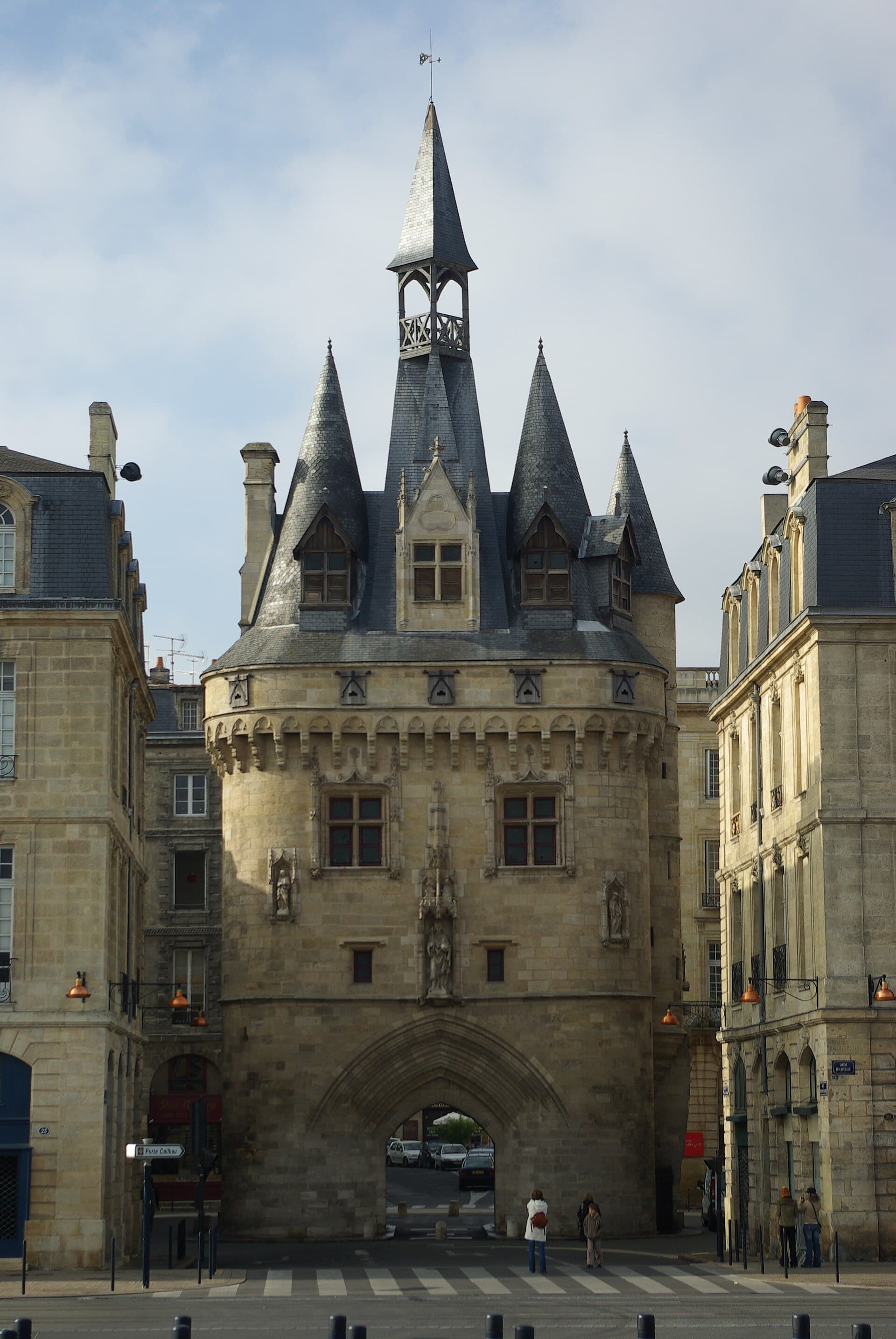 Porte CailhauThe Porte Cailhau is Bordeaux's loveliest old gate: a white tower of 1495 with p3 minutes walk4.5
Far more interesting than the name suggests, and that is its surprise. The history of customs is necessarily the **history of smuggling**, and the displays are essentially a collection of ingenious human tricks: cavities in shoe heels, book covers and carriage frames, and ways of hiding salt, tobacco and gold from the state. Older children find it gripping for exactly that reason. Add the Monet and its position inside the Place de la Bourse, and it is an hour at a low price.
It is the easiest museum in Bordeaux to combine, being **inside the Place de la Bourse** on the riverfront. The natural route: start at the **water mirror** early for the reflection and the photographs, give the museum an hour, then walk south along the quay to the **Pont de Pierre** and cross to the right bank to look back at the city, returning through the **Porte Cailhau** and the **Grosse Cloche**. That is a full half-day on foot for the price of one ticket.