
A square on a harbour bed
The Roman basin was filled and the church built over it.
Chris06 — CC BY-SA 4.0 · Ardfern — CC BY-SA 3.0 · Ardfern — CC BY-SA 3.0 · Jean-Auguste Brutails — Public domain
A Gothic church and the square carrying its name in the heart of historic Bordeaux, the centre of the quarter around which the city grew. The site is the origin: this was Bordeaux's Roman port — an inner basin connected to the Garonne, filled in during the Middle Ages, with the church built over it. That is, the square today stands literally on the bed of an ancient harbour. The present church is of the fourteenth and fifteenth centuries with a facade rebuilt in the nineteenth in the neo-Gothic manner. The small square around it is among the liveliest places in Bordeaux: cafés with outdoor tables and narrow lanes branching off, and it is the heart of the pedestrian zone that makes central Bordeaux one of the largest car-free areas in Europe. A working place of worship with normally free entry, and the square is always open.
The Roman basin was filled and the church built over it.
Rebuilt in the neo-Gothic manner.
Central Bordeaux is among Europe's largest car-free areas.
Place Saint-Pierre, historic central Bordeaux
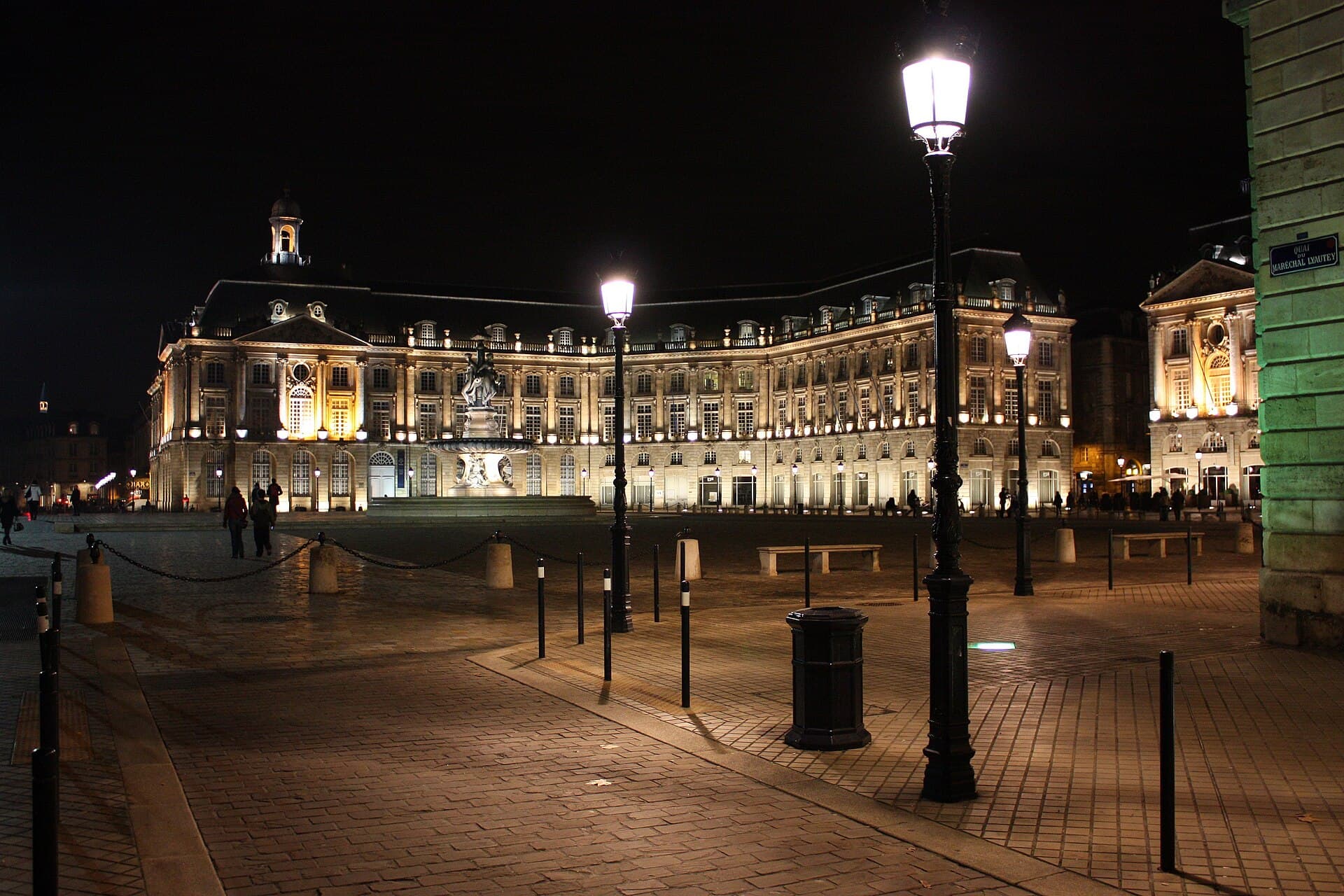 National Customs MuseumA small, unexpected museum at the grandest address in Bordeaux: inside the **Pla2 minutes walk4.5
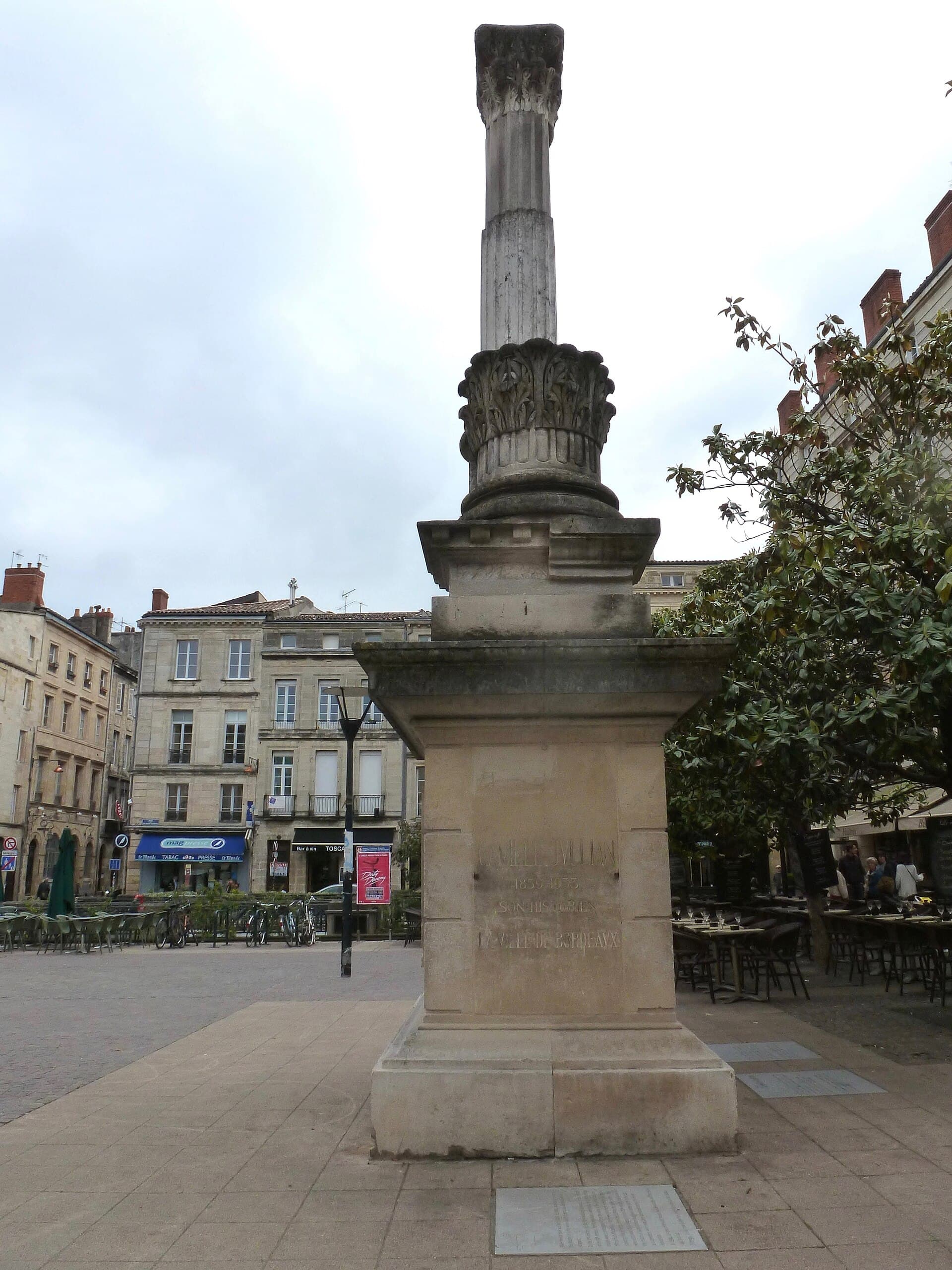 Place Camille-JullianA square in the Saint-Pierre quarter of historic central Bordeaux, ringed by caf2 minutes walk4.3
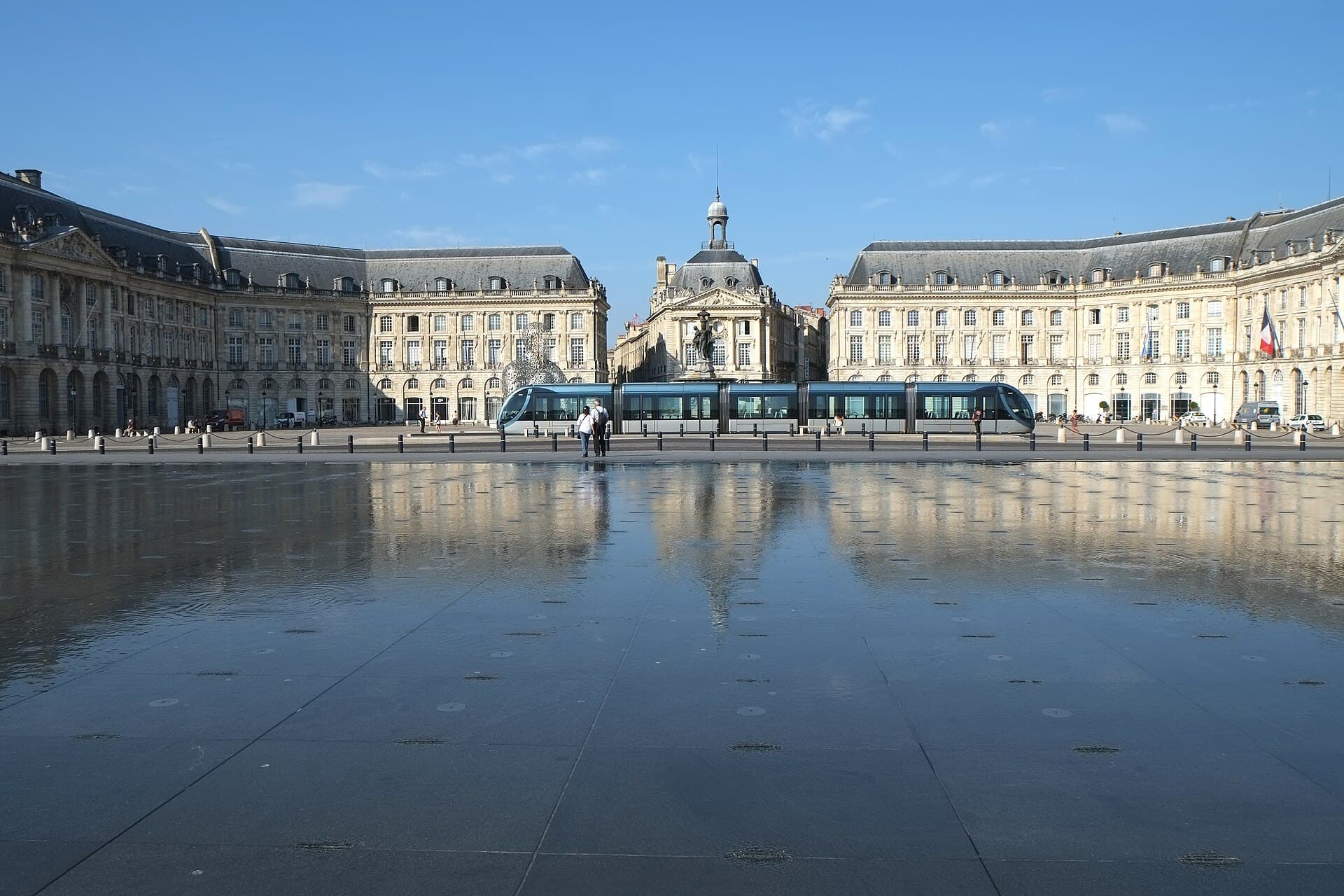 Place de la Bourse & Water MirrorThe Place de la Bourse is Bordeaux's royal face: a half-circle of symmetrical ei2 minutes walk4.6
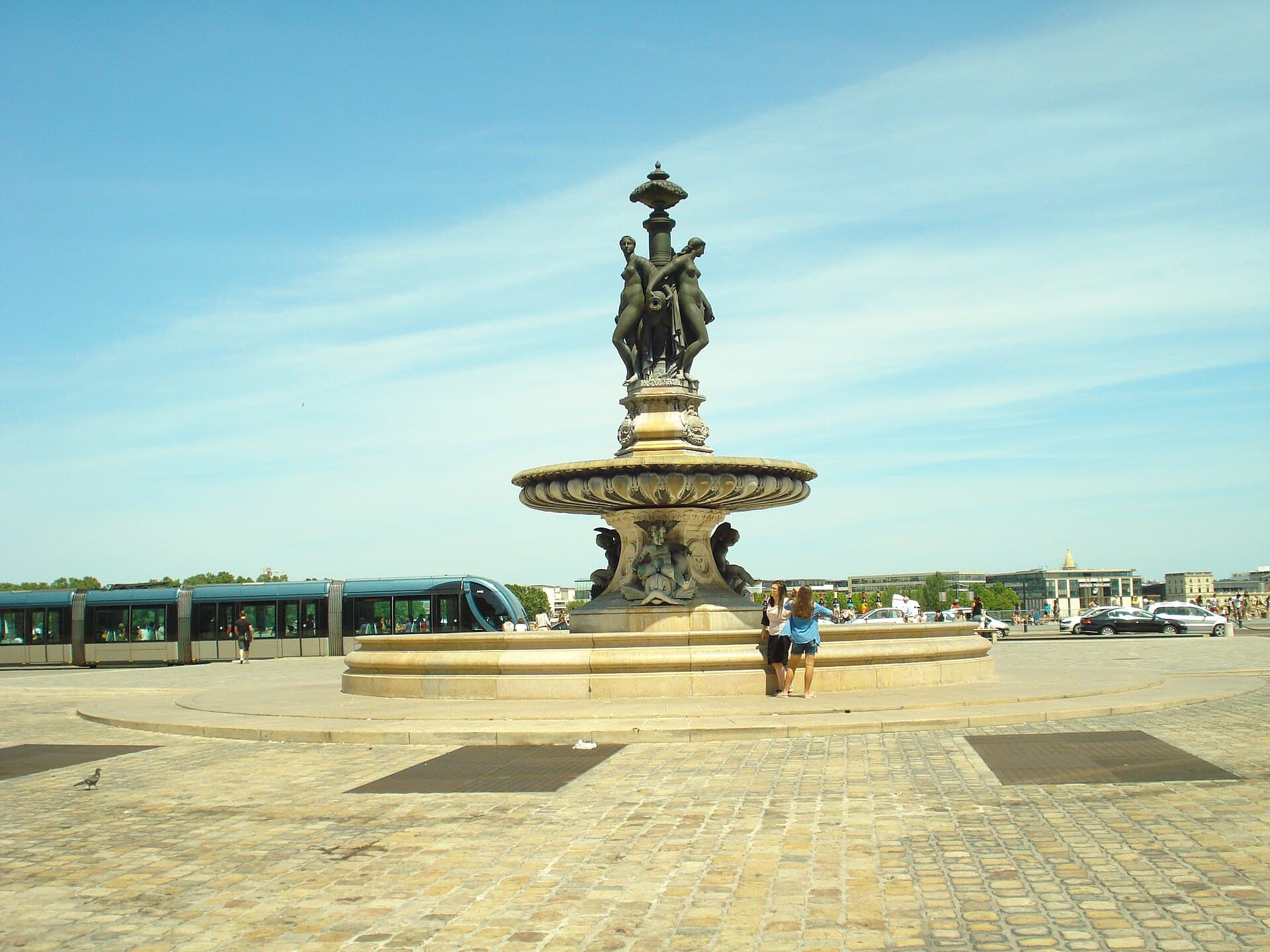 Fontaine des Trois GrâcesA marble fountain at the centre of the Place de la Bourse in Bordeaux, the focal2 minutes walk4.7
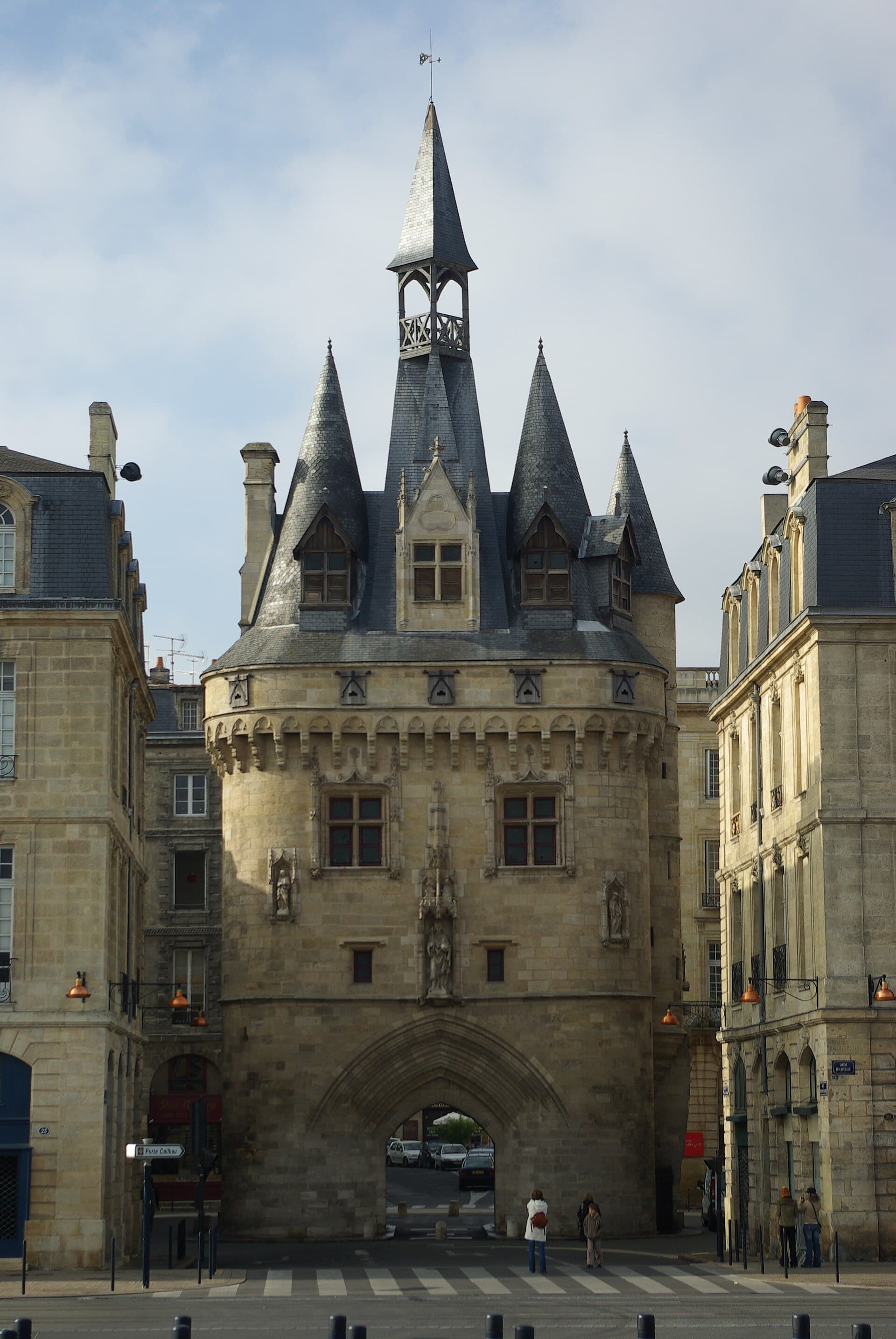 Porte CailhauThe Porte Cailhau is Bordeaux's loveliest old gate: a white tower of 1495 with p3 minutes walk4.5
Because from the late 1990s the city carried out a radical transformation: the historic centre was closed to cars, the yellow stone facades cleaned after two centuries of soot, the riverfront that had been car parks and warehouses revived, and a tram built with ground-level power supply and no overhead wires to preserve the setting. The result was the city's inscription on the World Heritage list in 2007, as one of the largest urban sites listed.
The Miroir d'Eau on the riverfront, the largest reflecting pool in the world and the city's best-known image. The eighteenth-century Place de la Bourse behind it. La Cité du Vin, the wine museum, with its distinctive building. Saint-André cathedral and its detached tower. And the city is an ideal base for the Bordeaux vineyards — Saint-Émilion is also World Heritage listed.