Thirteen obelisks
Rome holds more standing than remain in Egypt itself.
Krzysztof Golik — CC BY-SA 4.0 · Krzysztof Golik — CC BY-SA 4.0 · Krzysztof Golik — CC BY-SA 4.0 · Krzysztof Golik — CC BY-SA 4.0
A fountain in the middle of the square before the Pantheon, designed in 1575 and carrying above it an Egyptian obelisk added in 1711. The obelisk itself is the striking thing: carved in Egypt under Ramesses II, then brought by the Romans to the temple of Isis in Rome, then buried for centuries, rediscovered and raised here in the eighteenth century. Rome holds thirteen ancient Egyptian obelisks — more than any city in the world, and more than remain standing in Egypt itself. They were carried off as spoils after the annexation of Egypt in 30 BC, and re-erected in the papal period as urban markers after lying fallen and broken. The original fountain is by Giacomo della Porta, with stone figures spouting water added in the eighteenth century. The square is very crowded by day; the best time to see it is at dawn or at night.
Rome holds more standing than remain in Egypt itself.
The Romans brought it to an Egyptian temple in their own city.
It fell, was forgotten, and was rediscovered in the eighteenth century.
Piazza della Rotonda, before the Pantheon
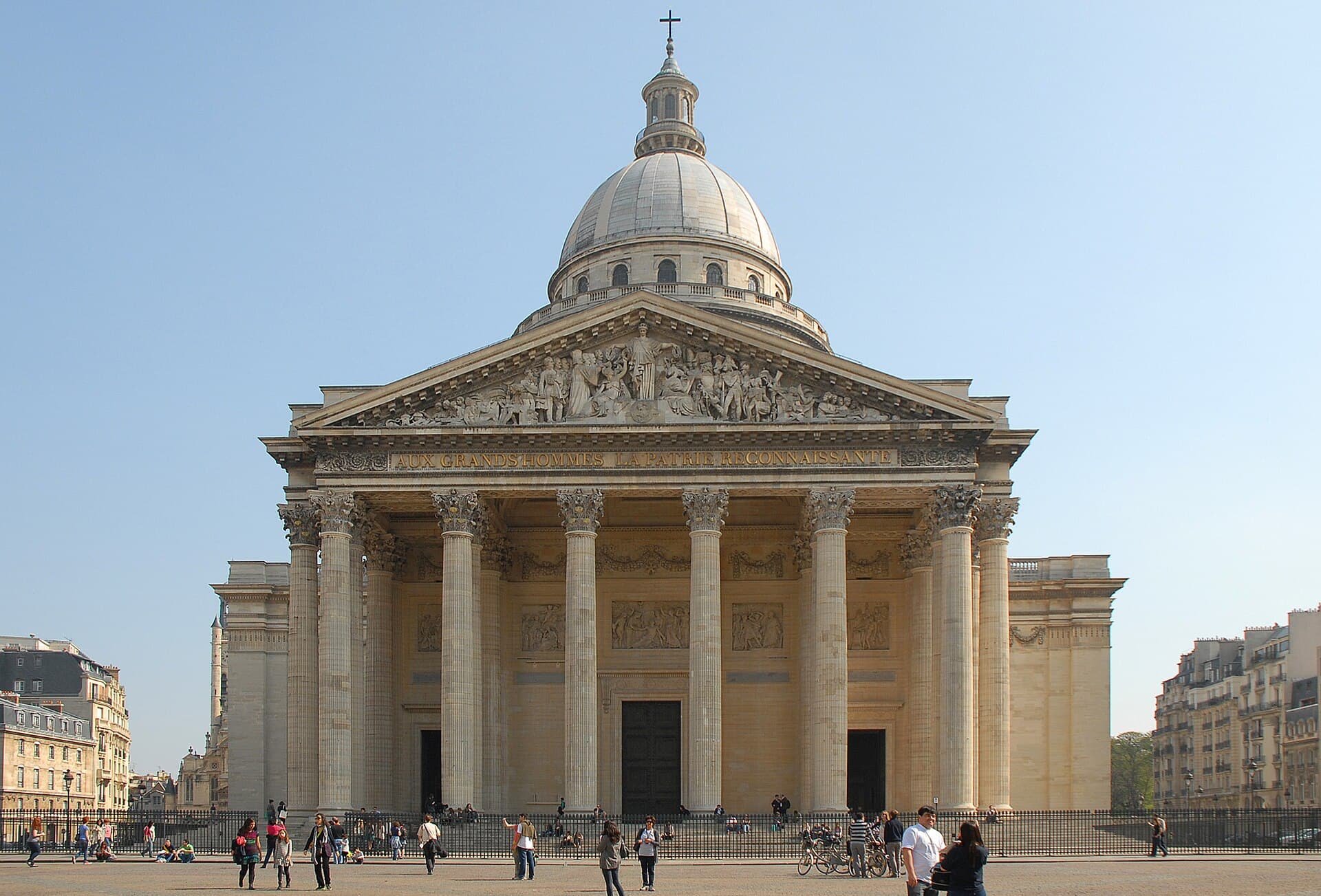 PantheonThe most complete Roman building we have, and the world's largest unreinforced c1 minute walk4.9
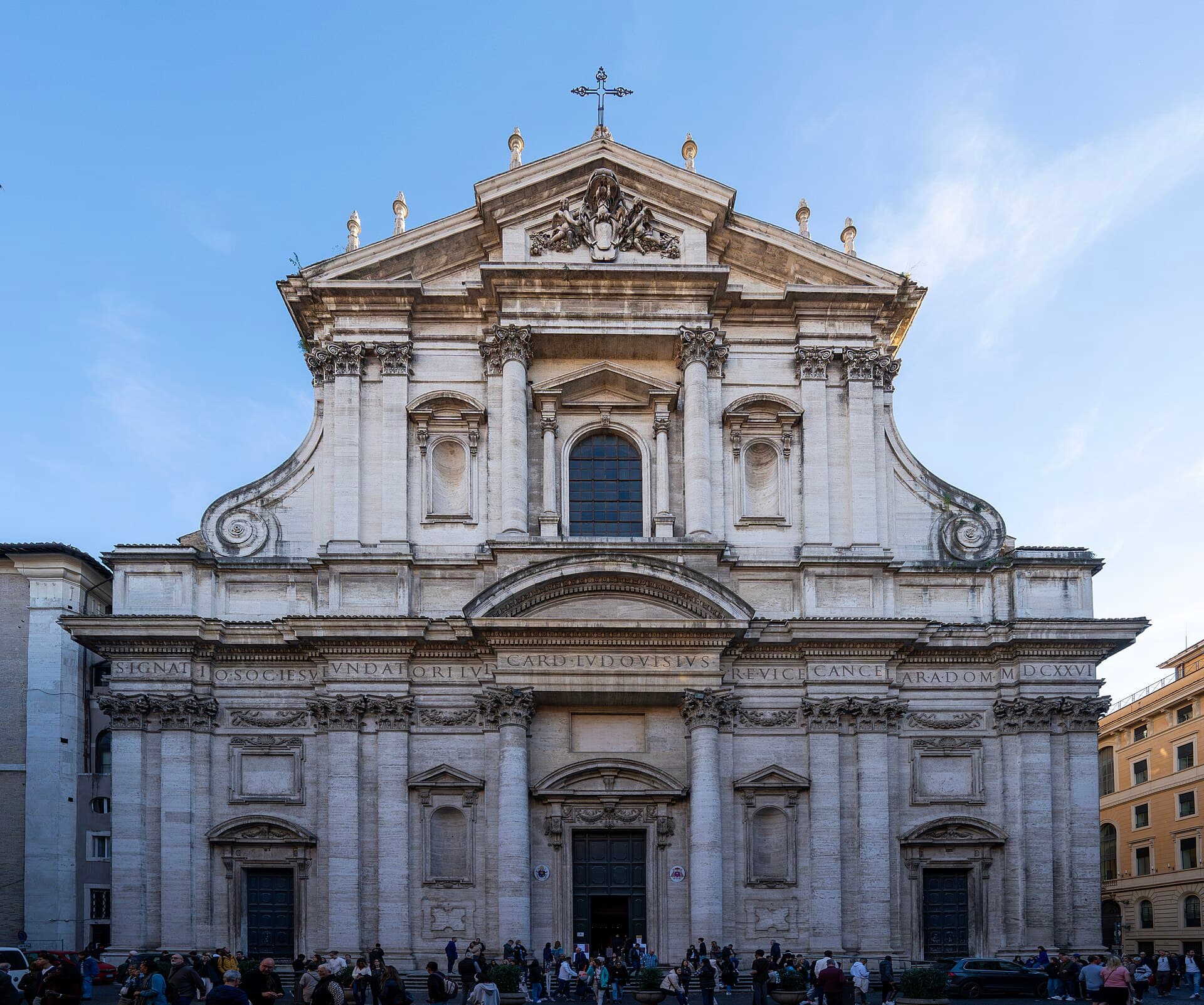 Sant'Ignazio ChurchRome's greatest optical trick, and free: Sant'Ignazio ran out of money for its d3 minutes walk4.7
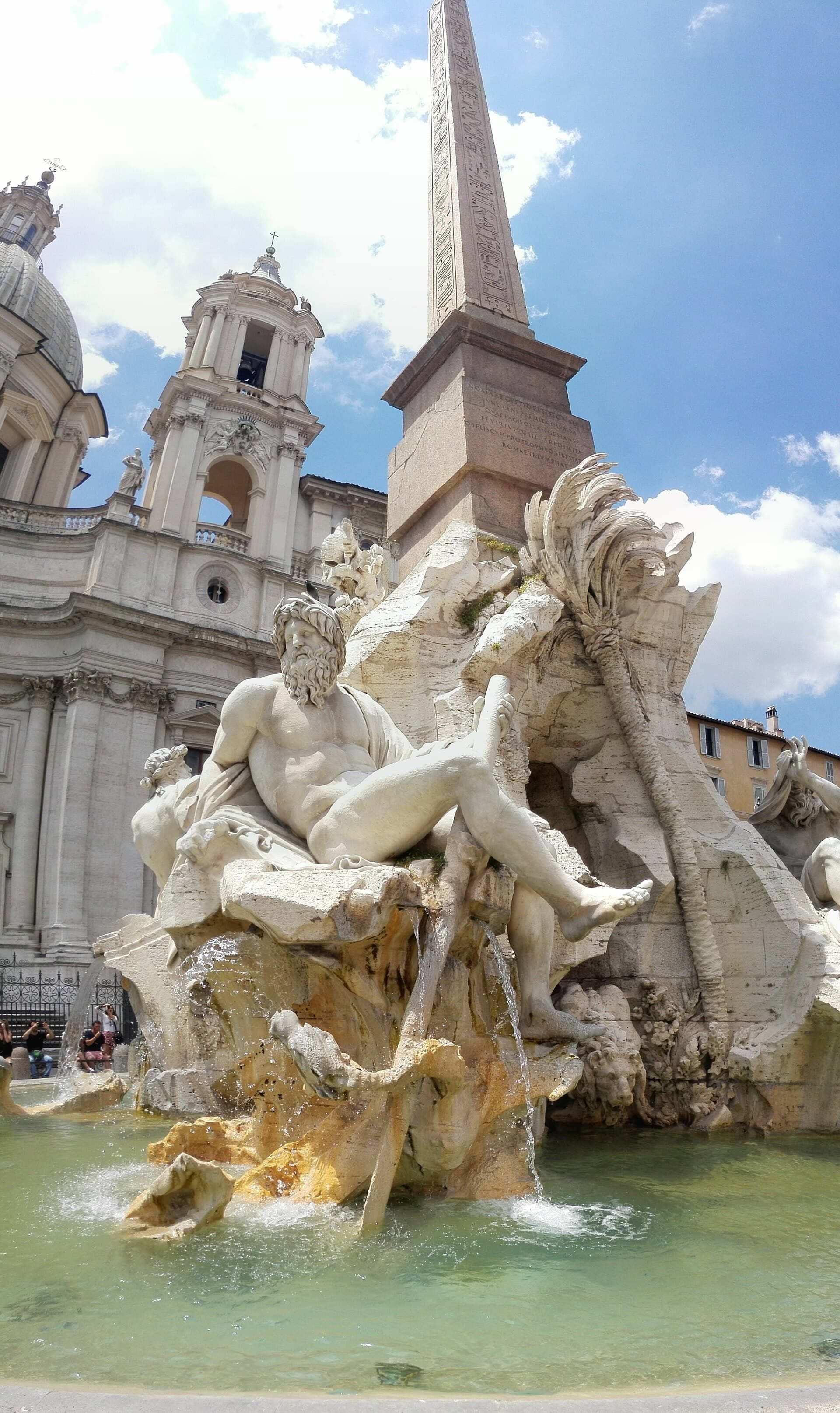 Piazza NavonaThe square's shape tells its story: a long rectangle with two curved ends, becau4 minutes walk4.8
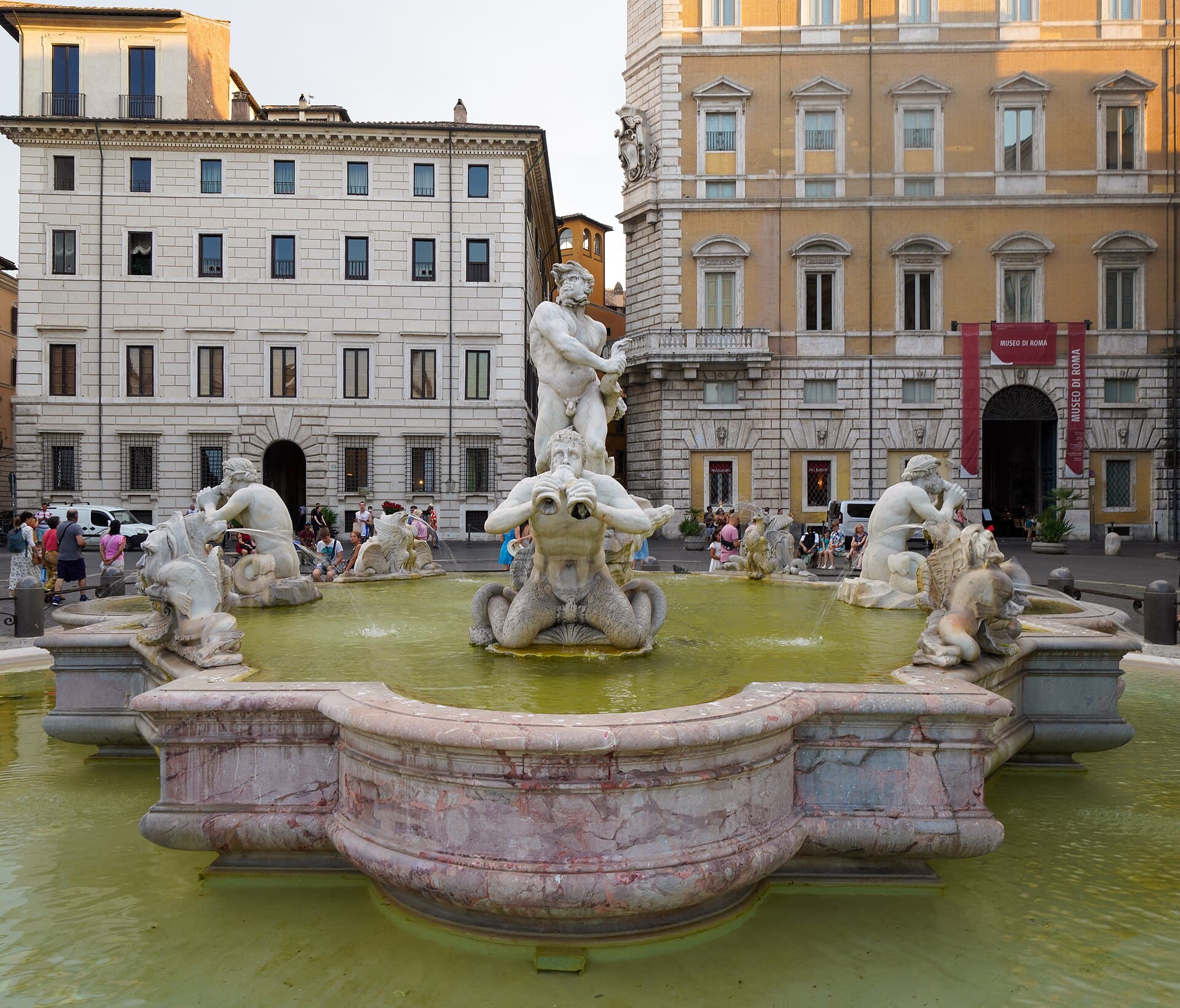 Fontana del MoroThree fountains punctuate Piazza Navona, and the most famous stands at its centr4 minutes walk4.9
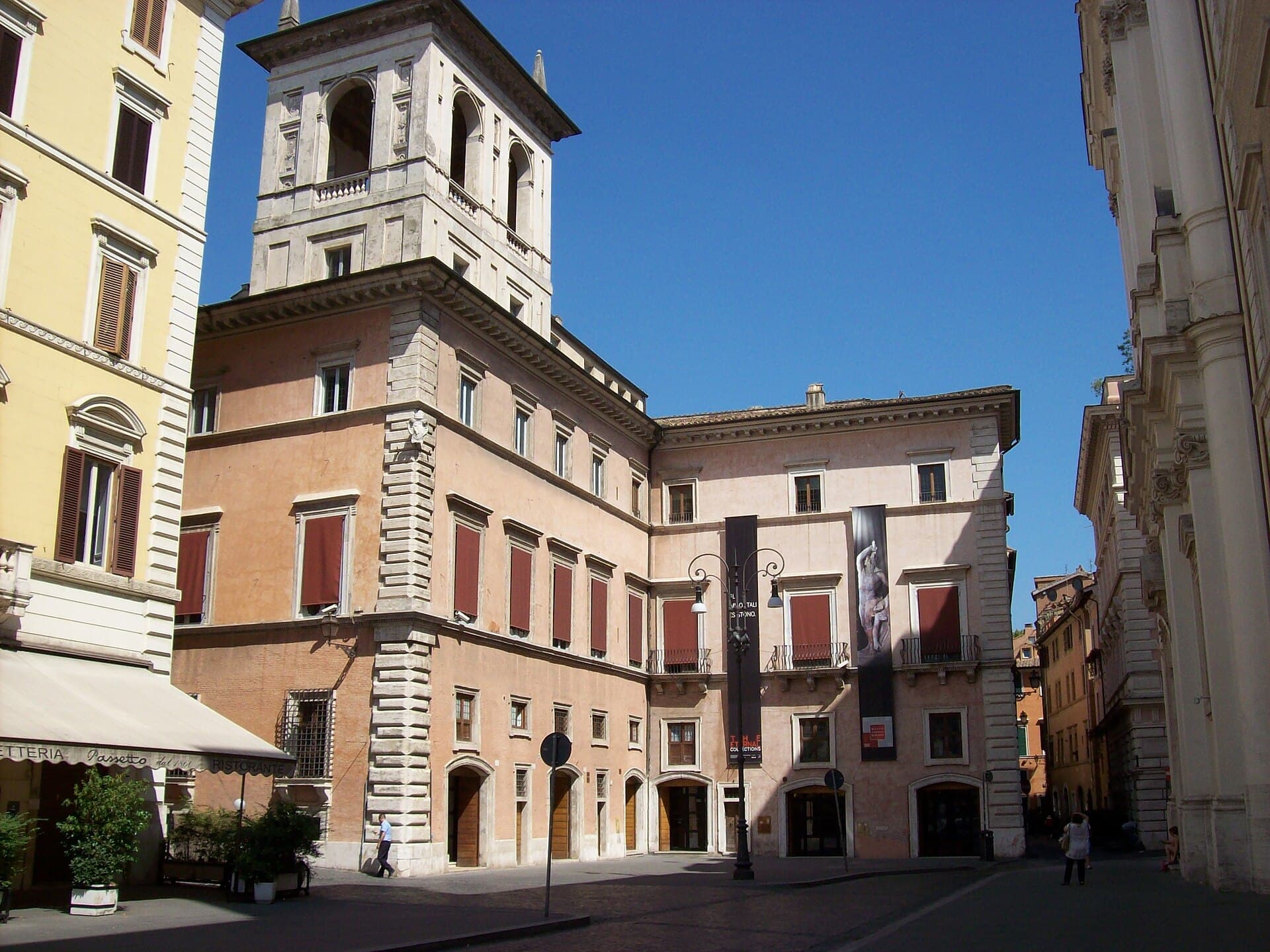 Palazzo AltempsIn one of the upstairs rooms the god of war sits naked and at ease, his sword se5 minutes walk4.7
Looking for halal food near The Fountain of the Pantheon? There are several options nearby, from Moroccan and Indian kitchens to quick casual spots and places with a view. Confirm the halal status and opening hours before you go — these can change.
Because after annexing Egypt in 30 BC the Romans carried obelisks off as spoils and symbols of victory, and the transport itself was a display of engineering capacity — special ships were built to move blocks weighing hundreds of tonnes. They were raised in squares, circuses and temples. Most fell in the Middle Ages and were buried, and the popes of the sixteenth and seventeenth centuries raised them again and set crosses on top. In Egypt few obelisks remain standing on their original sites.
Yes, since July 2023 entry carries a charge, after being free for centuries. There are exemptions: Rome residents, those under eighteen, and entry for mass. Booking online in advance avoids the queue and is advisable in season. The building itself is among the most complete surviving Roman architecture, and its concrete dome is still the largest unreinforced dome in the world two thousand years on.