
A fortress in a European quarter
The remains stand among the EU Court of Justice and glass towers.
Alf van Beem — CC0 · GilPe — CC BY-SA 3.0 · Diego Delso — CC BY-SA 4.0 · Diego Delso — CC BY-SA 4.0
The remains of a fort from Luxembourg's fortification system on the Kirchberg plateau, one of the outer forts that protected the city from the north-east. Its setting today is the paradox. Kirchberg has become the European institutions quarter: the Court of Justice of the European Union, the European Investment Bank and the secretariat of the European Parliament are all here, among glass towers and contemporary museums. The fort's remains stand between those buildings. That juxtaposition is not accidental but sums up Luxembourg: a country that was a fortress contested between France and Germany for centuries, and then became one of the seats of the European project founded precisely to prevent those wars recurring. The fort itself is remains rather than a complete building: walls, foundations and parts of the ditches, embedded in a modern urban landscape. Practical points: the remains are in open public space and free. There are no facilities and no detailed interpretation on site. Access is by tram from the centre. Make it part of a Kirchberg visit to Mudam or the Philharmonie rather than a destination of its own.
The remains stand among the EU Court of Justice and glass towers.
Land contested by France and Germany became a seat of the European project.
Walls, foundations and ditches embedded in a modern cityscape.
Kirchberg plateau, Luxembourg City
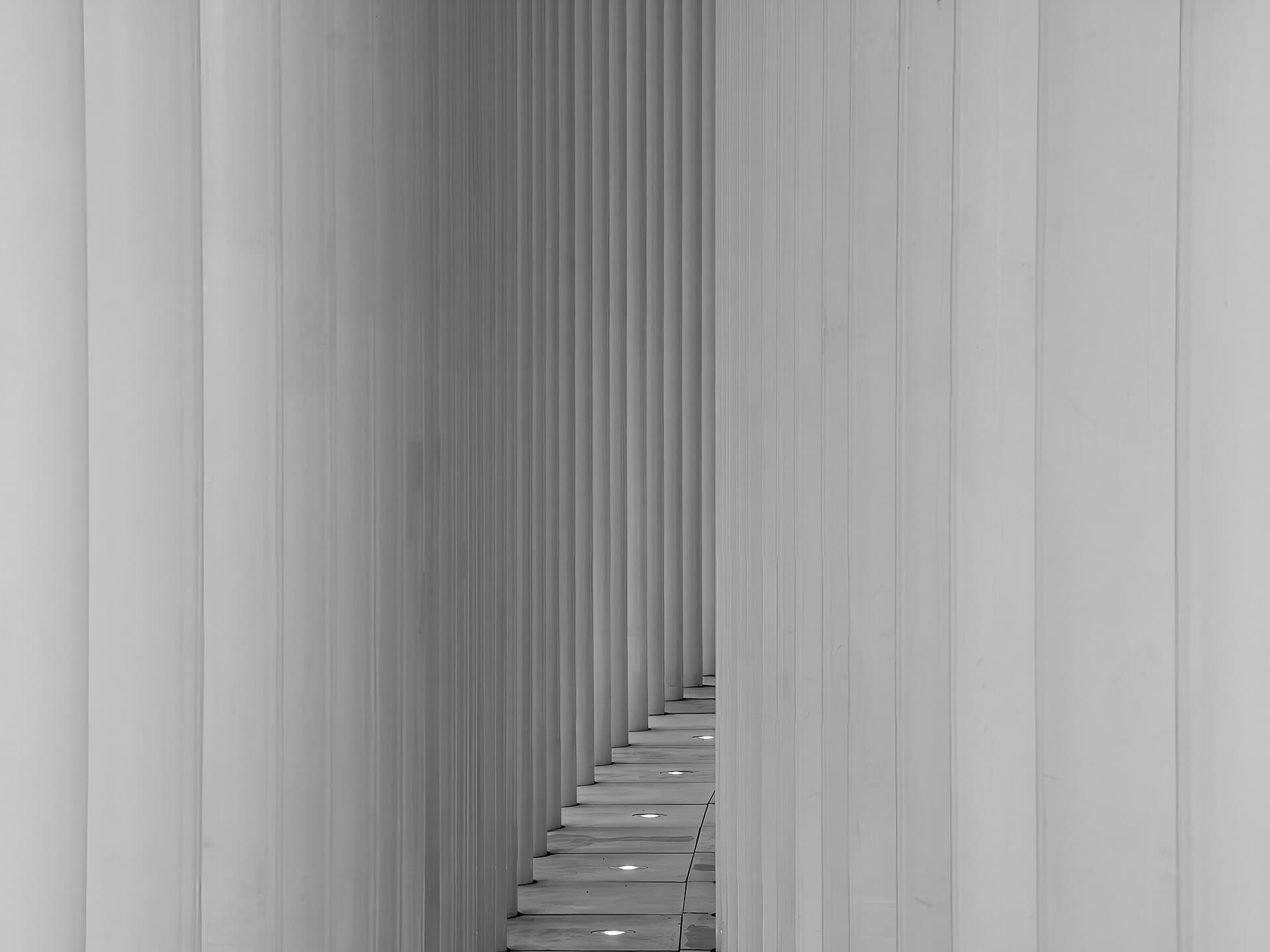 The PhilharmonieThe Philharmonie on the Kirchberg plateau is among Luxembourg's most distinctive4 minutes walk4.7
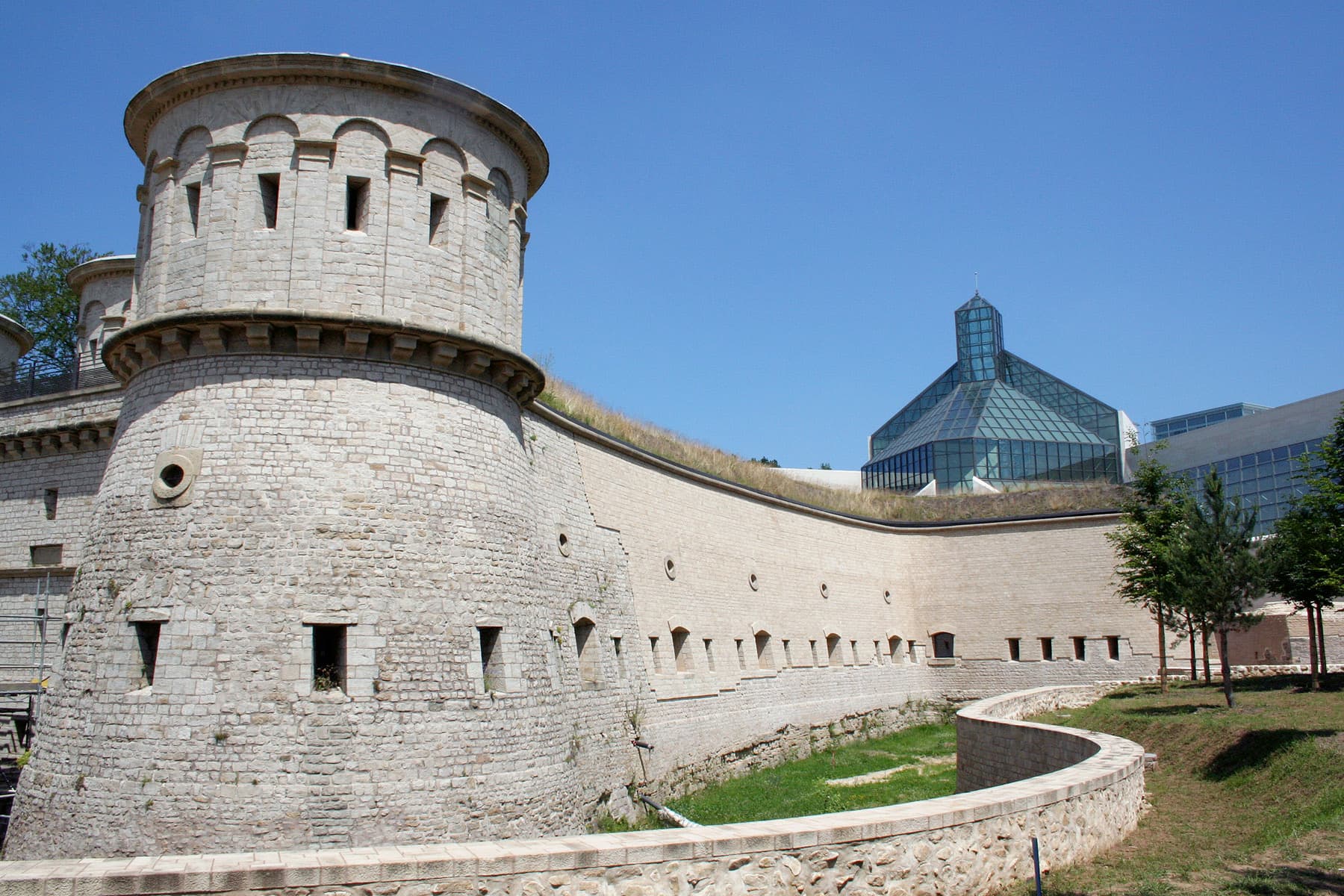 Mudam, the Museum of Modern ArtMudam is Luxembourg's major museum of contemporary art, opened in 2006 on the Ki6 minutes walk4.3
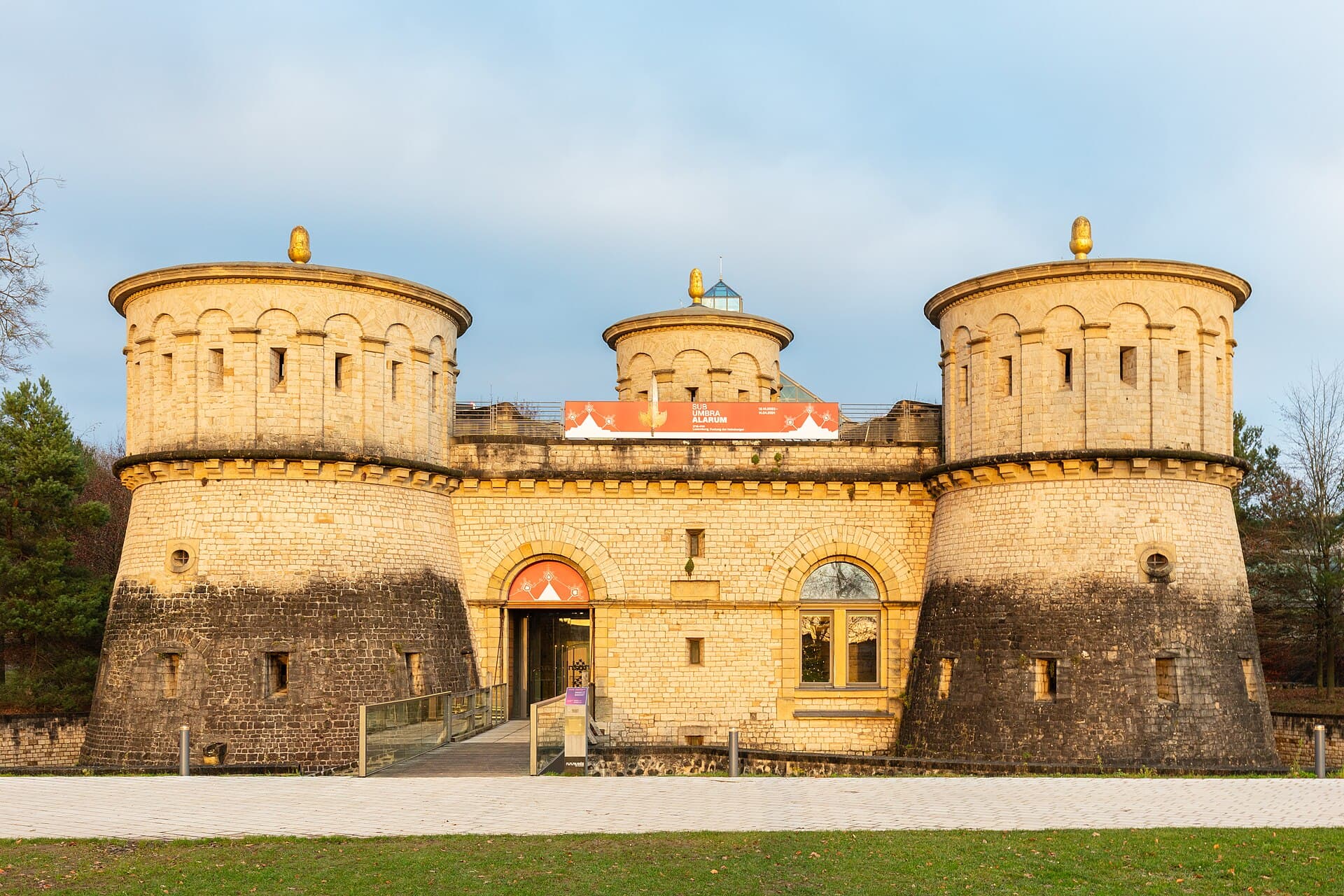 Fort Thüngen and the Dräi Eechelen MuseumFort Thüngen stands on the edge of the Kirchberg plateau, and is known locally a7 minutes walk4.6
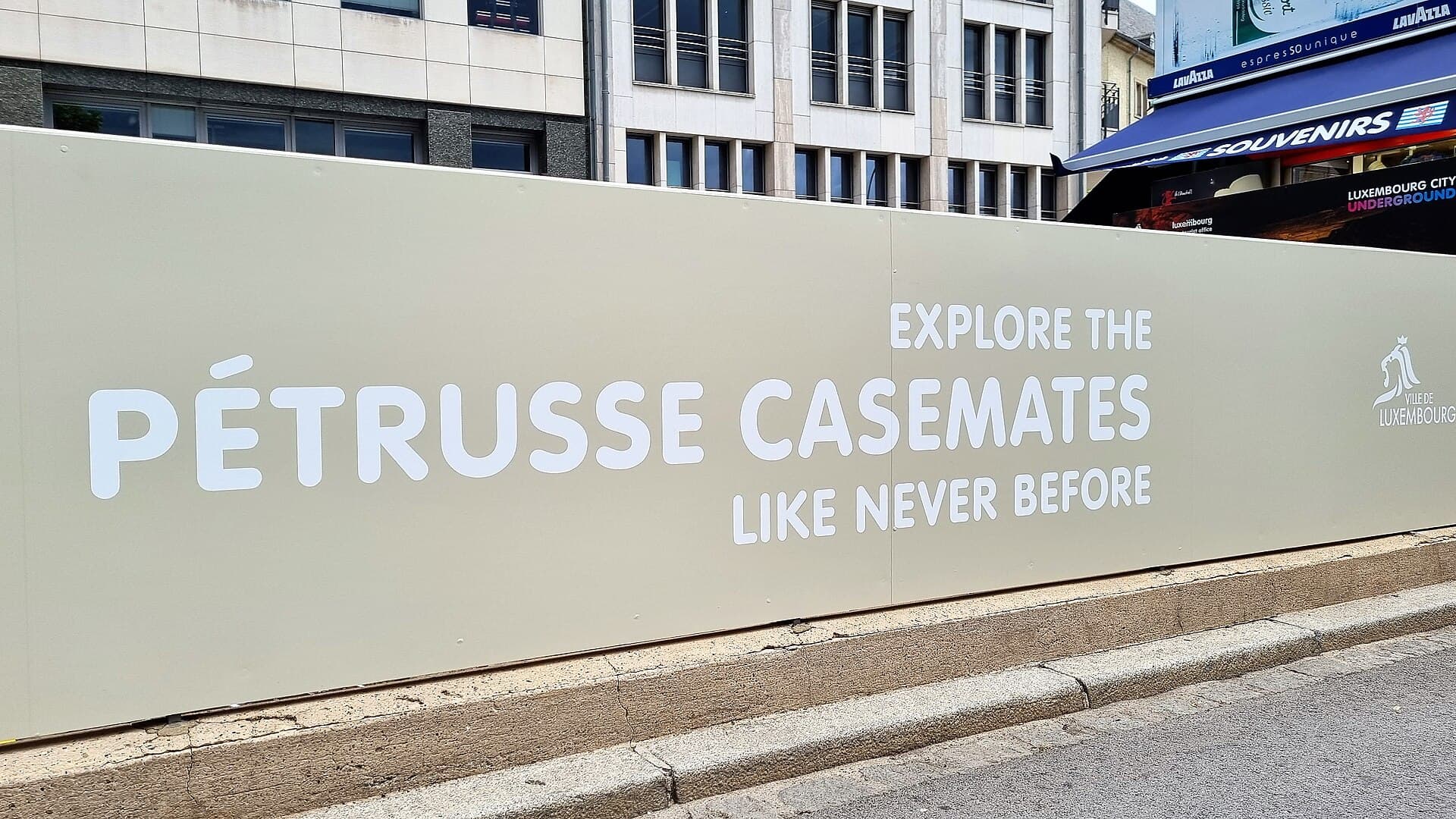 The Pétrusse CasematesThe Pétrusse Casemates are the second network of military tunnels beneath Luxemb13 minutes walk4.7
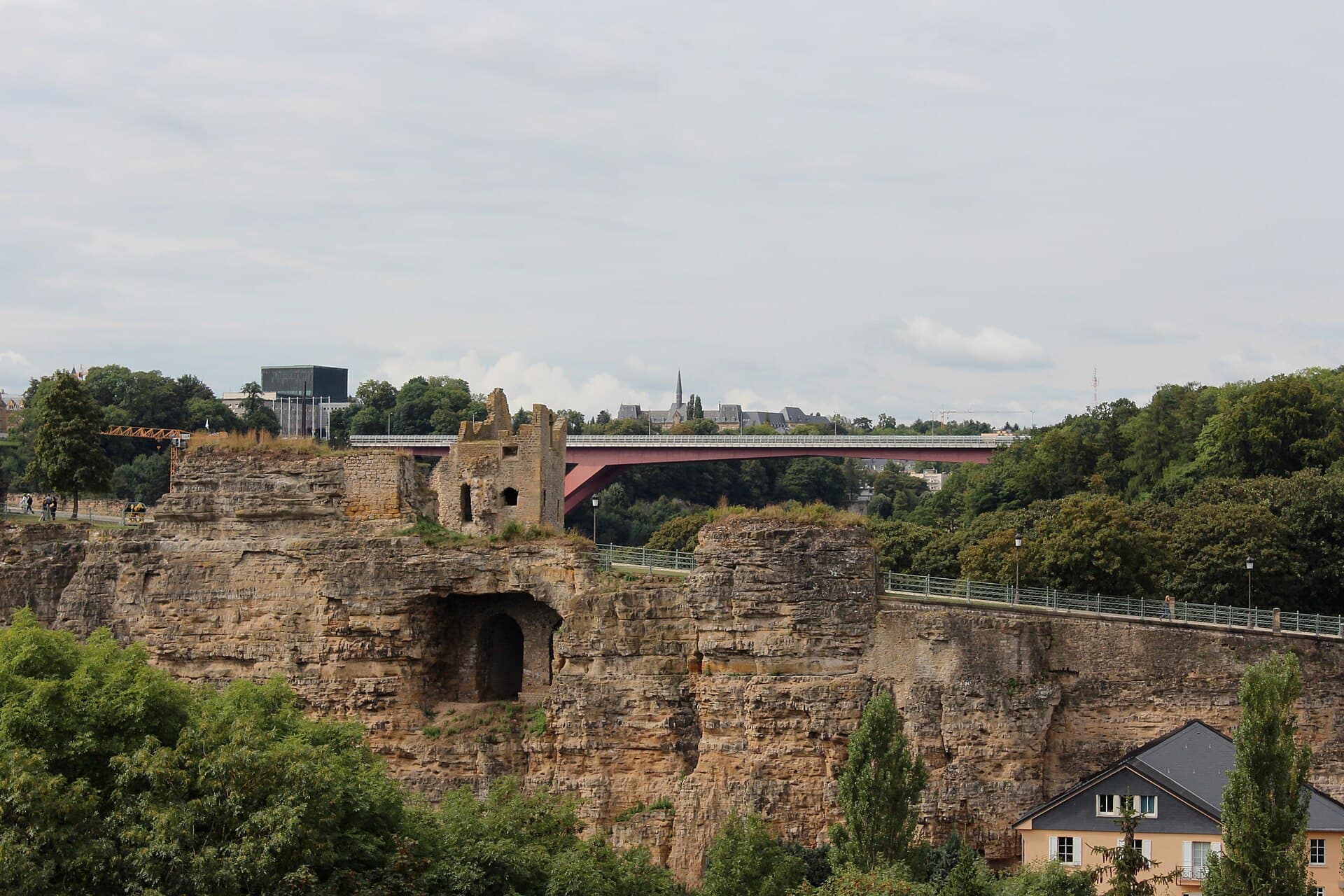 The Bock CasematesThe Bock Casemates are a network of tunnels cut inside the rock beneath the old 14 minutes walk4.5
Mudam, the modern art museum in a building by I. M. Pei, raised over the remains of Fort Thüngen and adjoining the Dräi Eechelen fortress museum inside the fort itself — the clearest place to understand the outer fortifications. And the Philharmonie next door. The tram links the centre to Kirchberg in minutes.
No. The remains are modest and unexplained, and you will not get much from them without background. But if you are going to Kirchberg for Mudam or the Philharmonie anyway — which most visitors do — then twenty minutes here adds a historical layer to a quarter that otherwise looks entirely contemporary.