
Capoeira rodas
After 17:00.
Tambor Soledade — CC BY-SA 4.0 · Tambor Soledade — CC BY-SA 4.0 · SouDiana — CC BY-SA 4.0 · 7deAbril — CC BY-SA 4.0
The Fort of Santo Antônio Além do Carmo, known today as the Forte da Capoeira, guarded the northern edge of old Salvador. It stands on the site of a trench dug by the Dutch during their 1624-1625 invasion of Bahia; the first fort was built under the governor Count of Miranda (1627-1635), and it was rebuilt in stone in the late 17th and early 18th centuries. It became a prison in 1830, held people arrested after the Malê revolt of 1835, later became the state penitentiary, and held political prisoners after 1964 until it closed in 1976. After years of neglect it was turned into a cultural centre for capoeira, the Afro-Brazilian martial art and dance, and several capoeira schools are based there. Entry is free, the schools are open to visitors, and the best time to watch classes and rodas is after 17:00. Its walls give a wide view over the bay. Guided visits can be arranged in advance, and it usually opens Monday to Saturday, morning and evening.
After 17:00.
Bay views.
1830 to 1976.
Santo Antônio Além do Carmo district, north of Pelourinho, Salvador
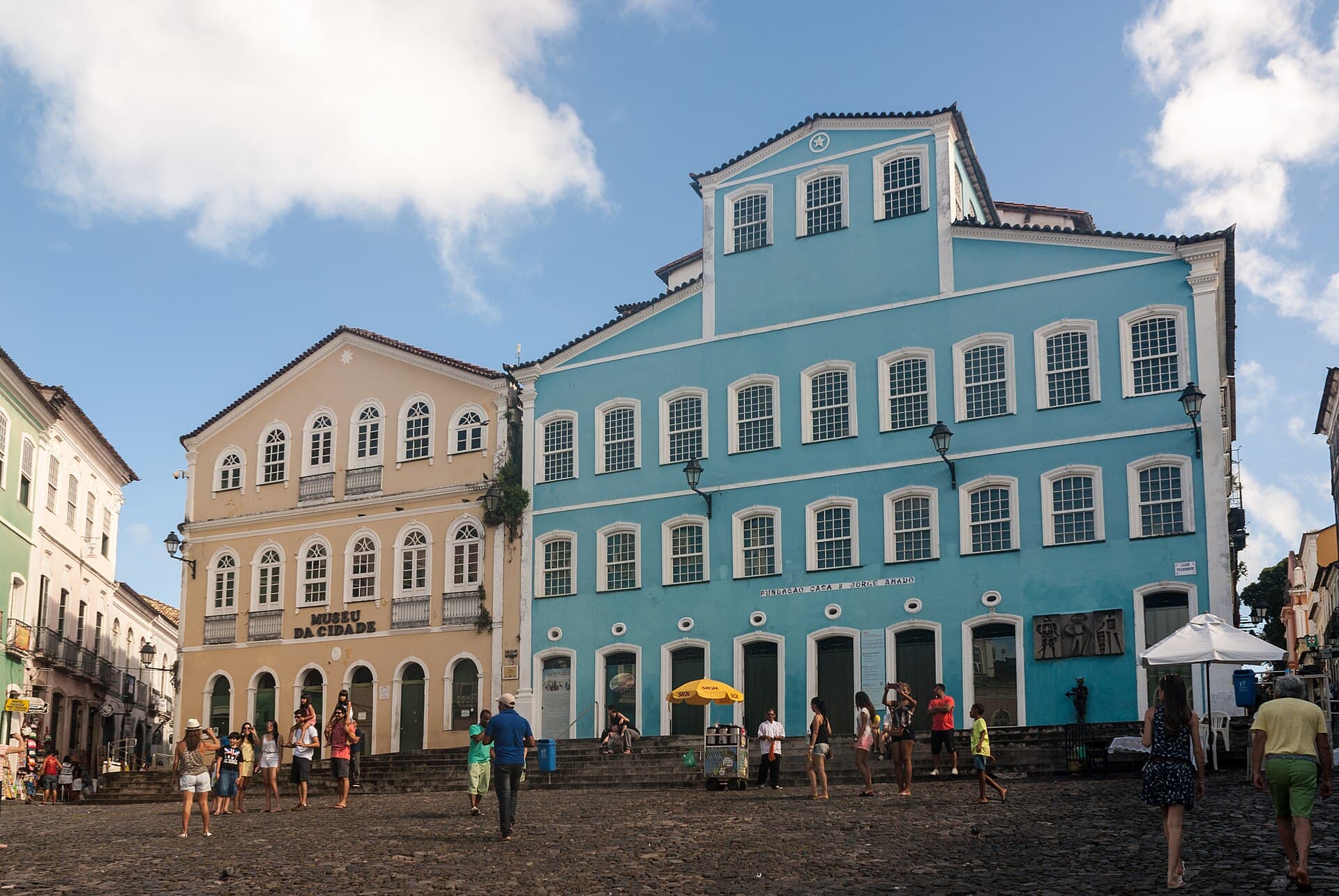 Pelourinho (Historic Centre of Salvador)Pelourinho is the historic centre of Salvador, Brazil's first capital from 1549 18 minutes walk
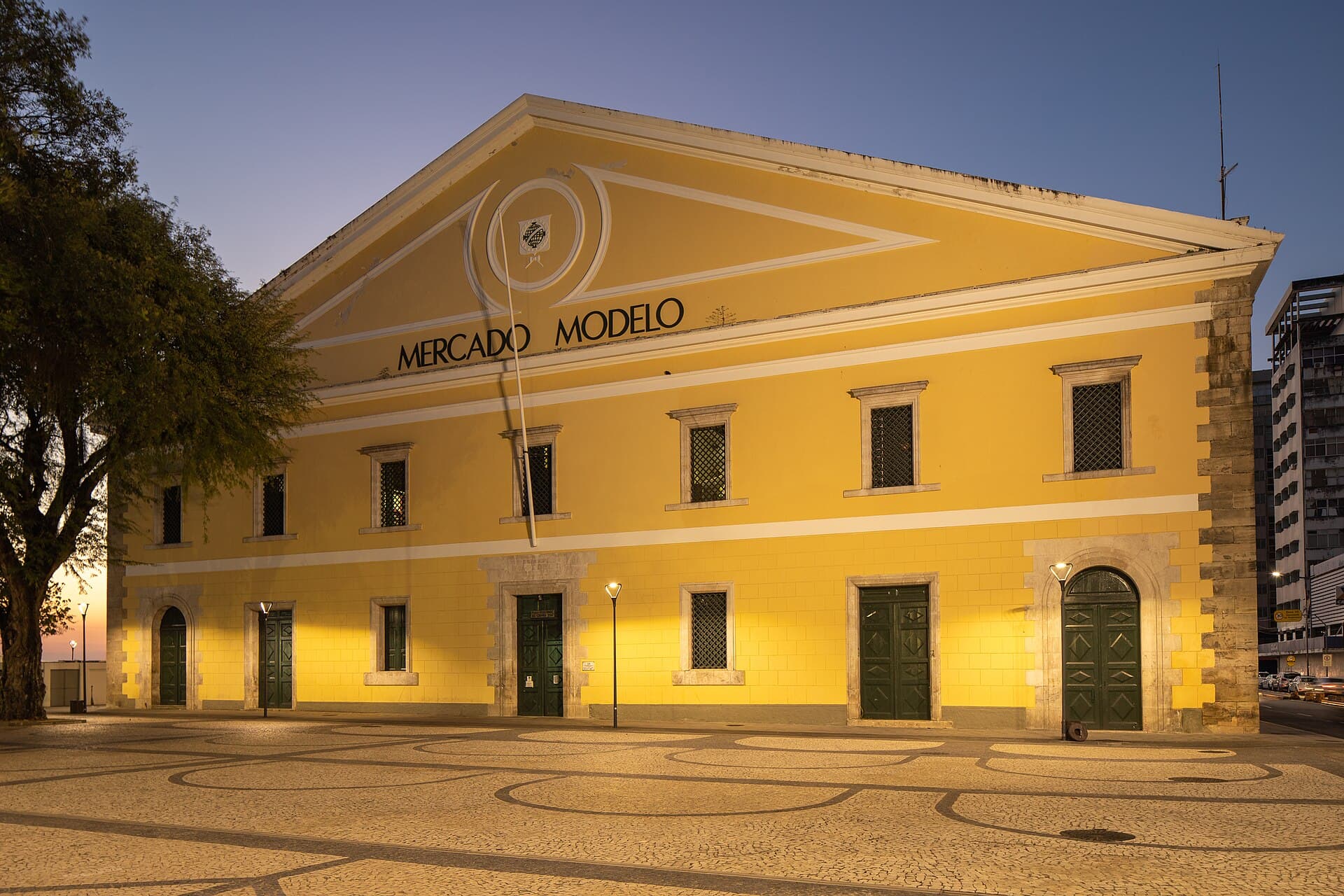 Mercado ModeloMercado Modelo is Salvador's best-known handicraft market, in the Lower City at 20 minutes walk4.3
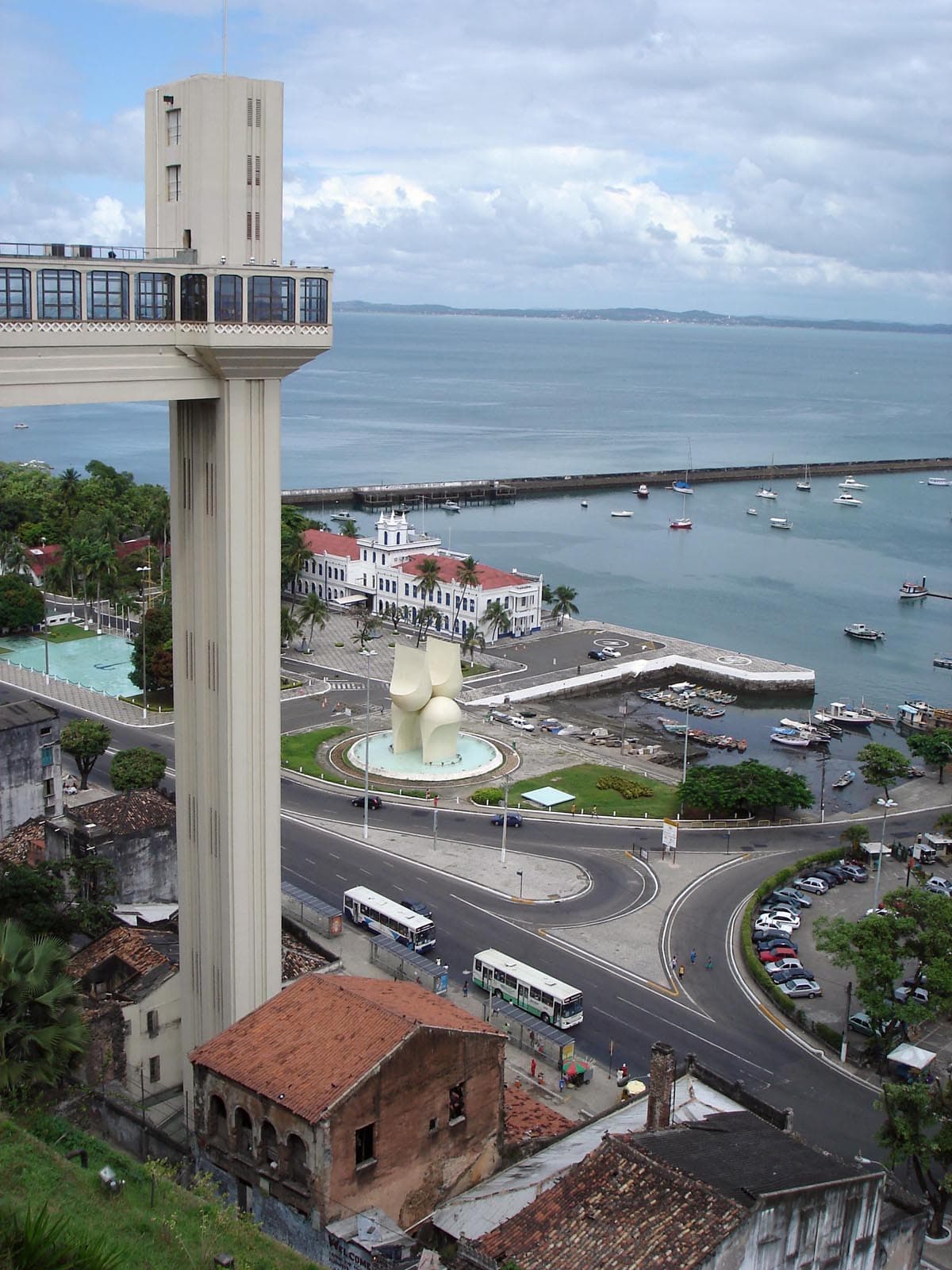 Elevador LacerdaThe Elevador Lacerda is a public lift 72 metres high that links Salvador's Upper21 minutes walk4.4
The schools welcome visitors, and the best time for classes and rodas is after 17:00, Monday to Saturday; entry is free.