
The Tacheles story
From 1908 store to ruin to squatted art centre.
Gerd Eichmann — CC BY-SA 4.0 · Barbel Miemietz — CC BY-SA 4.0 · Gerd Eichmann — CC BY-SA 4.0 · De-okin — CC BY-SA 3.0
Fotografiska Berlin is the German branch of the Swedish contemporary photography institution, opened in 2023 — but the building it occupies matters more than the institution. Kunsthaus Tacheles was a grand department store of 1908, bombed in the war, and left a ruin until artists occupied it in 1990 in the chaos immediately after the Wall came down. What followed is Berlin legend: the squatted building became a centre of alternative art throughout the 1990s — studios, galleries, a cinema and cafes with no permits and no rent, its graffiti-covered facade becoming an emblem of post-Wall Berlin. It was cleared in 2012 after long disputes, and the site was redeveloped as a commercial and cultural complex. That history makes the presence of a polished commercial institution here a continuing argument in the city: many see it as the clearest example of the gentrification that erased the alternative scene which made Berlin attractive in the first place. The exhibitions themselves are changing and good, and the late evening opening makes it a practical choice after a full day.
From 1908 store to ruin to squatted art centre.
Open late, unlike the city's museums.
Oranienburger Strasse 54, 10117 Berlin
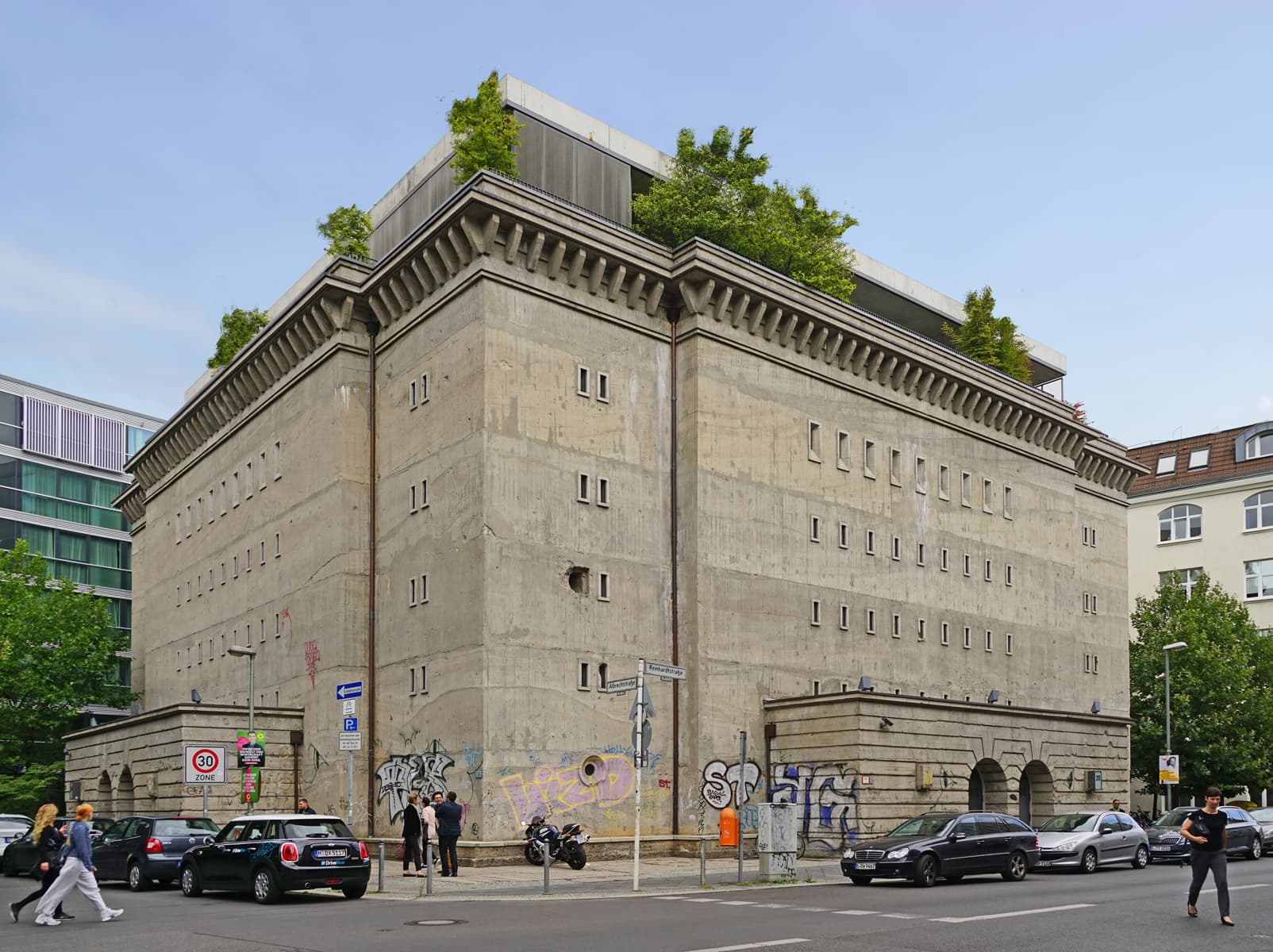 The Boros CollectionThe Boros Collection is contemporary art shown inside a Second World War concret5 minutes walk4.5
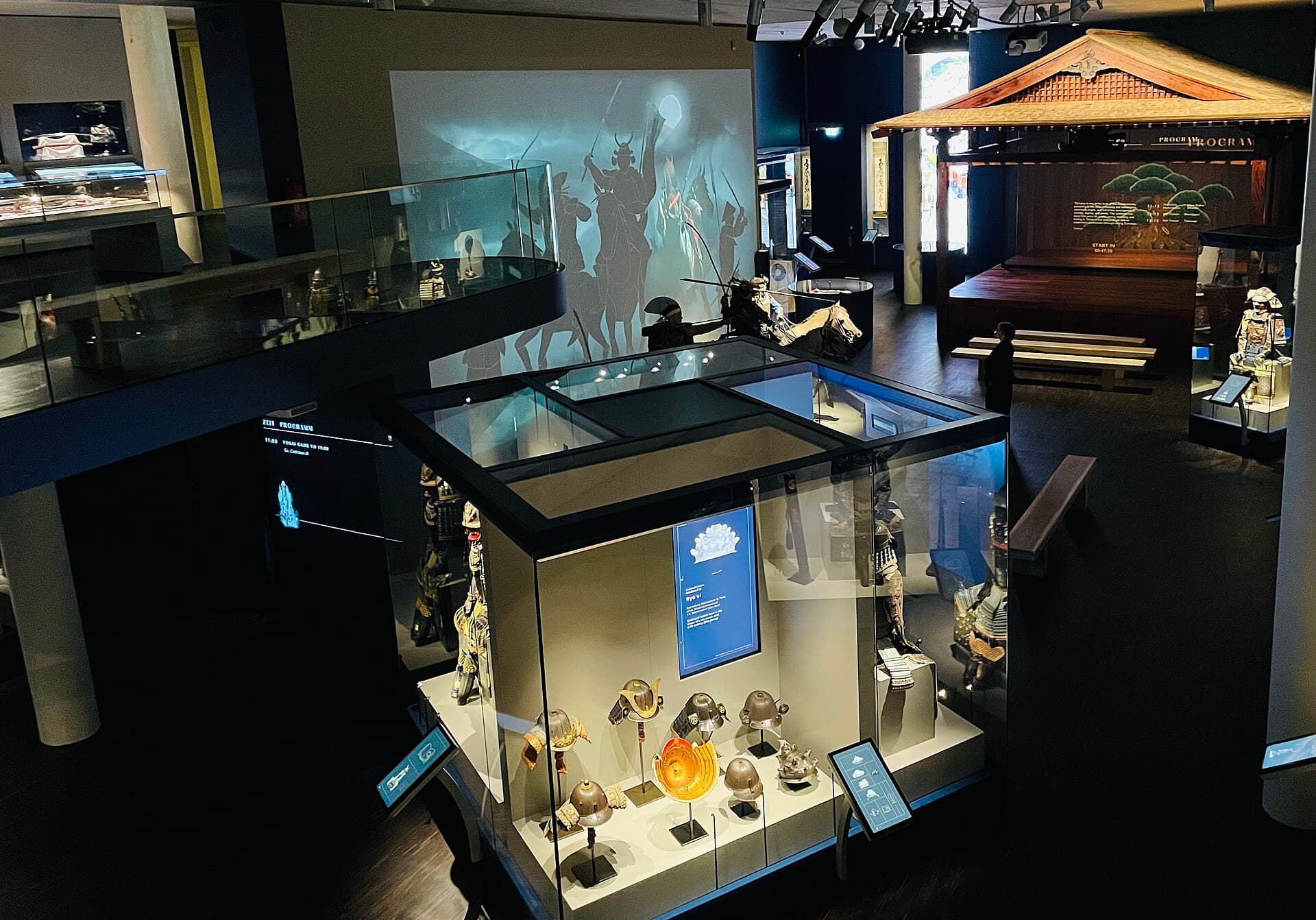 Samurai Museum BerlinBerlin's Samurai Museum displays what is described as the largest private collec6 minutes walk4.7
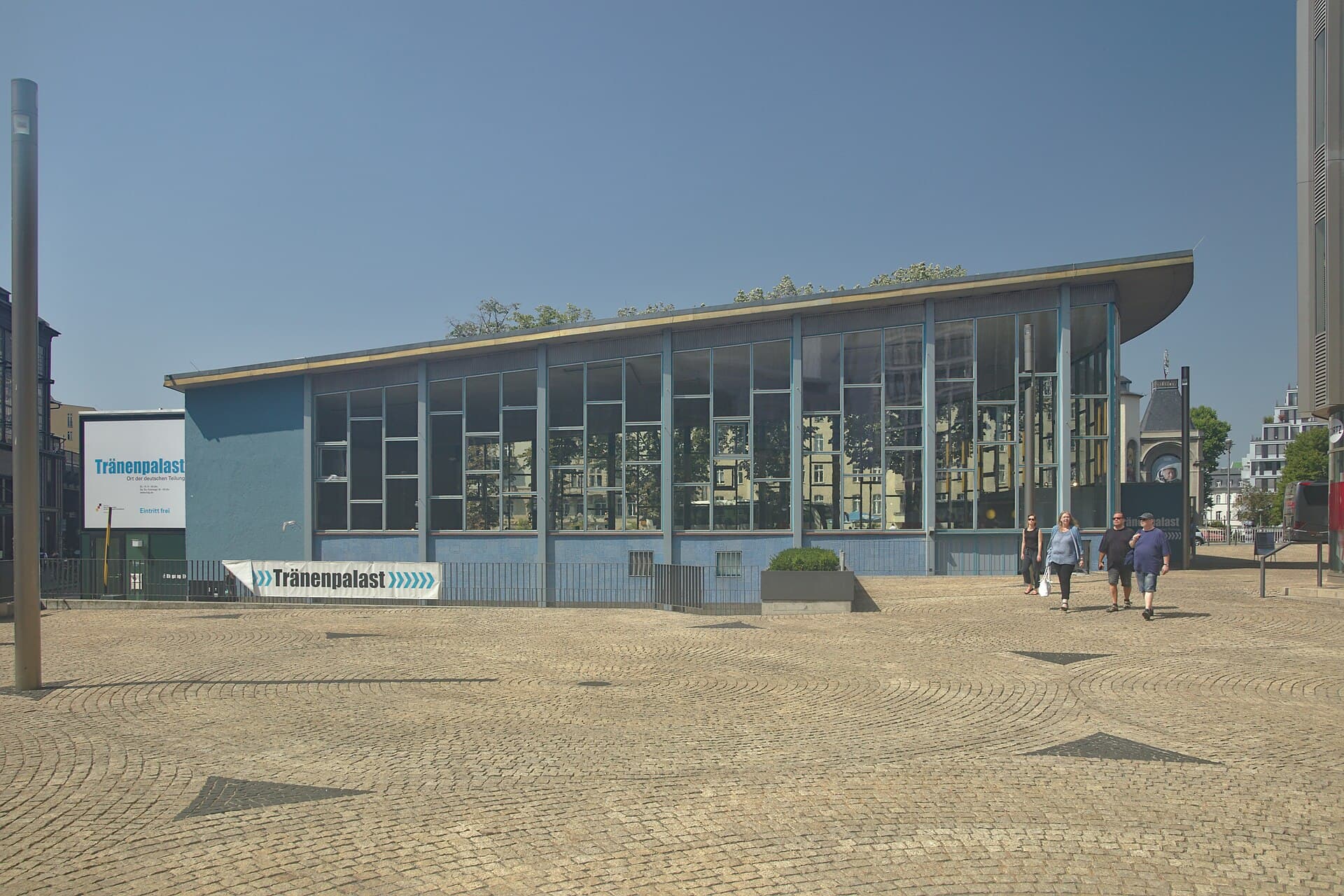 TränenpalastThe name means "Palace of Tears". It is a small glass and steel building beside 7 minutes walk4.5
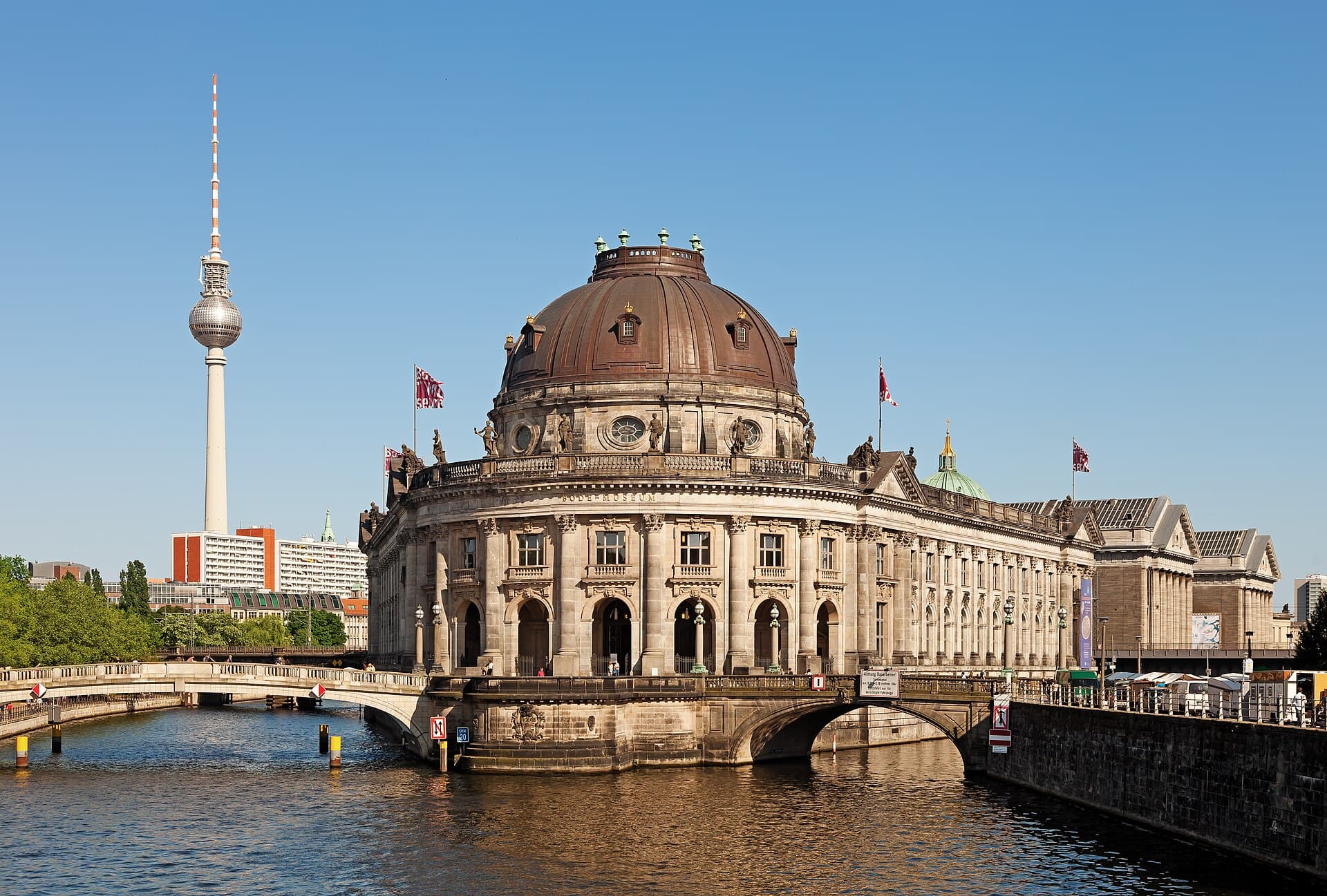 Bode MuseumThe Bode Museum stands at the northern tip of Museum Island where the two arms o7 minutes walk4.4
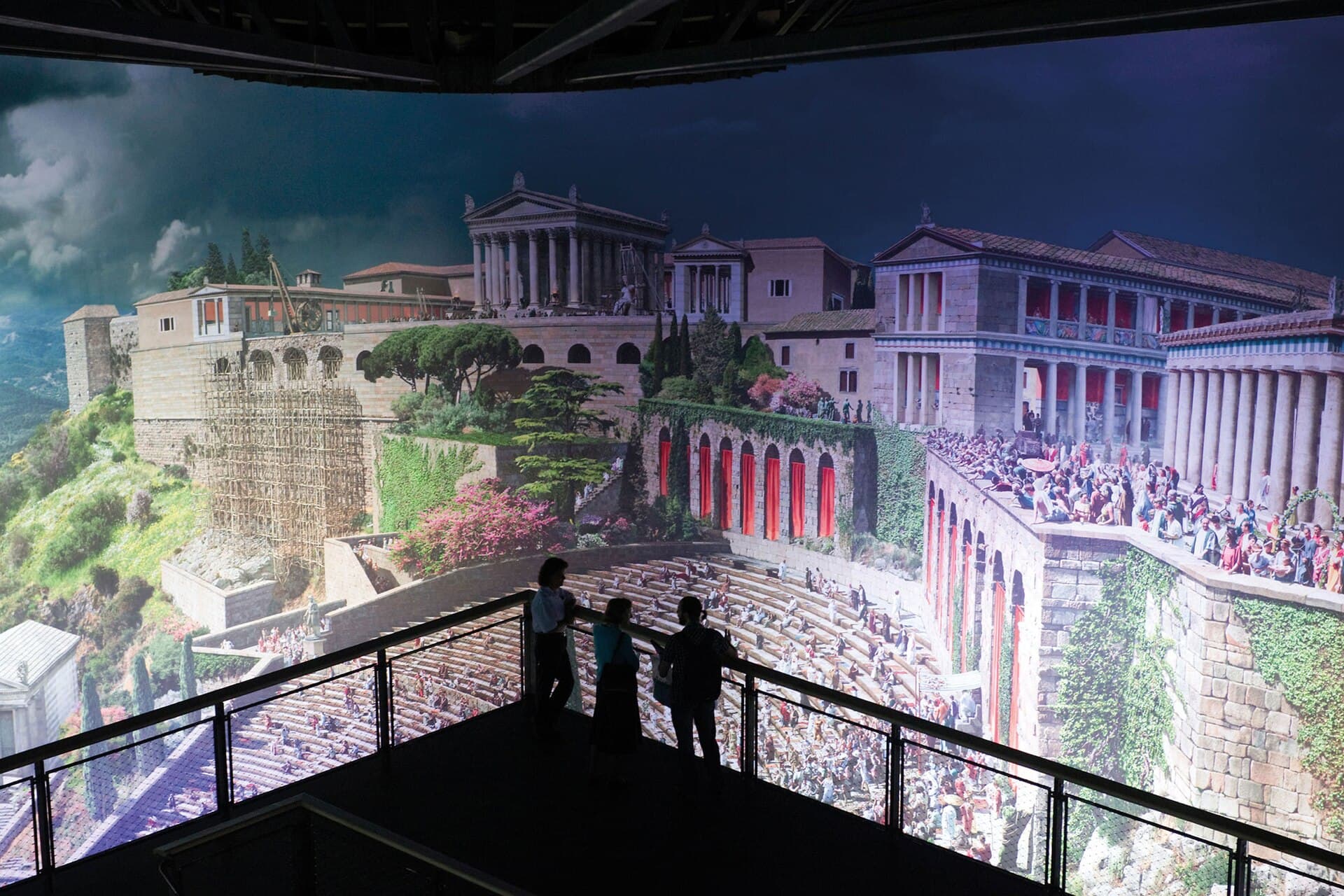 Pergamonmuseum. Das PanoramaThe Pergamon Museum — Berlin's most famous, with its Great Altar and Ishtar Gate8 minutes walk4.6
After the Wall fell in 1989, many buildings in East Berlin were left with no clear owner, and artists occupied them and created free spaces with no rent — Tacheles being the most famous and most visited. As property prices rose, these spaces were cleared one after another and sold for development. Anyone who lived through that period sees today's commercial complex as a symbol of what the city lost, not merely a change of ownership.