
A punishment turned badge
Being jailed here became a mark of honour among students rather than a disgrace.
Rijksmuseum — CC0 · NpunktGpunkt — CC BY-SA 4.0 · Ribax (Diskussion) 17:25, 2. Okt. 2014 (CEST) — CC BY-SA 4.0 · Thomas Pusch — CC BY-SA 4.0
A museum in the Old University building in Heidelberg, documenting the history of Germany's oldest university, founded in 1386. The visit covers three parts: the museum itself, the Old Assembly Hall — a ceremonial hall of the early twentieth century with wooden panelling and paintings — and the student prison. The last is the best known and the strangest. Until 1914 the university held its own jurisdiction: the police did not try students; the university locked them in this building for days or weeks on charges such as drunkenness, disturbing the night or shooting at cats. But the punishment inverted into a badge: being jailed here became a mark of honour among students, and inmates continued attending lectures during the day and returned at night. What makes the rooms exceptional are their walls: over decades the inmates covered them with drawings, names, silhouettes, poems and slogans, layer upon layer. They are an archive of nineteenth-century student life painted onto plaster.
Being jailed here became a mark of honour among students rather than a disgrace.
Until 1914 the university tried its own students rather than the police.
Layers of drawings and names documenting a century of student life.
The Old University, Universitätsplatz, the old town
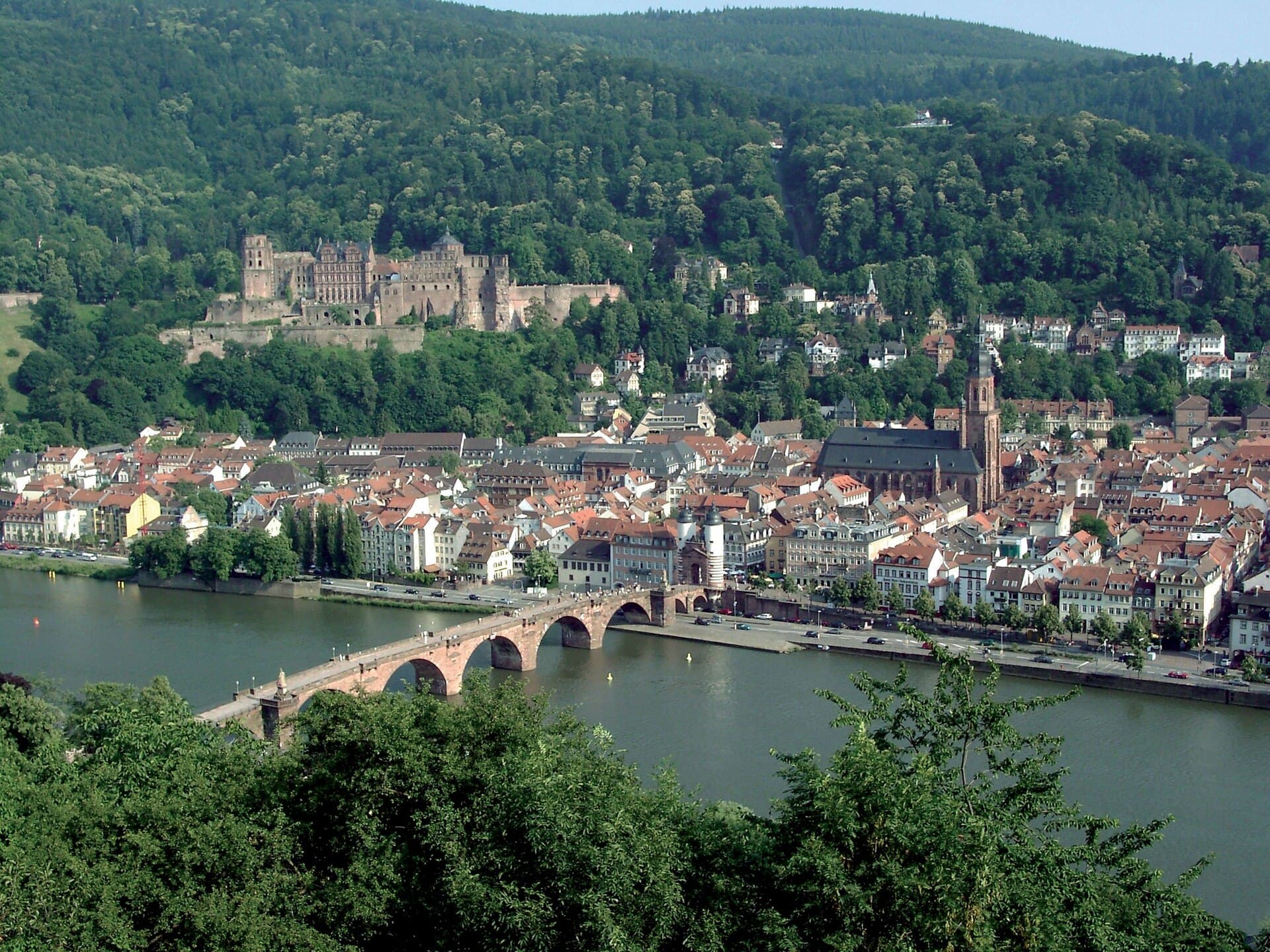 Heidelberg Old TownHeidelberg's old town is among the loveliest in Germany, for a simple reason: it1 minute walk4.7
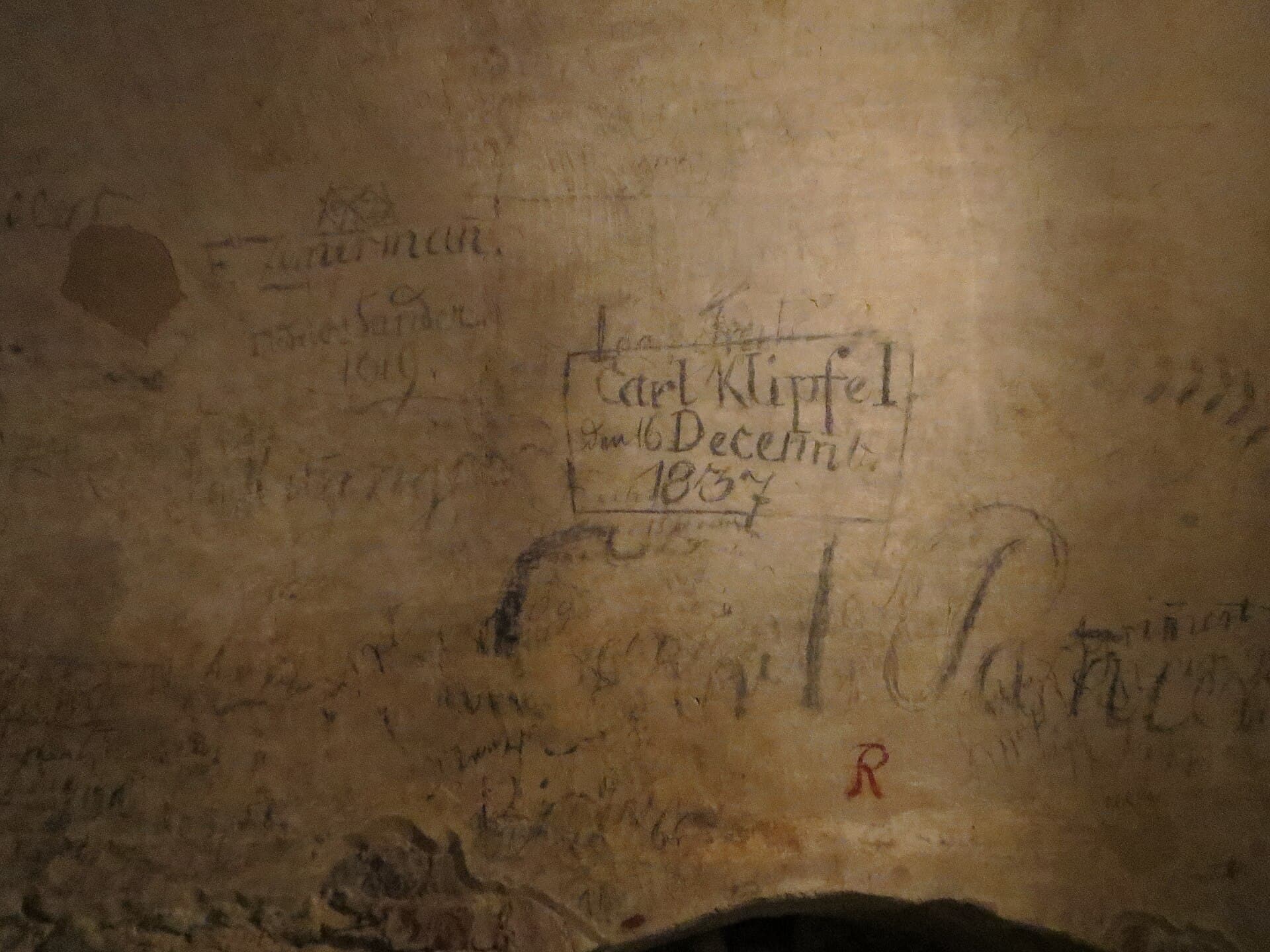 Student Prison (Studentenkarzer)The student prison is one of Heidelberg's strangest and most entertaining sights1 minute walk4.4
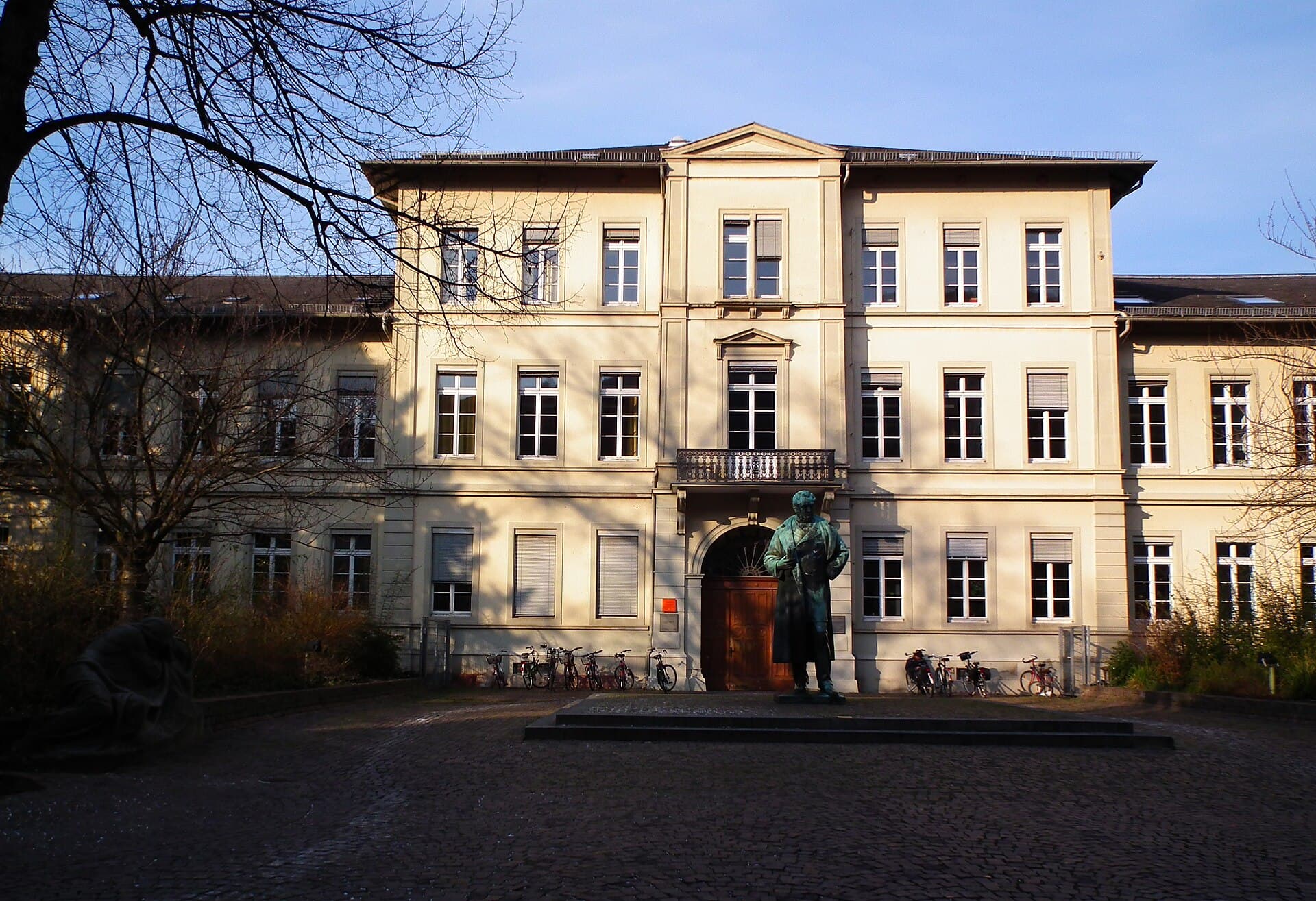 Heidelberg UniversityHeidelberg is Germany's oldest university, founded in 1386 by papal decree, and 1 minute walk4.6
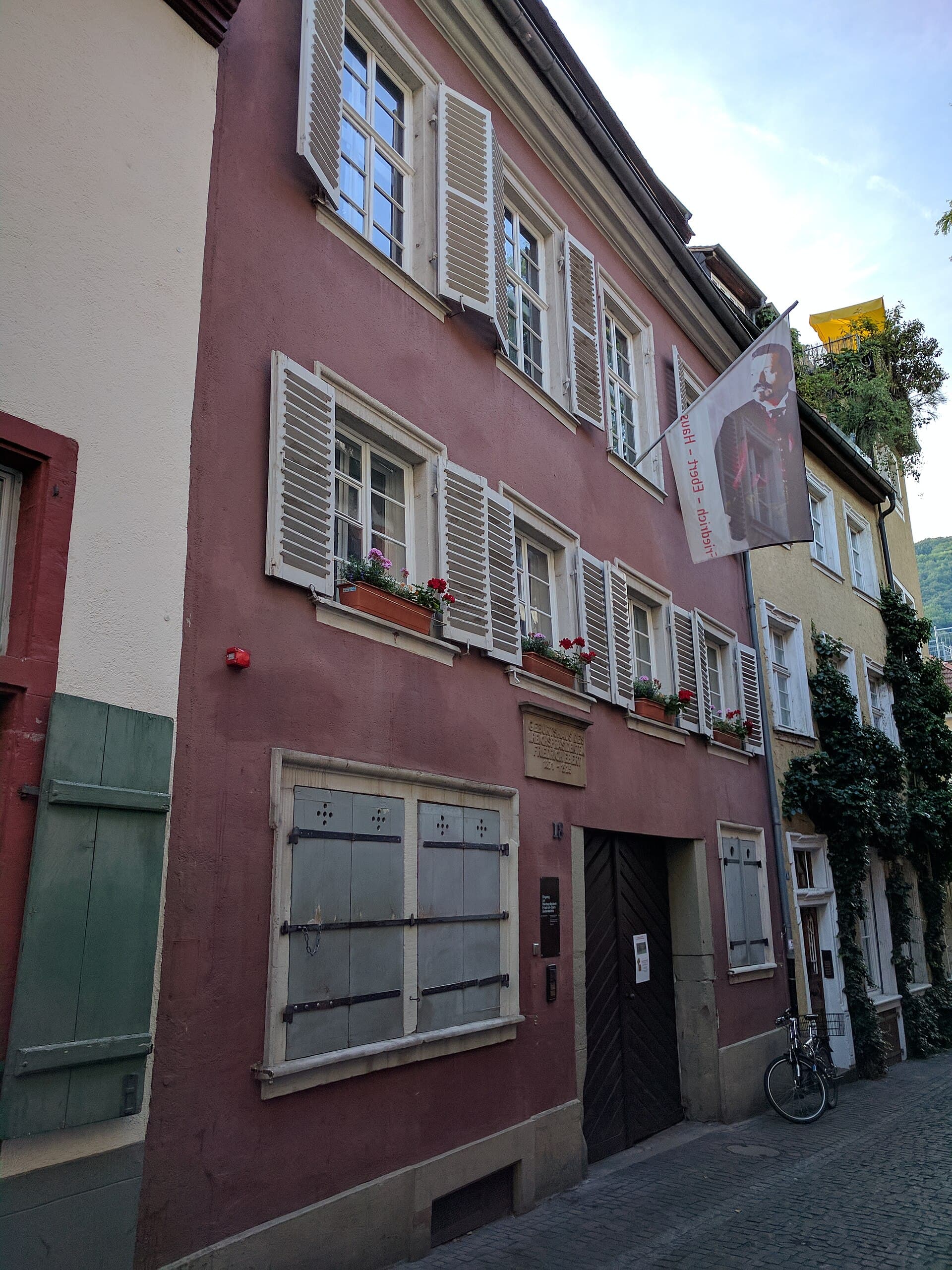 Friedrich Ebert MemorialThis house is where Friedrich Ebert was born in 1871 — Germany's first elected p2 minutes walk4.7
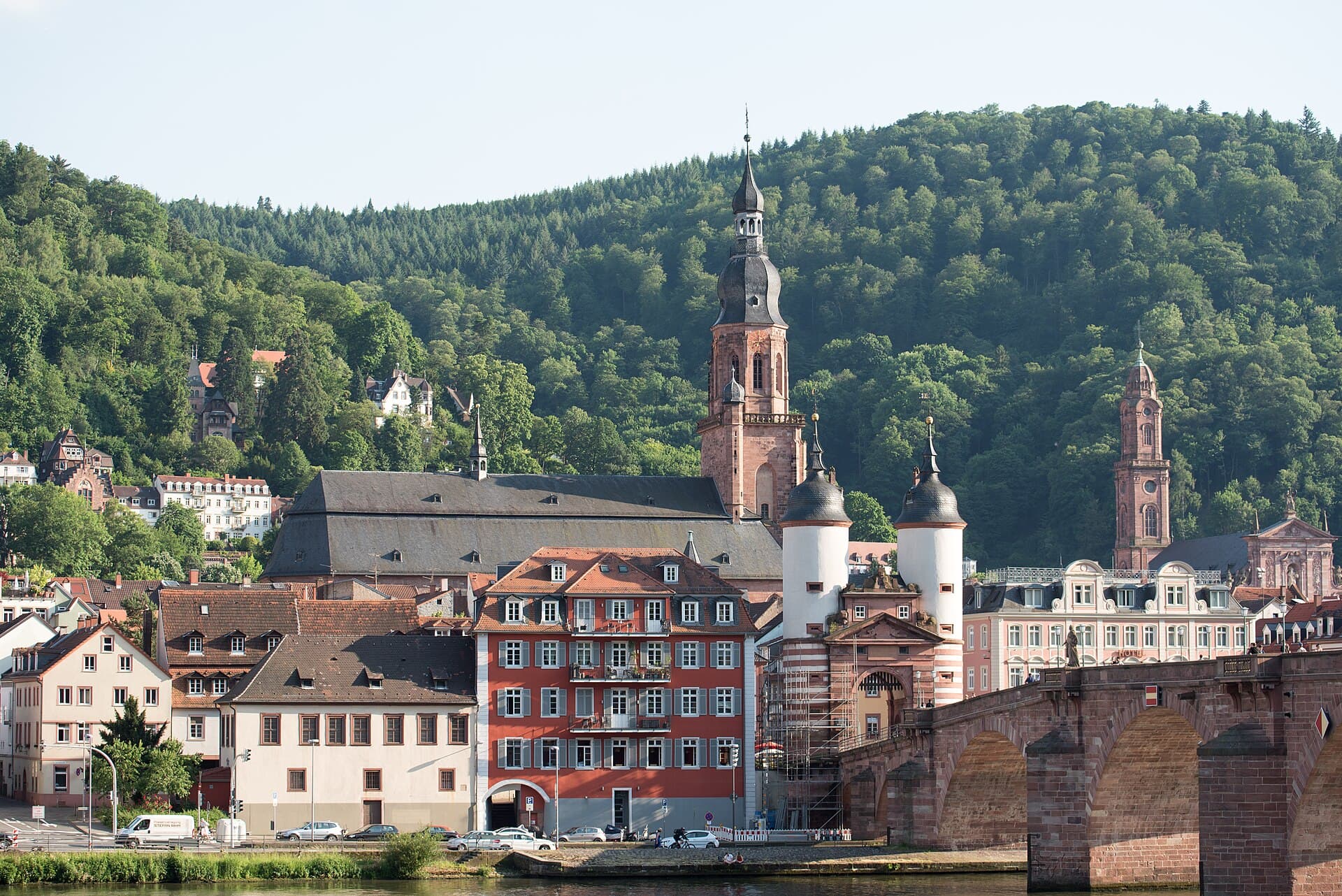 Church of the Holy SpiritThe Heiliggeistkirche stands dead-centre in the market square — old Heidelberg's3 minutes walk4.7
A medieval tradition: European universities were granted privileges placing their students and teachers outside the local courts, similar in logic to clerical immunity. The purpose was to protect the university from interference by civil authorities. The privilege survived in Germany into the early twentieth century, and Heidelberg's student prison is its best-known physical remnant.
The castle first, Germany's most famous ruin, reached by funicular; then the old town and the Old Bridge; then the Philosophers' Walk on the opposite bank for the view over the town and castle together. This museum is an addition for anyone staying more than a day.