
Rua de Santa Maria
The open gallery as unbroken cafés.
Diego Delso — CC BY-SA 4.0 · Bengt Nyman — CC BY 2.0 · Jan Helebrant — CC BY-SA 2.0 · Jan Helebrant — CC BY-SA 2.0
Funchal's old town is Madeira's beating heart: the Zona Velha fishermen's quarter art rescued — the Painted Doors project (2011) turned Rua de Santa Maria into an open gallery: two hundred doors as canvases by the island's artists, making the quarter the Atlantic's loveliest café run. Its edges abbreviate the island: yellow São Tiago fort on its sea, the Monte cable car station at its gate, the Socorro church square — and the promenade walks you to the pillar marina where every mooring sailor painted his ship's name (a coloured decades-old rite). Funchal's climate is eternal spring (16-26°C the year round), making it the Gulf's rising Atlantic winter haven — and the quarter is base of everything: the cable car lifts you to Monte from it, the market is two steps, the harbour runs the dolphin boats. Evening is its feast: poncha da cana pressed before you and fish coal-grilled down a whole street.
The open gallery as unbroken cafés.
The yellow on the sea rock.
Every mooring ship painted its name.
Zona Velha, 9060 Funchal
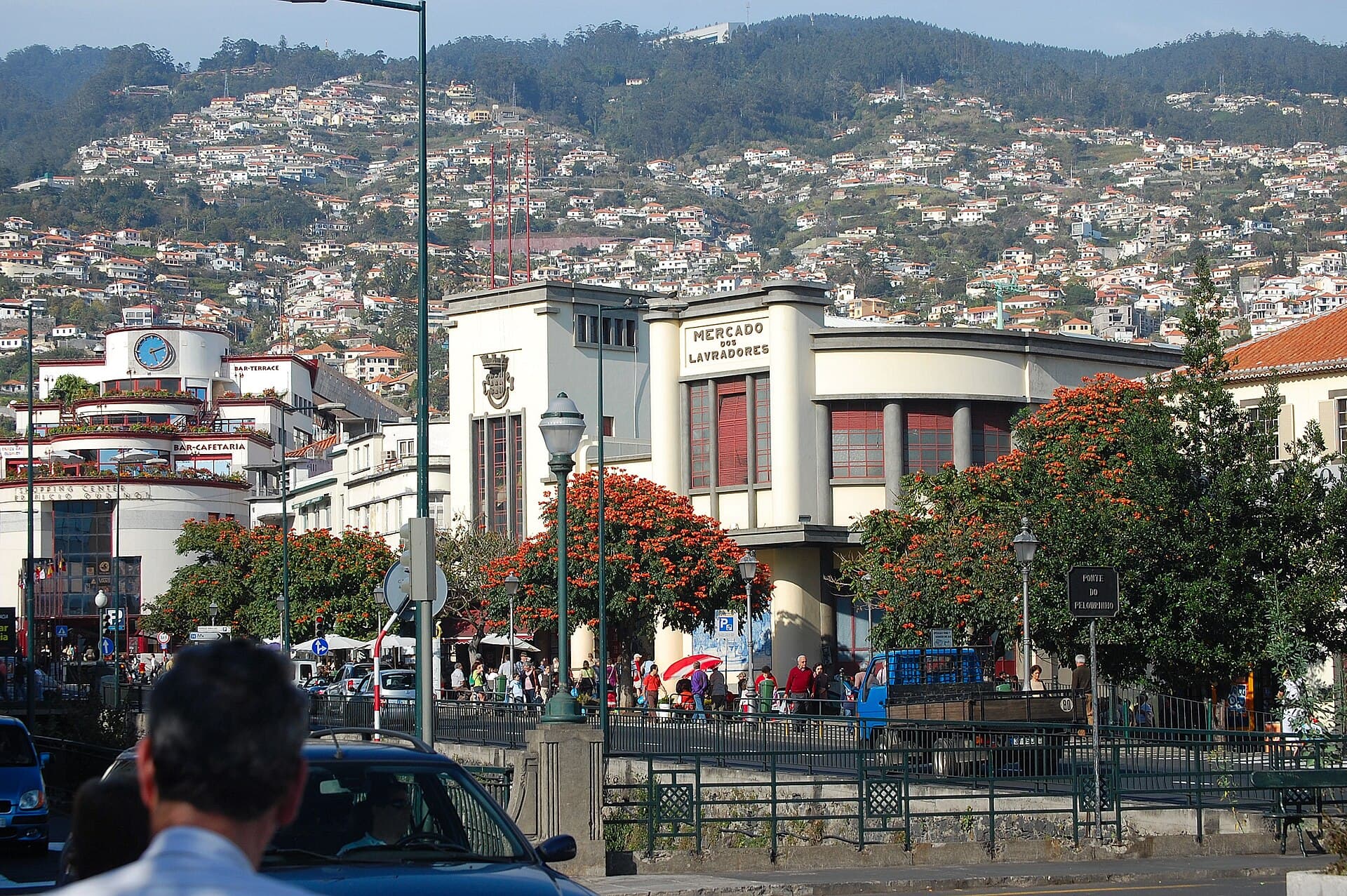 The Farmers' Market (Lavradores)The Lavradores is Madeira's coloured stomach: a 1940 Art Deco market behind a bl2 minutes walk4.0
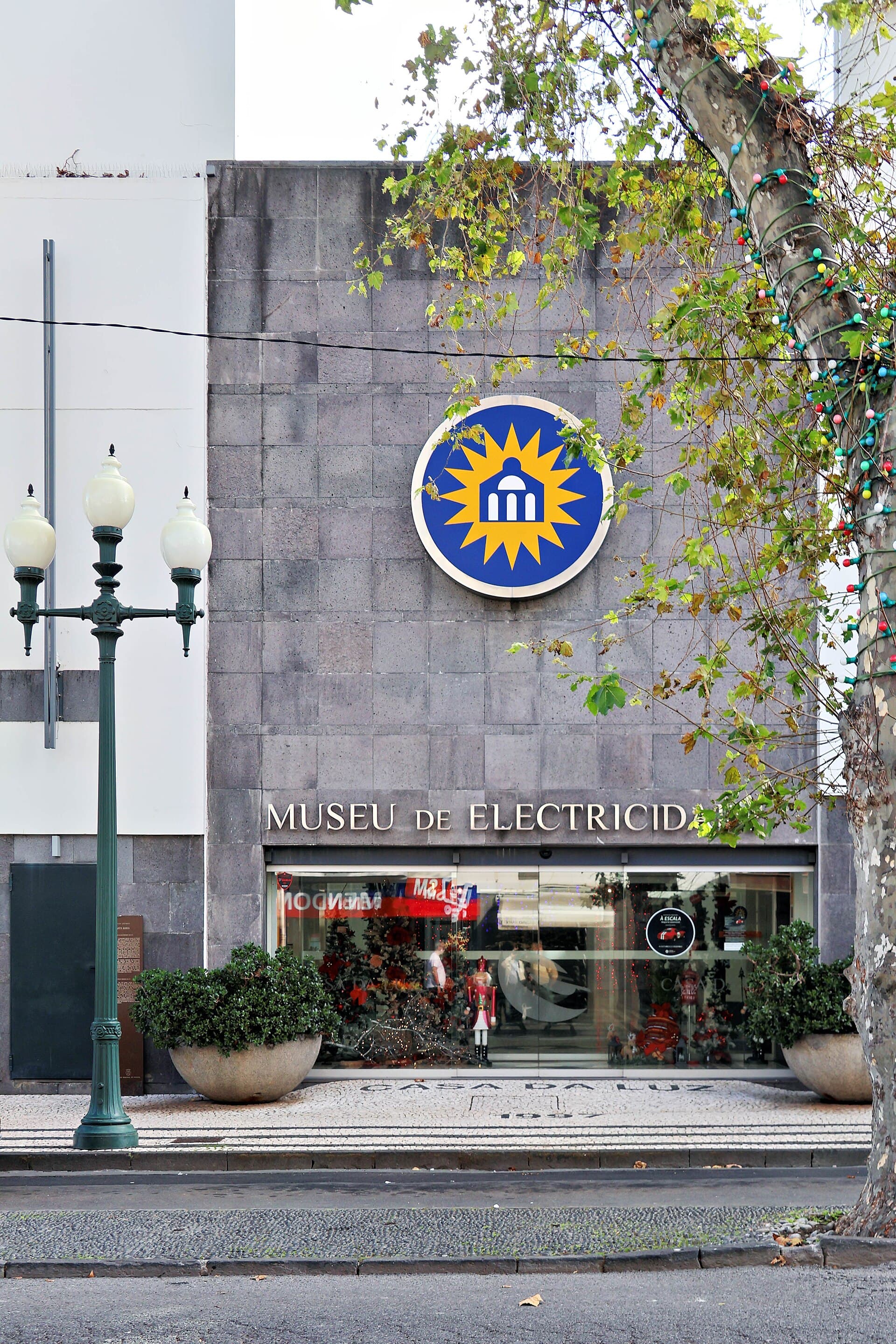 Casa da Luz Electricity MuseumFunchal's electricity museum, inside Madeira's first power station, preserved wi3 minutes walk4.5
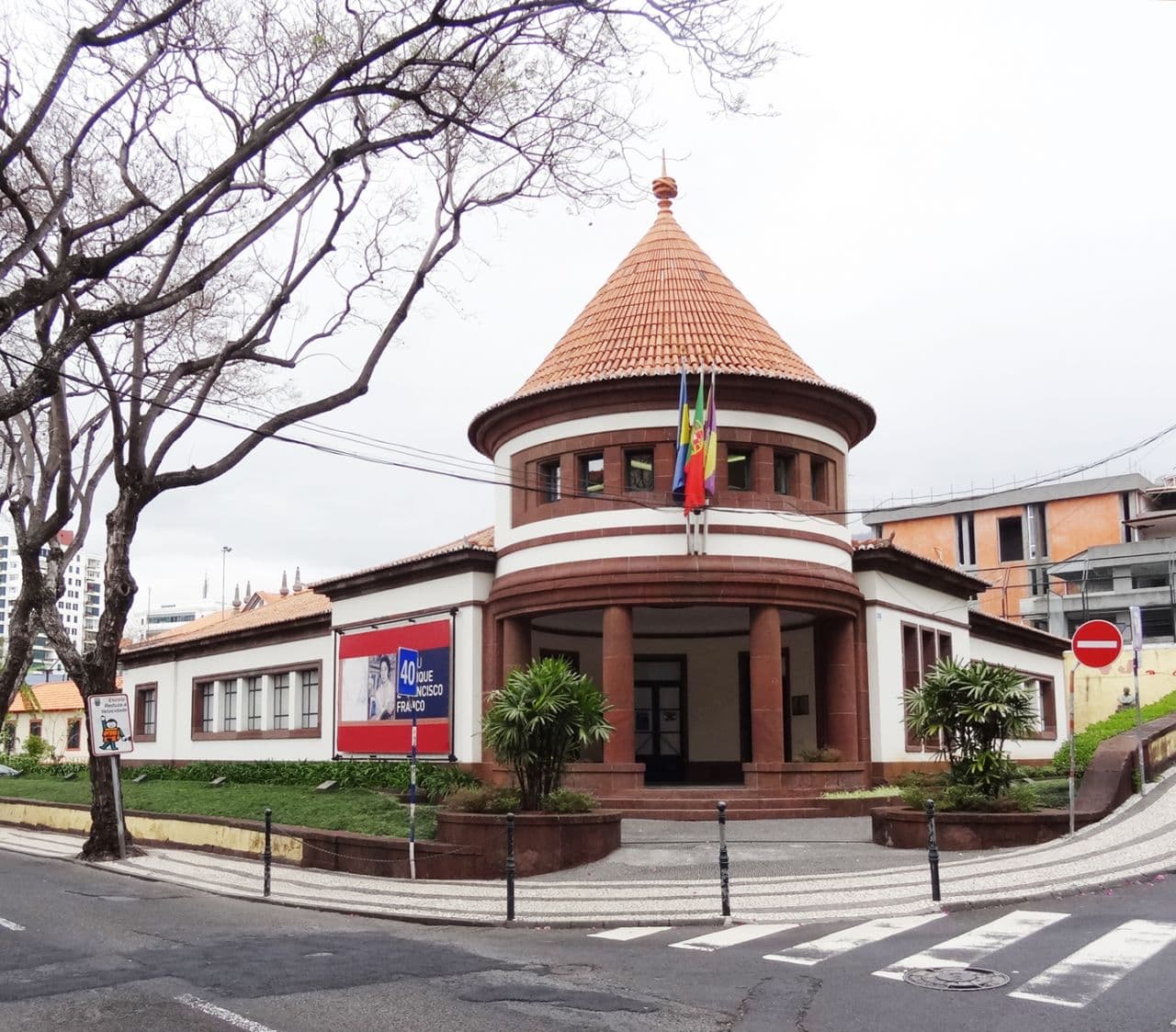 Henrique and Francisco Franco MuseumA museum devoted to two Madeiran brothers, the painter Henrique Franco and the s4 minutes walk4.3
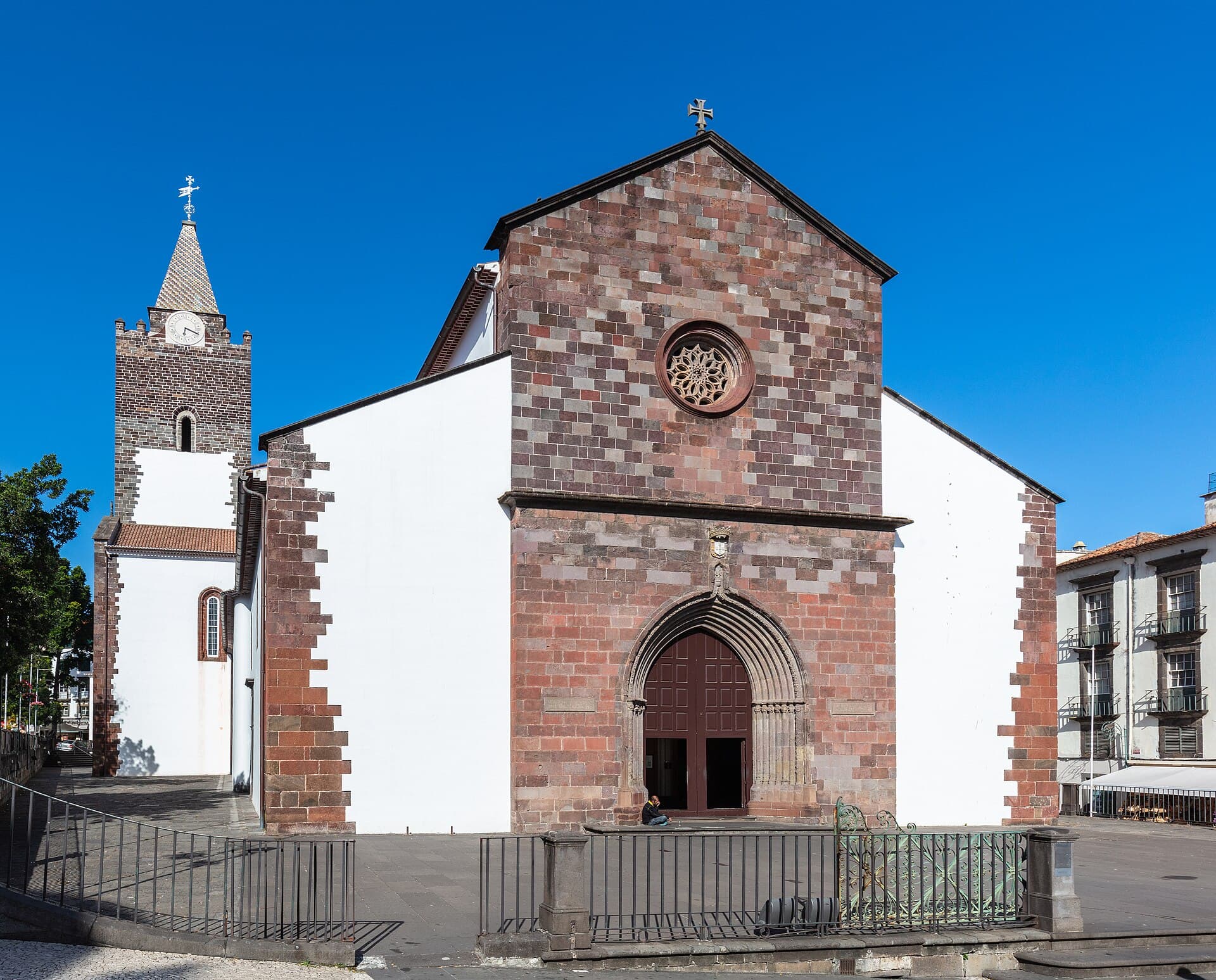 Funchal Cathedral (the Sé)Funchal's Sé is the Age of Discoveries' oldest surviving daughter: a 1514 cathed6 minutes walk4.7
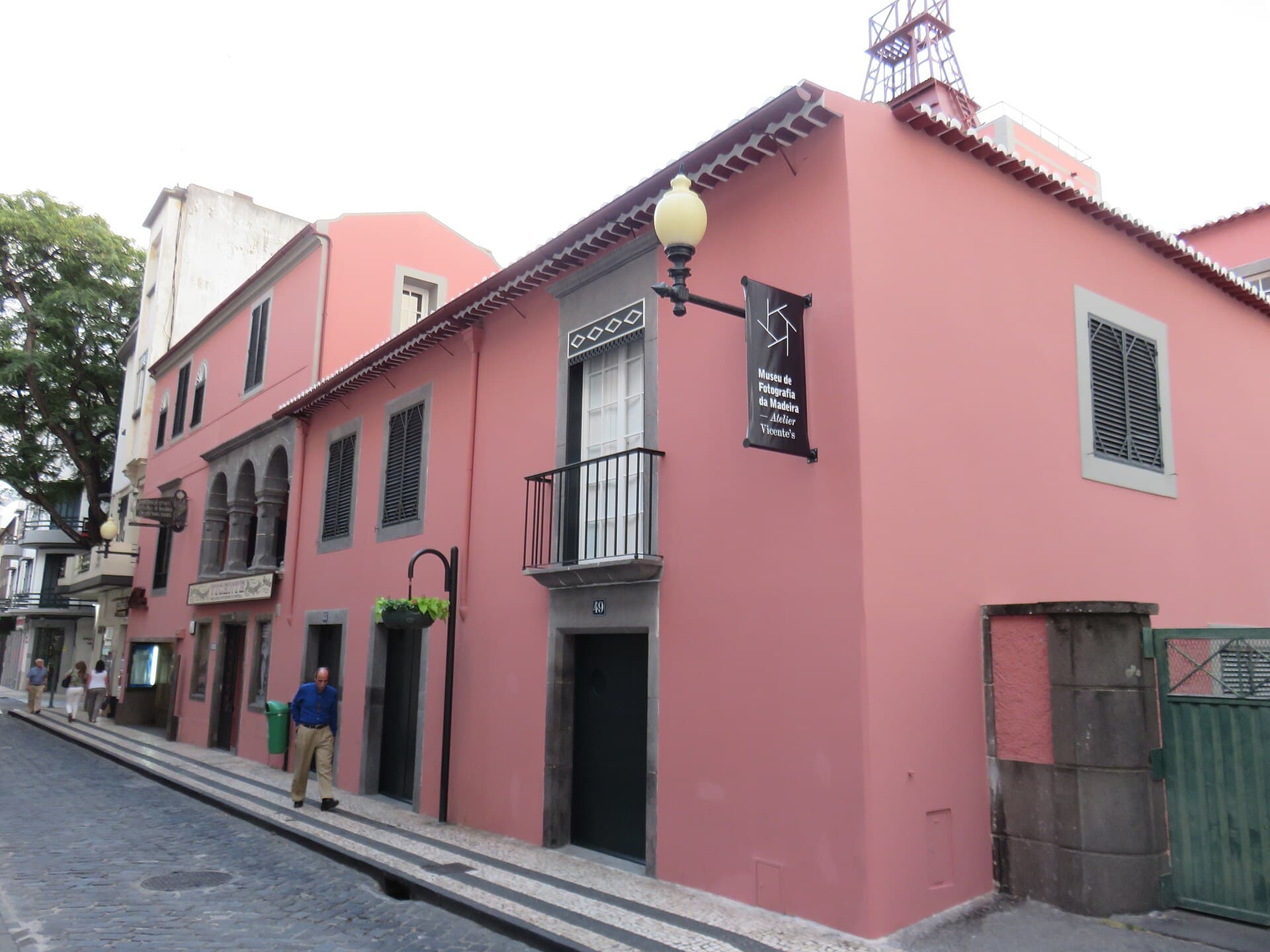 Photographia Museu VicentesA museum in a photographic studio that operated in Funchal continuously from 1866 minutes walk4.6
A rare equation: a safe European island in eternal spring (no August scorch, no January frost), green mountain-and-waterfall nature like a Switzerland over an ocean, growing direct flights and none of the Paris-London crush — with Portuguese-warm hospitality. Gulf winter families found in it a nobler Canaries — the growth felt year on year.