
Generators in place
Turbines and brass control panels with strong visual presence.
Dr. Thomas Liptak — CC BY-SA 4.0 · VasuVR — CC BY 4.0 · Dr. Thomas Liptak — CC BY-SA 4.0 · Dr. Thomas Liptak — CC BY-SA 4.0
Funchal's electricity museum, inside Madeira's first power station, preserved with its machinery. The station was built in the early twentieth century and is what brought electricity to the island. The museum explains how that happened: from the first street lighting to power reaching houses, and how that changed life on an isolated island in the middle of the Atlantic. What distinguishes the visit is that the machines are in place: large generators, turbines and control panels with brass switches, things with strong visual presence regardless of your interest in technology. Alongside are sections on the island's use of water power — the levada channels that residents cut to carry water from the rainy north to the dry south are also used to generate electricity, which ties the museum to Madeira's best-known feature. It stands in central Funchal near the seafront, so it folds easily into a walk through the city. Hours are limited and it has a weekly closing day.
Turbines and brass control panels with strong visual presence.
How life changed on an isolated island when current arrived.
Madeira's famous water channels also generate electricity.
Near the seafront, central Funchal
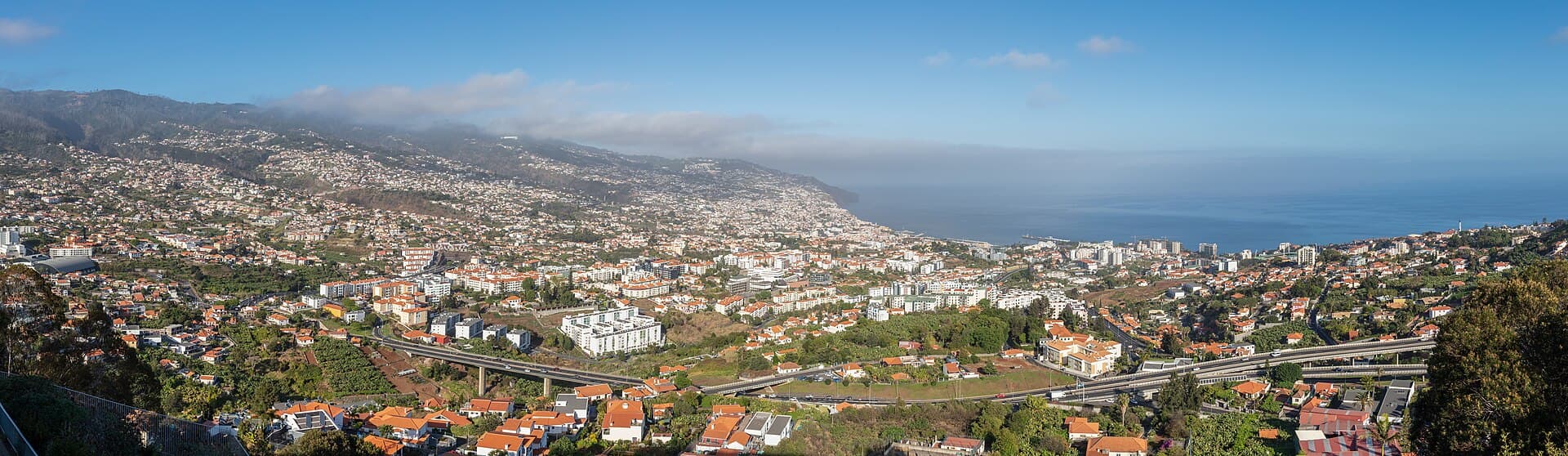 Funchal Old Town & the Painted DoorsFunchal's old town is Madeira's beating heart: the Zona Velha fishermen's quarte3 minutes walk4.5
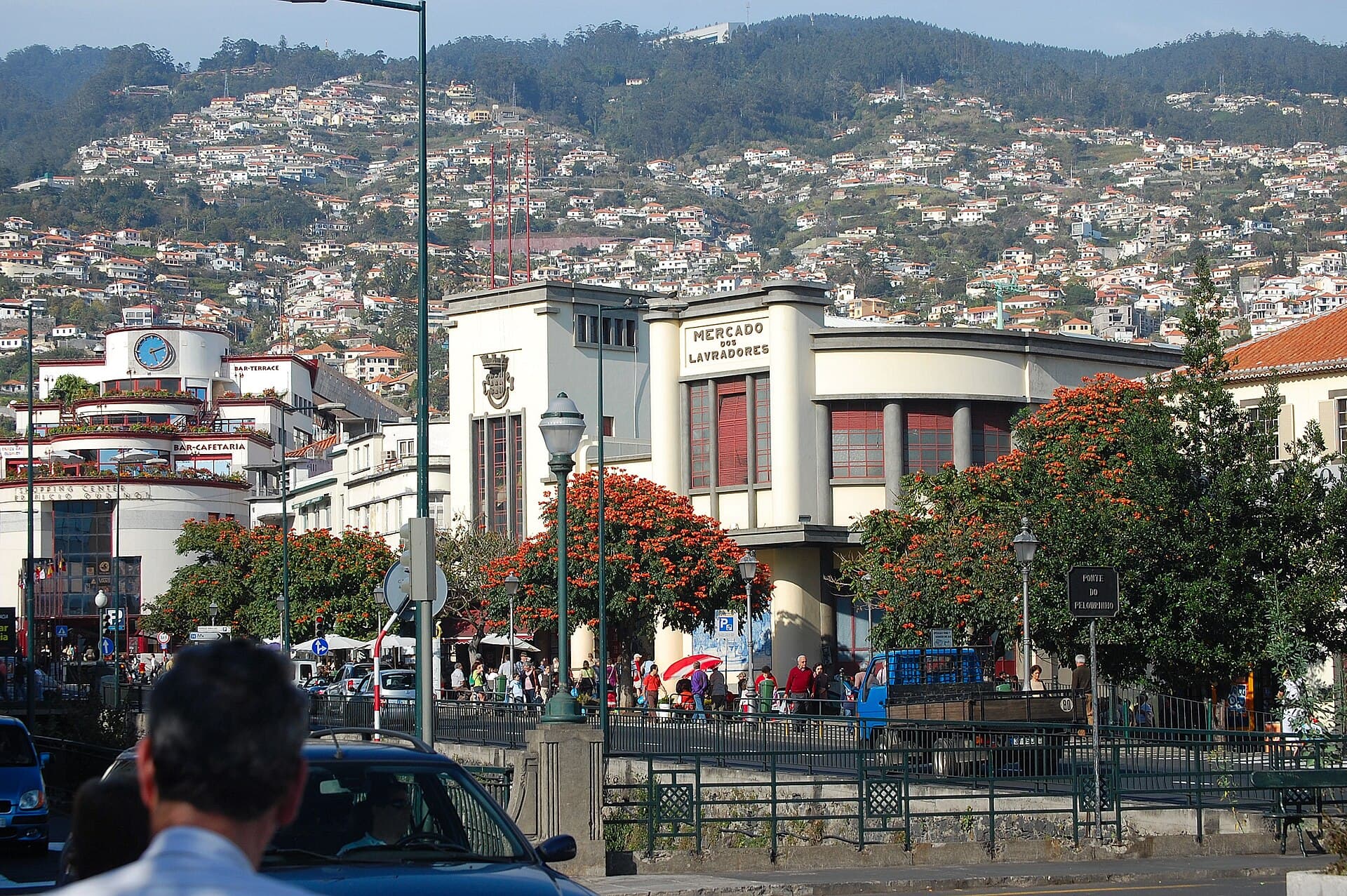 The Farmers' Market (Lavradores)The Lavradores is Madeira's coloured stomach: a 1940 Art Deco market behind a bl3 minutes walk4.0
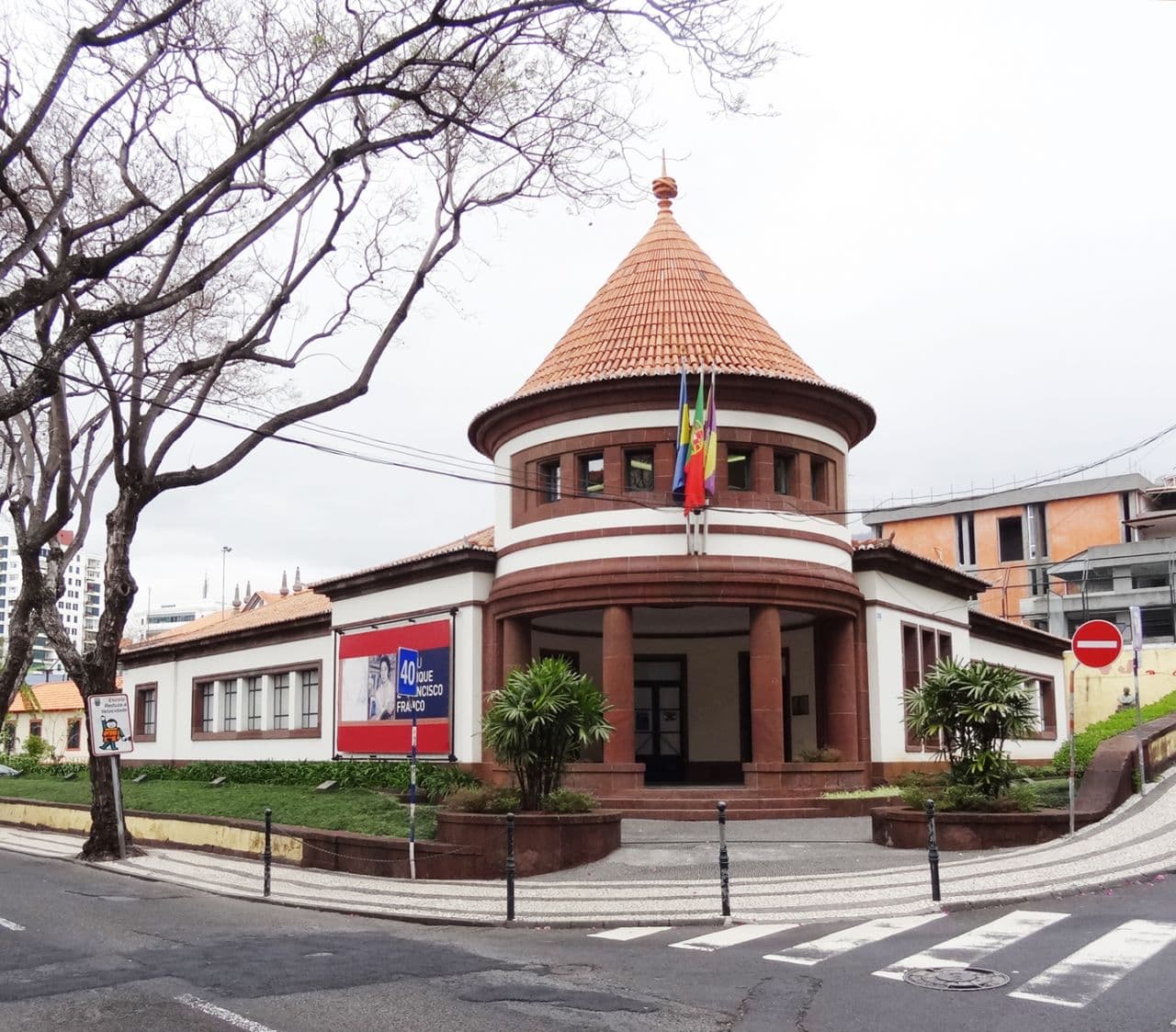 Henrique and Francisco Franco MuseumA museum devoted to two Madeiran brothers, the painter Henrique Franco and the s5 minutes walk4.3
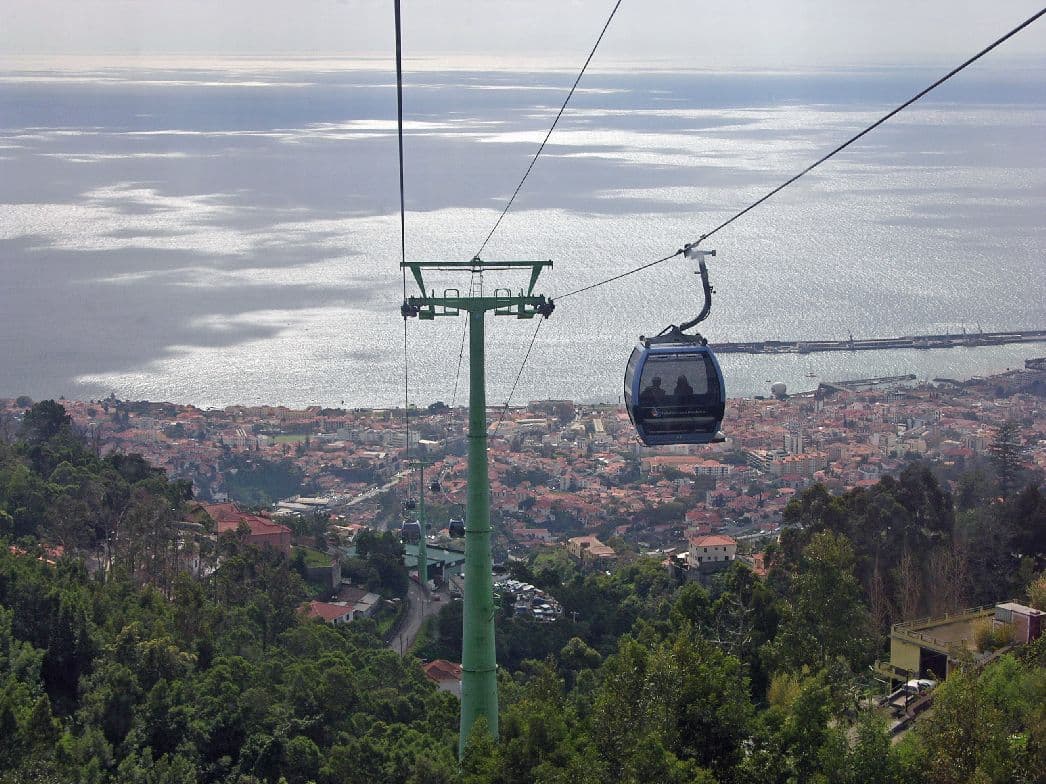 The Monte Cable Car & Wicker ToboggansMonte is Funchal's complete rite: the cable car lifts you from the old town 560 6 minutes walk4.6
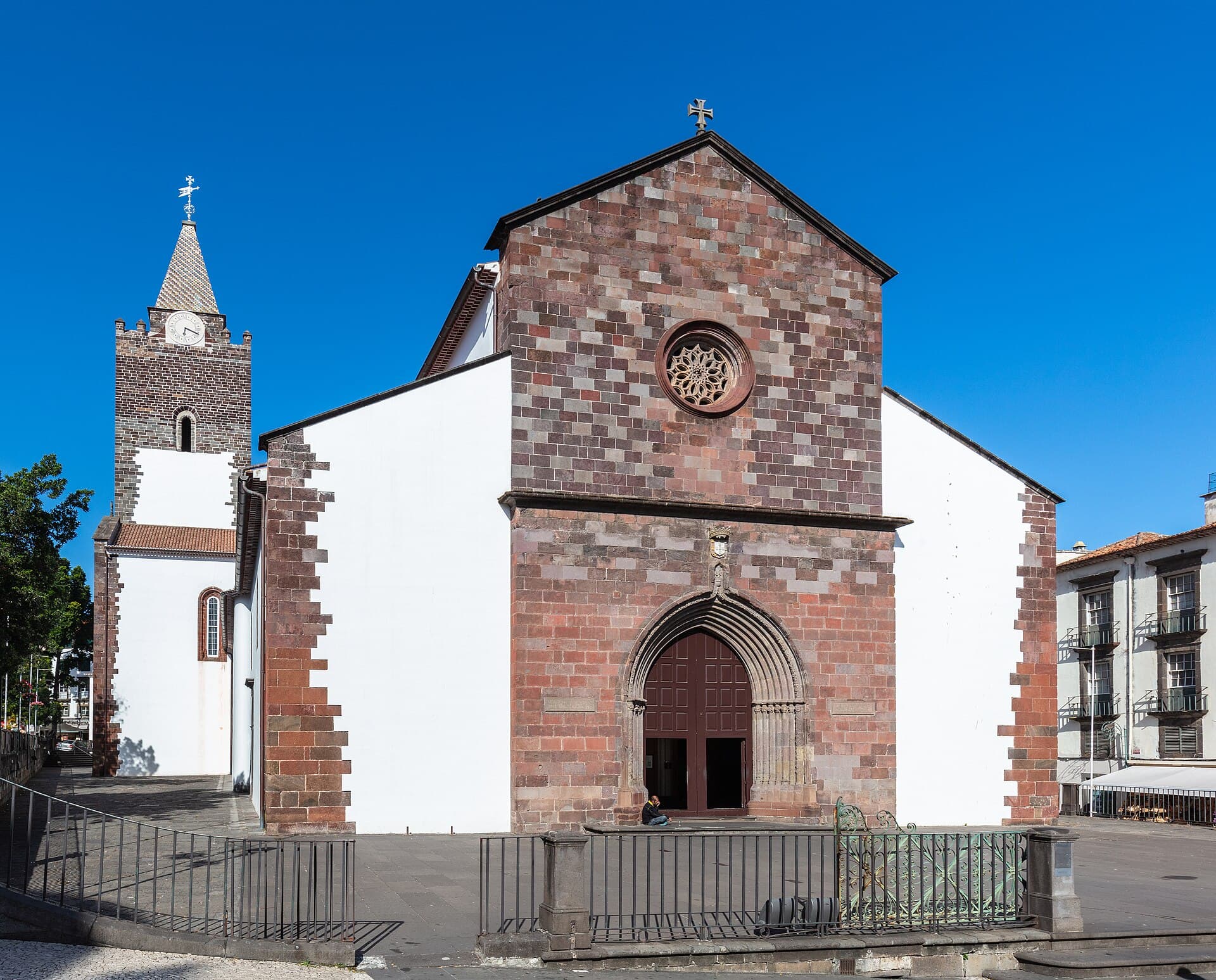 Funchal Cathedral (the Sé)Funchal's Sé is the Age of Discoveries' oldest surviving daughter: a 1514 cathed7 minutes walk4.7
More than you'd expect. Old machinery has visual appeal and a scale that holds attention, and the story is human rather than technical: how people lived on an island before and after electricity. One hour is enough for anyone not specifically interested.
A network of water channels cut by Madeira's people over centuries to carry water from the island's rainy north to its dry south, running to thousands of kilometres. Walking alongside them is the island's best-known activity, and the paths pass through forest, tunnels and along mountain edges.