
Stortorget square
Sweden's most photographed coloured houses.
Arild Vågen — CC BY-SA 3.0 · Øyvind Holmstad — CC BY-SA 4.0 · Øyvind Holmstad — CC BY-SA 4.0 · Ralf Roletschek — CC BY-SA 1.0 fi
Gamla Stan is the nucleus from which Stockholm grew in the thirteenth century: an entire island of narrow stone lanes and facades painted yellow, orange and brick red, preserved to a degree that makes it one of northern Europe's most complete historic centres. It did not survive by accident but because Sweden stayed out of both world wars, so the city was never bombed. Its main axis is Stortorget square, whose row of coloured houses fronts the city's postcards — and which was also the stage for one of the bloodiest moments in Swedish history: the Stockholm Bloodbath of 1520, when the Danish king Christian II executed around eighty Swedish nobles here over two days, the event that triggered the revolt ending union with Denmark. The real pleasure is getting lost without a map: alleys like Skartenbergsgrand and Marten Trotzig barely two arms wide, craft shops and small cafes in seventeenth-century cellars, and Storkyrkan cathedral in the middle. Avoid the main Vasterlanggatan street at midday — the busiest and priciest — and take the side lanes instead.
Sweden's most photographed coloured houses.
Some barely two arms wide.
Gamla stan, 111 29 Stockholm
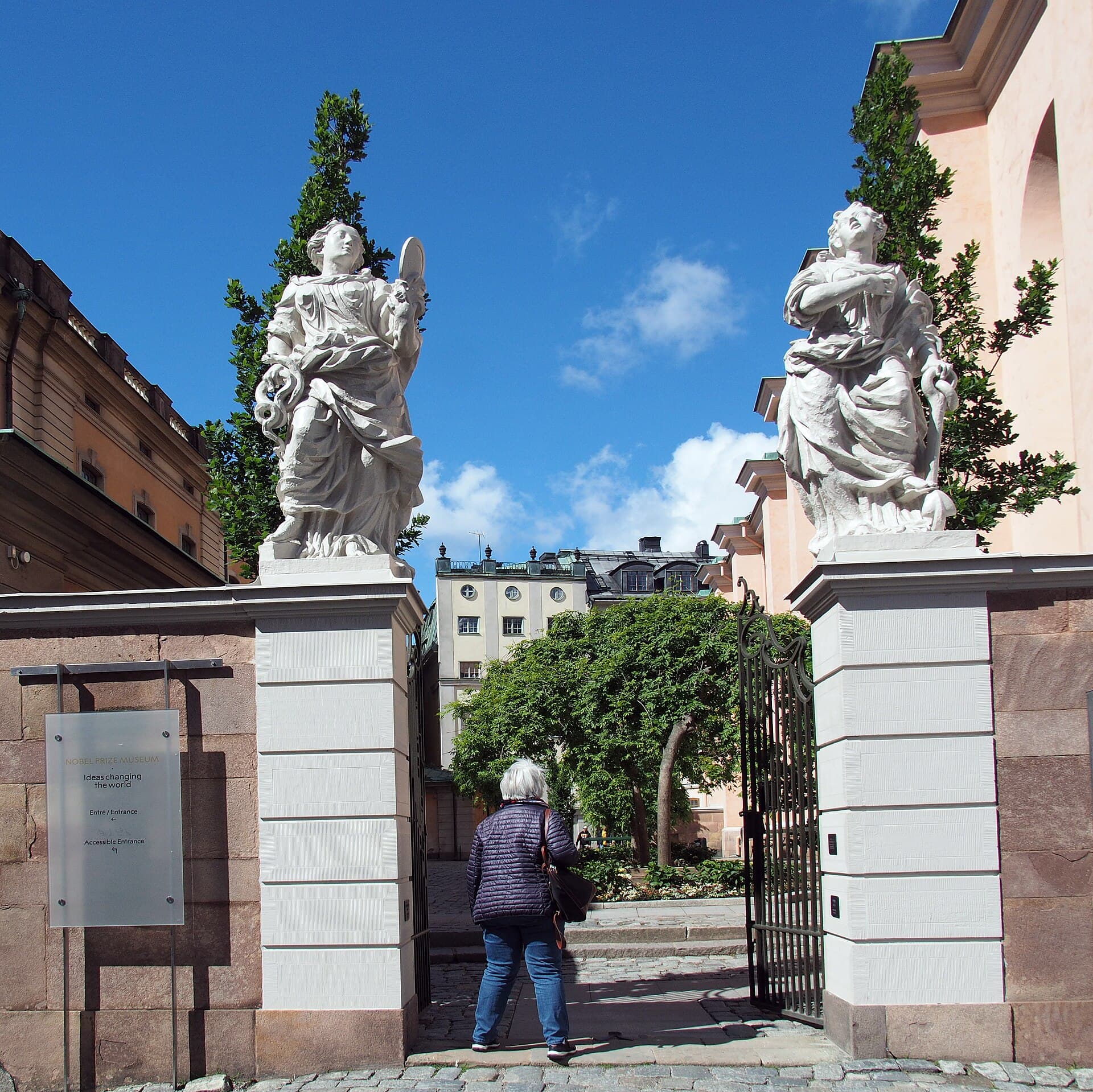 The Nobel Prize MuseumThe Nobel Prize Museum occupies the old stock exchange building on **Stortorget*1 minute walk4.3
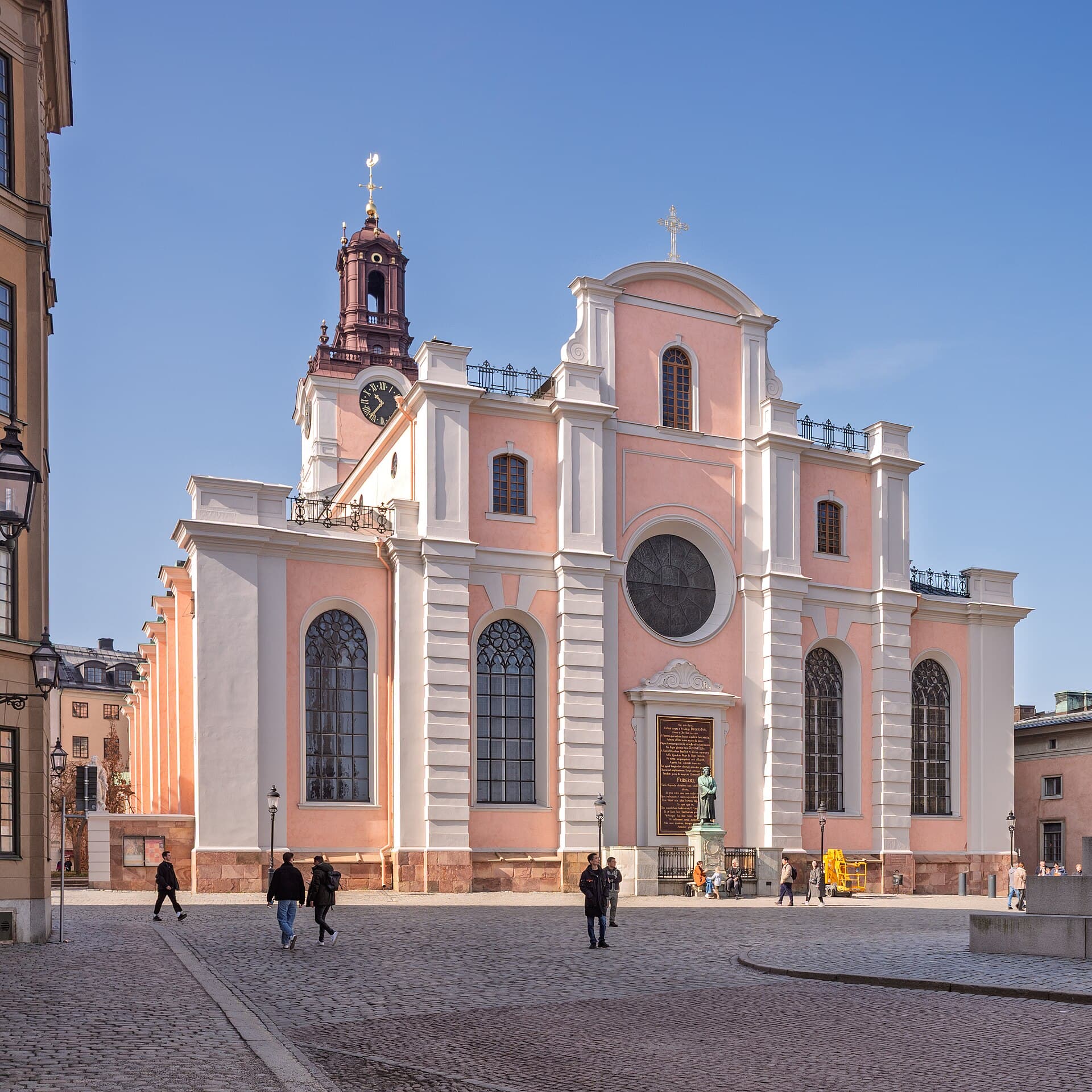 Storkyrkan CathedralStorkyrkan is the oldest church in central Stockholm, its origins reaching back 1 minute walk4.4
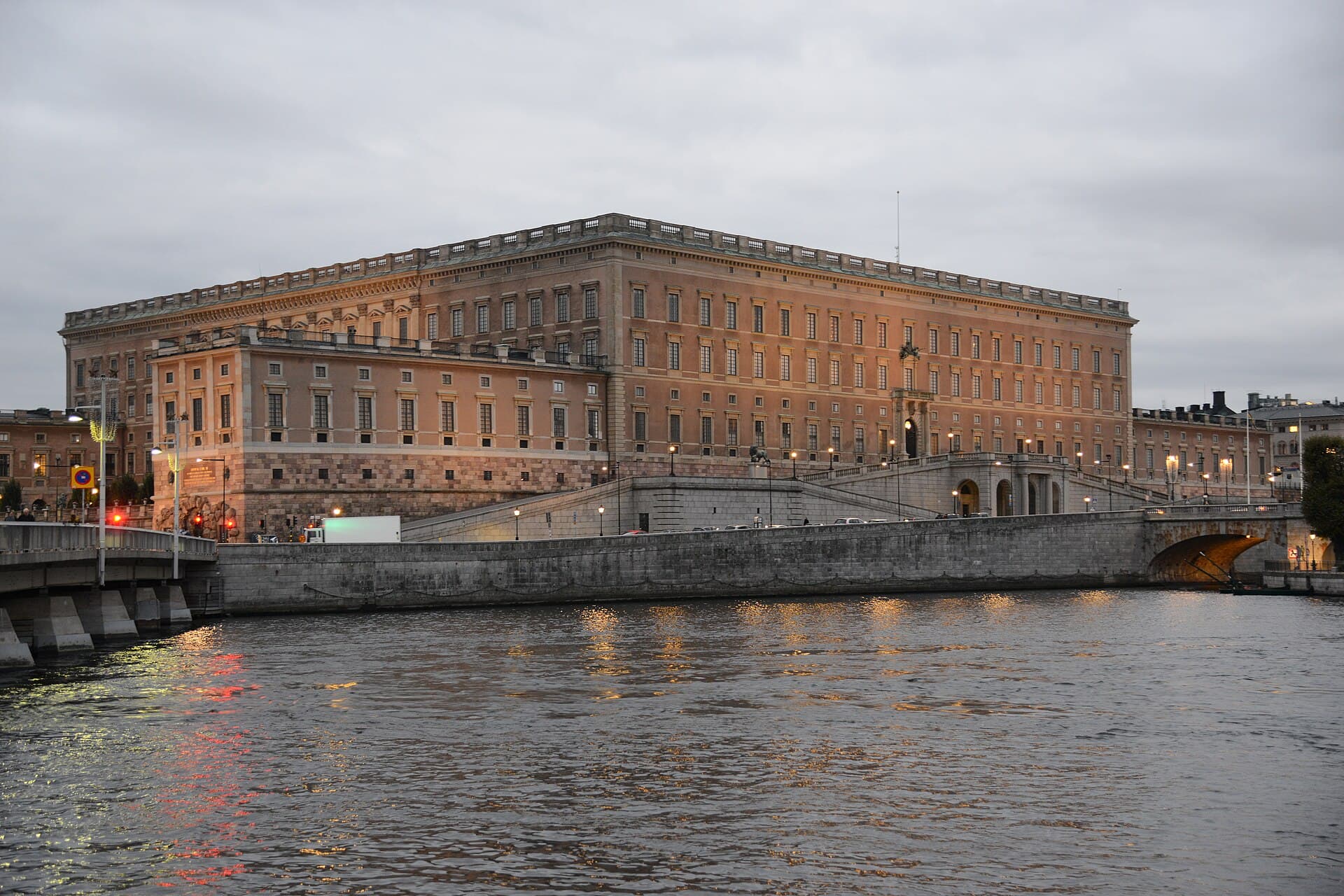 The Royal PalaceStockholm's Royal Palace is the official residence of Sweden's king and one of E2 minutes walk4.4
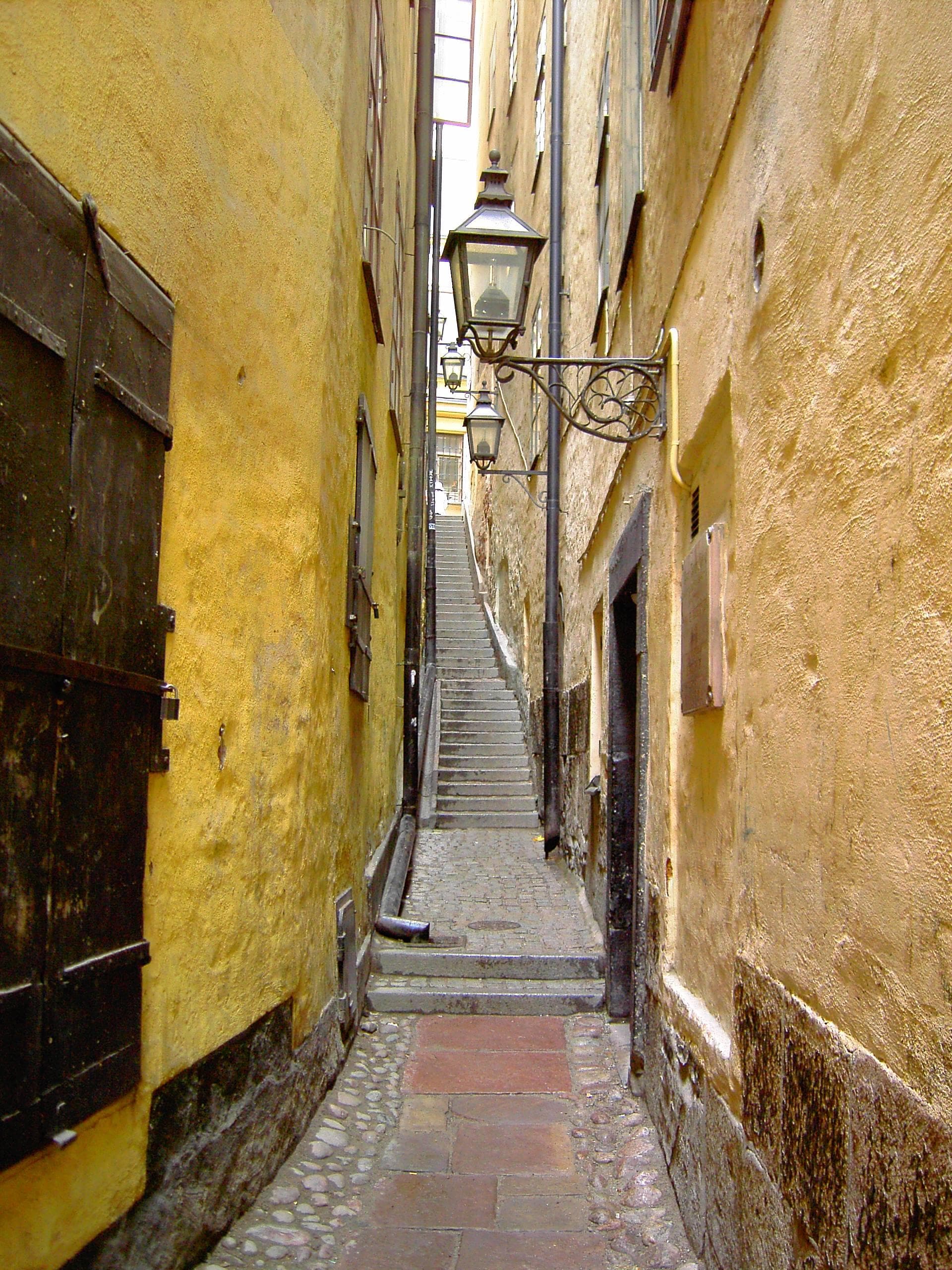 Marten Trotzigs GrandMarten Trotzigs Grand is Stockholm's narrowest street: just ninety centimetres a3 minutes walk4.5
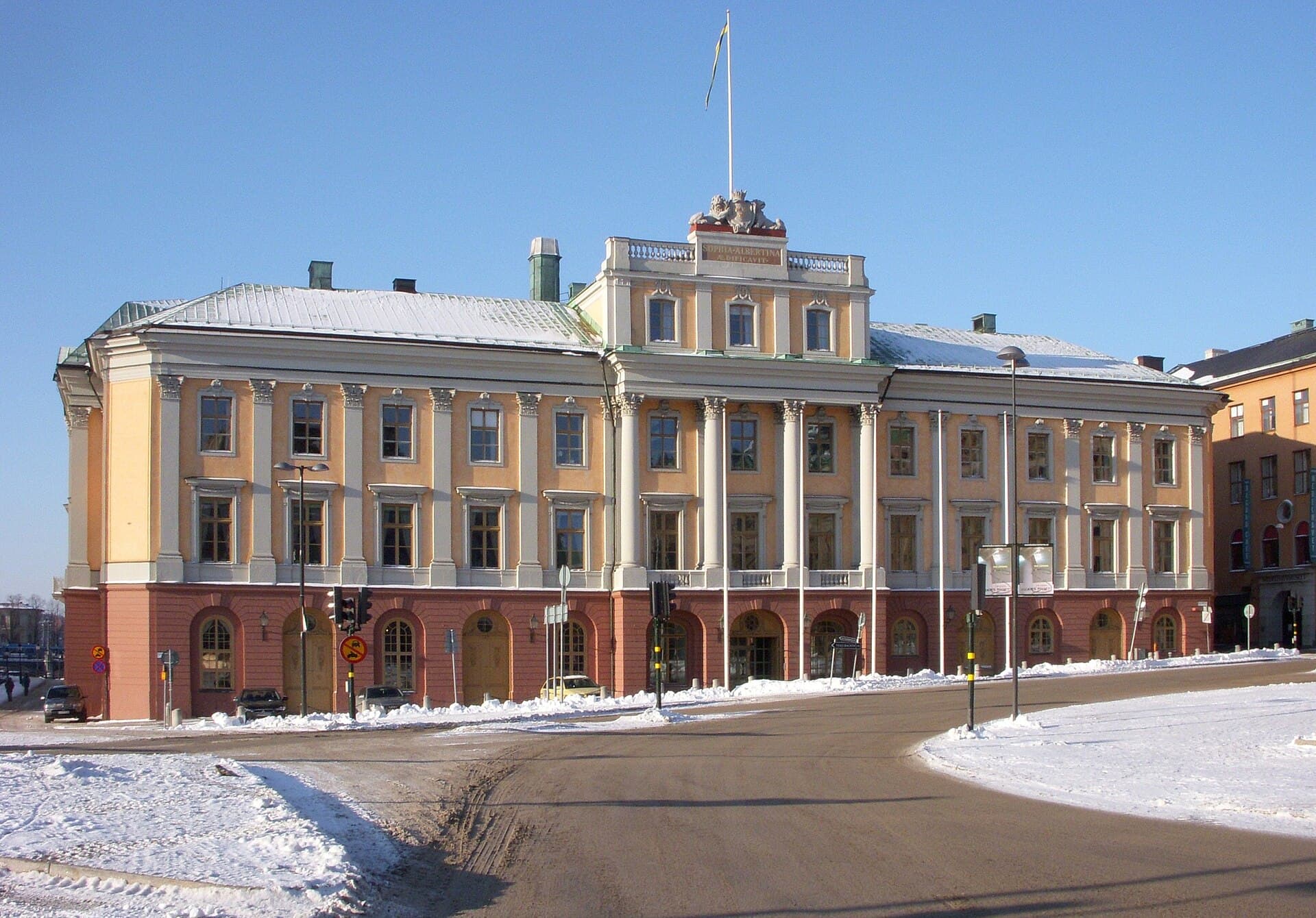 Arvfurstens palatsThe Hereditary Prince's Palace stands on **Gustav Adolfs torg** in central Stock6 minutes walk4.5
Two hours suffice to walk it and photograph the square and main lanes, but the island also holds the Royal Palace, Storkyrkan, the Nobel Museum and parliament on the adjacent islet — enter any of them and it becomes a full day. Best timing is early morning before nine, when the alleys are completely empty of tour groups.