
The Gustavian front
Plainness, proportion and restrained ornament.
Holger.Ellgaard — CC BY-SA 3.0 · ArildV — CC BY-SA 4.0 · Jorge Láscar from Melbourne, Australia — CC BY 2.0 · Holger.Ellgaard — CC BY-SA 4.0
The Hereditary Prince's Palace stands on **Gustav Adolfs torg** in central Stockholm, and today houses the **Swedish Ministry for Foreign Affairs** — so it is a working government building that cannot be entered, but among the handsomest fronts in the city. It was built between 1783 and 1794 in the Gustavian style — the Swedish version of neoclassicism that prevailed under Gustav III, marked by plainness, proportion and restrained ornament, closer to French sobriety than to Baroque. It was built for Princess Sofia Albertina, the king's sister, and later passed to the hereditary prince who gave it his name. The state bought it in 1906. It faces the **Royal Opera** directly across the square, and the two form Stockholm's official frontage — and from here the Royal Palace is seen across the water. **Seen from outside only**, a two-minute stop on the walk between the opera and Gamla Stan.
Plainness, proportion and restrained ornament.
The Royal Opera opposite and the palace across the water.
Gustav Adolfs torg 1, Stockholm
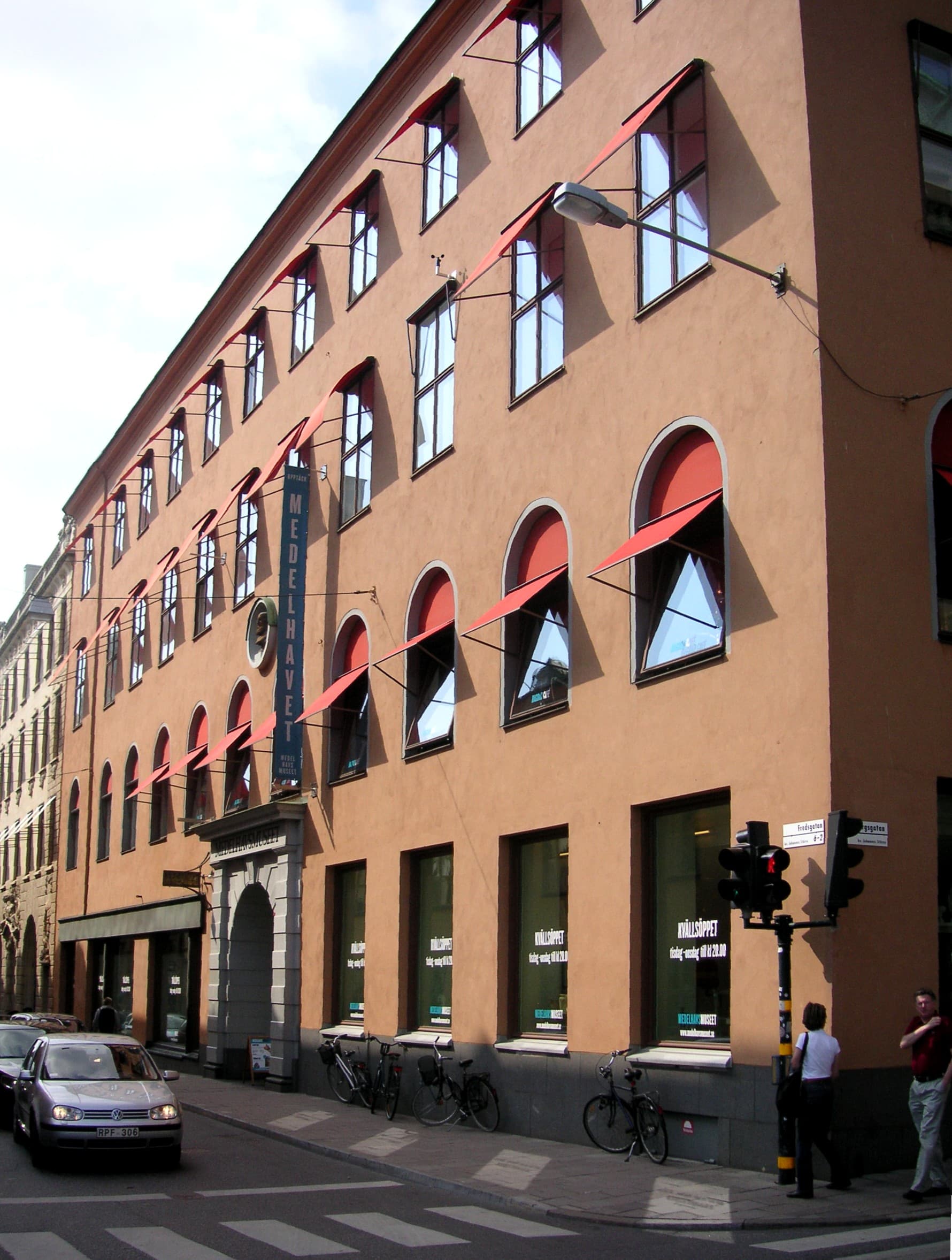 The Museum of Mediterranean and Near Eastern AntiquitiesMedelhavsmuseet is Stockholm's museum of Mediterranean and Near Eastern archaeol1 minute walk4.3
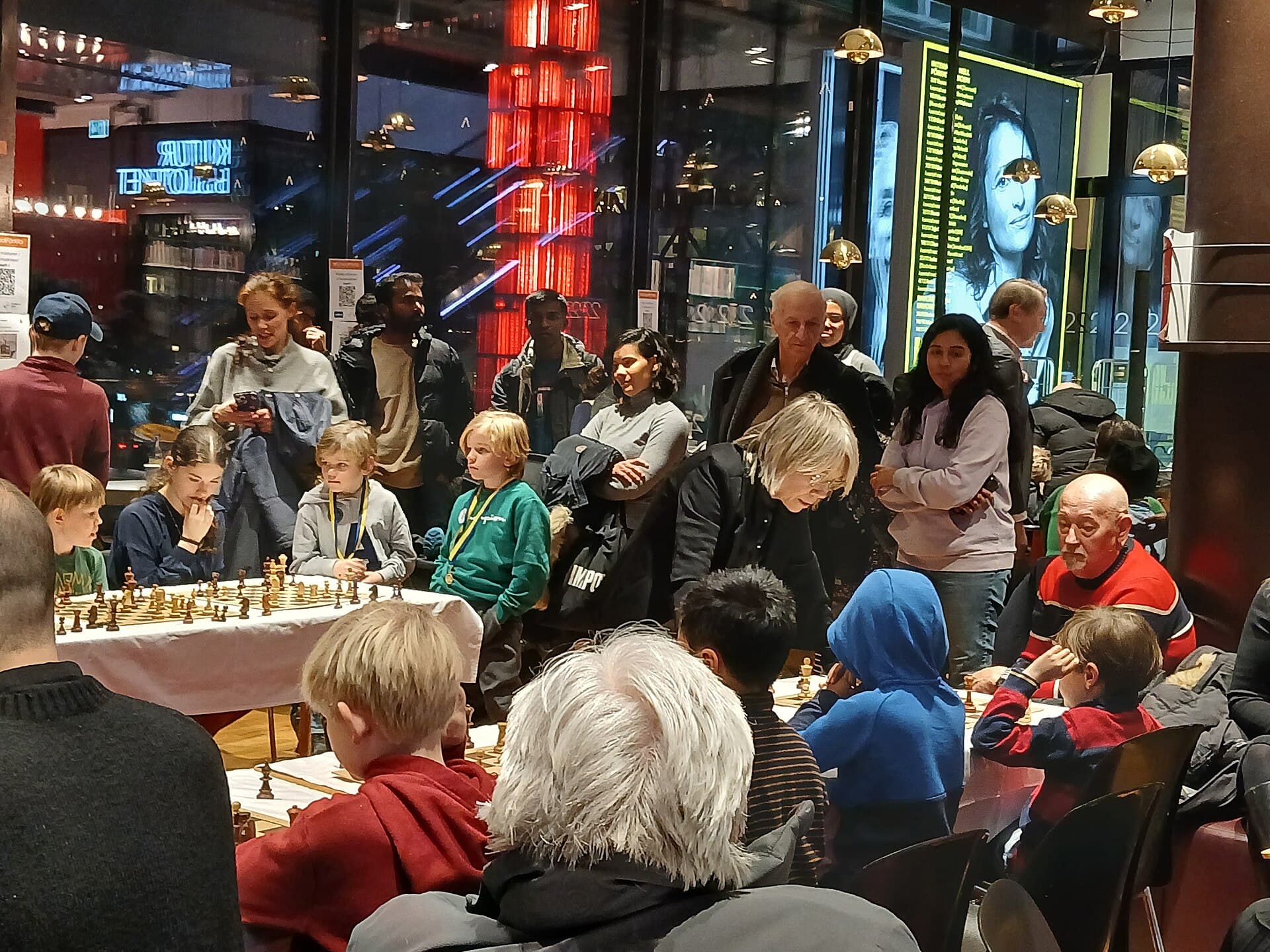 Kulturhuset StadsteaternA cultural centre and city theatre in a glass building on Sergels torg in centra4 minutes walk4.2
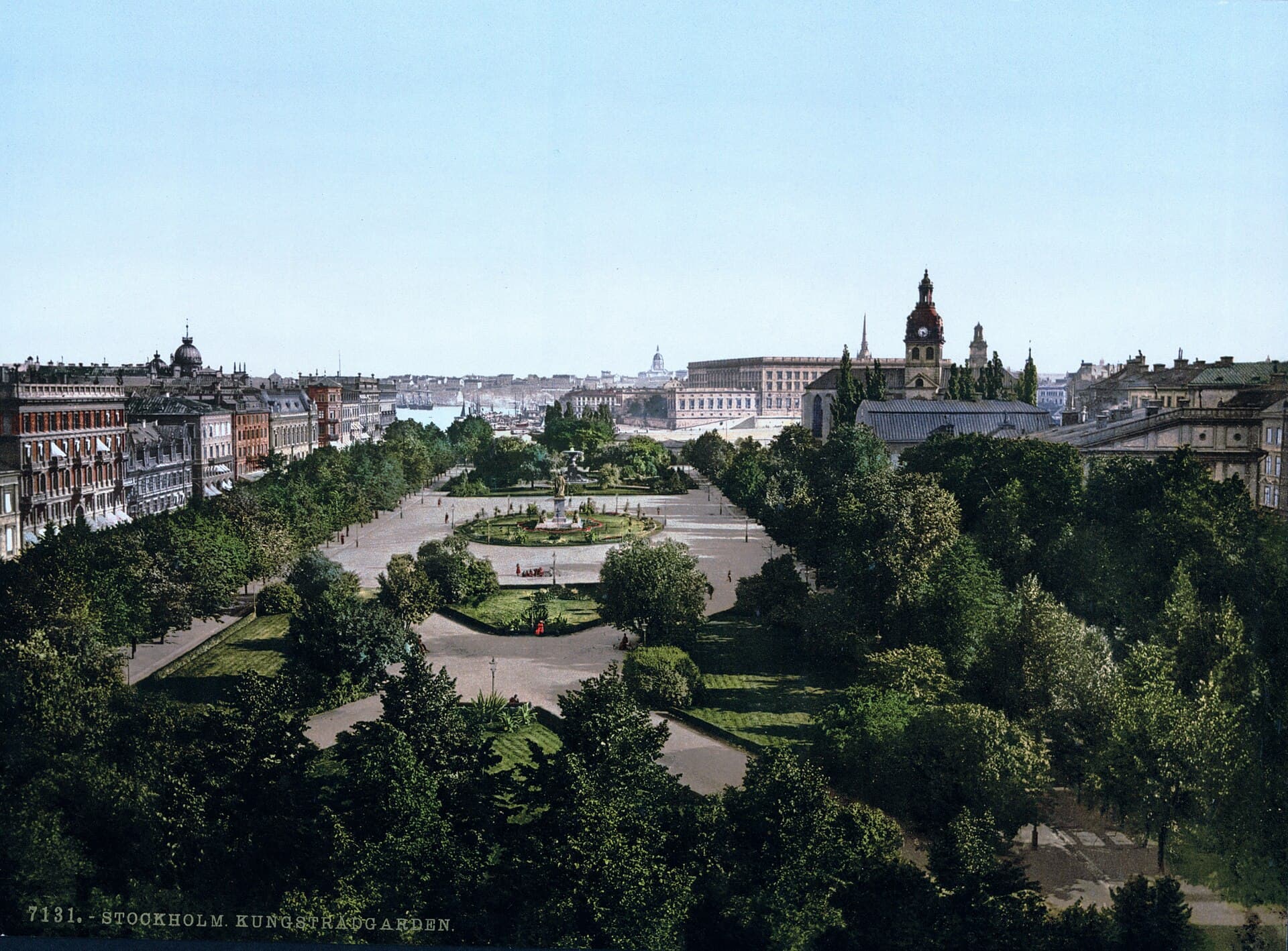 Kungstradgarden (The King's Garden)Kungstradgarden is a long rectangular square in the heart of commercial Stockhol5 minutes walk4.6
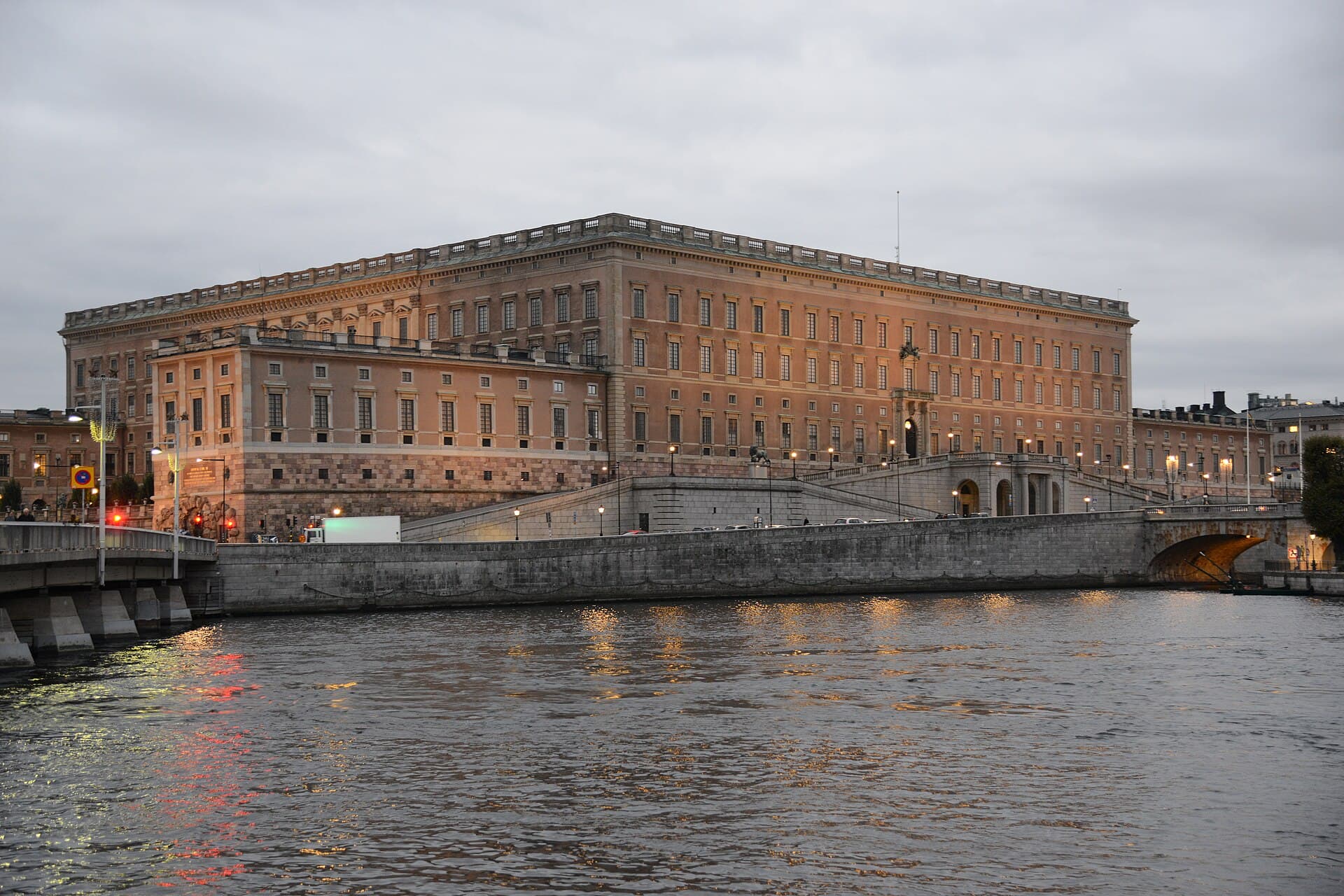 The Royal PalaceStockholm's Royal Palace is the official residence of Sweden's king and one of E5 minutes walk4.4
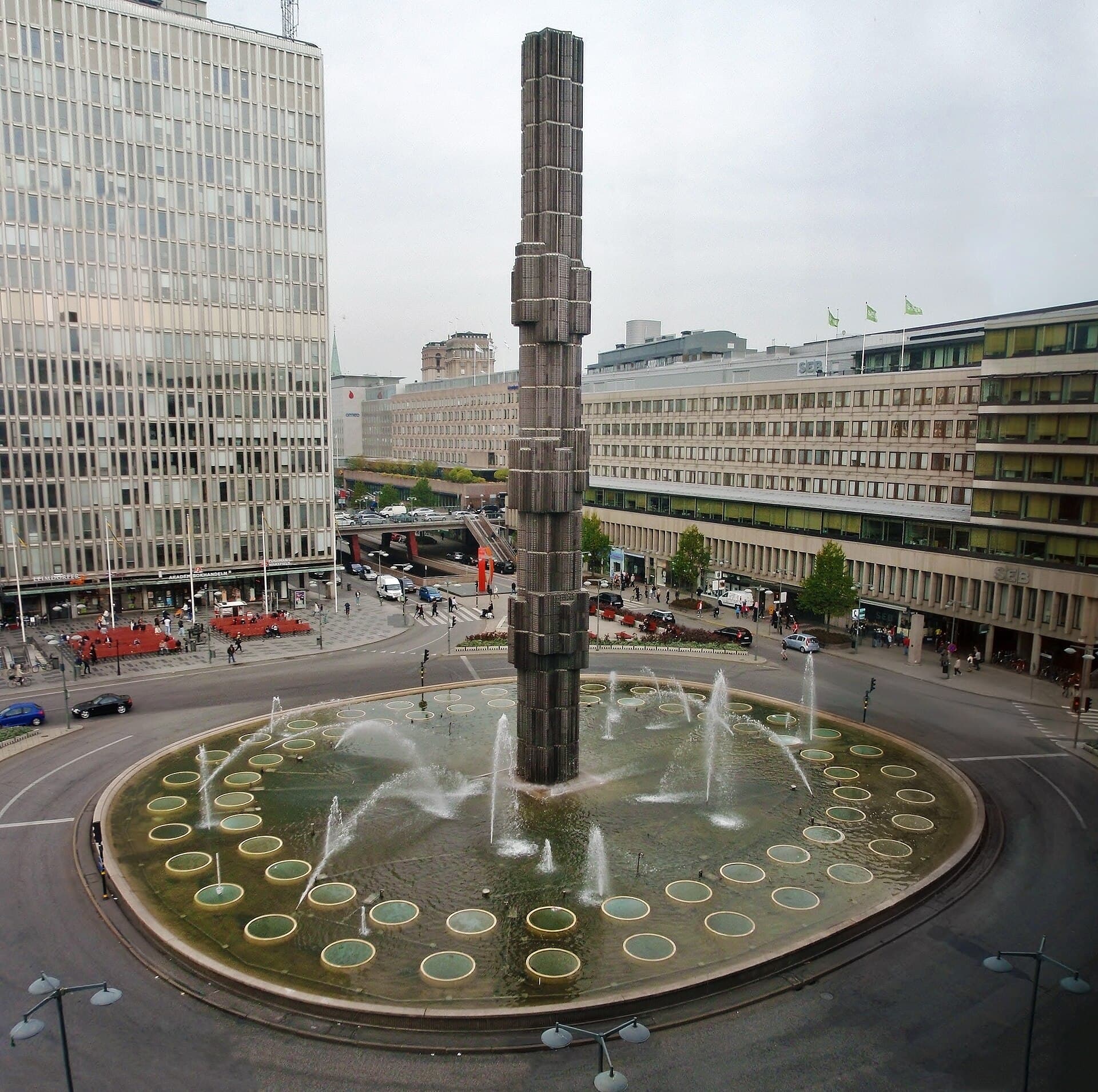 Sergels TorgSergels Torg is the heart of modern Stockholm and the exact opposite of Gamla St5 minutes walk4.2
The style that prevailed in Sweden from roughly 1770 to 1810 under the kings Gustav III and Gustav IV, covering architecture, furniture and interiors. Its essence is French neoclassicism passed through a northern temperament: straight lines, quiet proportion, pale colours — greys and blue-whites — painted rather than gilded wood, and little ornament. The reason is partly material: Sweden was not as rich as France, so the grandeur was not copied but simplified. The style's effect on Swedish taste is still visible in modern Scandinavian design.