
The Treasury
State crowns and sceptres in the cellars.
Jorge Láscar from Melbourne, Australia — CC BY 2.0 · Ray Swi-hymn from Sijhih-Taipei, Taiwan — CC BY-SA 2.0 · Ray Swi-hymn from Sijhih-Taipei, Taiwan — CC BY-SA 2.0 · Ray Swi-hymn from Sijhih-Taipei, Taiwan — CC BY-SA 2.0
Stockholm's Royal Palace is the official residence of Sweden's king and one of Europe's largest occupied palaces, with over six hundred rooms. It was built on the ruins of Tre Kronor castle, consumed by fire in 1697, so the new baroque design took the form of a severe square block around an inner courtyard — less lavish than Versailles and more disciplined, with a different facade on each side representing the king, the queen, the nation and the nobility. A visit is not one hall but five museums under a single roof: the state apartments with their original furnishings, the Treasury in the cellars where the crown regalia are kept, the Tre Kronor Museum displaying remains of the burnt castle below ground level, the armoury, and the Gustavian antiquities museum. One ticket covers them all. The king still uses the palace for official duties, so wings may close at short notice for a diplomatic reception. The changing of the guard takes place in the outer courtyard around midday on most days of the year — a military parade with music lasting about forty minutes, worth standing for if your timing coincides.
State crowns and sceptres in the cellars.
Remains of the burnt castle underground.
Kungliga slottet, 111 30 Stockholm
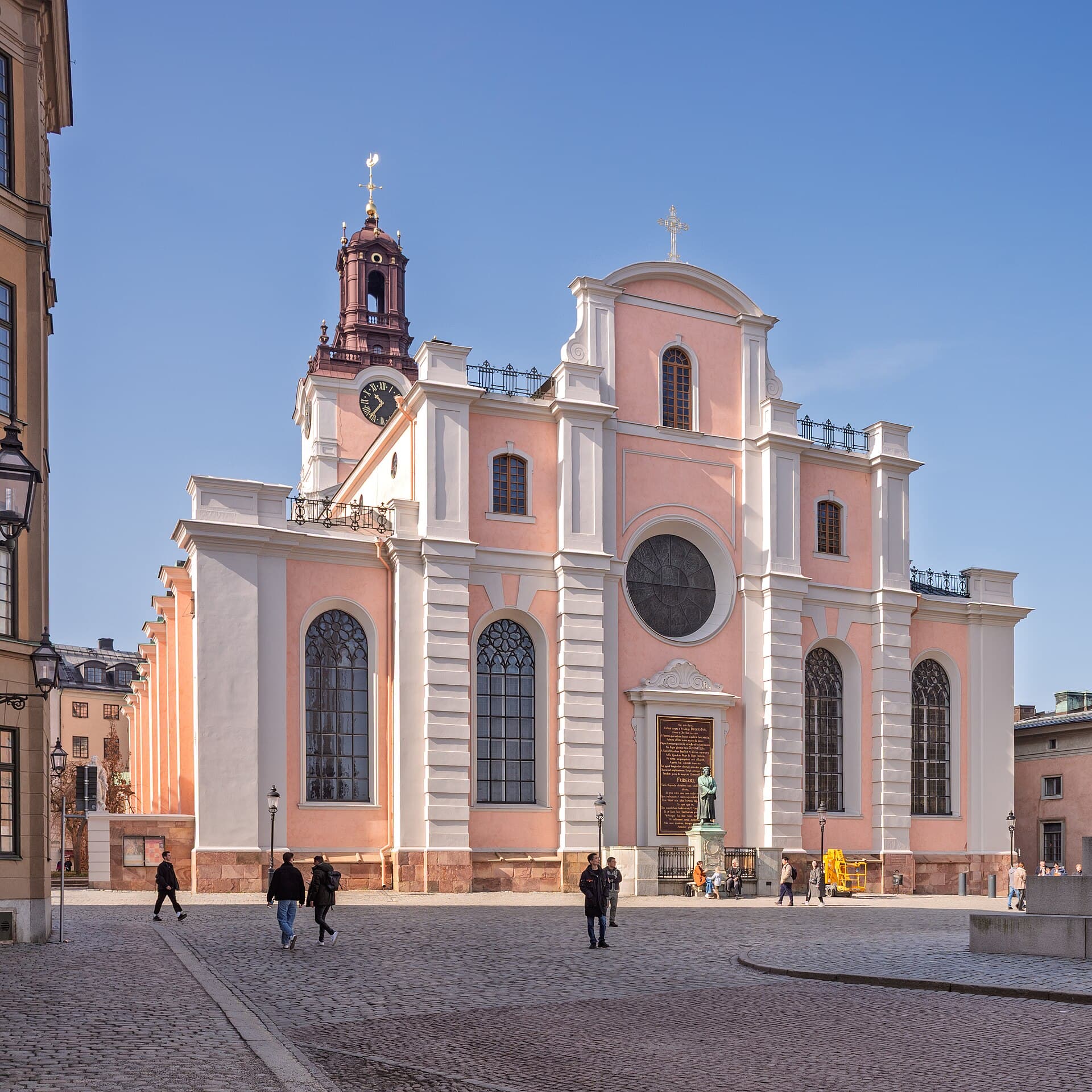 Storkyrkan CathedralStorkyrkan is the oldest church in central Stockholm, its origins reaching back 1 minute walk4.4
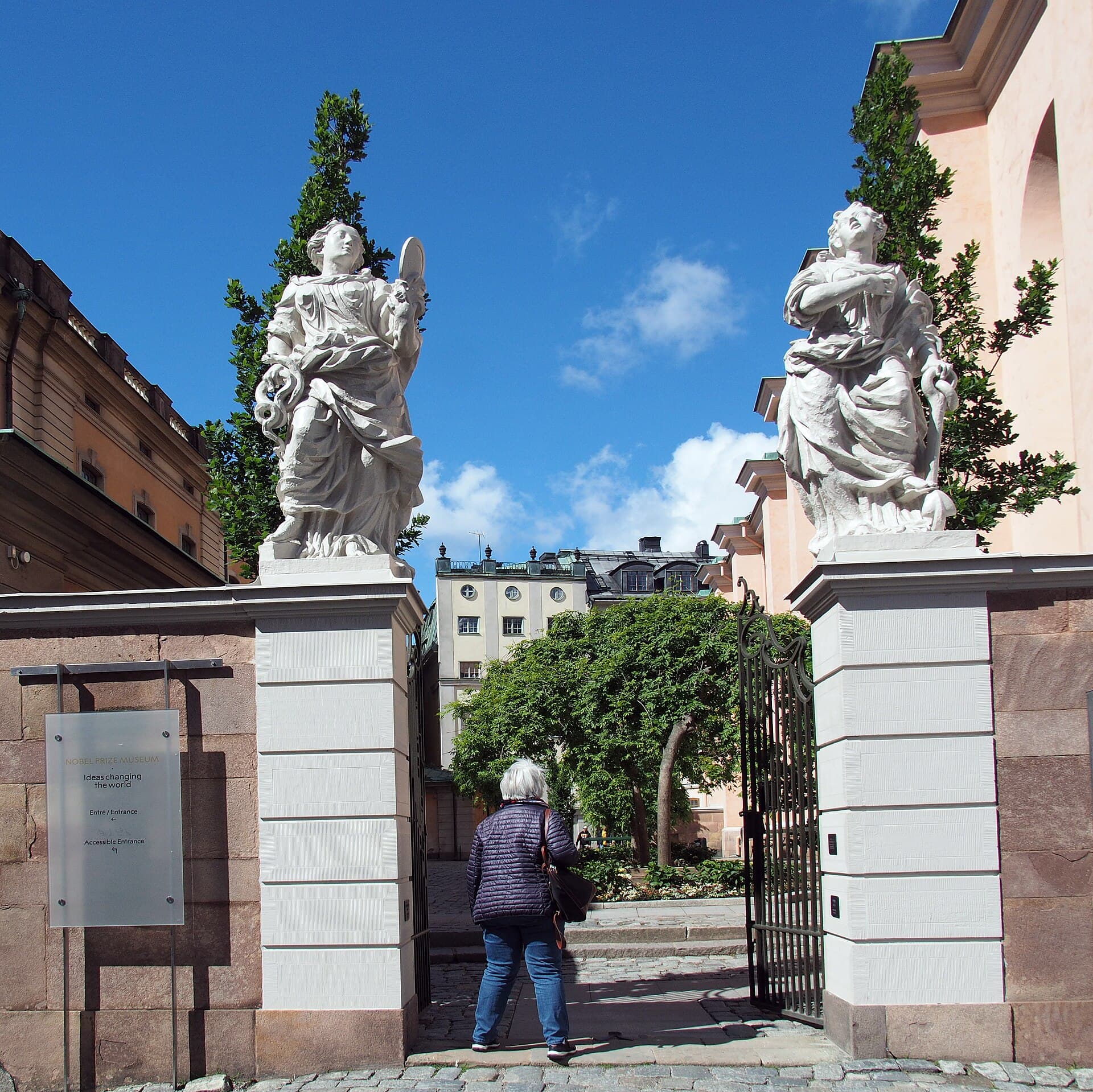 The Nobel Prize MuseumThe Nobel Prize Museum occupies the old stock exchange building on **Stortorget*2 minutes walk4.3
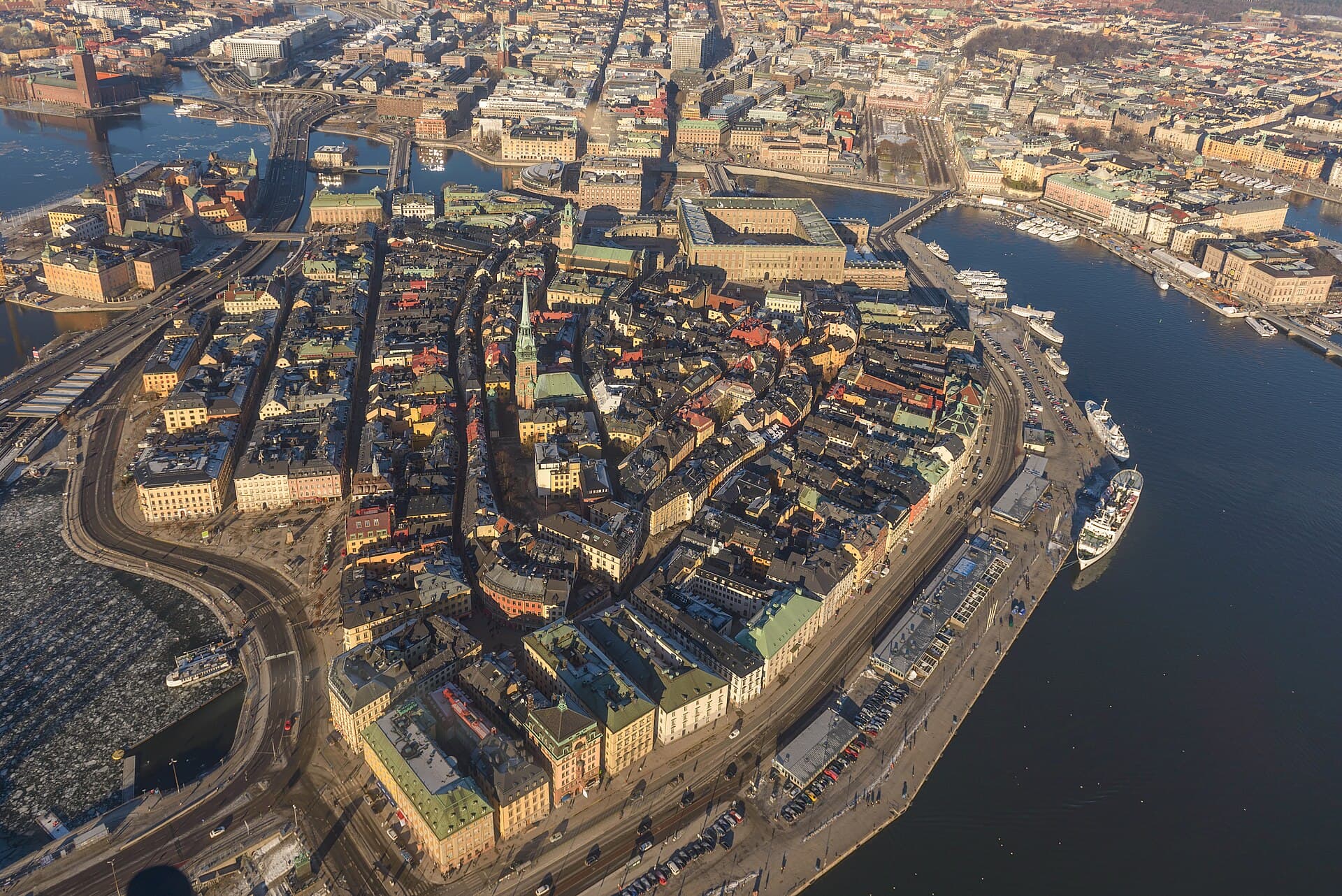 Gamla Stan (The Old Town)Gamla Stan is the nucleus from which Stockholm grew in the thirteenth century: a2 minutes walk
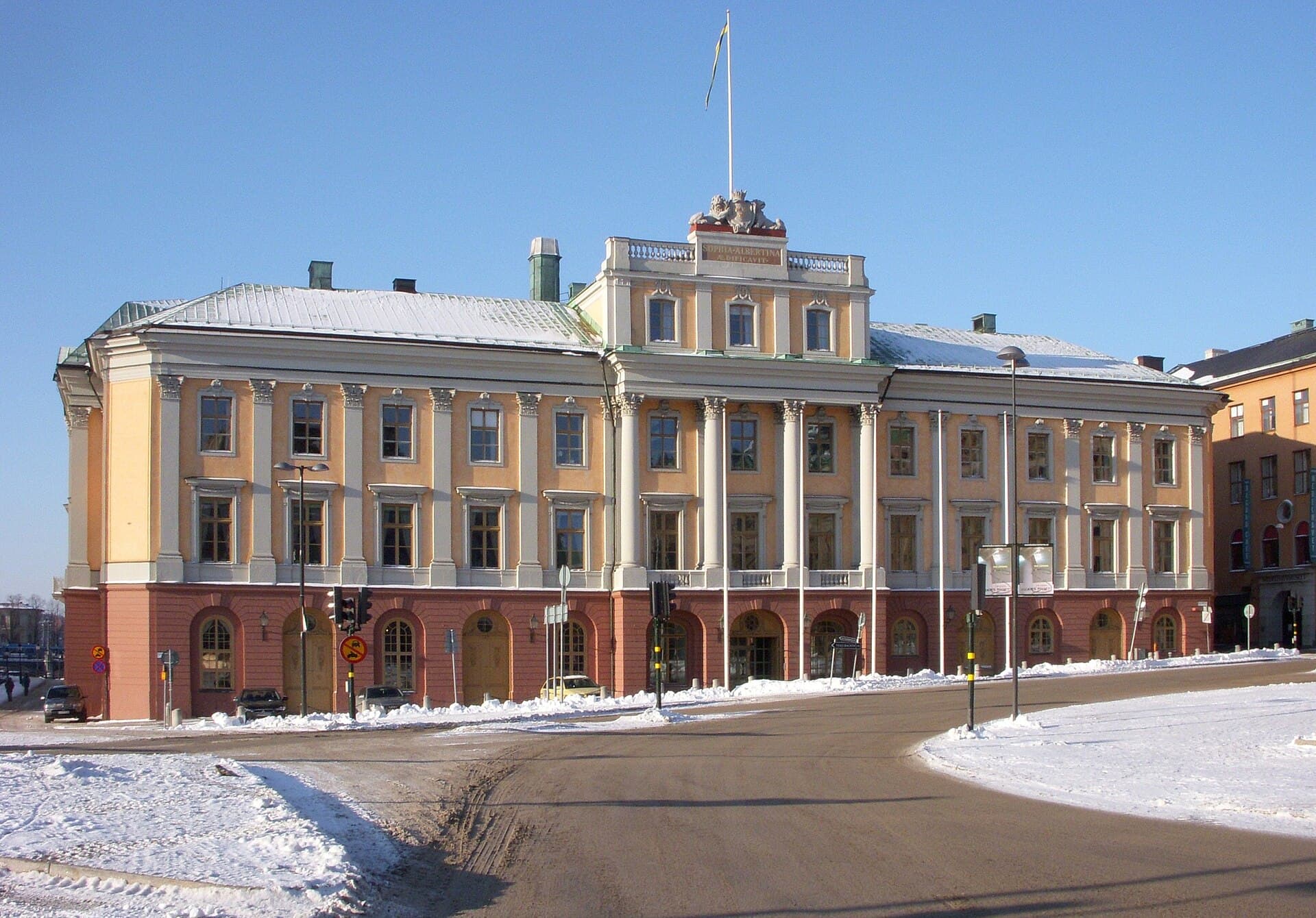 Arvfurstens palatsThe Hereditary Prince's Palace stands on **Gustav Adolfs torg** in central Stock5 minutes walk4.5
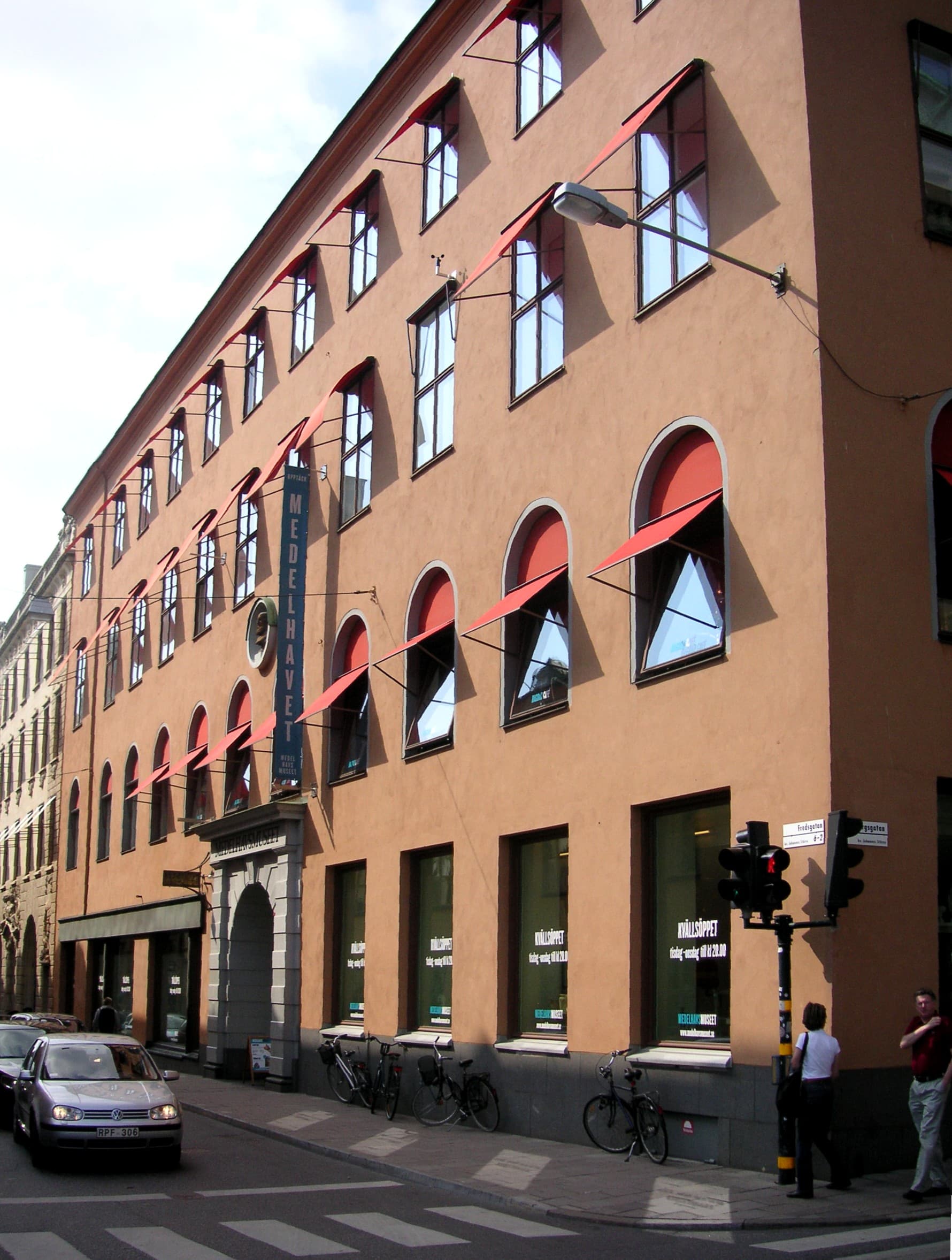 The Museum of Mediterranean and Near Eastern AntiquitiesMedelhavsmuseet is Stockholm's museum of Mediterranean and Near Eastern archaeol5 minutes walk4.3
No — the royal family has lived at Drottningholm west of the city since 1981, and the Royal Palace serves as the official office for receiving ambassadors, hosting state banquets and signing decrees. What you visit are genuine working spaces rather than a pure museum, which is why closures happen at short notice.