
An old Cairo house
Screens and painted ceilings.
Roland Unger — CC BY-SA 3.0 · Sailko — CC BY 3.0 · ولاء — Public domain · Sohilaali869 — CC BY-SA 4.0 · Sailko — CC BY 3.0 · ولاء — Public domain · Sohilaali869 — CC BY-SA 4.0
Two joined old houses beside the Mosque of Ahmad ibn Tulun, the older from the sixteenth century, known as Bayt al-Kritliyya and among the finest surviving examples of old Cairene homes. The British officer Gayer-Anderson lived here between 1935 and 1942, filling them with objects from across the Islamic world, and then gave the houses and their contents to Egypt. You wander through rooms with painted wooden ceilings, mashrabiya screens overlooking an inner courtyard, marble fountains and rooms furnished in Arab and Turkish style, with carpets, furniture, ceramics, manuscripts and paintings, and a women's gallery looking down on the reception hall from behind the screens. The house became famous worldwide when scenes of the 1977 James Bond film The Spy Who Loved Me were shot here, and old folk tales and legends cling to it. From its roof there is a view of Ibn Tulun's spiral minaret. A foreign visitor's ticket costs about a hundred Egyptian pounds, and it opens from nine to three in the afternoon. It is usually visited together with the adjoining Mosque of Ibn Tulun.
Screens and painted ceilings.
Shot here in 1977.
Ibn Tulun's minaret.
Sayyida Zeinab, adjoining the Mosque of Ibn Tulun
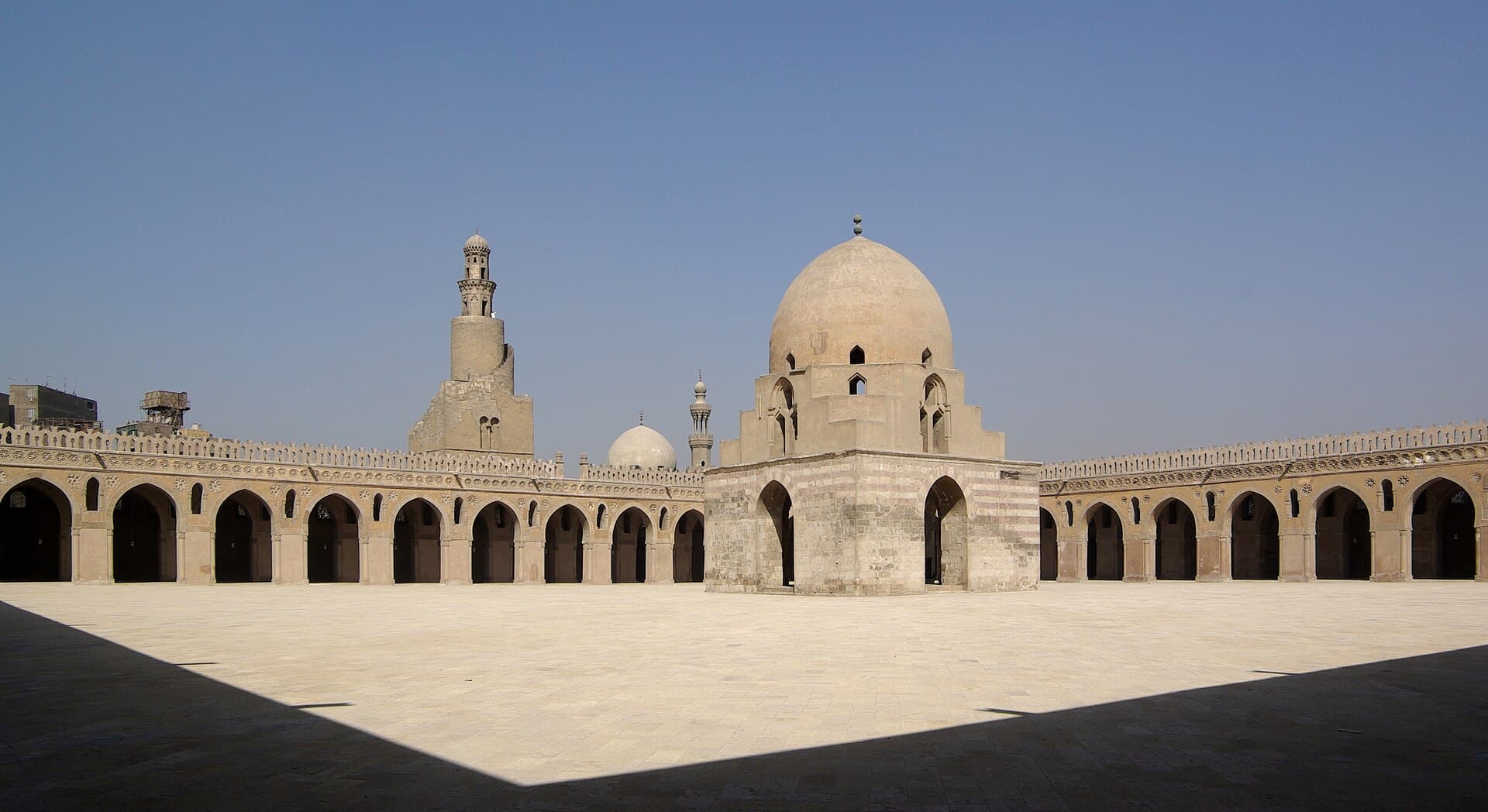 Mosque of Ibn TulunThe oldest mosque in Egypt surviving in its original form, and the largest in ar2 minutes walk4.6
 Mosque-Madrasa of Sultan HassanThe largest thing the Mamluks built, and to many historians the summit of Islami9 minutes walk4.8
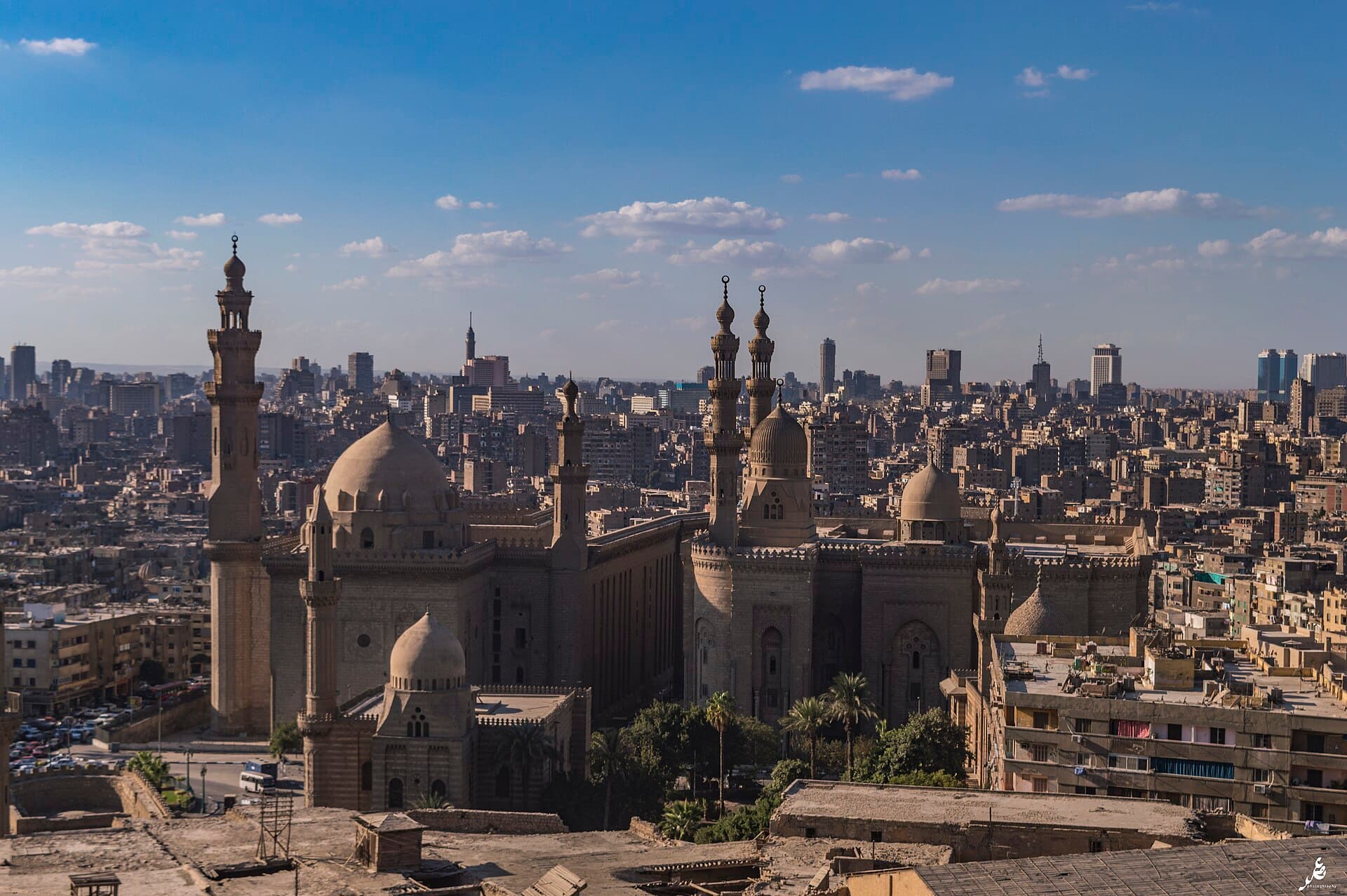 Al-Rifa'i MosqueA huge, grand mosque on Citadel Square, facing the Mamluk Madrasa of Sultan Hass10 minutes walk
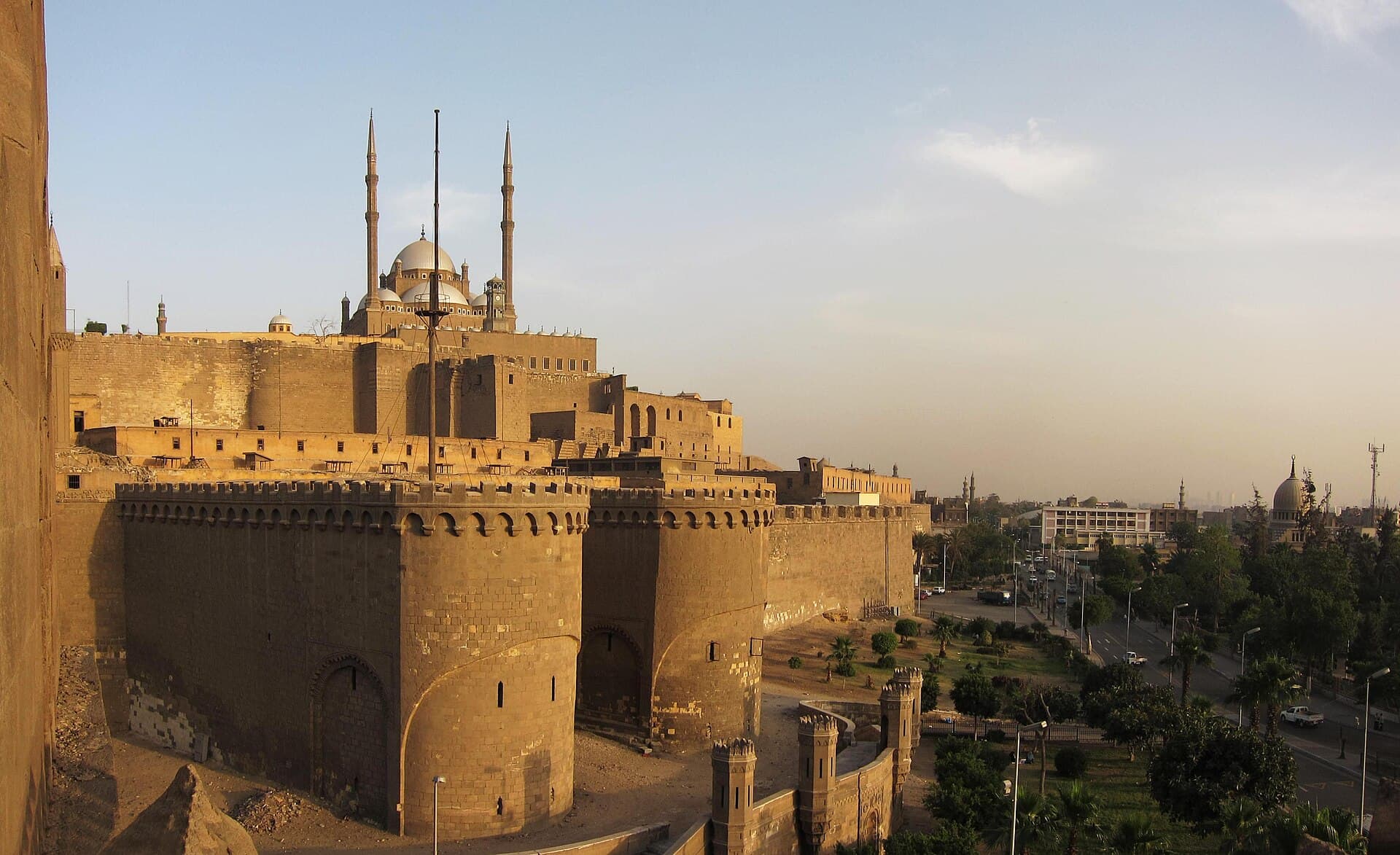 Saladin CitadelThe fortress from which Egypt was ruled for seven hundred years, set on a spur o11 minutes walk4.5
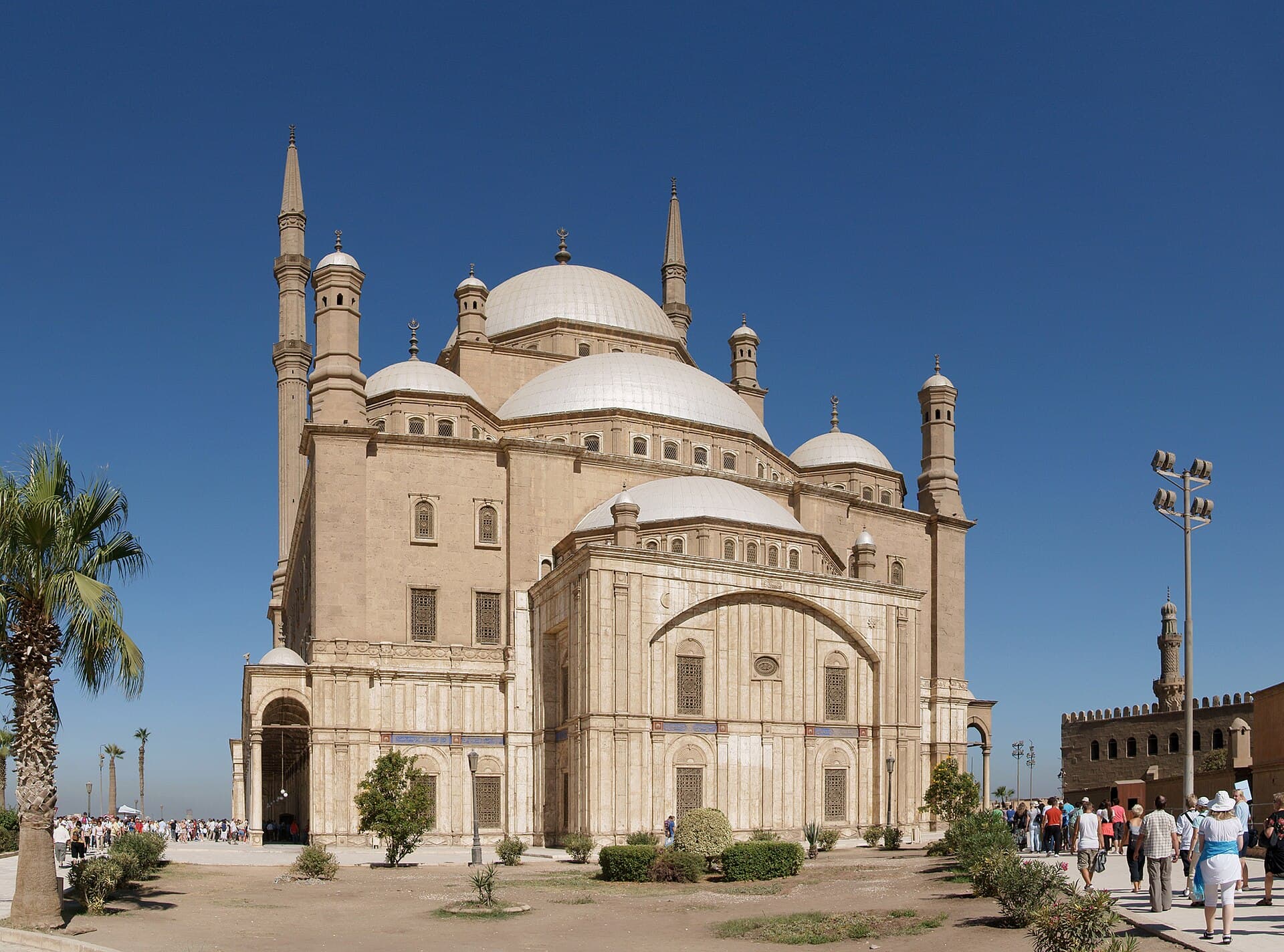 Muhammad Ali MosqueThe grey-domed mosque with two slender minarets that became Cairo's skyline, kno11 minutes walk4.8
Fairly early, at three in the afternoon, so visit in the morning with the adjoining Mosque of Ibn Tulun.