
The indoor hall
A glass roof, marble columns and coloured Zsolnay tile — the finest interior of any bathhouse in Europe.
Zairon — CC BY-SA 3.0 · Jakub Hałun — CC BY-SA 4.0 · Fred Romero from Paris, France — CC BY 2.0 · Fred Romero from Paris, France — CC BY 2.0
The Gellért Baths are architecturally the most beautiful in Budapest, if not the largest. They opened in 1918 attached to the Gellért Hotel on the west bank at the foot of the hill, designed throughout in Hungarian Art Nouveau: a central hall under a glass roof, marble columns, walls faced in coloured Zsolnay tiles in plant and geometric patterns, and fountains shaped as lion heads. The springs that feed them have been known since the Middle Ages and were used by the Ottomans during their rule in Buda — the site was a bath for centuries before the present building. The water is rich in calcium, magnesium and bicarbonate, and the pools are graded from cold to around forty degrees. The difference from Széchenyi is real: Széchenyi is bigger and louder, and its outdoor pools are the famous winter experience; Gellért is smaller, quieter and visually finer, and the indoor hall under its glass roof is the image you will remember. If you have one visit and photography matters to you: Gellért. If you want the outdoor pools in snow: Széchenyi.
A glass roof, marble columns and coloured Zsolnay tile — the finest interior of any bathhouse in Europe.
Smaller graded pools under tiled arches — quieter than the main hall and more authentic.
A swimming pool in the rear courtyard, running an artificial wave machine in summer — less famous than Széchenyi and calmer.
Lion-head fountains, stained glass, worked iron stairways — the building itself rewards a visit before the water does.
Szent Gellért tér 2, Buda 1118
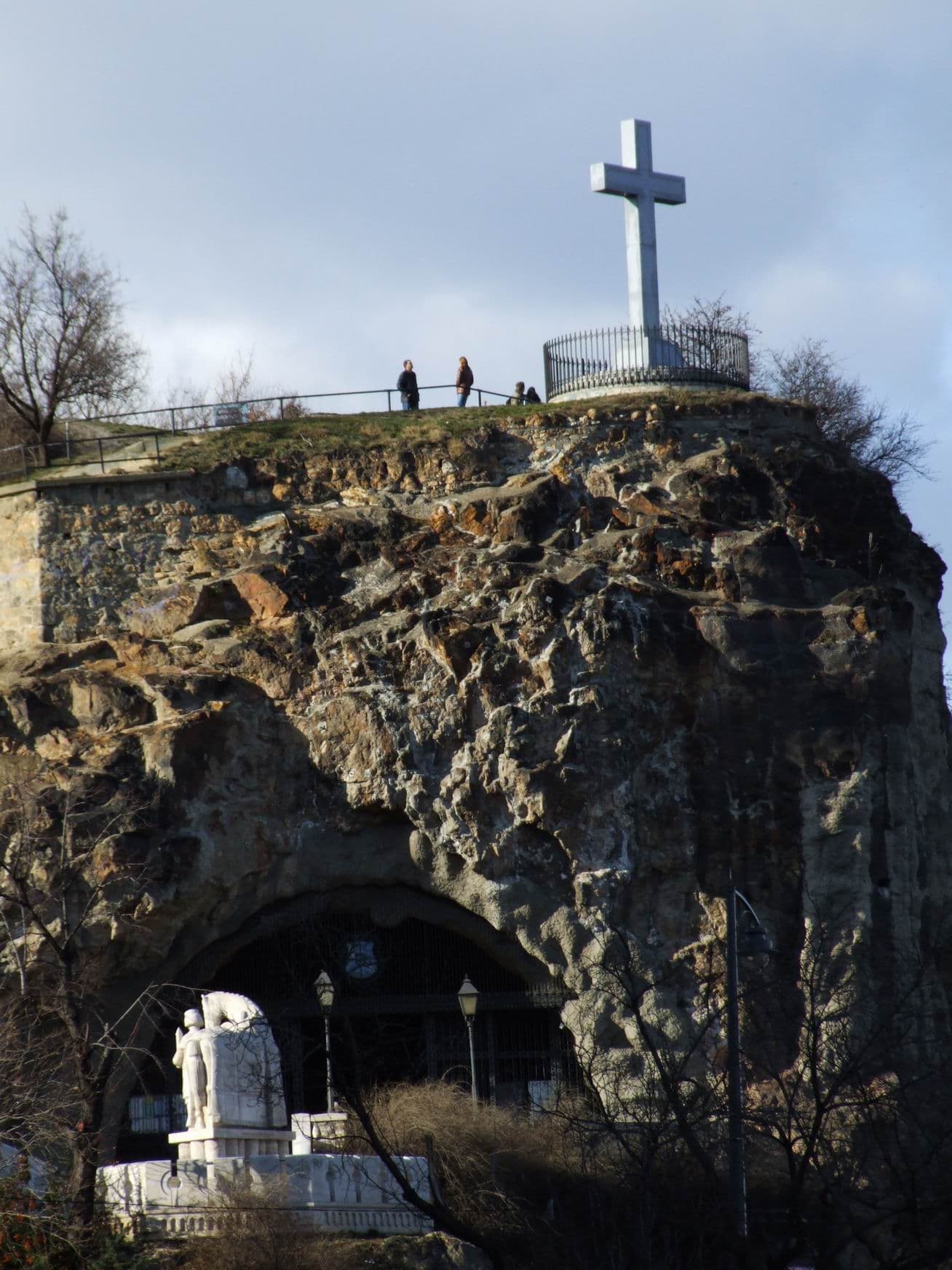 Gellért Hill CaveThe Gellért Hill Cave is a church cut into the rock at the hill's southern foot,2 minutes walk4.5
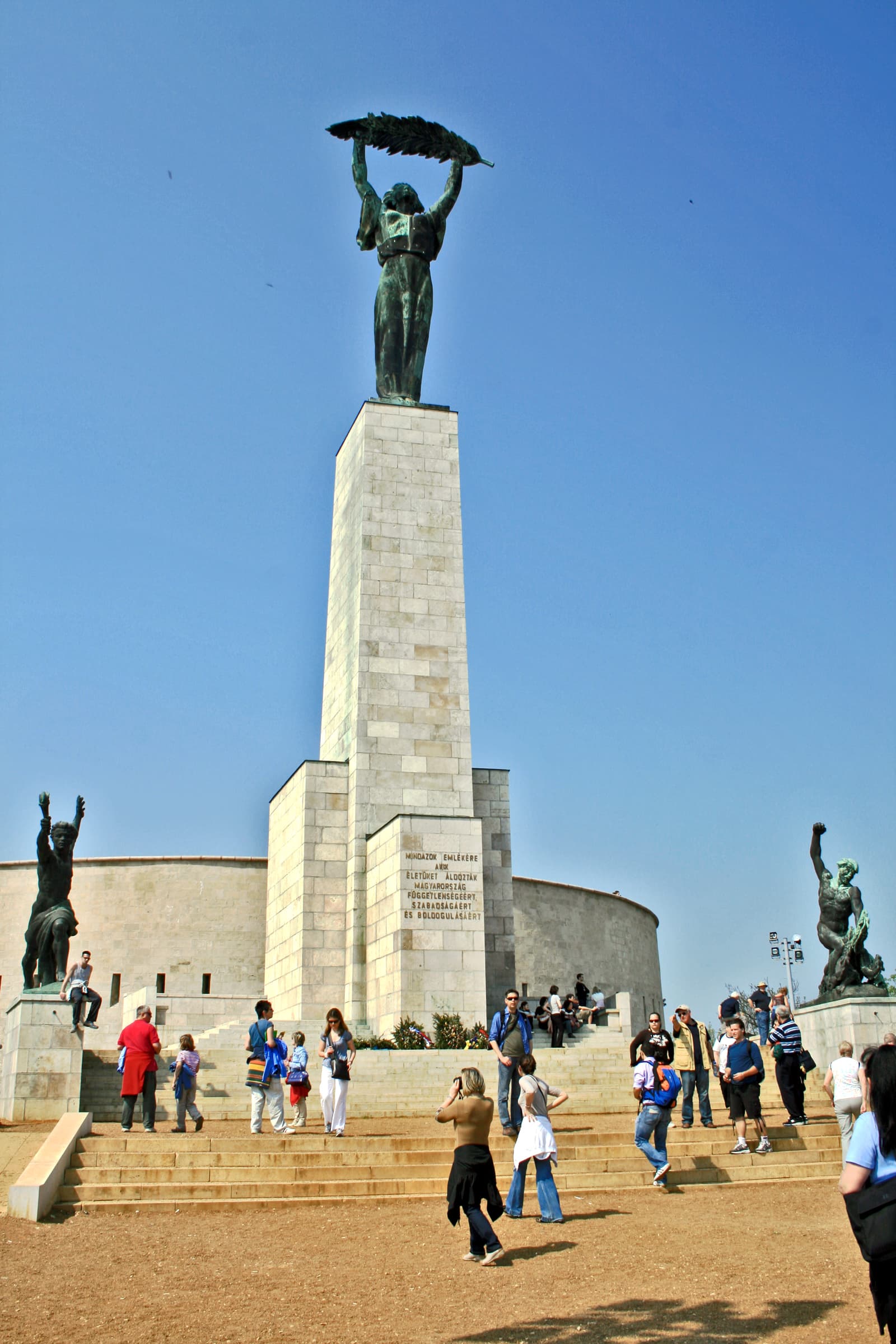 Liberty StatueThe Liberty Statue is a fourteen-metre bronze woman holding a palm frond above h5 minutes walk4.5
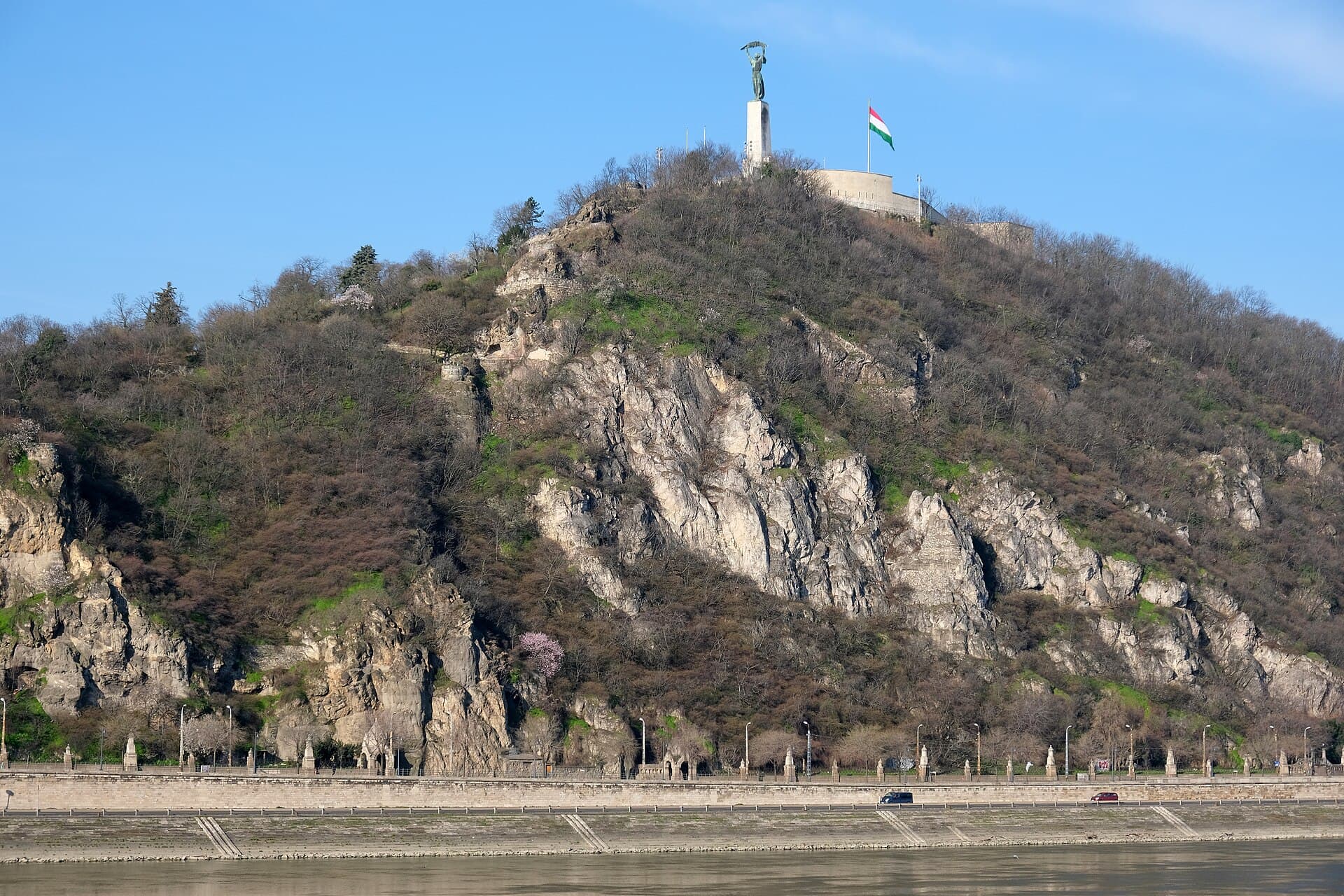 Gellért HillGellért Hill is a dolomite rock rising 235 metres straight above the Danube on t6 minutes walk4.8
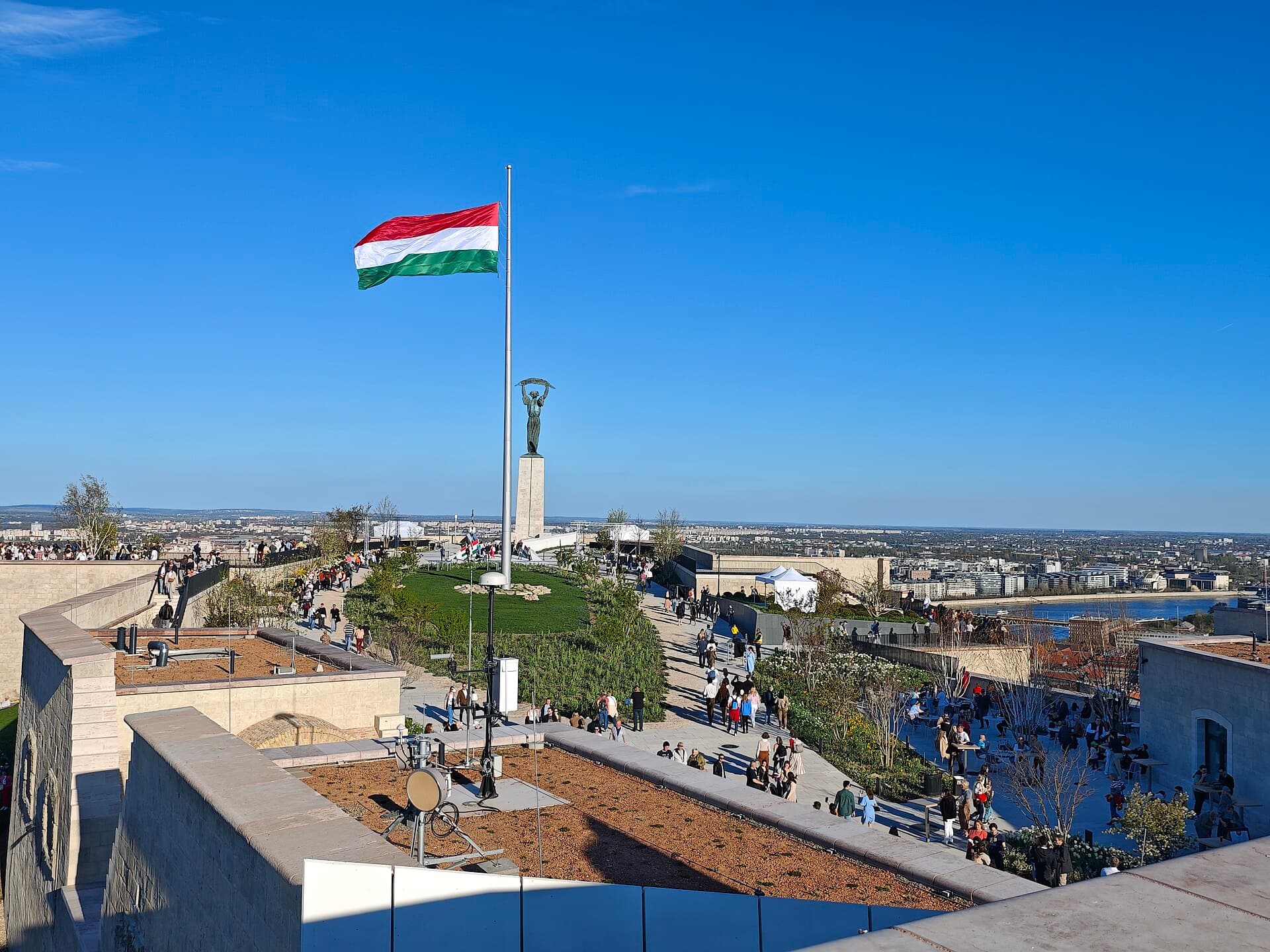 CitadellaThe Citadella is a low stone fort running some two hundred metres along the summ6 minutes walk4.5
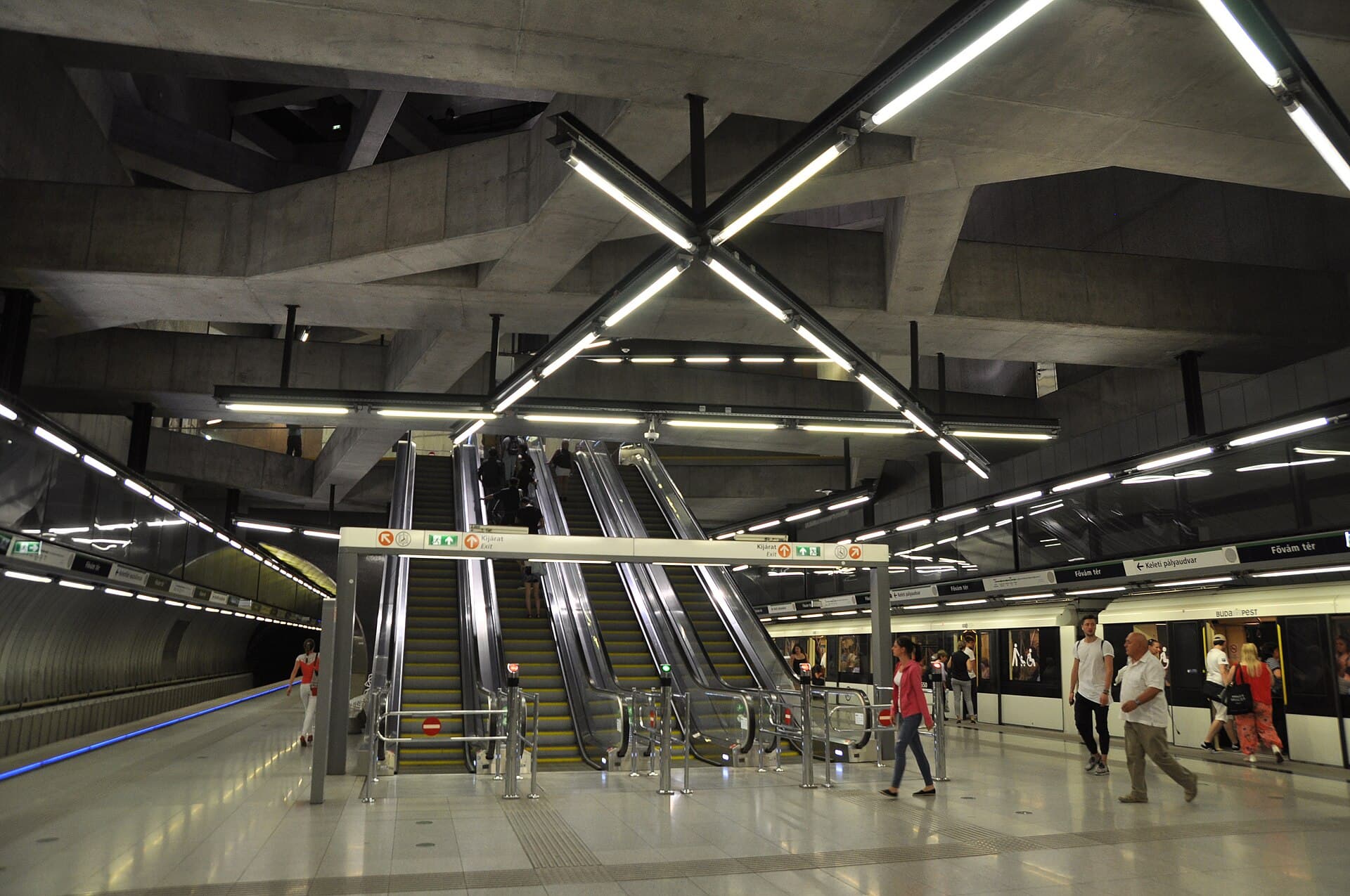 Fővám SquareA square at the Pest end of Liberty Bridge, one of the main meeting points in Bu8 minutes walk4.5
Yes, mixed today, and everyone wears a swimsuit in every pool. Gellért once had separate days for men and women, but that system has ended. Changing areas are separate, and a private cabin (a small extra fee) is the better option for families and anyone wanting more privacy.
Gellért is architecturally lovelier, quieter, and better if you want a calm visit and good photographs. Széchenyi is larger, louder, and its winter outdoor pools are the iconic experience. With family and children: Széchenyi. For a single visit focused on beauty: Gellért.
Two and a half to three hours. Under two does not justify the ticket. Combine it with Gellért Hill directly above: climb the hill in the afternoon then come down to the baths, or reverse the order in winter.
The moderate pools suit everyone, but the very hot ones are not advised for under-fourteens, pregnant women or anyone with a heart condition. Long stretches in hot water are draining — get out every twenty minutes and drink water.