
The passages cut through rock
A complete church inside a natural cave: stone walls, small chapels and low light — unlike any other church.
No machine-readable author provided. Ramirez HUN assumed (based on copyright claims). — CC BY-SA 3.0 · FOTO:Fortepan — ID 78835: Adományozó/Donor: Berkó Pál. — CC BY-SA 3.0 · FOTO:Fortepan — ID 82112: Adományozó/Donor: Budapest Főváros Levéltára. — Public domain · VillageHero from Ulm, Germany — CC BY-SA 2.0
The Gellért Hill Cave is a church cut into the rock at the hill's southern foot, metres from the Gellért Baths. The cave itself is natural, formed by hot water working through the limestone, and was long known as St Ivan's Cave after a hermit said to have lived in it and treated the sick with water from the nearby springs. It became a church in 1926, made by Pauline monks — the only monastic order founded in Hungary — after they visited the shrine at Lourdes in France and wanted a comparable cave church. They added a neo-Romanesque frontage, a chapel and an adjoining monastery. Then came the episode that sets the place apart: in 1951 the communist secret police raided the monastery, its superior was executed and the monks imprisoned, and a concrete wall several metres thick was poured to seal the cave mouth completely. It stayed shut behind that concrete for around forty years, and was not opened again until 1989, with the fall of the regime. Today it works as a church and receives visitors on a cheap ticket that usually includes an audio guide. Inside it is cold and damp, its passages cut through rock — a short but unusual visit, and an excellent refuge from summer heat.
A complete church inside a natural cave: stone walls, small chapels and low light — unlike any other church.
The cave was sealed in concrete for forty years after the 1951 raid and not reopened until 1989 — political history written in stone.
A neo-Romanesque entrance cut into the cliff with a small bell tower — visible free from the street.
The Pauline monastery still stands beside the cave — the only monastic order founded in Hungary.
Southern foot of Gellért Hill, by the Gellért Hotel, Buda 1114
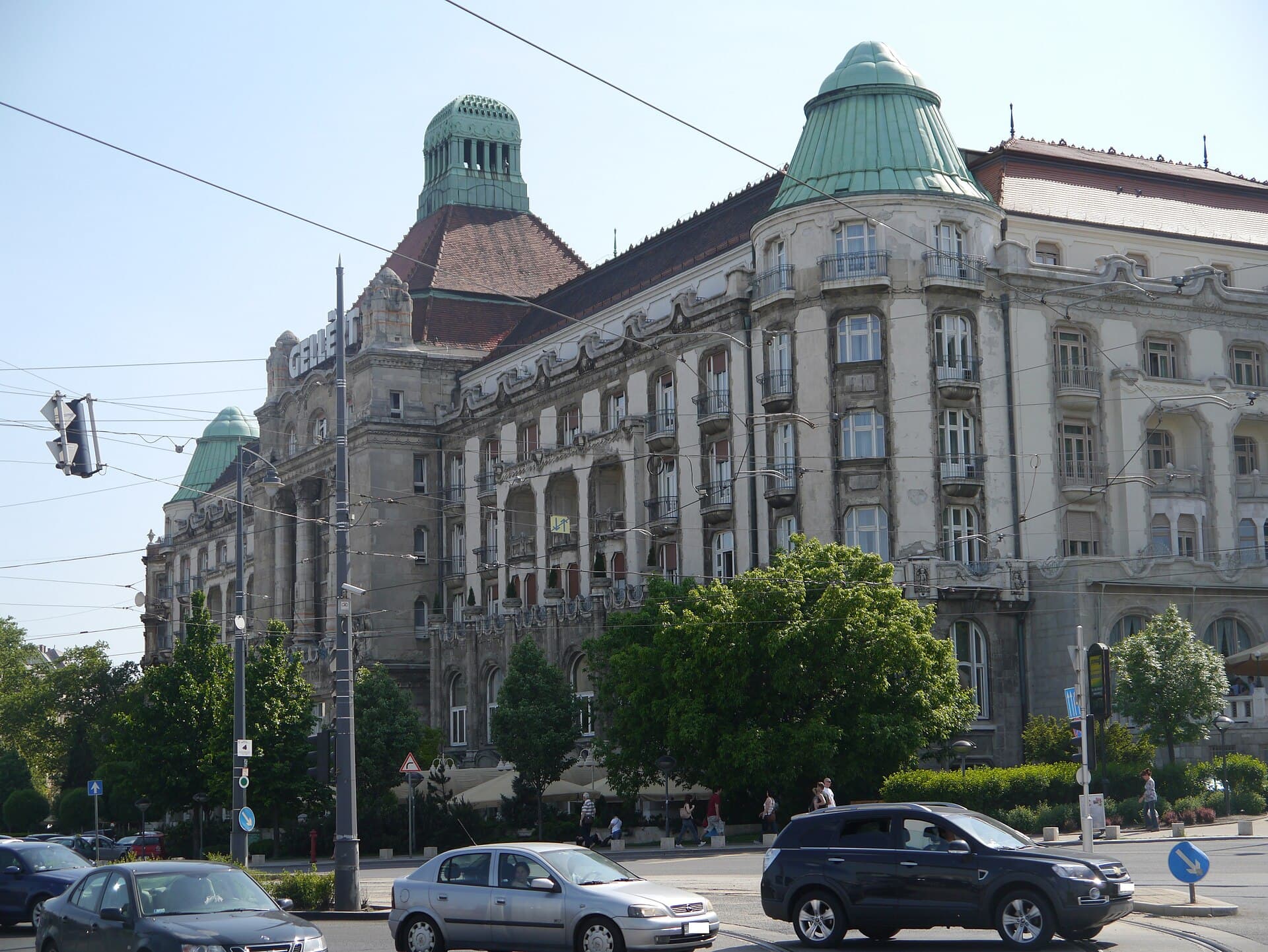 Gellért BathsThe Gellért Baths are architecturally the most beautiful in Budapest, if not the2 minutes walk4.1
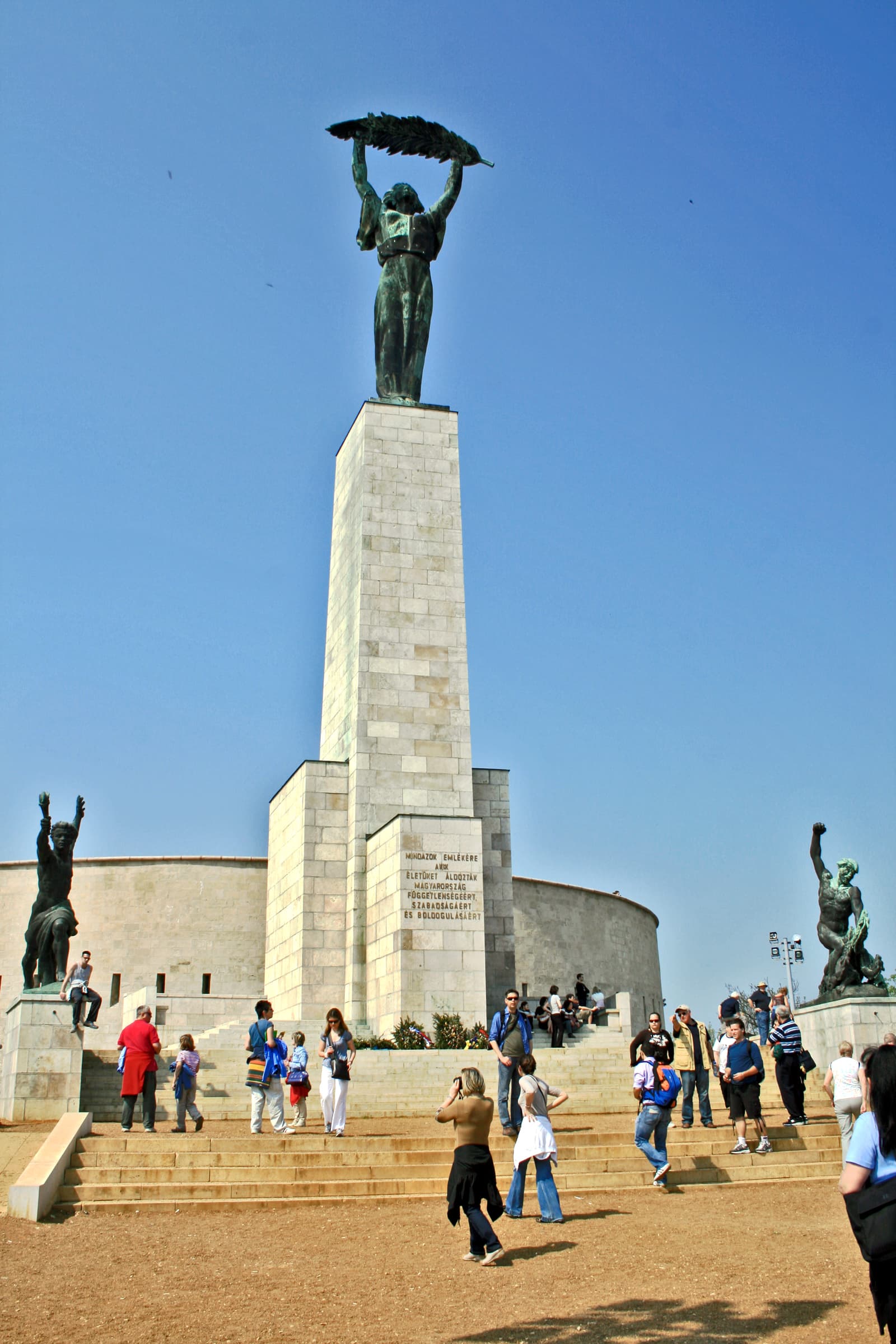 Liberty StatueThe Liberty Statue is a fourteen-metre bronze woman holding a palm frond above h4 minutes walk4.5
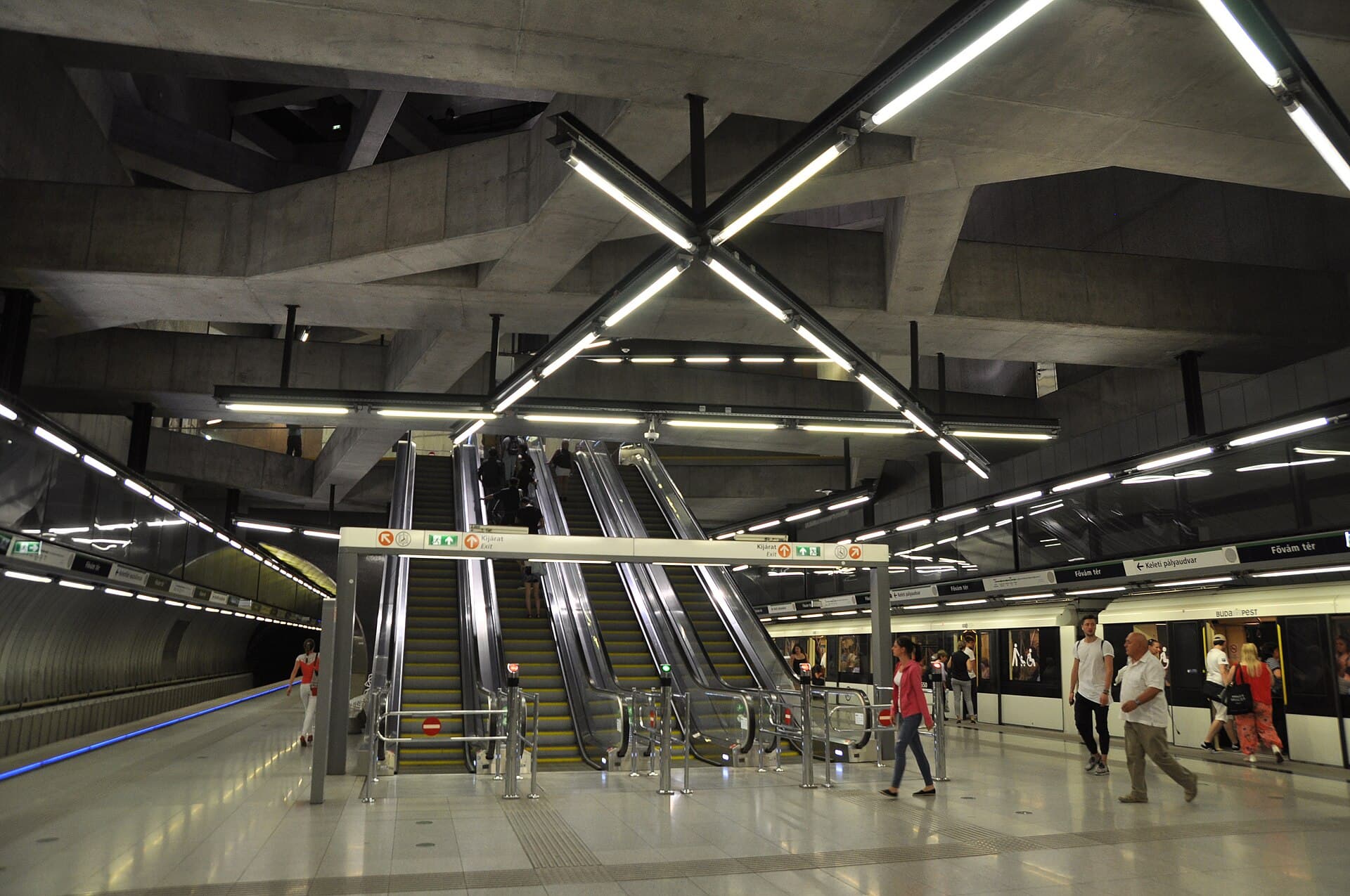 Fővám SquareA square at the Pest end of Liberty Bridge, one of the main meeting points in Bu6 minutes walk4.5
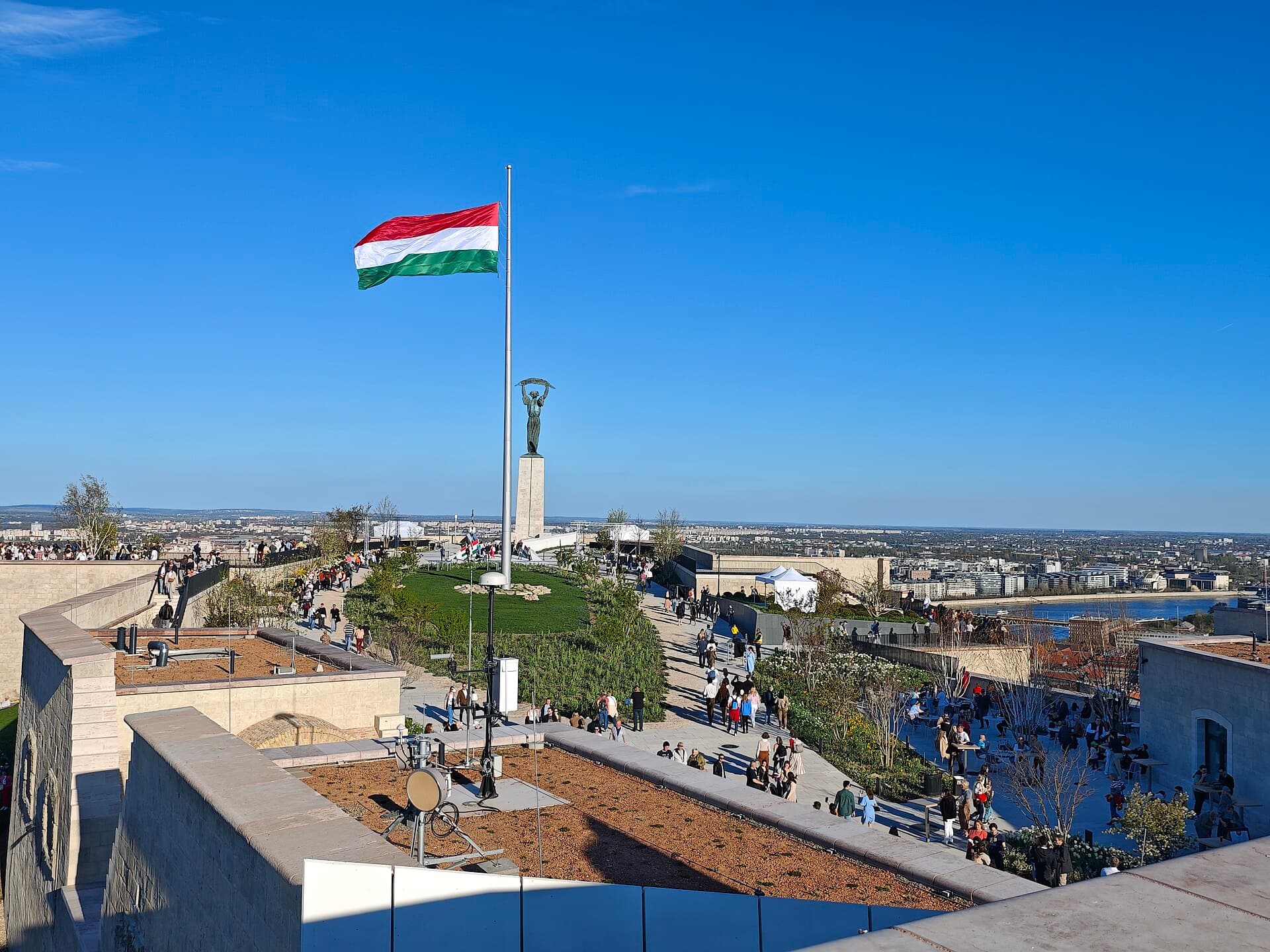 CitadellaThe Citadella is a low stone fort running some two hundred metres along the summ6 minutes walk4.5
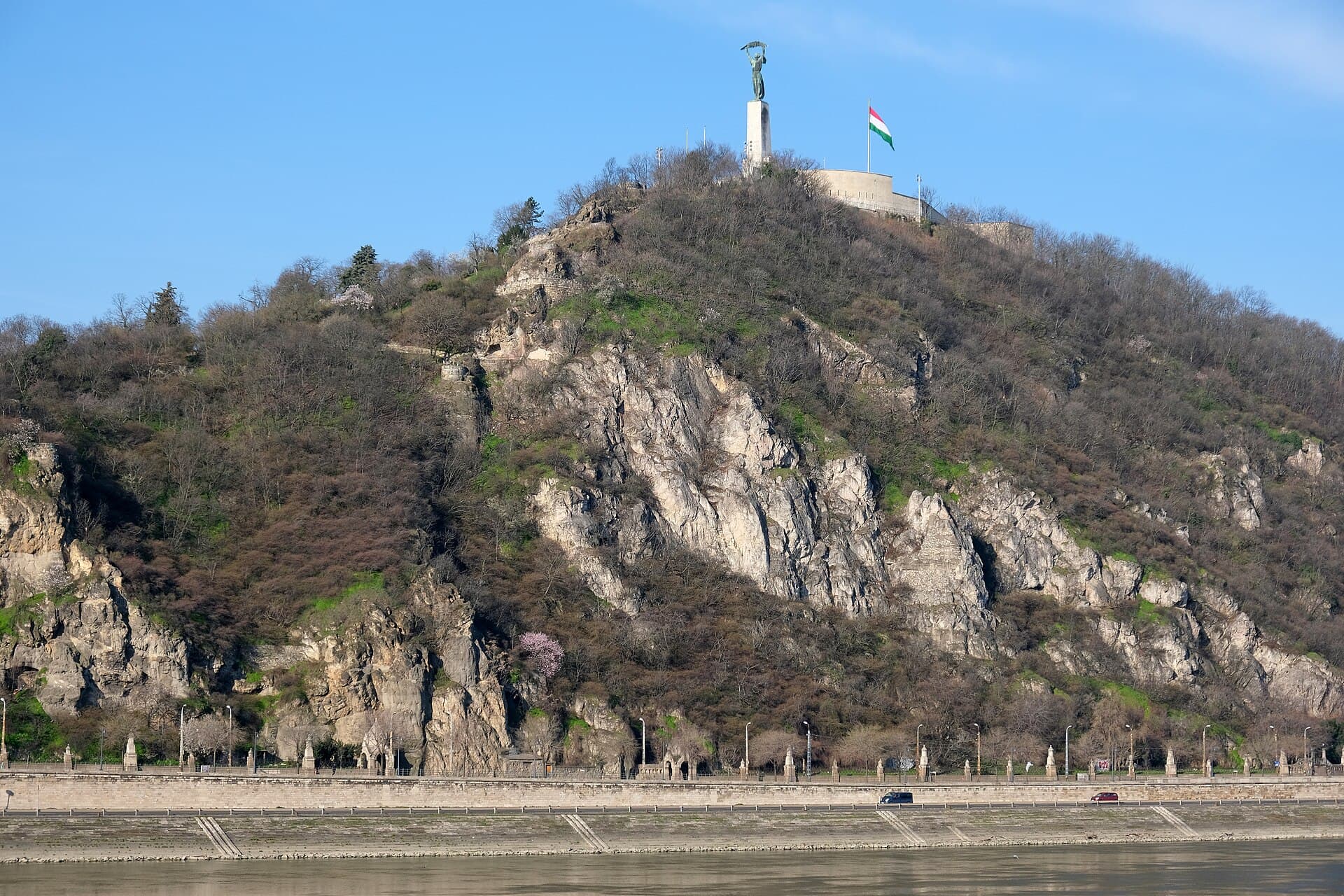 Gellért HillGellért Hill is a dolomite rock rising 235 metres straight above the Danube on t6 minutes walk4.8
In 1951 the communist secret police raided the monastery as part of a campaign against religious orders: the superior was executed and the monks imprisoned, and a concrete wall several metres thick was poured across the cave mouth to close it permanently. It stayed that way until 1989, when the concrete was removed after the regime fell.
Yes as a short stop: the ticket is negligible and the visit half an hour, and the experience is unusual — a church inside a cave with a heavy political story. Make it part of a Gellért Hill day rather than a trip of its own.
The passages are narrow and ceilings low in places, but the route is short, the lighting adequate and you do not descend deep underground. Most visitors find it comfortable, though anyone with severe claustrophobia may prefer to skip it.
The Gellért Baths are metres away, Gellért Hill rises directly above, and the Rudas baths lie north along the bank. The whole foot-of-the-hill route walks in half a day.