The Silver Pavilion
Plain dark wood.
Kakidai — CC BY-SA 4.0 · Zairon — CC BY-SA 4.0 · Oilstreet — CC BY 2.5 · KENPEI — CC BY-SA 3.0 · Guilhem Vellut from Annecy, France — CC BY 2.0 · Ganden — CC BY 3.0 · KimonBerlin — CC BY-SA 2.0 · kanesue — CC BY 3.0
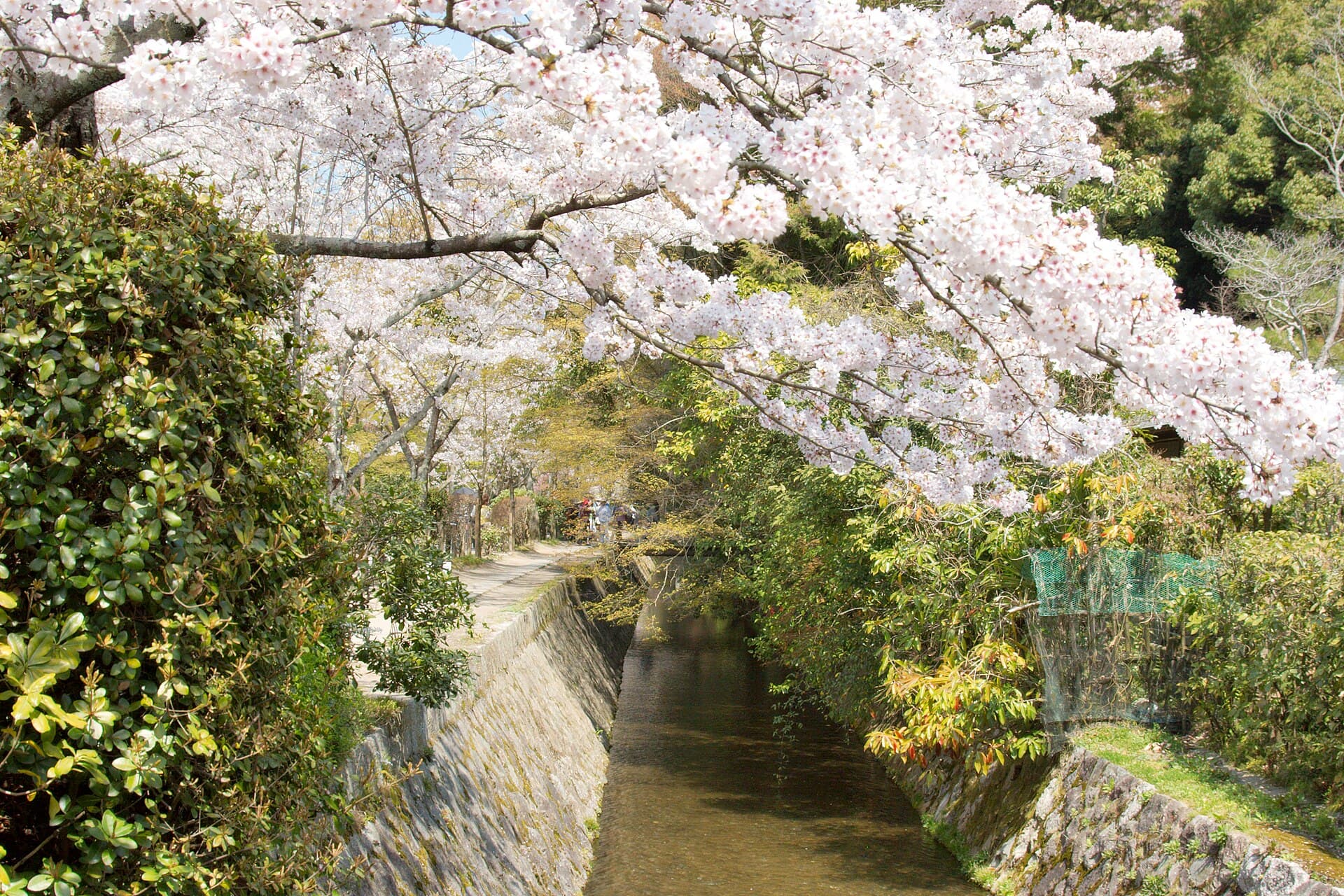
A Zen temple in Sakyō, eastern Kyoto, officially Jishō-ji, and a symbol of the Higashiyama culture of the Muromachi period. The shōgun Ashikaga Yoshimasa began planning it around 1460 as a retirement villa, and after his death it became a Zen temple as he had wished. Its main building, the two-storey Kannon Hall, was begun in 1482 in imitation of the Golden Pavilion built by his grandfather. It is known as the Silver Pavilion, but it was never covered in silver (the name dates from the Edo period), so it keeps its plain dark wood, a picture of Japanese beauty in simplicity. In front of it lies a unique sand garden: a sea of white sand raked in parallel lines called Ginshadan, and a flat-topped sand cone called Kōgetsudai, said to reflect moonlight. Behind are a moss garden and pond, and a path up the hill with a view over the temple and city. Admission is 1,000 yen; it opens 8:30-17:00 from March to November and 9:00-16:30 from December to February, according to the official site. The Philosopher's Path starts here and runs south.
Plain dark wood.
Raked in lines.
Kōgetsudai.
Sakyō, eastern Kyoto, at the end of the Philosopher's Path
It was built in imitation of the Golden Pavilion and the name spread in the Edo period, but it was never covered in silver and keeps its plain dark wood.