Cherry canal
Petals on the water.
KimonBerlin — CC BY-SA 2.0 · KimonBerlin — CC BY-SA 2.0 · shankar s. — CC BY 2.0 · PRST — Public domain · そらみみ — CC BY-SA 3.0 · Moja — CC BY-SA 3.0 · lasta29 — CC BY 2.0 · Yiannis Theologos Michellis — CC0
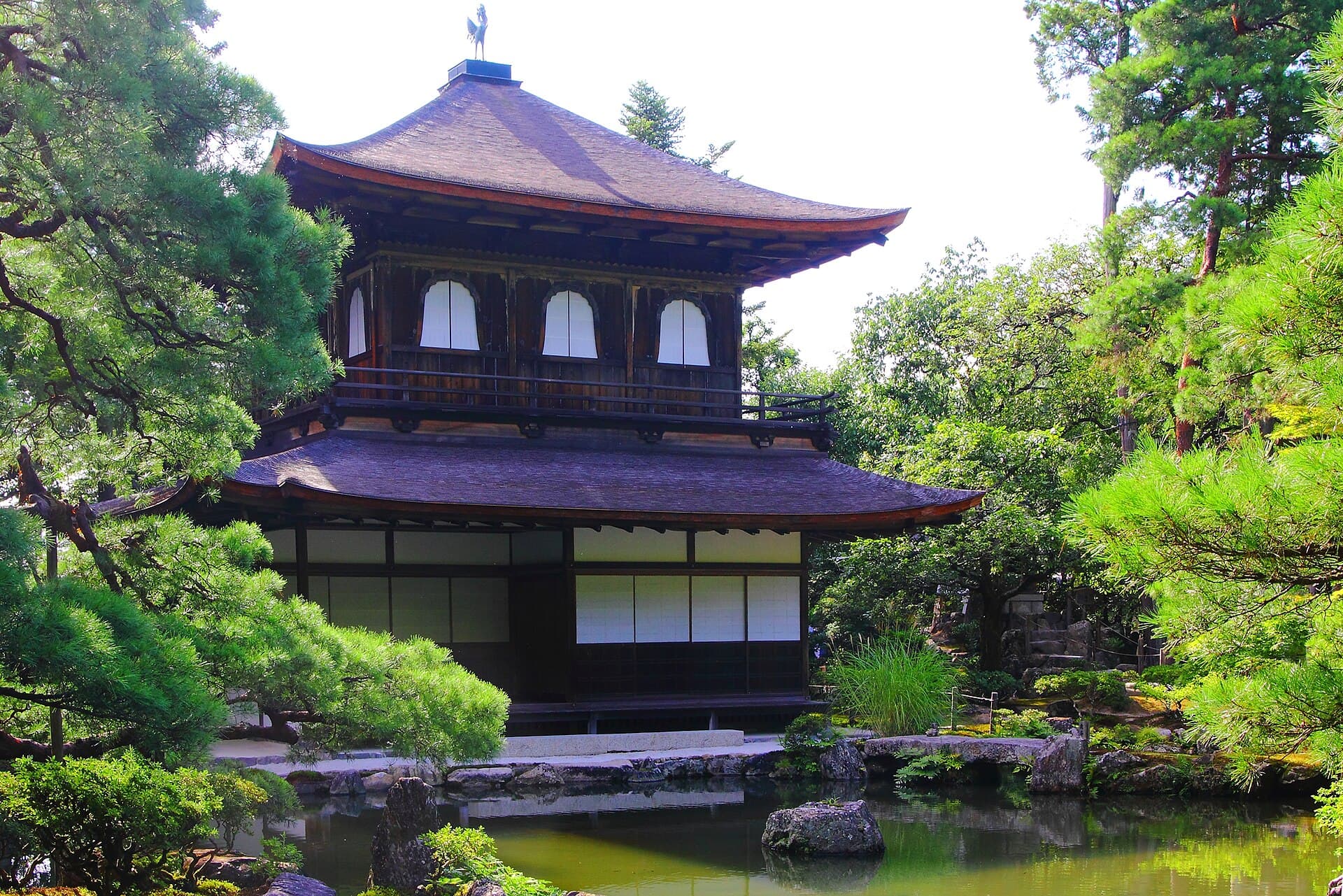
A quiet footpath along a shallow, cherry-lined canal in eastern Kyoto, between Ginkaku-ji to the north and Nanzen-ji to the south. It opened in 1890 and was extended in 1912, following an irrigation channel that carries water from Lake Biwa. It takes its name from two 20th-century Japanese philosophers and Kyoto University professors, Nishida Kitaro and Hajime Tanabe, who are thought to have walked it daily to reflect. The path passes small temples and shrines, including Hōnen-in and Eikan-dō, and houses, cafés and little craft shops. It is loveliest in spring, when the cherries bloom and petals drift on the water, and in autumn when the leaves turn. Walking it is free and takes about 30 minutes, though many linger to visit the temples along the way. The northern part has views of Mount Daimonji. It is crowded in cherry season, so mornings are calmer.
Petals on the water.
Along the way.
Turning leaves.
Between Ginkaku-ji and Nanzen-ji, eastern Kyoto
Because two 20th-century Japanese philosophers and Kyoto University professors, Nishida Kitaro and Hajime Tanabe, are thought to have walked it daily to reflect.