
The doubled facades
Two doors and two ranks of windows where the rest have one.
Jvhertum — Public domain · Gerrit Adriaenszoon Berckheyde — Public domain · Gerrit Adriaenszoon Berckheyde — CC0 · Gerrit Adriaenszoon Berckheyde — CC0
The Golden Bend is the stretch of the Herengracht between Vijzelstraat and Leidsestraat, the most expensive property in Amsterdam from the seventeenth century to the present — and its facades explain why at a glance. The rest of Amsterdam is built on narrow plots because tax fell on the width of the frontage. Here alone double-width plots were allowed to be sold, so the richest merchants of the golden age built houses with fronts wide enough for two doors and two ranks of windows, double stone stairs, carved ornament and deep gardens behind. The difference in width is the message: in a city where wealth was measured in metres along a canal, a doubled frontage was an announcement that needed no explanation. Most of the houses today are banks, offices and consulates and are not open, but walking both banks is free and always possible — and the whole canal belt has been on the World Heritage list since 2010.
Two doors and two ranks of windows where the rest have one.
Double entrances with carved ornament.
Herengracht between Vijzelstraat and Leidsestraat, 1017 Amsterdam
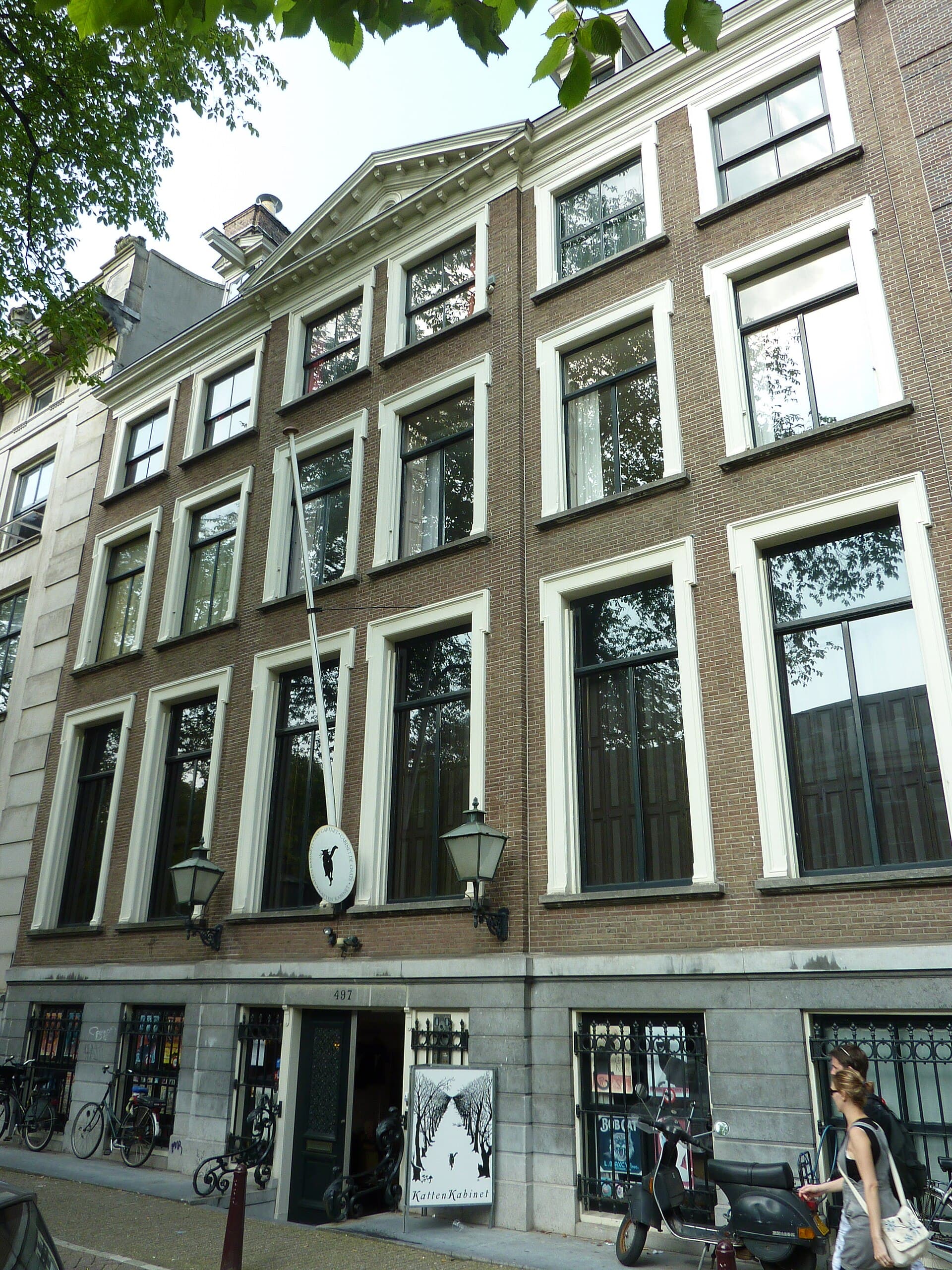 The KattenKabinetThe KattenKabinet is a museum in a canal house on the Herengracht devoted to a s1 minute walk4.1
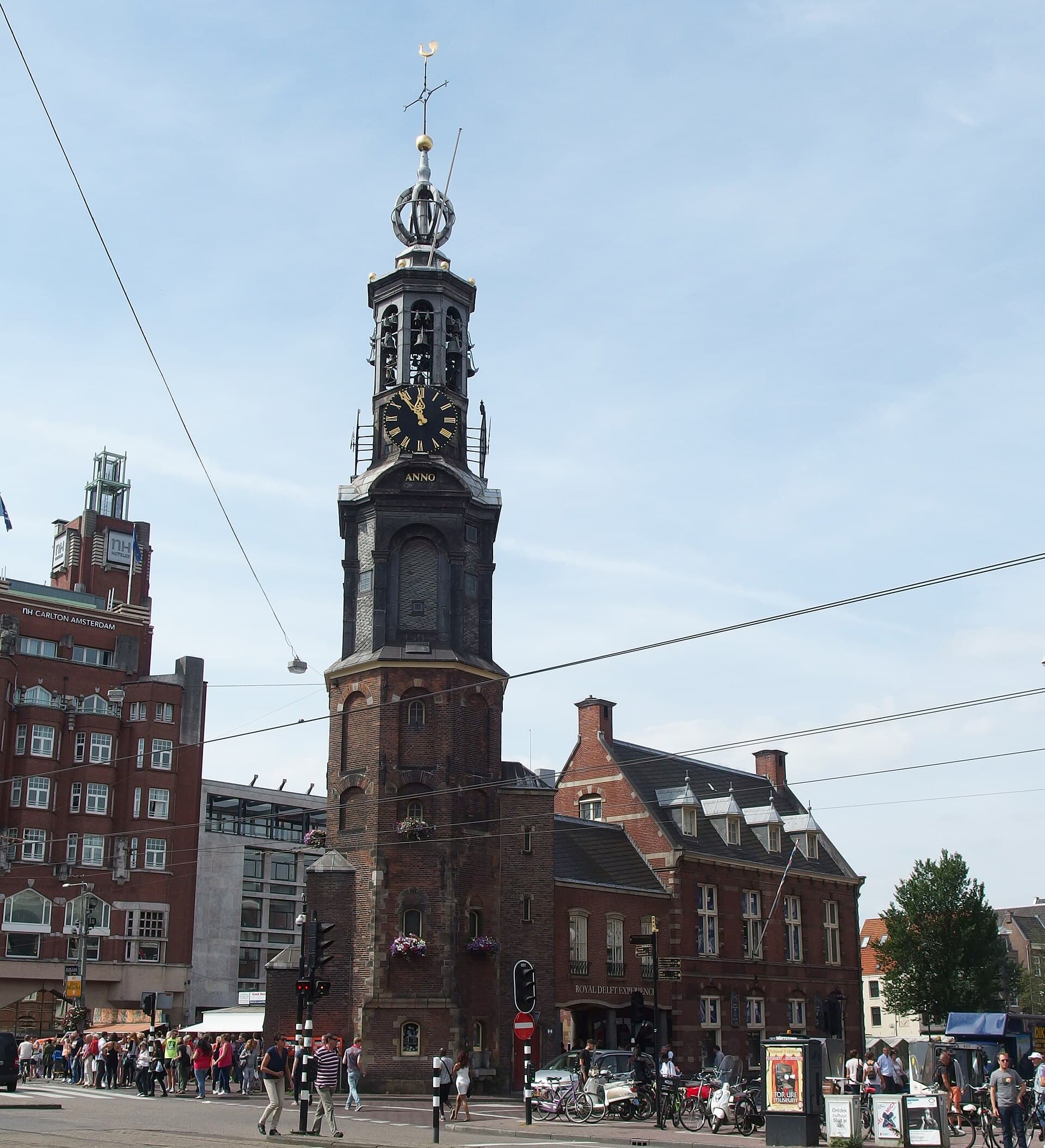 The MunttorenA tower in two halves from two centuries: the Munttoren was part of the Regulier3 minutes walk4.4
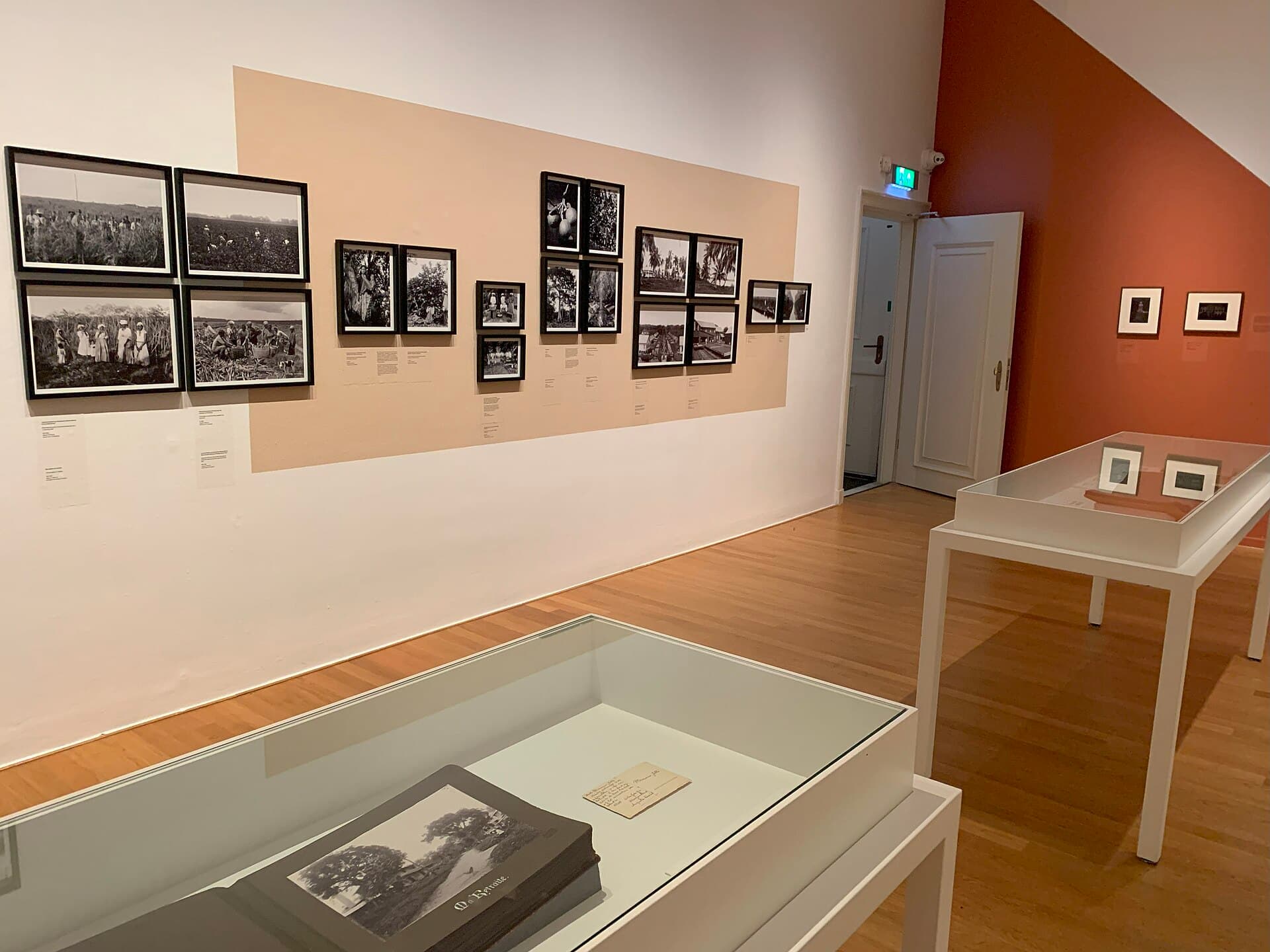 Foam Photography MuseumFoam is a museum devoted to photography alone, occupying a canal house on the Ke4 minutes walk4.3
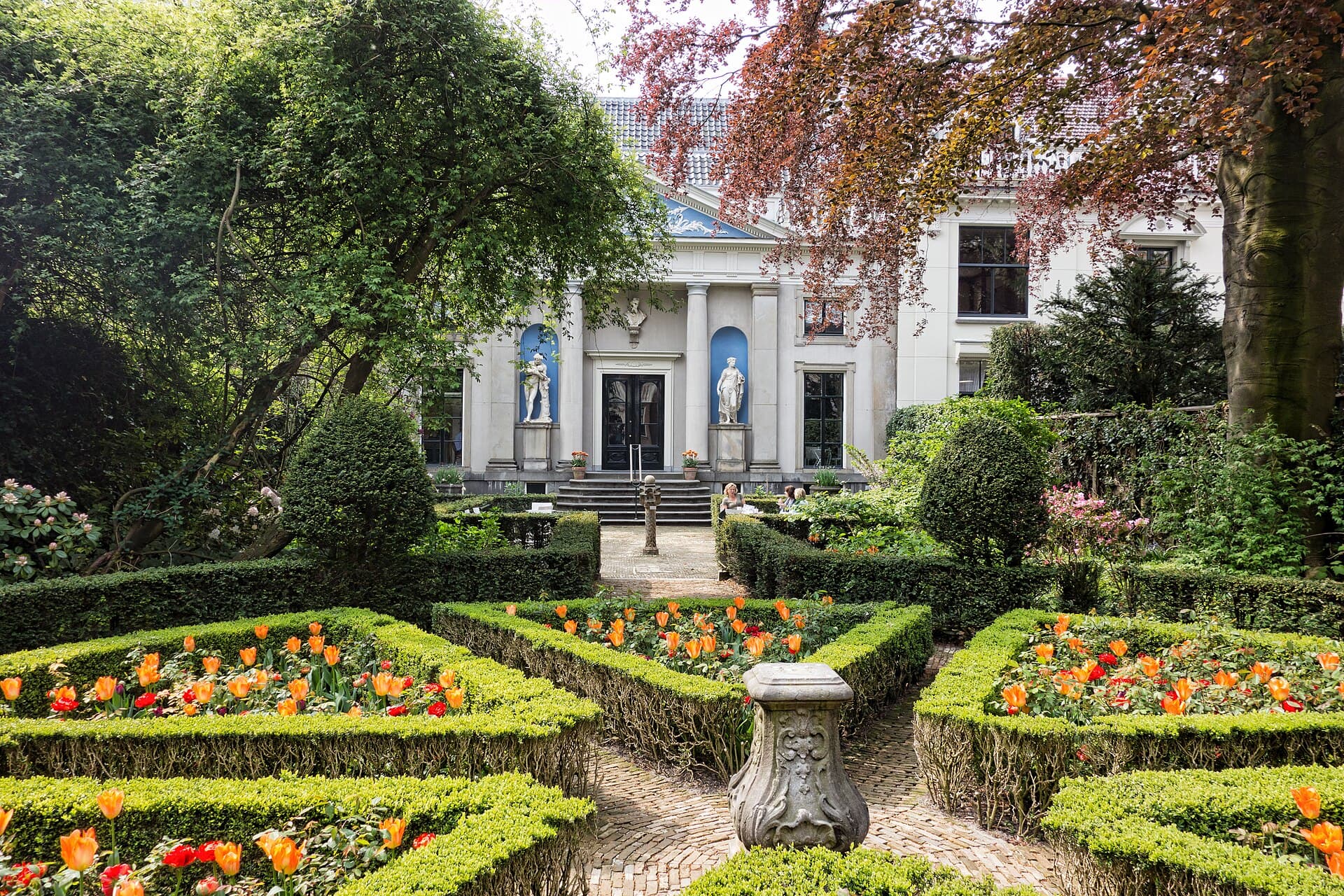 Museum Van LoonMuseum Van Loon is the classic Amsterdam canal house opened to visitors: an eleg4 minutes walk4.3
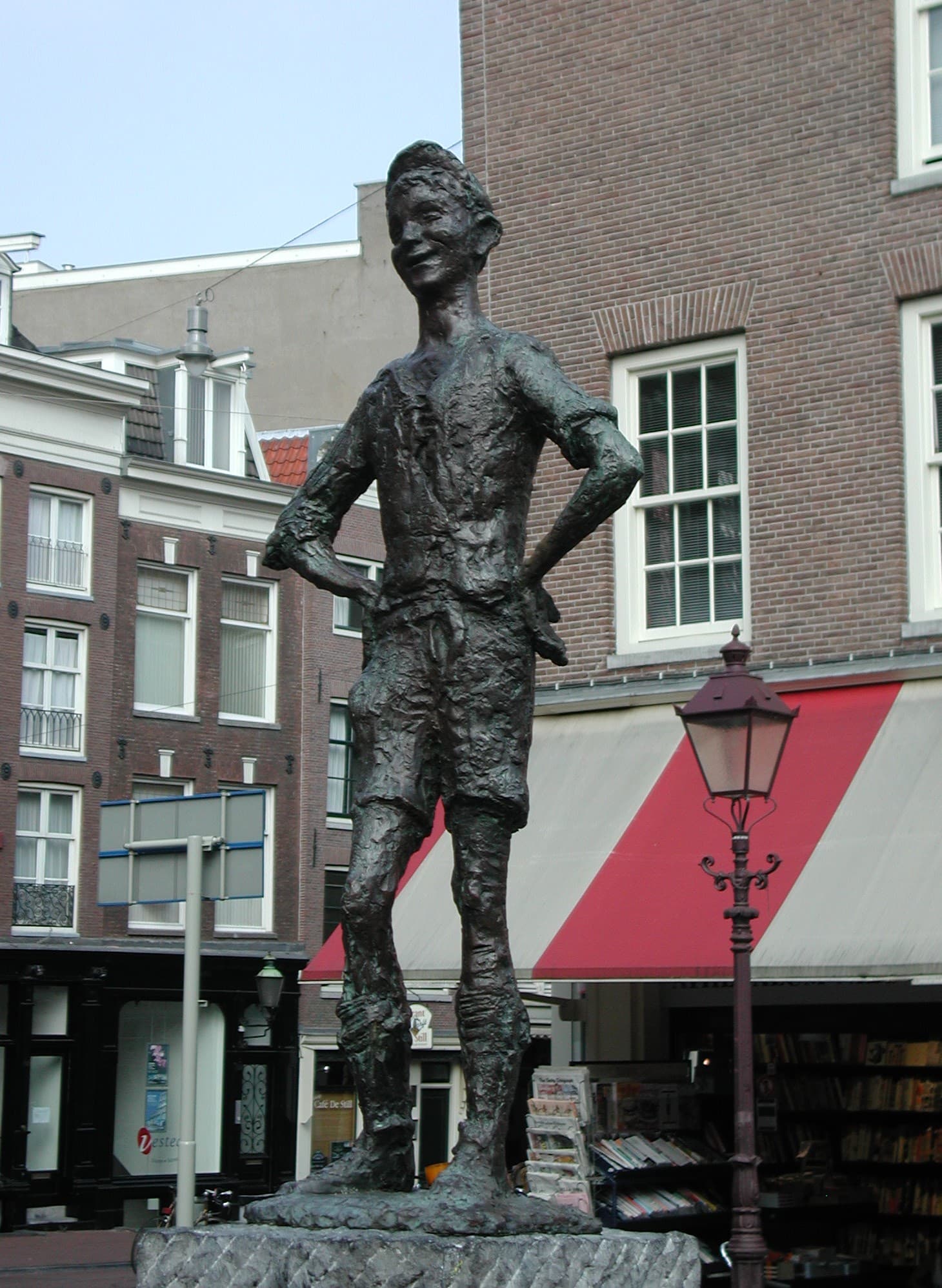 Het LieverdjeA small bronze statue of a boy standing on Spui square, erected in 1960, its nam5 minutes walk4.5
Three main canals — the Herengracht, Keizersgracht and Prinsengracht — dug as concentric half-circles around the old city at the start of the seventeenth century, in an expansion planned entirely in advance: canals for transport and drainage, defined building plots, and back streets for workshops. It was inscribed in 2010 because it is among the earliest examples of comprehensive urban planning in modern history, and because it has stayed in use as designed for four centuries.