
The dividing line
Middle Ages below, Renaissance above.
Guilhem Vellut — CC BY 2.0 · The original uploader was P.H. Louw at Dutch Wikipedia. — CC BY 2.5 nl · A. T. Rooswinkel — Public domain · Lies Thru a Lens — CC BY 2.0
A tower in two halves from two centuries: the Munttoren was part of the Regulierspoort in Amsterdam's 1480 wall, and after fire destroyed its upper stage in 1618 Hendrick de Keyser raised a Renaissance brick clock tower in its place — so the lower half is medieval stone and the upper Renaissance brick, and the join reads at a glance. Its name comes from 1672, the Disaster Year, when France and England attacked the Dutch Republic and cut the roads to the mints, so coins were struck temporarily in this tower — and the name has outlived the minting by three and a half centuries. Its carillon of thirty-eight bells plays every quarter hour with a live recital each Friday at noon, and a ceramics shop occupies the base. It stands on Muntplein where the Amstel meets the city's canals, with the floating flower market, the Bloemenmarkt, beginning right beside it.
Middle Ages below, Renaissance above.
The floating Bloemenmarkt starts beside it.
Muntplein, Amsterdam
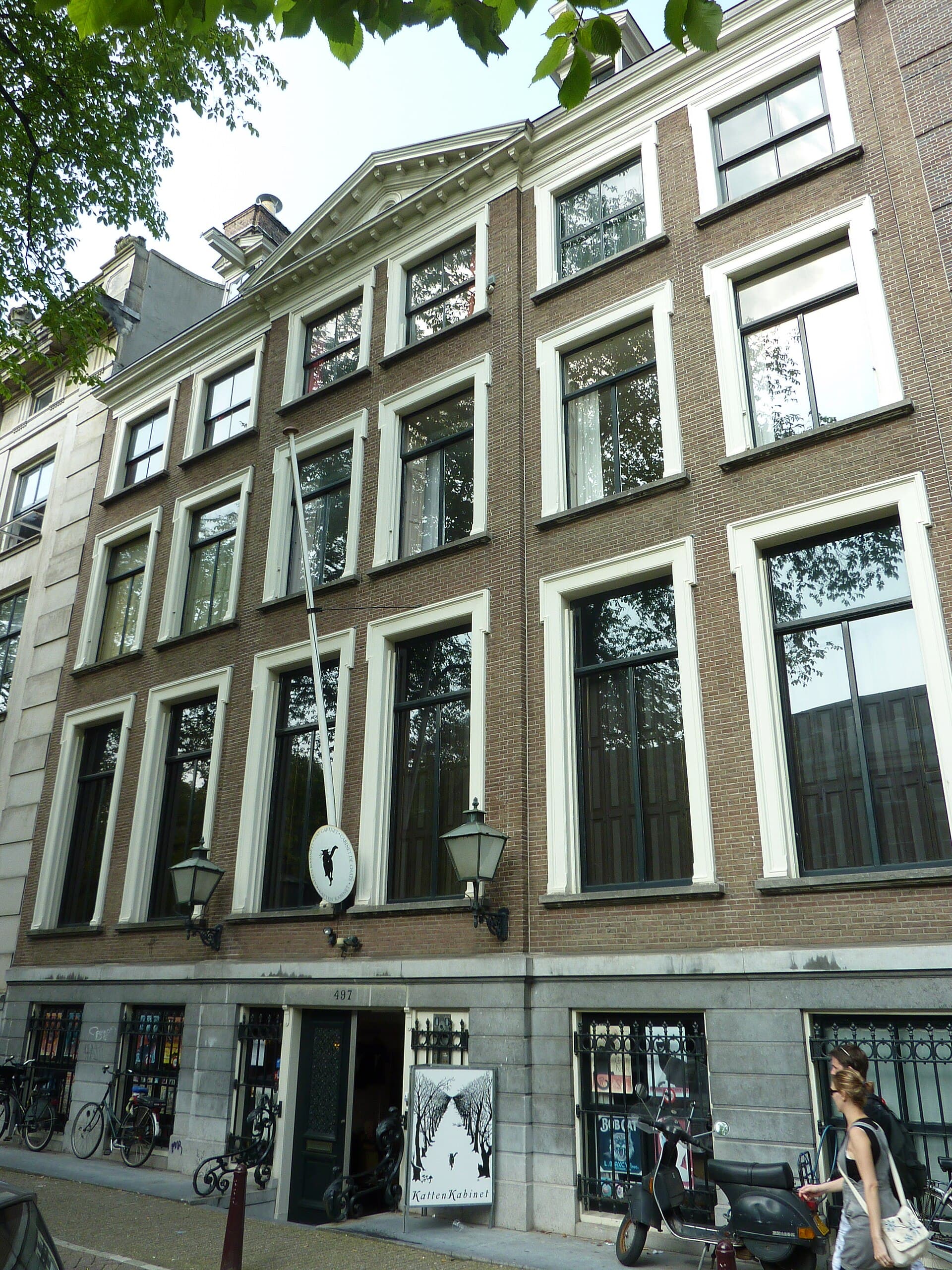 The KattenKabinetThe KattenKabinet is a museum in a canal house on the Herengracht devoted to a s2 minutes walk4.1
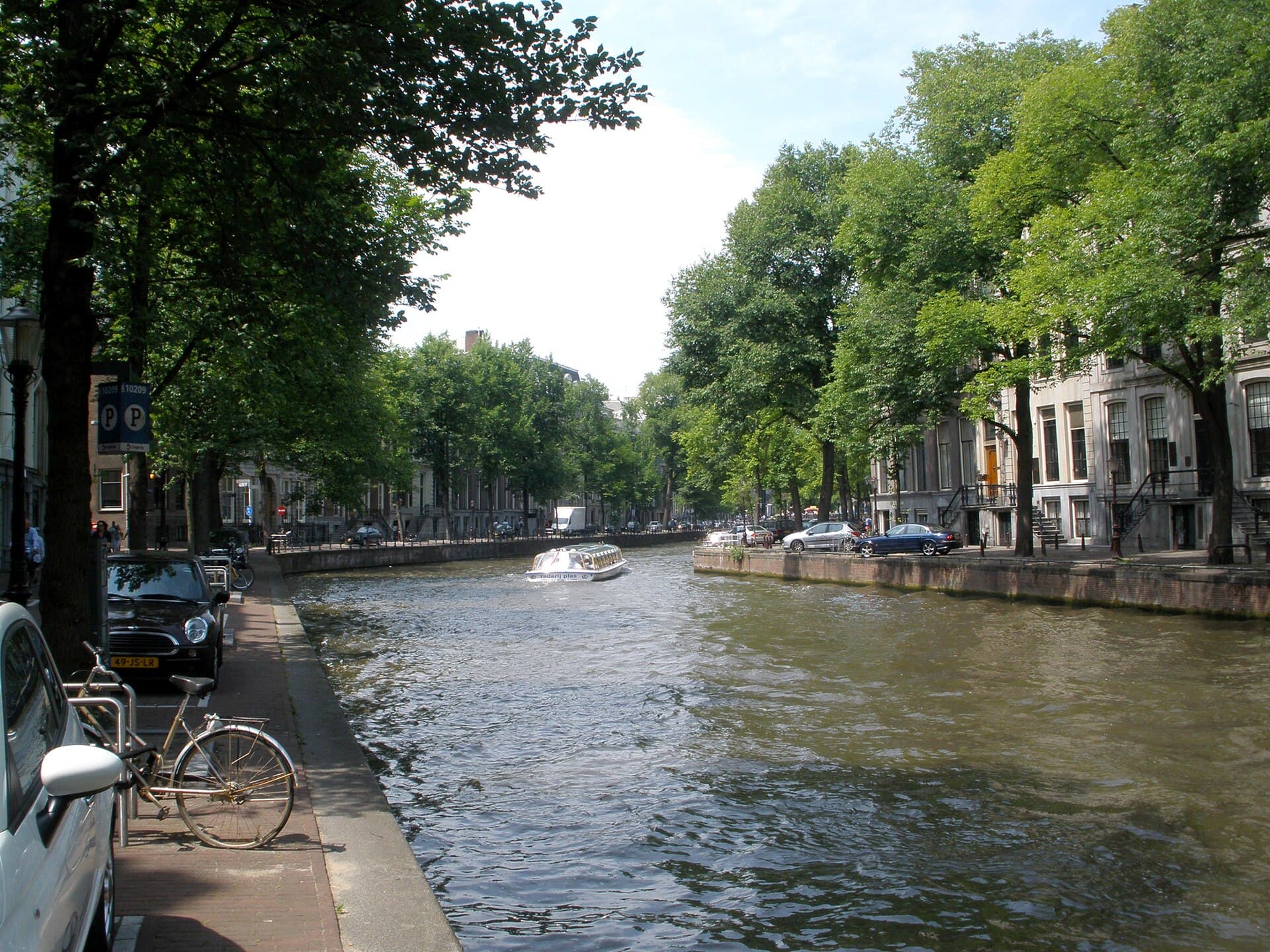 The Golden BendThe Golden Bend is the stretch of the Herengracht between Vijzelstraat and Leids3 minutes walk4.8
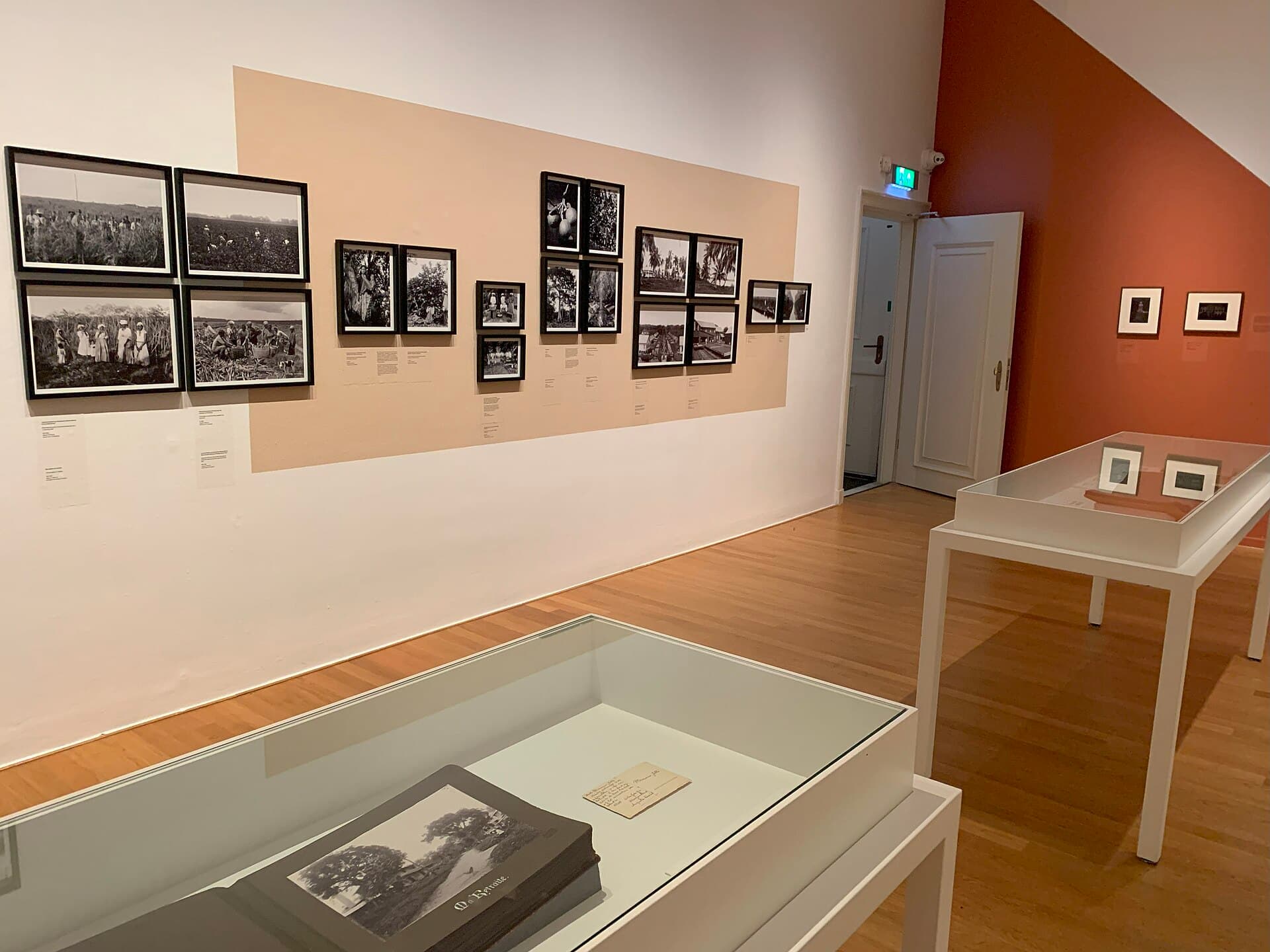 Foam Photography MuseumFoam is a museum devoted to photography alone, occupying a canal house on the Ke4 minutes walk4.3
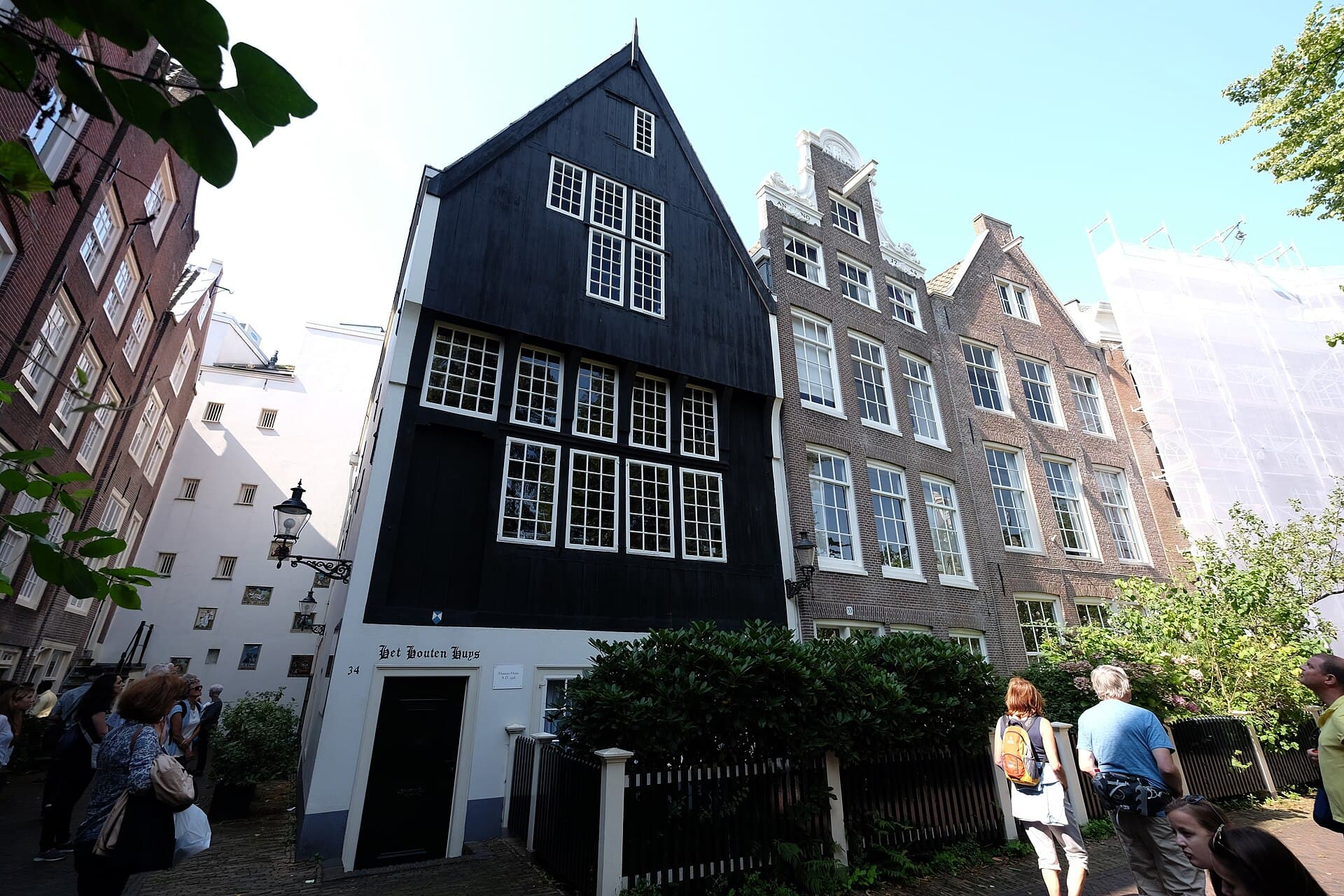 Het Houten Huys, Amsterdam's oldest houseA fifteenth-century house inside the Begijnhof courtyard, regarded as the oldest4 minutes walk4.5
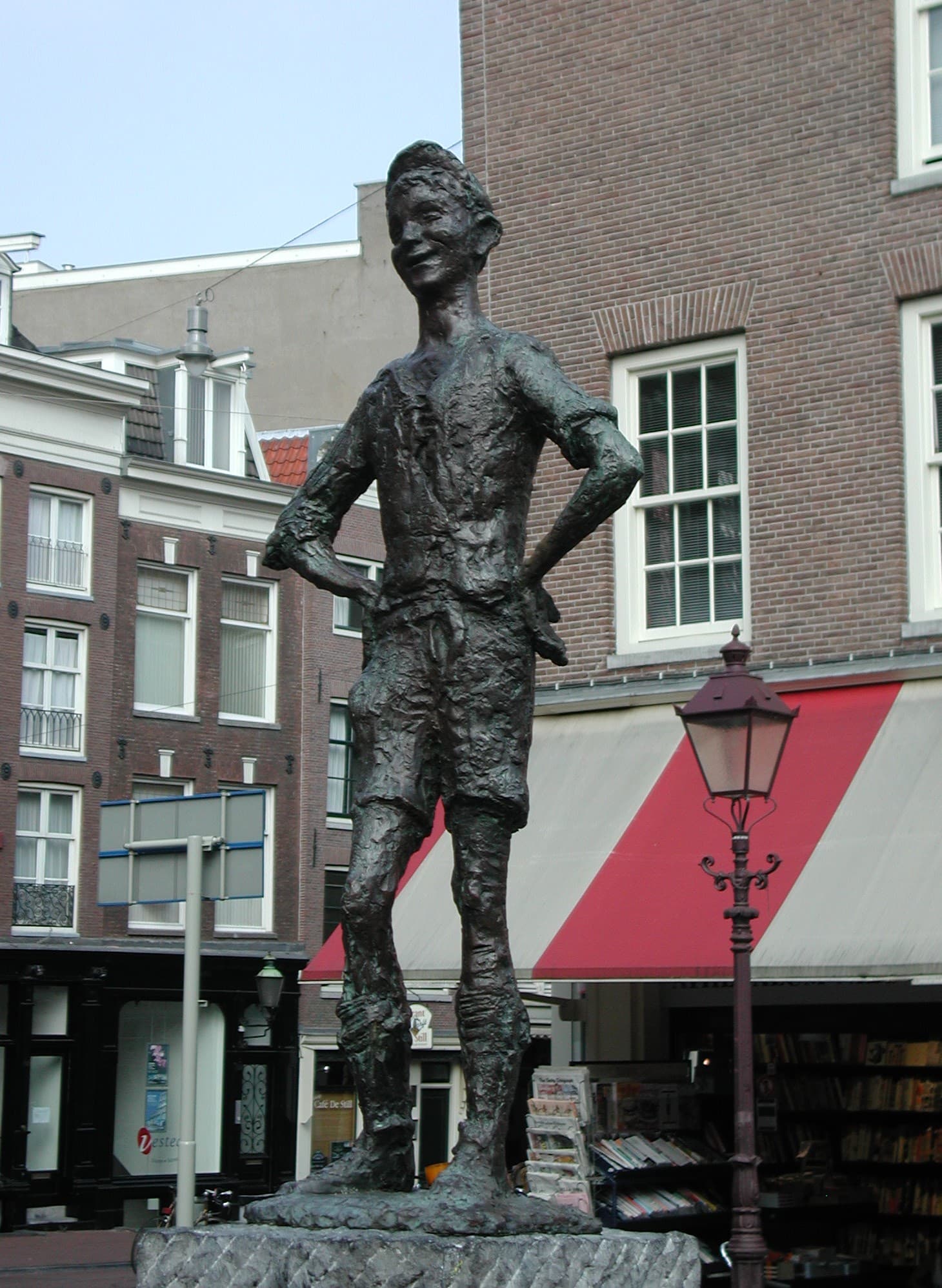 Het LieverdjeA small bronze statue of a boy standing on Spui square, erected in 1960, its nam4 minutes walk4.5
The year France, England and two German bishoprics attacked the Dutch Republic at once; it was said the people were 'irrational, the government beyond help' — and from it came the minting in this tower.