
The Provo movement
Gathered around it every Saturday in the mid-1960s to stage satirical happenings.
The original uploader was P.H. Louw at Dutch Wikipedia. — CC BY 2.5 nl · Ceescamel — CC0 · Ceescamel — CC0 · Txllxt TxllxT — CC BY-SA 4.0
A small bronze statue of a boy standing on Spui square, erected in 1960, its name meaning roughly the little darling. The statue in itself is modest: a thin boy with his hands on his hips, representing the children of Amsterdam. But what made it a landmark is what happened around it rather than what it depicts. The statue had been paid for by a cigarette company, a detail that did not go unnoticed. In the mid-1960s the Dutch protest movement Provo adopted it as the site of their weekly gatherings: they assembled around it on Saturday nights and staged a satirical happening, the police came and dispersed them, and the following week it repeated. The recurring confrontation turned the square into a theatre of conflict between 1960s youth and authority, and was among the sparks that opened Amsterdam to its reputation as a permissive city. The stop is a matter of minutes within a walk through the centre.
Gathered around it every Saturday in the mid-1960s to stage satirical happenings.
Police dispersed them, they returned the next week — and the square became a stage.
Among the beginnings of Amsterdam's image as a permissive city.
Spui square, central Amsterdam
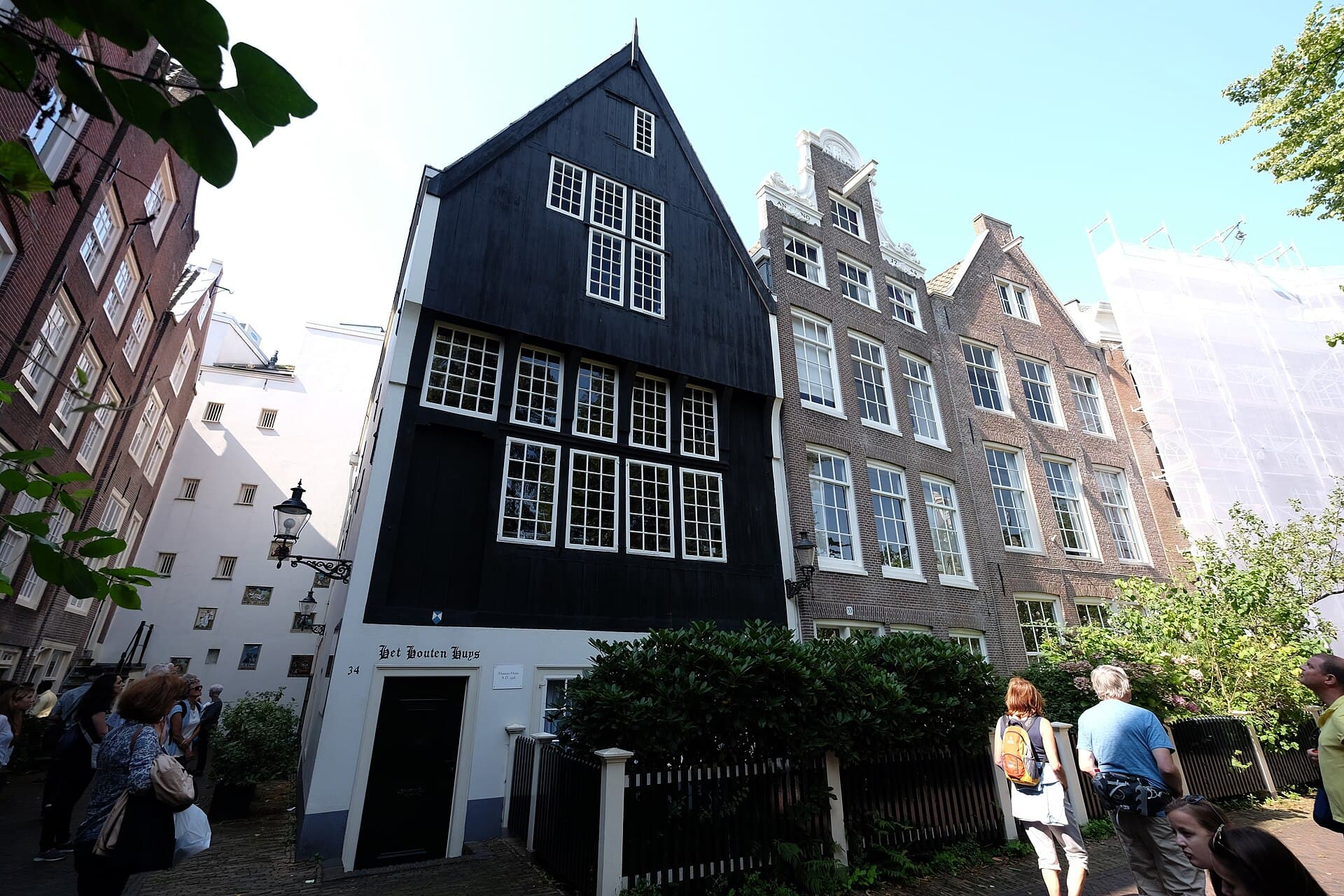 Het Houten Huys, Amsterdam's oldest houseA fifteenth-century house inside the Begijnhof courtyard, regarded as the oldest1 minute walk4.5
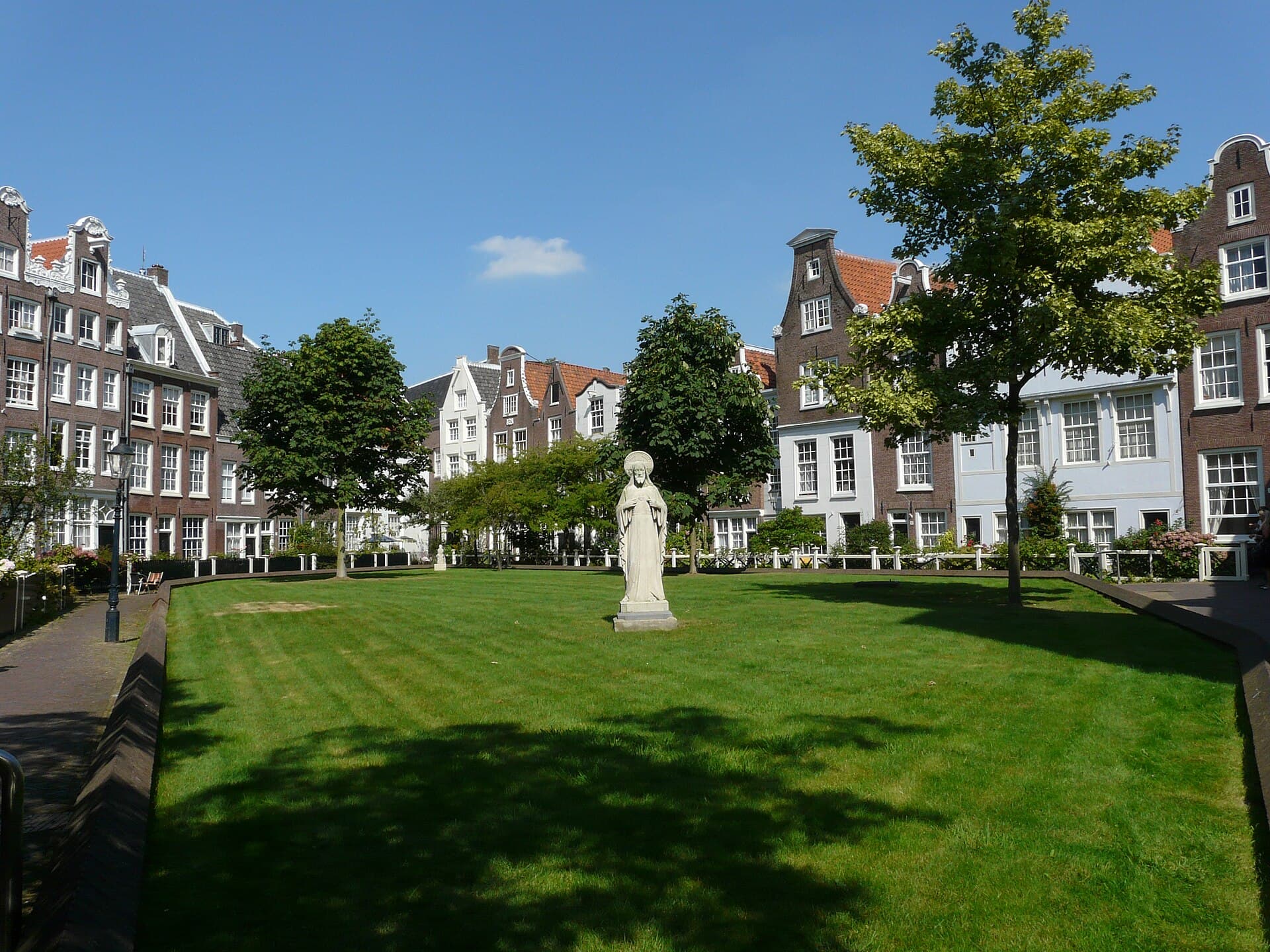 The BegijnhofAn ordinary wooden door near the city's busiest squares — push it and centuries'1 minute walk4.6
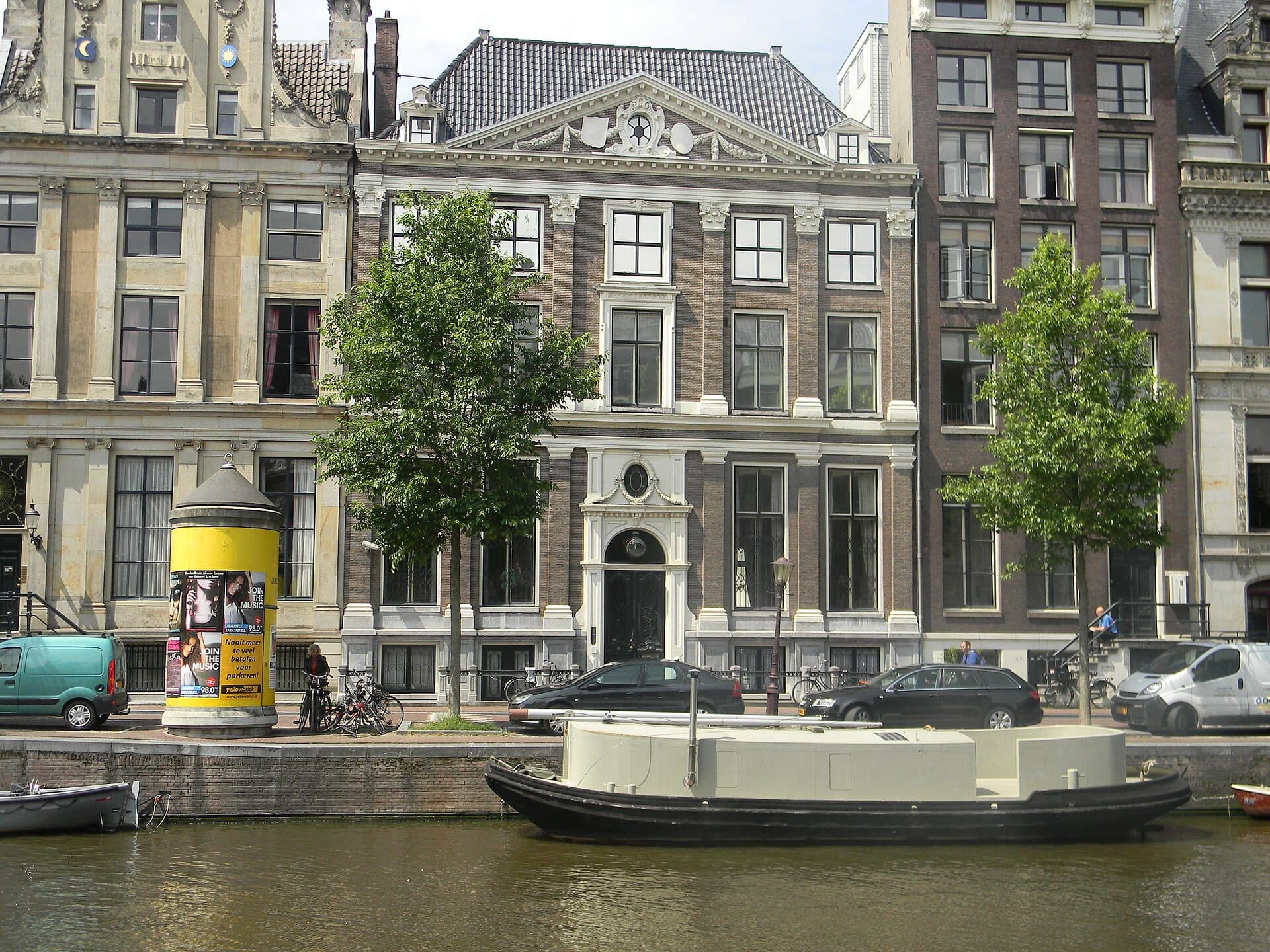 Het Grachtenhuis, Museum of the CanalsA small museum inside a historic house on the Herengracht, devoted to a single s3 minutes walk4.7
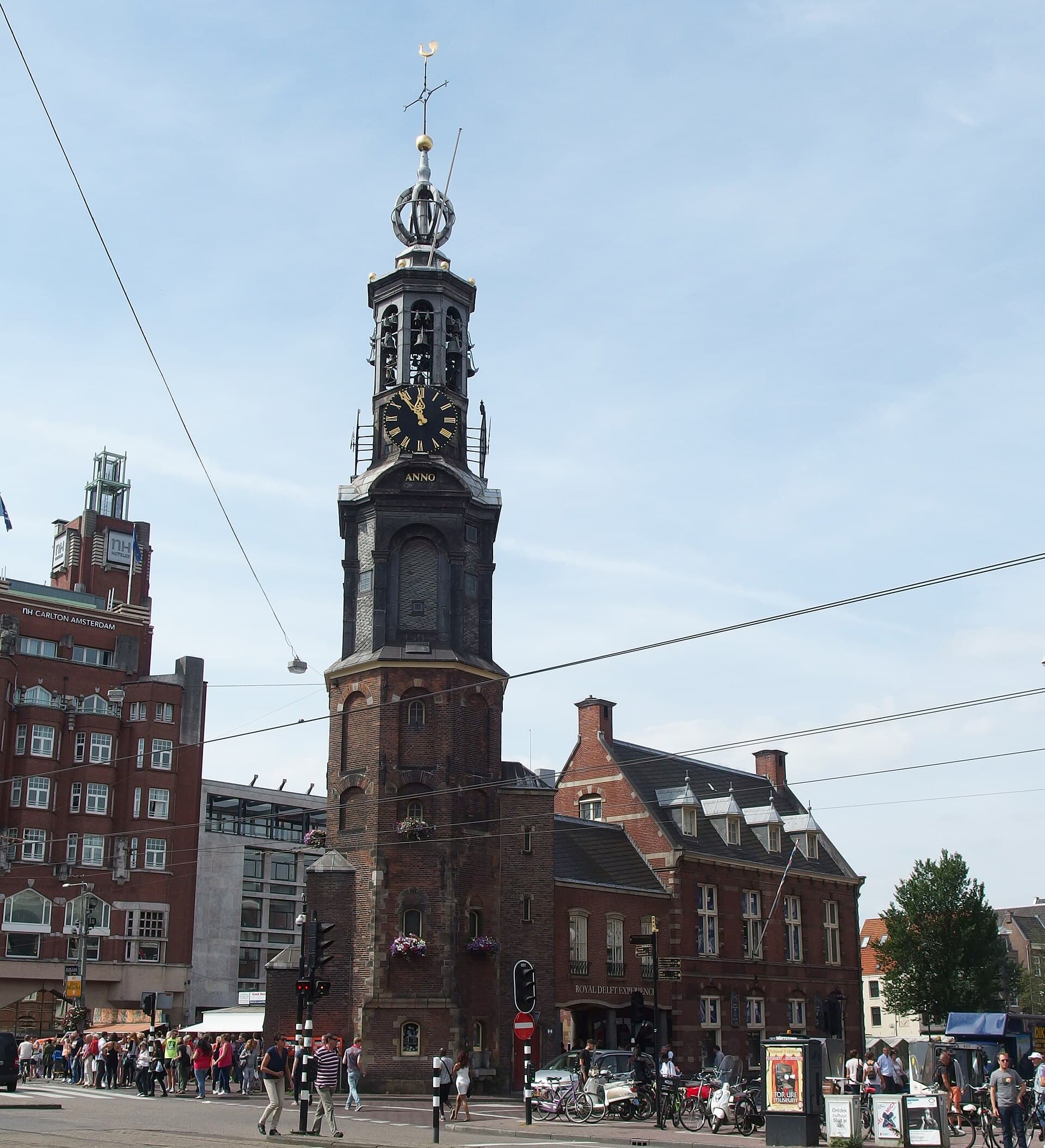 The MunttorenA tower in two halves from two centuries: the Munttoren was part of the Regulier4 minutes walk4.4
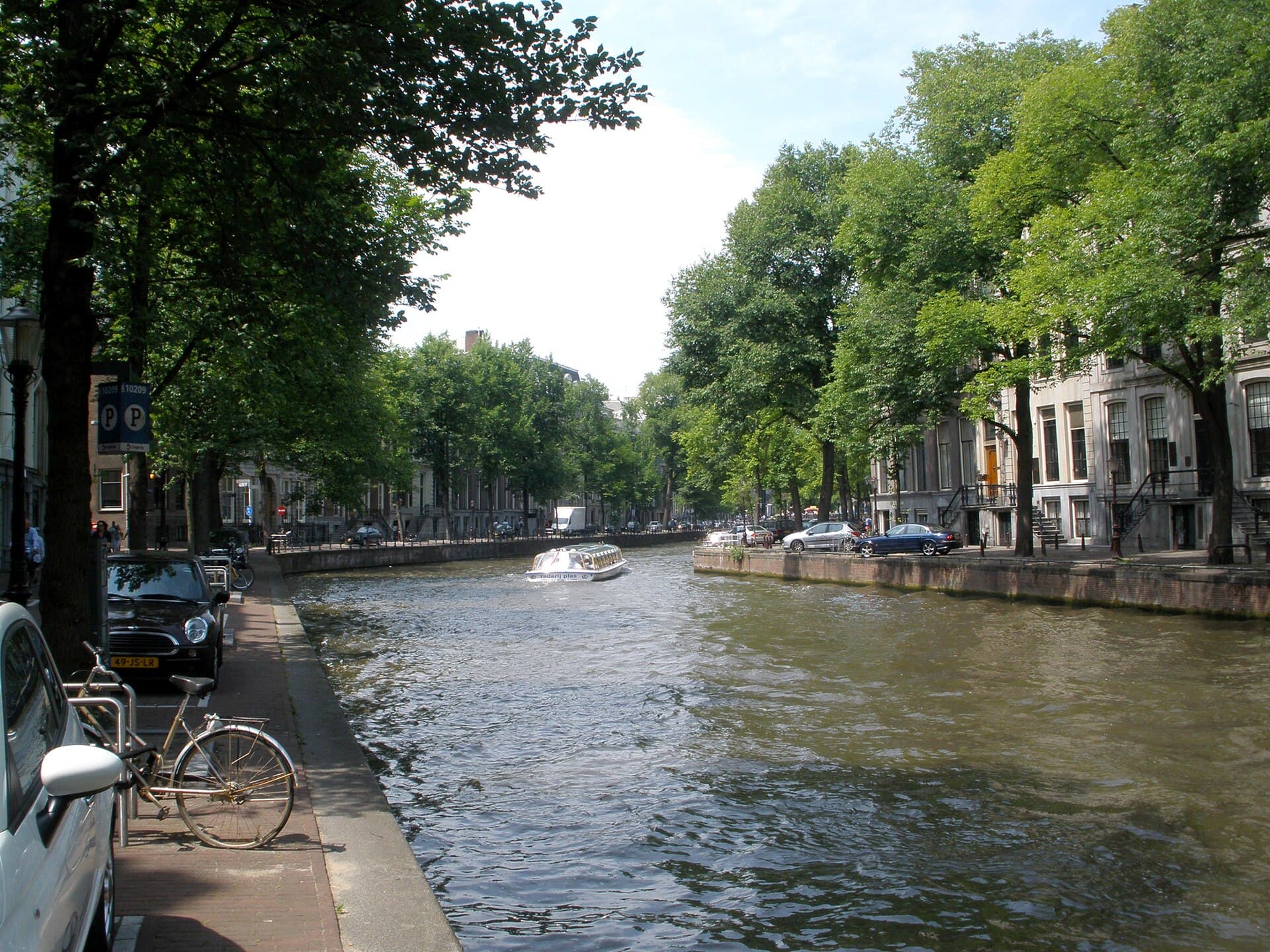 The Golden BendThe Golden Bend is the stretch of the Herengracht between Vijzelstraat and Leids5 minutes walk4.8
A small Dutch movement active between 1965 and 1967 that mixed anarchism with organised pranks. It was known for its White Plans: free white bicycles for everyone in the city, white chickens instead of police, white housing against the housing shortage. Its methods were provocative without violence — relying on pushing authority into an overreaction in front of the cameras. It dissolved itself in 1967 after winning a council seat, but its ideas stayed in Dutch politics.
The square itself is among the quietest in the centre despite its central position. Around it are old bookshops and traditional brown cafés, the small Begijnhof gateway in its corner, and the shopping street Kalverstraat beginning from it. The Friday second-hand book market and the Sunday art market are worth timing your visit around.