
The golden dome
Which gave the mosque its name.
Patrick Roque — CC BY-SA 4.0 · E911a — CC BY-SA 4.0 · patrickroque01 — CC BY-SA 4.0
The largest mosque in Metro Manila, standing in the Muslim quarter of Quiapo and known as Masjid Al-Dahab, the Golden Mosque, after its gold-painted dome and the street it stands on, Globo de Oro, «golden globe». Construction began in 1976, funded by donations from abroad, notably from Libya and Saudi Arabia. The mosque combines a dome and minaret in the Middle Eastern style with geometric decoration drawn from the art of the Maranao, a Muslim people of Mindanao. It fills with worshippers for Friday prayers and is the centre of life for the Muslim community that has settled in Quiapo in their thousands, most of them from Mindanao. Around the mosque is a small Muslim market quarter, with halal restaurants serving Filipino Muslim food, such as Maranao dishes rich in turmeric and spices, and shops selling fabrics, headscarves, dates and perfume. It is the surest place in central Manila for a halal meal. The mosque is open for prayer; non-Muslims need permission from the mosque administration to go in. The quarter is crowded, so keep an eye on your belongings.
Which gave the mosque its name.
The art of Mindanao's Muslims.
Halal food, fabrics, dates.
Globo de Oro Street, Quiapo, Manila
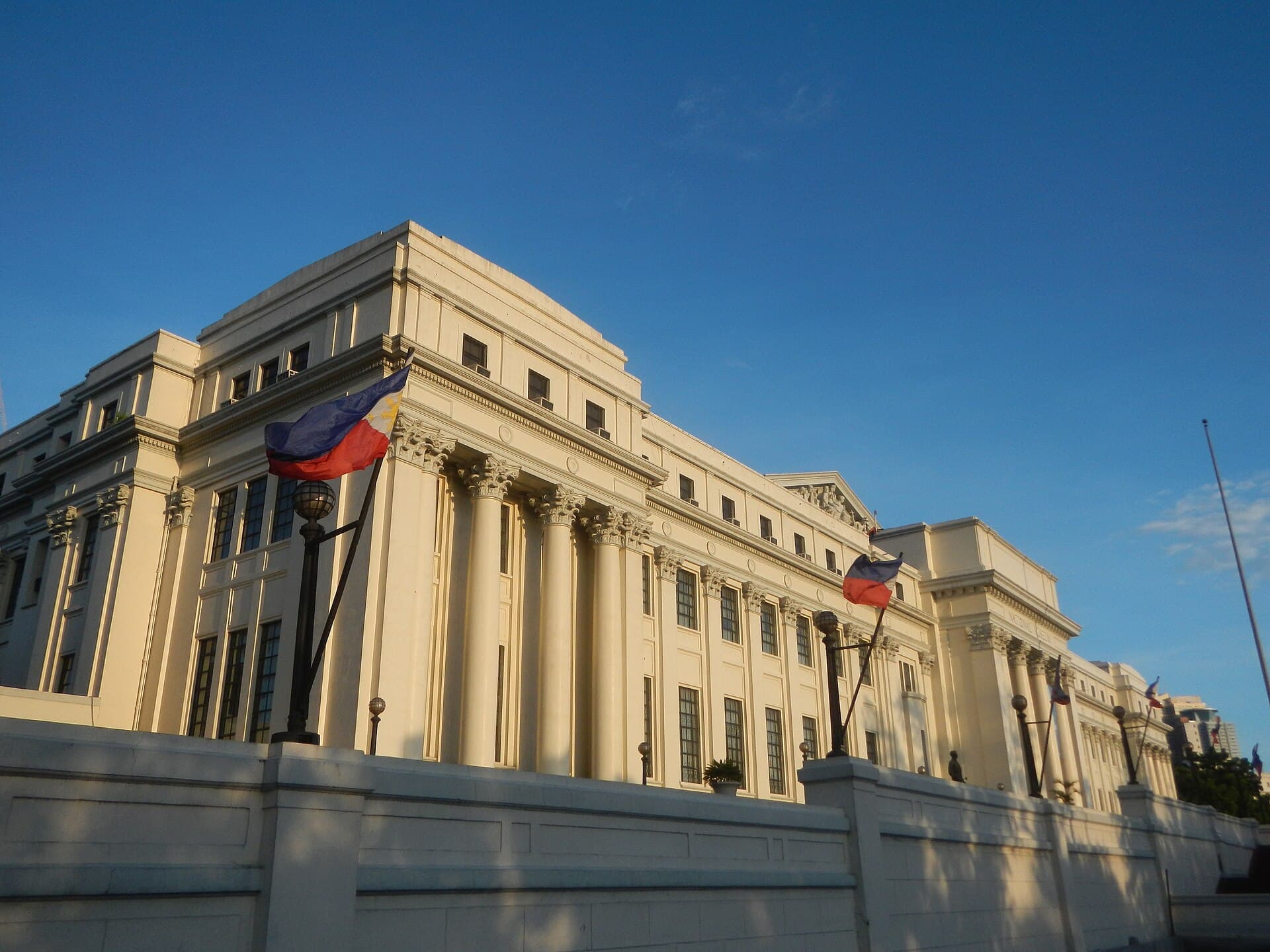 National Museum of Fine ArtsThe largest art museum in the Philippines, housed in the Old Legislative Buildin13 minutes walk4.6
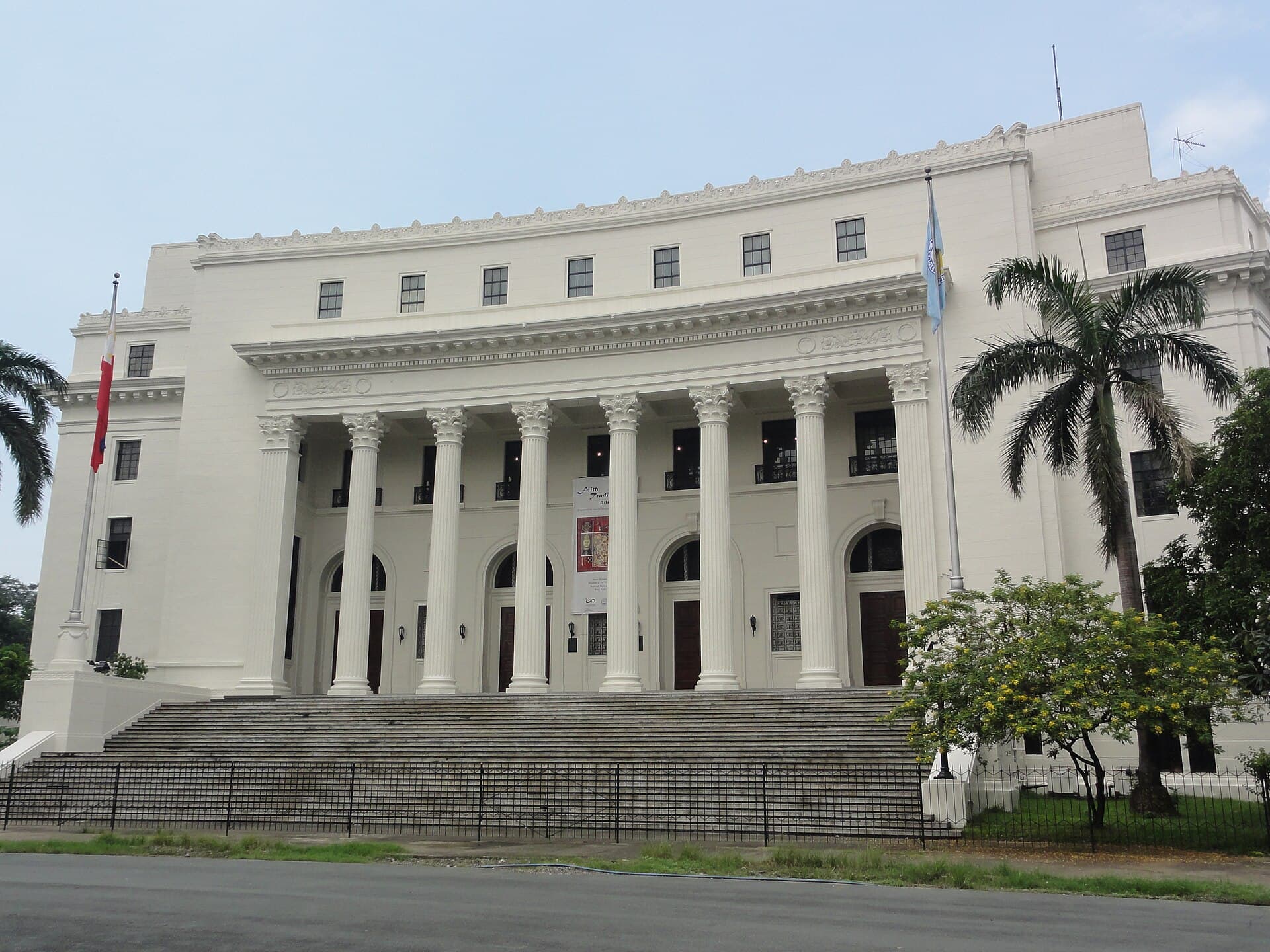 National Museum of AnthropologyThe museum of the history and archaeology of the Filipino peoples, in a neoclass15 minutes walk4.7
 Binondo ChinatownThe oldest Chinatown in the world, founded by the Spanish in 1594 across the riv16 minutes walk
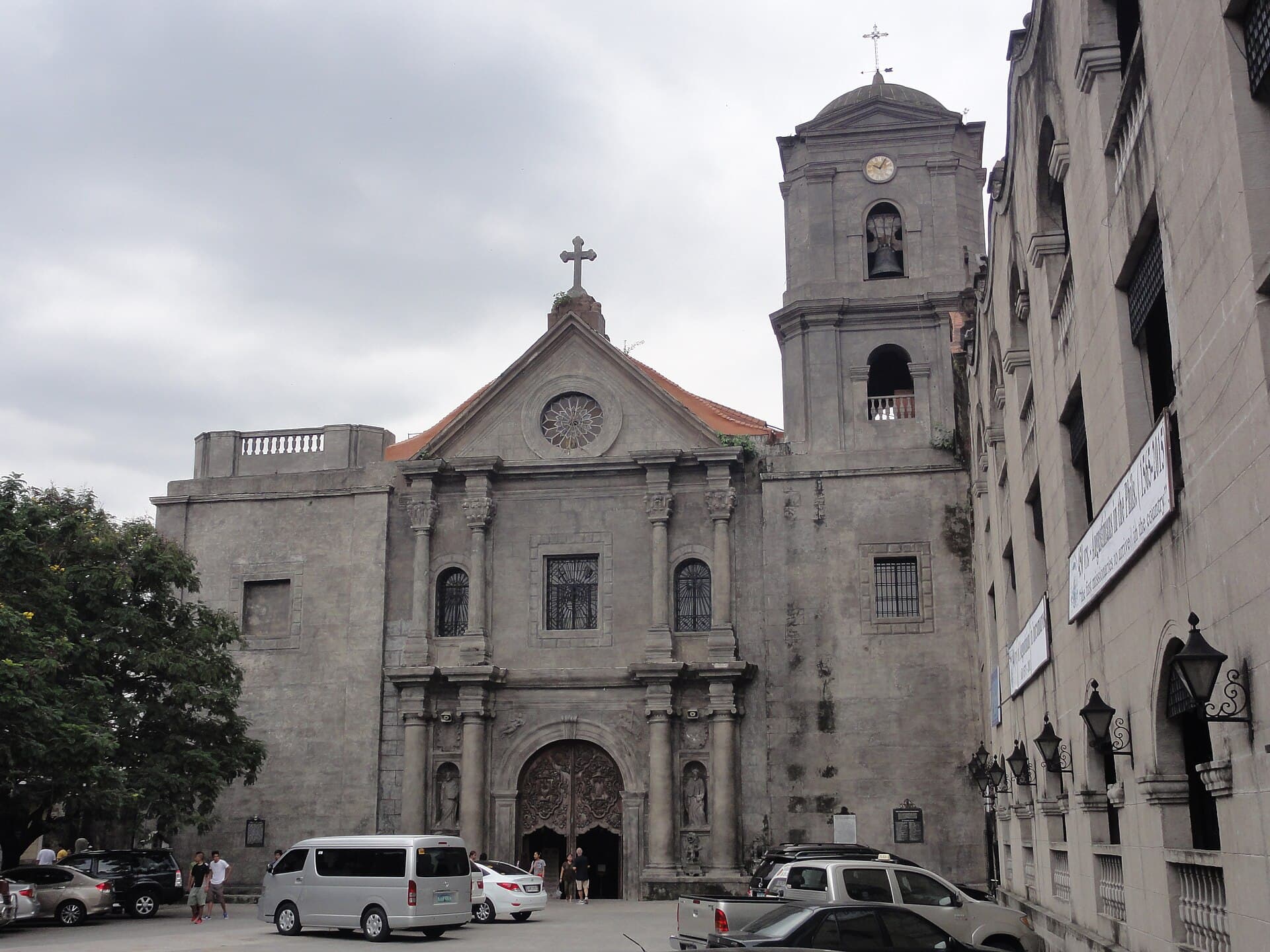 San Agustin Church, ManilaThe oldest stone church in the Philippines, completed in 1607 within the walls o16 minutes walk4.5
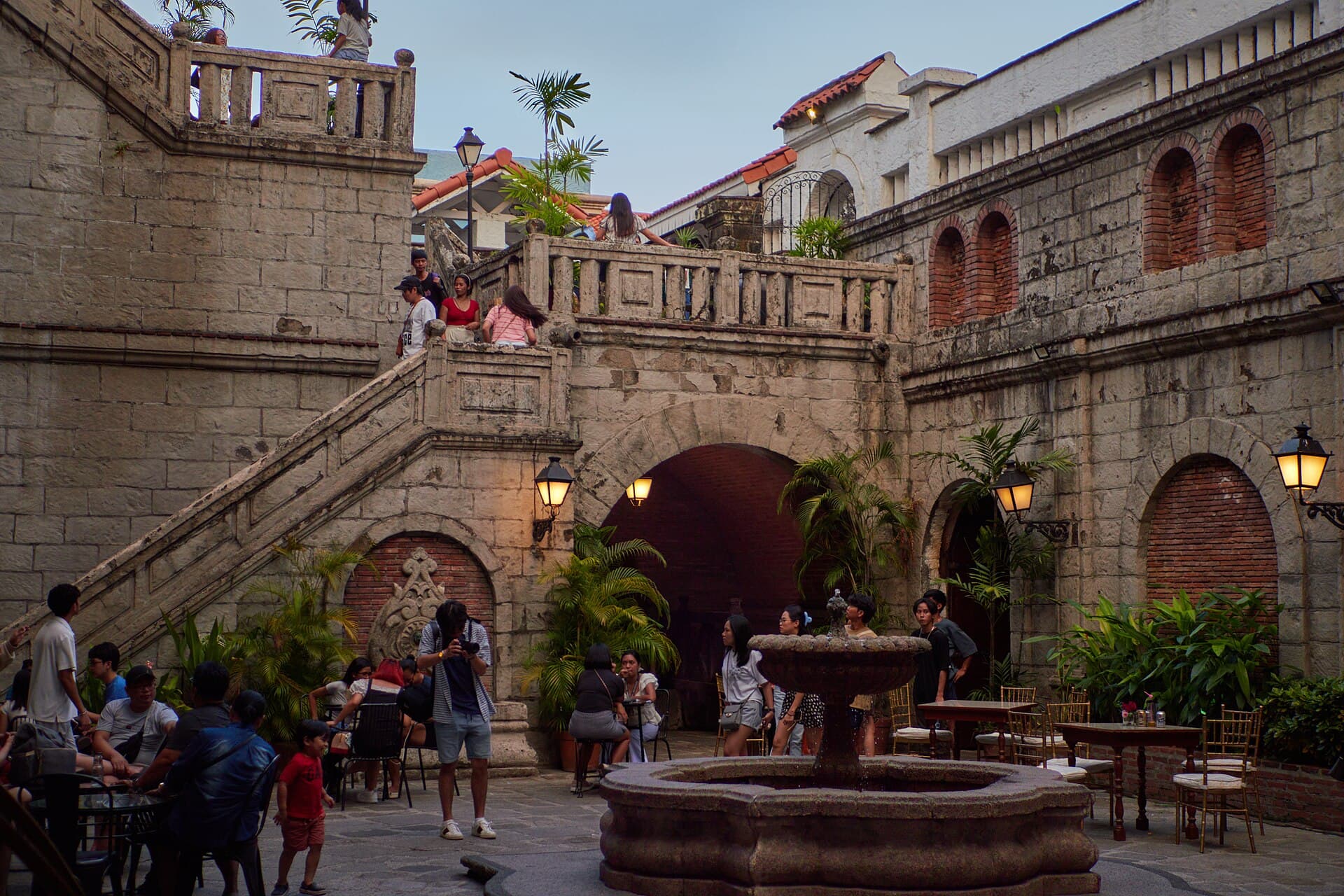 IntramurosThe old walled city at the heart of Manila; its Spanish name means «within the w16 minutes walk
Around the Golden Mosque in Quiapo, where halal restaurants serve Filipino Muslim food alongside shops selling dates and fabrics.