
The San Diego wreck
Porcelain and arms from 1600.
Patrickroque01 — CC BY-SA 3.0 · Ramon FVelasquez — CC BY-SA 3.0 · Ramon FVelasquez — CC BY-SA 3.0 · Ramon FVelasquez — CC BY-SA 3.0
The museum of the history and archaeology of the Filipino peoples, in a neoclassical building put up between 1916 and 1918 for the Department of Finance. It tells the story of the archipelago from prehistory, and of its many communities with their languages and crafts, before and after the Spanish arrived. Among its best-known exhibits are the treasures of the Spanish ship San Diego, which sank near Manila in 1600 in a battle with the Dutch; thousands of objects were raised from it in the 1990s, including Chinese porcelain, weapons and navigational instruments. Another is the Manunggul Jar, an earthenware burial jar about three thousand years old, its lid topped by a boat carrying two souls to the afterlife. Other halls show the dress and weaving of the Filipino peoples, musical instruments, baskets and weapons, including pieces from the Muslim peoples of Mindanao, such as the Moro, with their jewellery, textiles and brassware. Entry is free, and the museum closes on Mondays. It faces the Museum of Fine Arts, with the Museum of Natural History next door.
Porcelain and arms from 1600.
A boat of souls on the lid.
Muslim peoples' brass and jewels.
Agrifina Circle, Rizal Park, Manila, opposite the Museum of Fine Arts
 National Museum of Fine ArtsThe largest art museum in the Philippines, housed in the Old Legislative Buildin2 minutes walk4.6
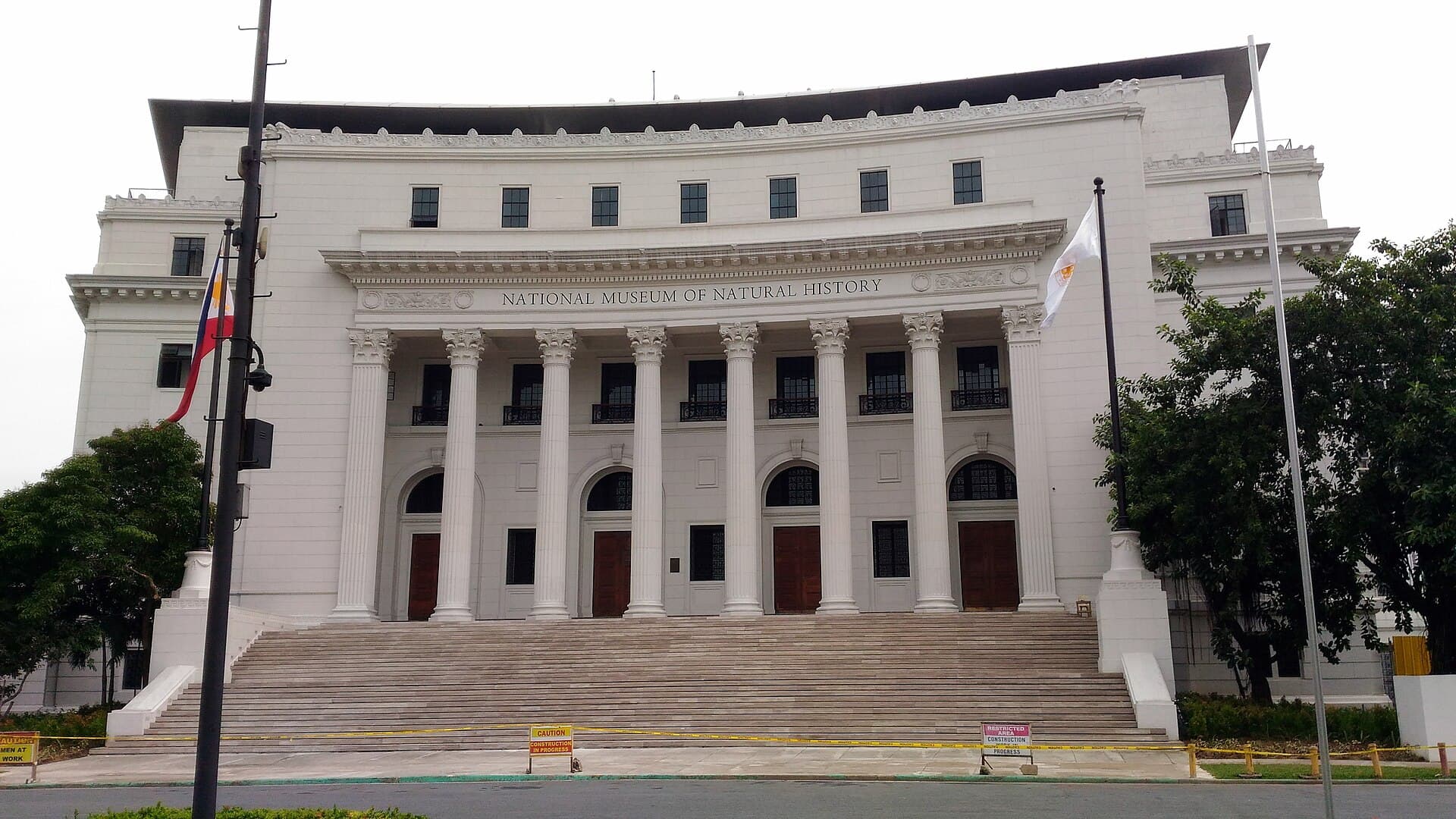 National Museum of Natural HistoryThe newest of the National Museum's buildings and the favourite of families, hou3 minutes walk4.6
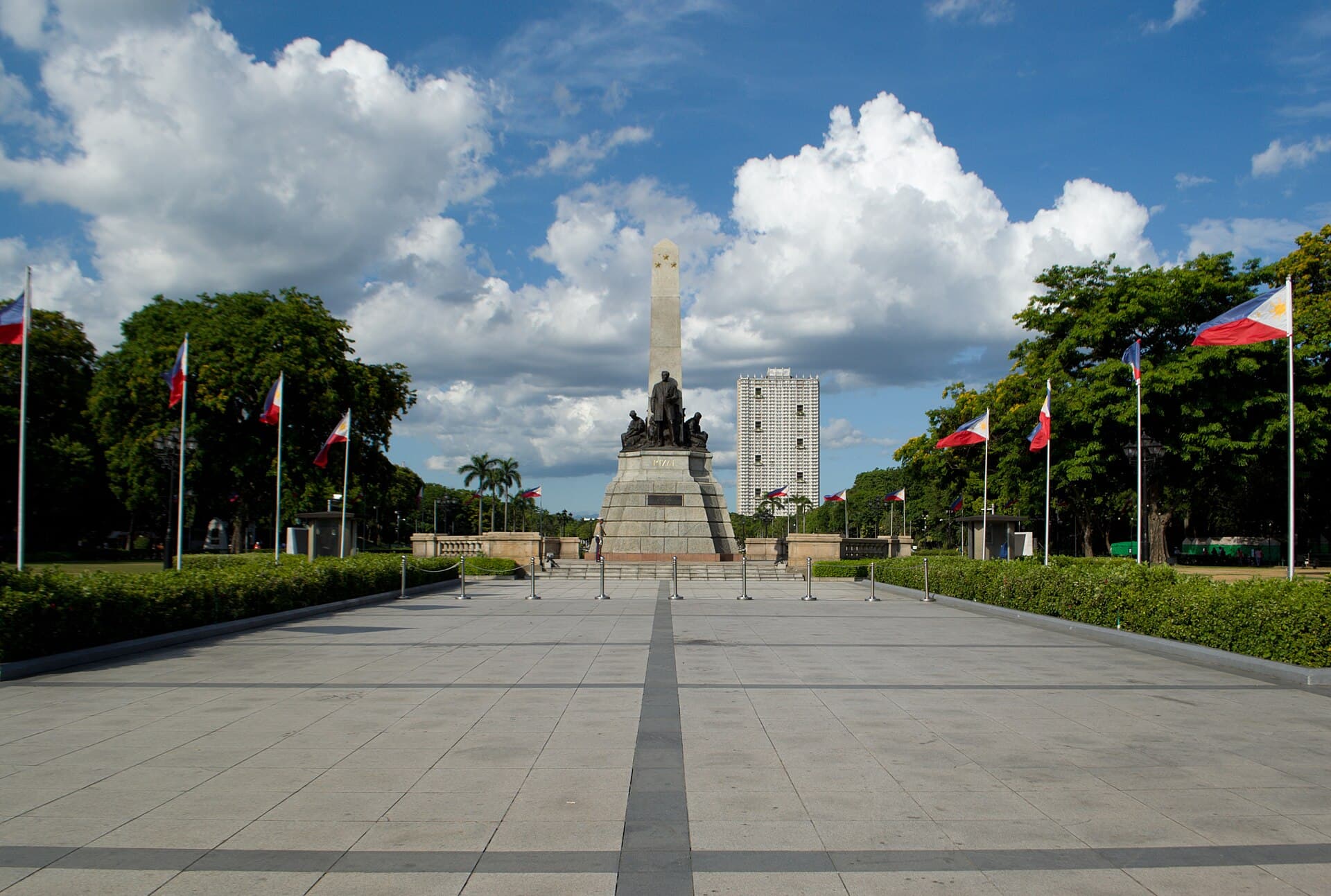 Rizal Park (Luneta)Manila's best-known and largest park, covering 58 hectares between the walled ci5 minutes walk4.6
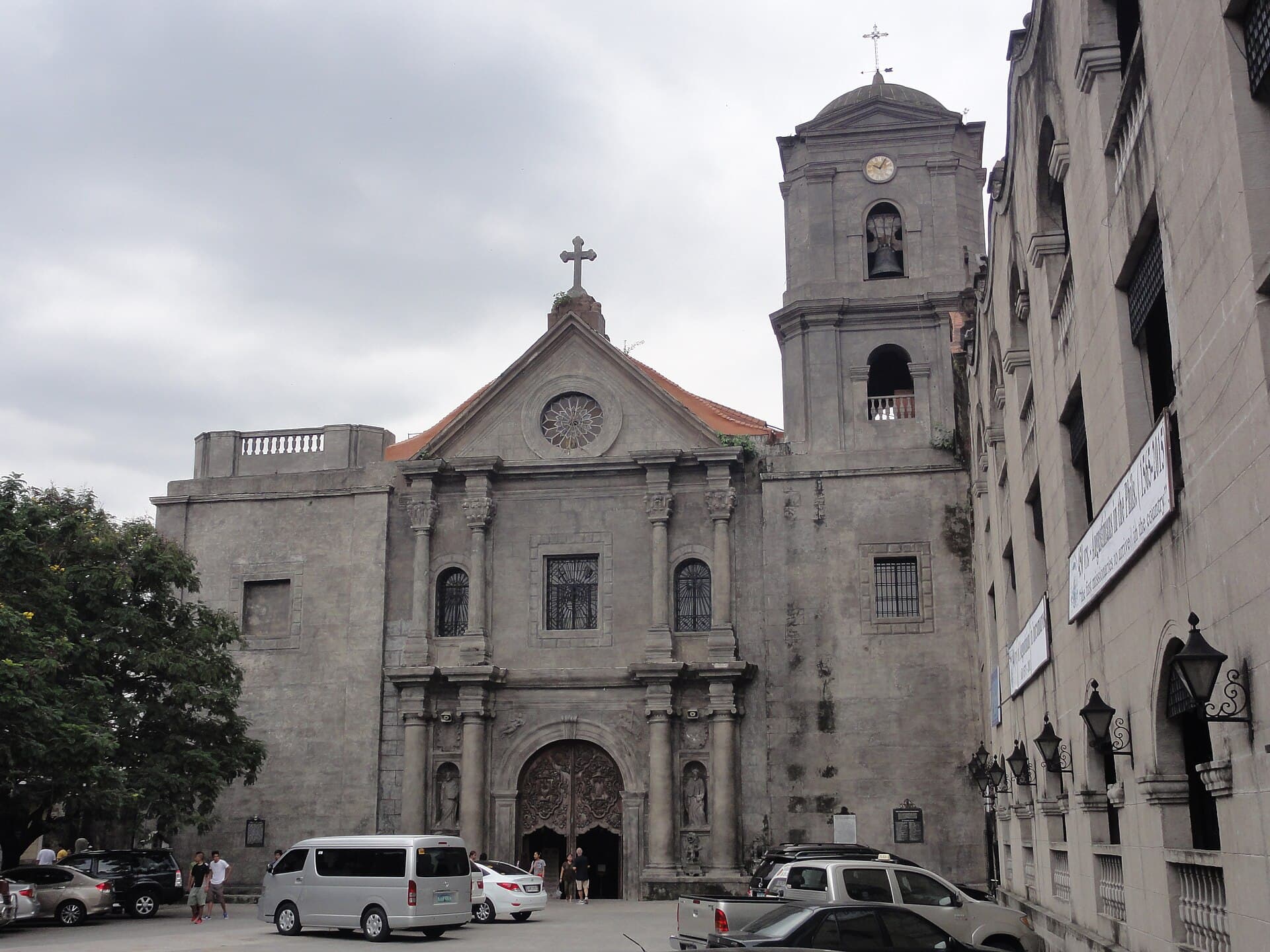 San Agustin ChurchThe oldest stone church in the Philippines, completed in 1607 within the walls o9 minutes walk4.5
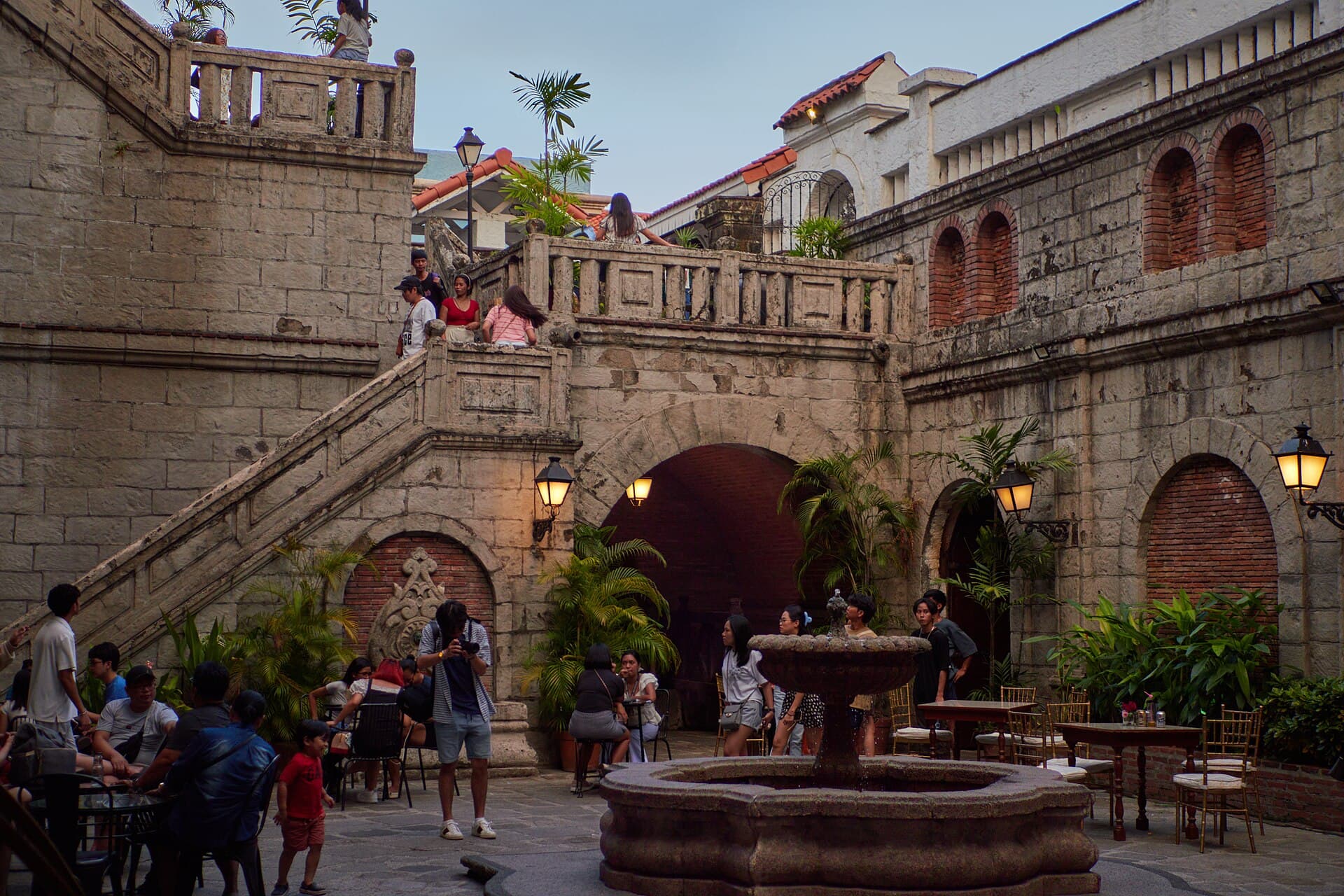 IntramurosThe old walled city at the heart of Manila; its Spanish name means «within the w10 minutes walk
The treasures of the Spanish ship San Diego, sunk in 1600, and the Manunggul burial jar, about three thousand years old.