
The Spoliarium
Juan Luna's vast canvas.
Judgefloro — CC0 · GRMondala — CC BY-SA 4.0 · Aaron Lucas — CC BY-SA 4.0 · Kabu Sawsaw — CC BY-SA 4.0
The largest art museum in the Philippines, housed in the Old Legislative Building, a neoclassical landmark with massive columns completed in 1921, which served as the seat of the Philippine Congress until 1972 and of the Senate until 1997. It became a museum in 1998, and the old Senate session hall is still preserved with its seats. Its best-known painting is the Spoliarium by Juan Luna, a huge canvas more than seven metres wide showing Roman gladiators being dragged from the arena. It won the gold medal at the Madrid exhibition of 1884 and became a symbol of national pride under Spanish rule. It fills the great hall at the entrance. The other floors hold the work of Filipino painters from the nineteenth century to modern times, landscapes and scenes of daily life, and a collection of modern art. The English captions are clear. Entry is free, and the museum closes on Mondays. It is one of the three National Museum buildings around Rizal Park, which can all be seen in one day.
Juan Luna's vast canvas.
Preserved with its seats.
Columns from 1921.
Padre Burgos Avenue, on the eastern edge of Rizal Park, Manila
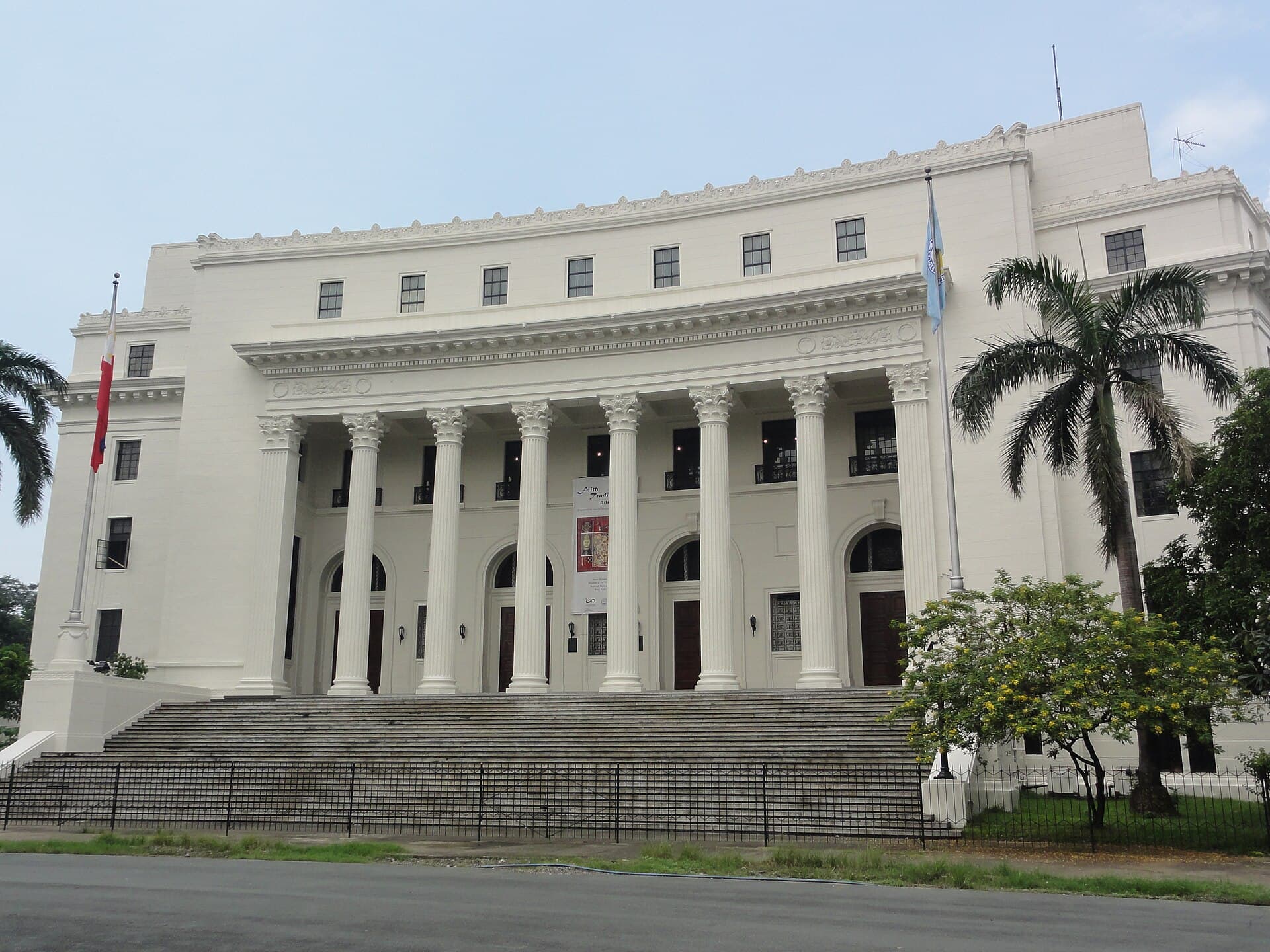 National Museum of AnthropologyThe museum of the history and archaeology of the Filipino peoples, in a neoclass2 minutes walk4.7
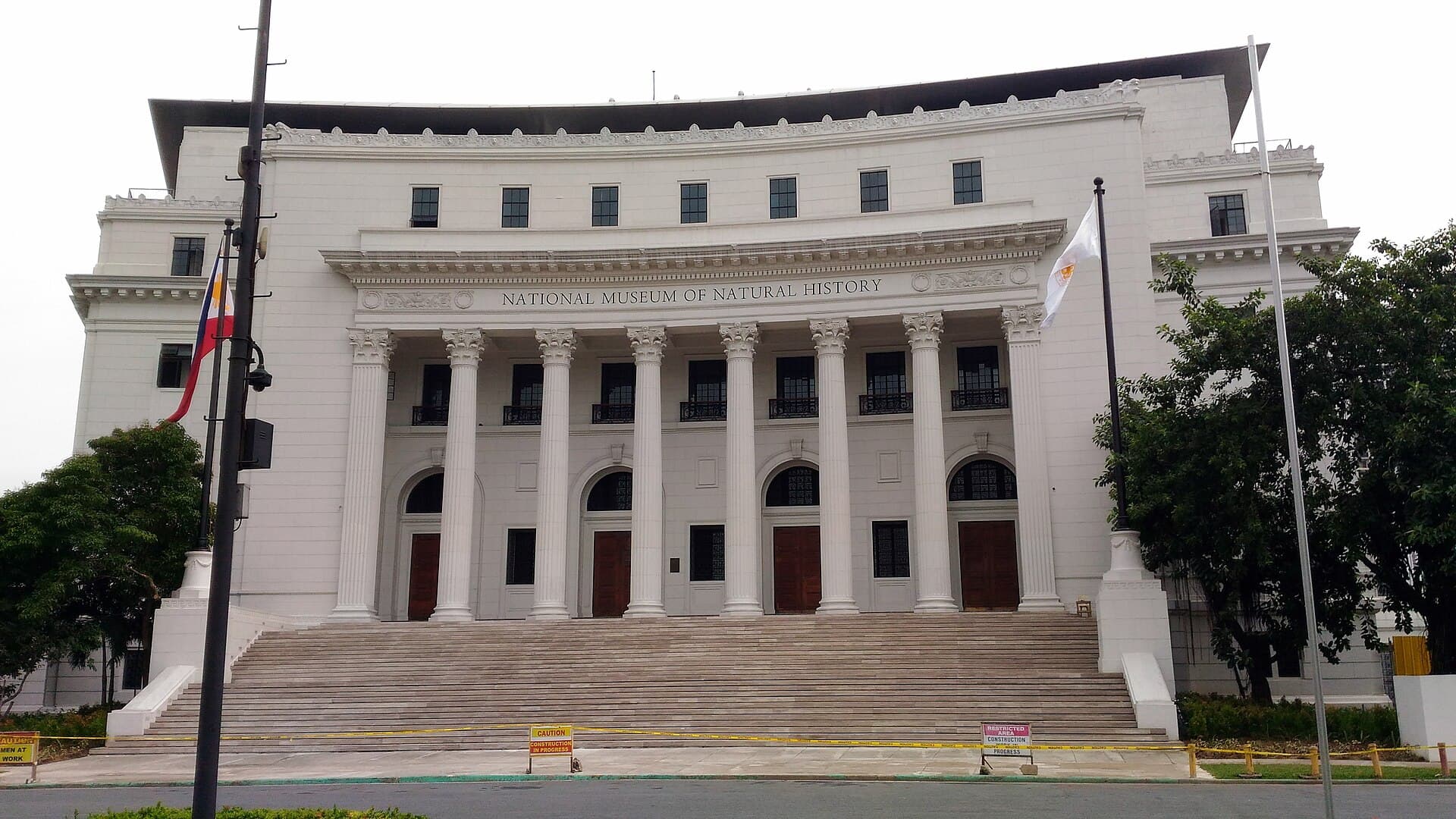 National Museum of Natural HistoryThe newest of the National Museum's buildings and the favourite of families, hou5 minutes walk4.6
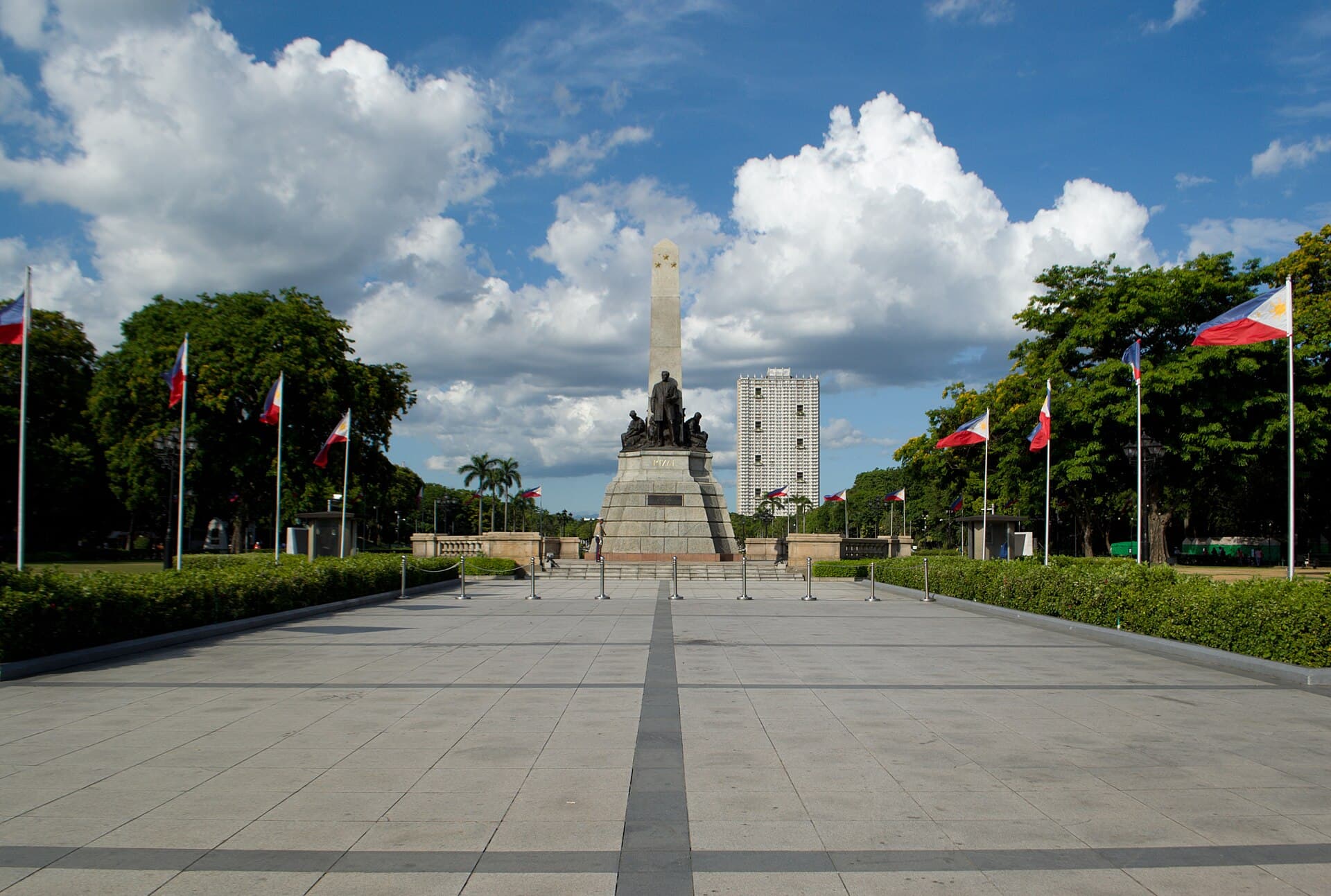 Rizal Park (Luneta)Manila's best-known and largest park, covering 58 hectares between the walled ci7 minutes walk4.6
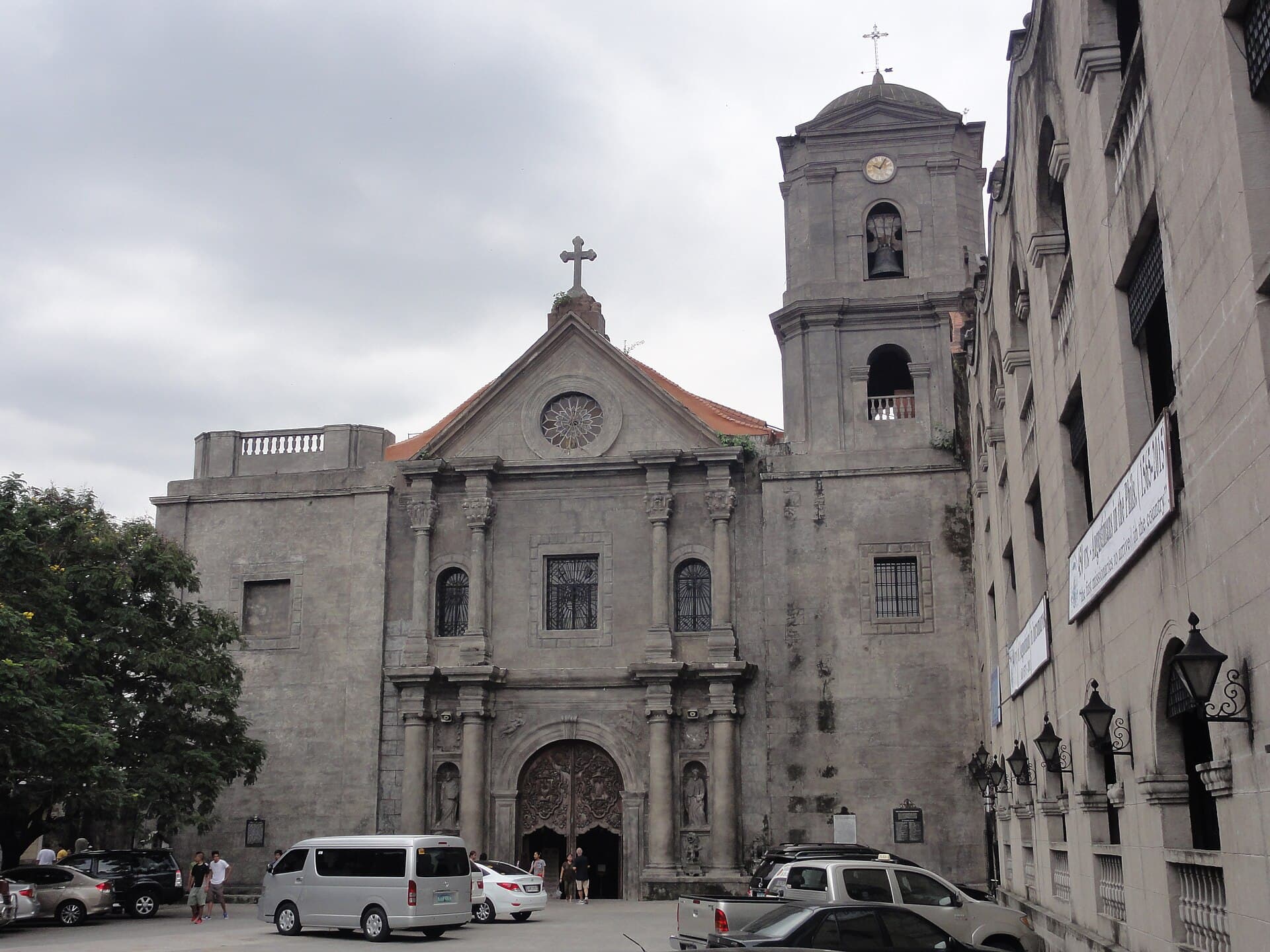 San Agustin ChurchThe oldest stone church in the Philippines, completed in 1607 within the walls o8 minutes walk4.5
 IntramurosThe old walled city at the heart of Manila; its Spanish name means «within the w9 minutes walk
Yes, all three National Museum buildings are free and open Tuesday to Sunday. Registration with ID is required at the entrance.