
St. Mark's roof
The nation's arms in coloured tile.
Ladislav Boháč — CC0 · Hijerovit — CC BY-SA 4.0 · Jorge Láscar from Australia — CC BY 2.0 · Jorge Láscar from Australia — CC BY 2.0
Gornji Grad is original Zagreb: the medieval hill town of lanes and two hundred and fourteen gas lanterns — still hand-lit each dusk today — its heart St. Mark's church with the famous mottled roof: Croatia's and Zagreb's arms in coloured tile, the country's first photographed icon. Its spiritual door is the Stone Gate: the Virgin's icon survived the 1731 fire whole, making the tunnel an open shrine — candles and silence mid-city, respect owed in passing — while the Lotrščak tower fires the noon cannon daily since 1877 (don't startle at twelve!) and its climb is the finest roofscape view. Ascend by the world's shortest funicular (66 metres — thirty seconds since 1890) or the century stairs — the Strossmayer promenade on the southern wall the lower city's balcony of benches and lovers, and the wartime Grič tunnel piercing the hill beneath you in summer cool. Evening is lanterns and quiet: its finest hours uncontested.
The nation's arms in coloured tile.
The surviving Virgin's open tunnel shrine.
The south wall's lantern balcony.
Gornji Grad, 10000 Zagreb
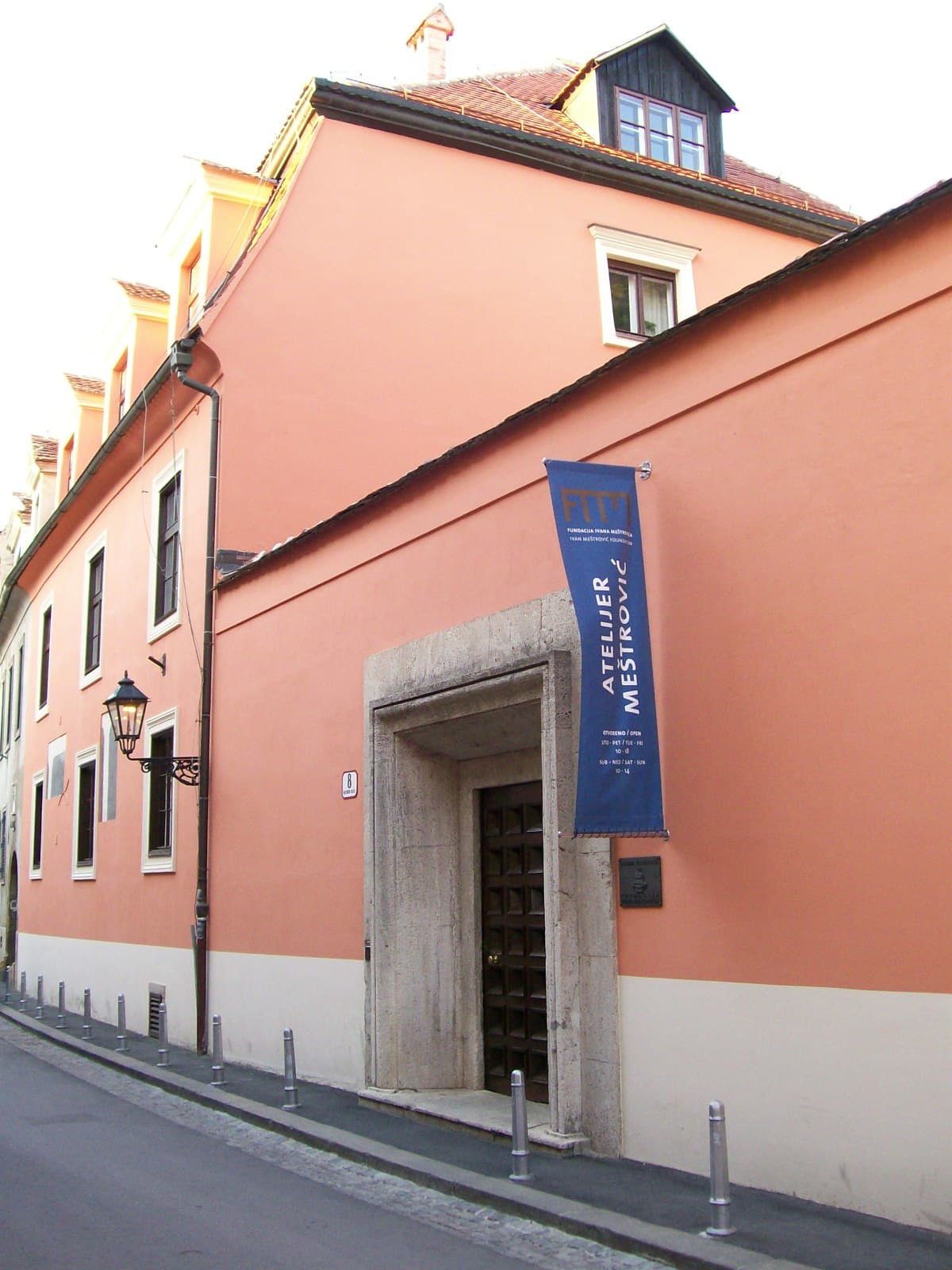 The Meštrović AtelierIvan Meštrović's house and studio in Zagreb's Upper Town, where he lived and wor1 minute walk4.9
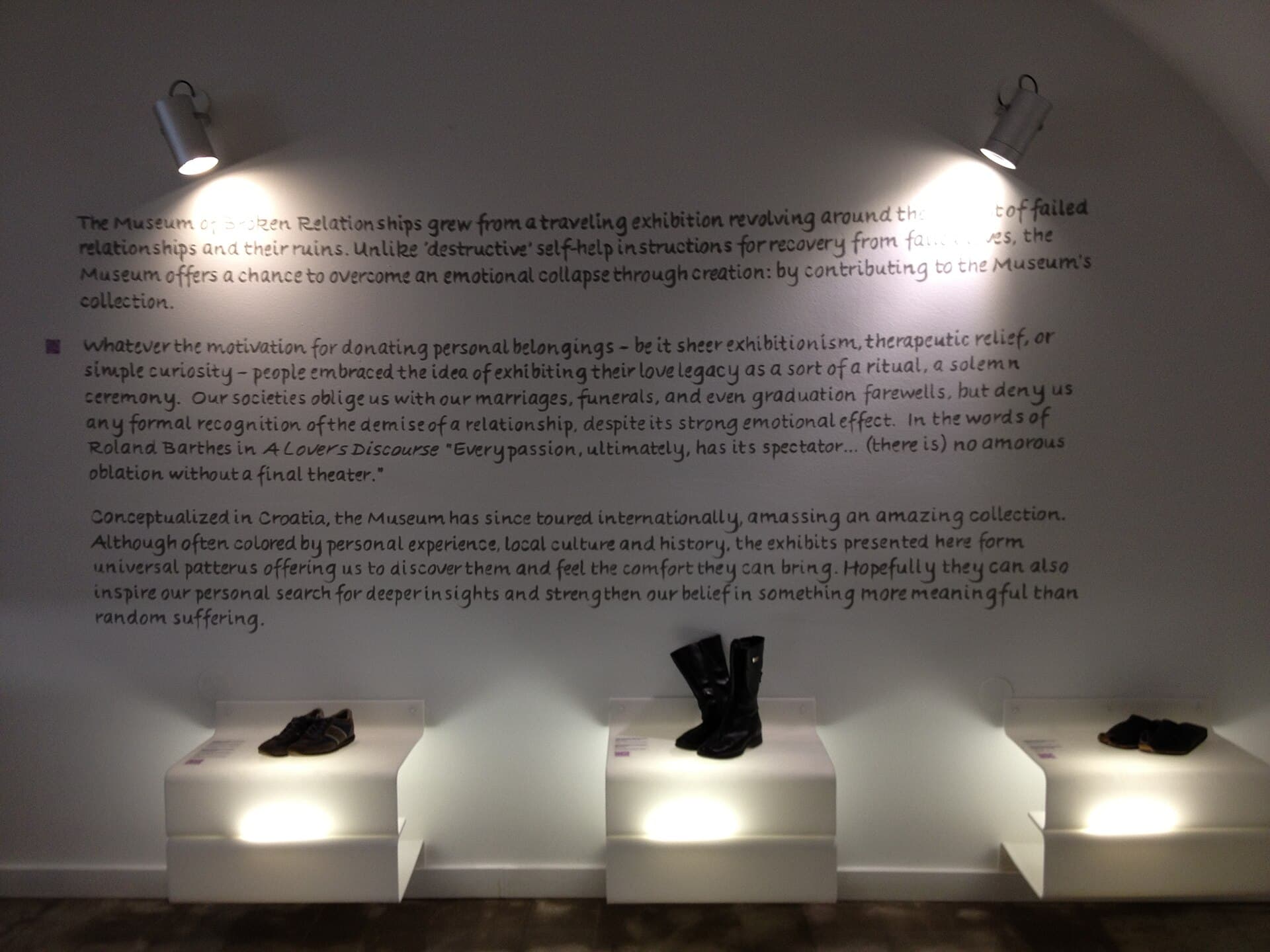 The Museum of Broken RelationshipsThe Museum of Broken Relationships is Zagreb's most famous cultural export: two 2 minutes walk4.4
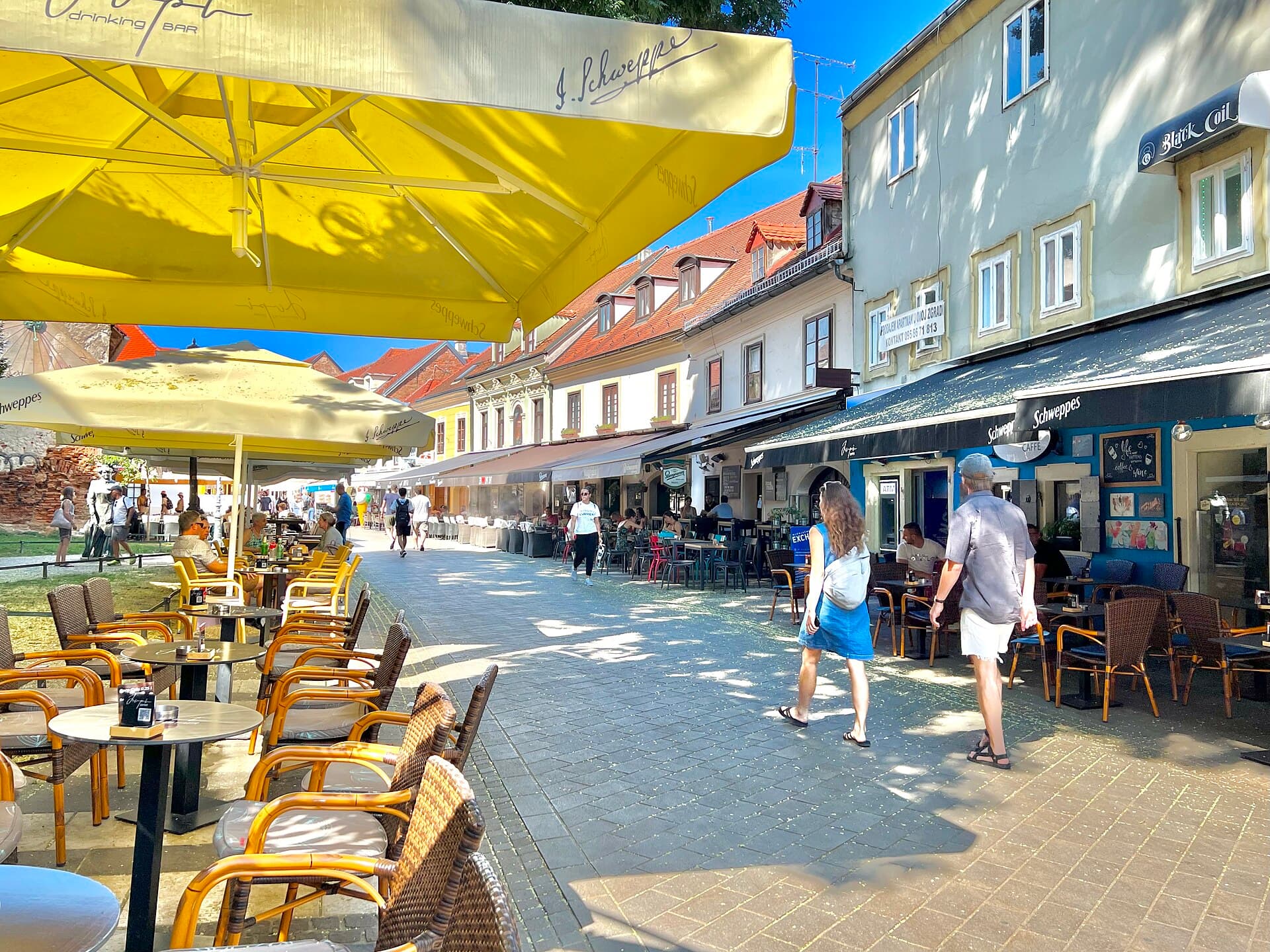 Tkalciceva StreetTkalčićeva is Zagreb's street of cafes and restaurants: a narrow pedestrian run 4 minutes walk4.8
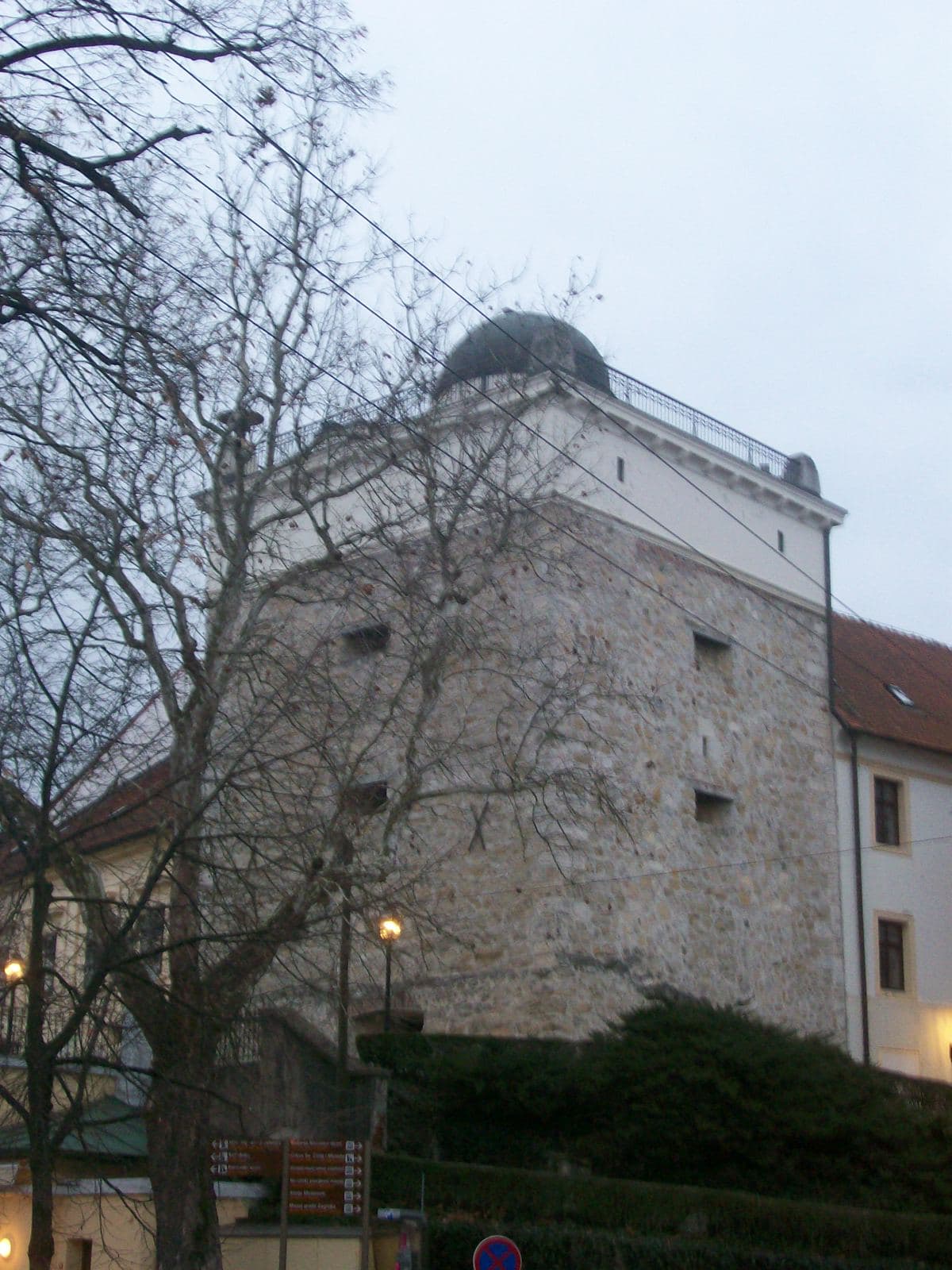 Zagreb ObservatoryZagreb Observatory occupies the Priests' Tower, one of the medieval towers of th4 minutes walk4.6
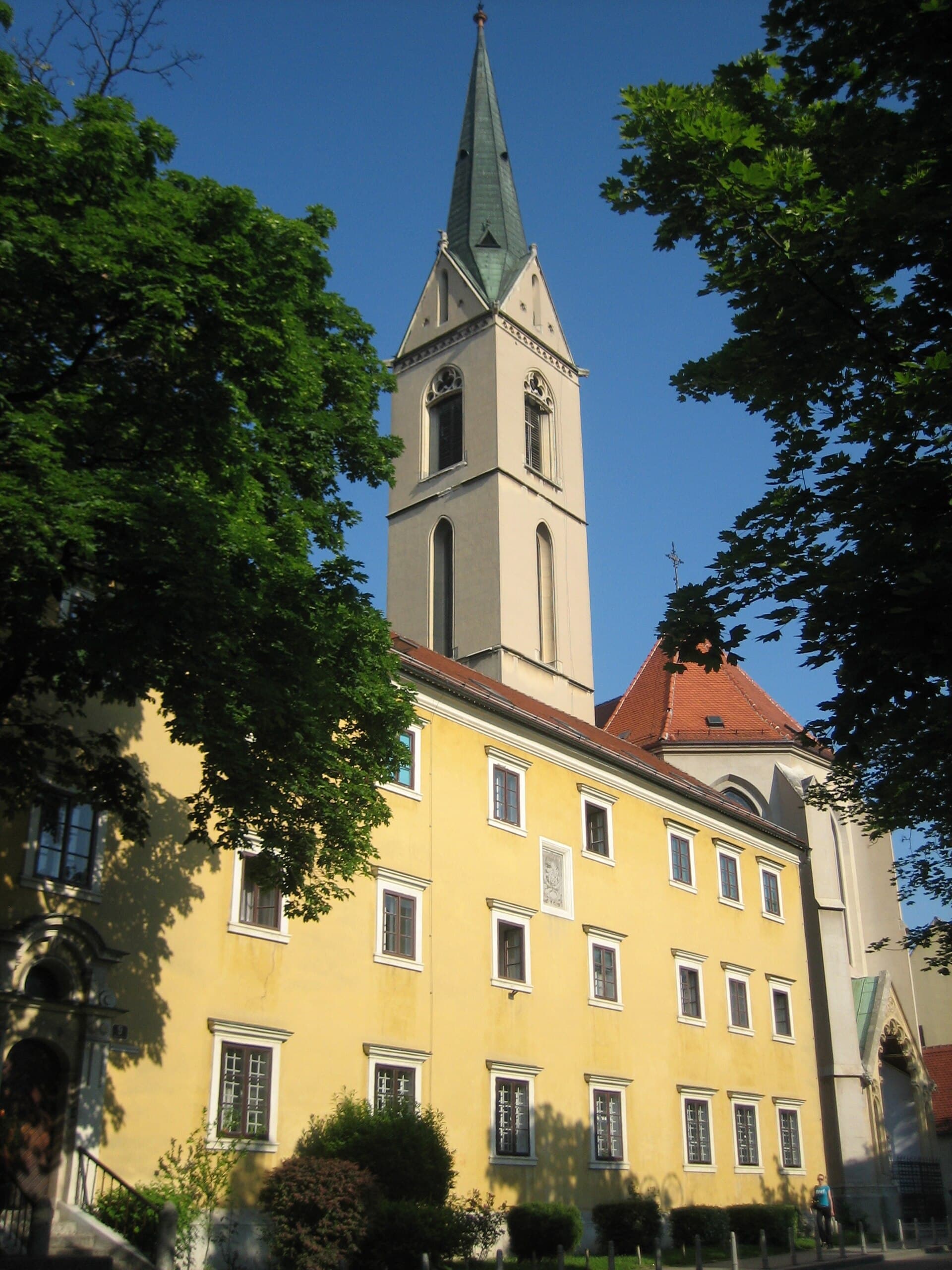 The Franciscan Monastery at KaptolA Franciscan monastery and church in Zagreb's Kaptol district, a short distance 5 minutes walk4.7
Two honest ones: a day for both towns, upper and lower, with museums and cafés — a day for Mirogoj and Maksimir or an excursion (Plitvice at two hours). A complete central-European capital in character (Austro-Hungarian in build) at merciful prices, coffee its religion — and the corridor to Dalmatia loses a city that deserves better.