
The colourful houses
Low 19th-century fronts on both sides.
Sharon Hahn Darlin — CC BY 2.0 · Ludovic Péron — CC BY-SA 3.0 · FOTO:Fortepan — ID 100730: Adományozó/Donor: Dobóczi Zsolt. — CC BY-SA 3.0 · Aigars Mahinovs — CC BY 2.0
Tkalčićeva is Zagreb's street of cafes and restaurants: a narrow pedestrian run lined with low colourful nineteenth-century houses, outdoor tables from end to end, and continuous movement from midday until late. The story is beneath your feet. This street was a riverbed. The Medveščak stream ran here, dividing two rival towns — civic Gradec and clerical Kaptol — and the bridge between them was the scene of such repeated brawling that it became known as the Bloody Bridge. The stream was covered over in 1898 and its course became the present street. The street today is where the people of Zagreb come out: a long afternoon coffee is a fixed local habit, and the evening is louder with bars. For a Muslim or family visitor the best window is daytime and early evening — the cafes serve coffee and pastry with no nightlife character, and the atmosphere is entirely family before dark.
Low 19th-century fronts on both sides.
Where the two towns' quarrels were fought out.
Tkalciceva ulica, 10000 Zagreb
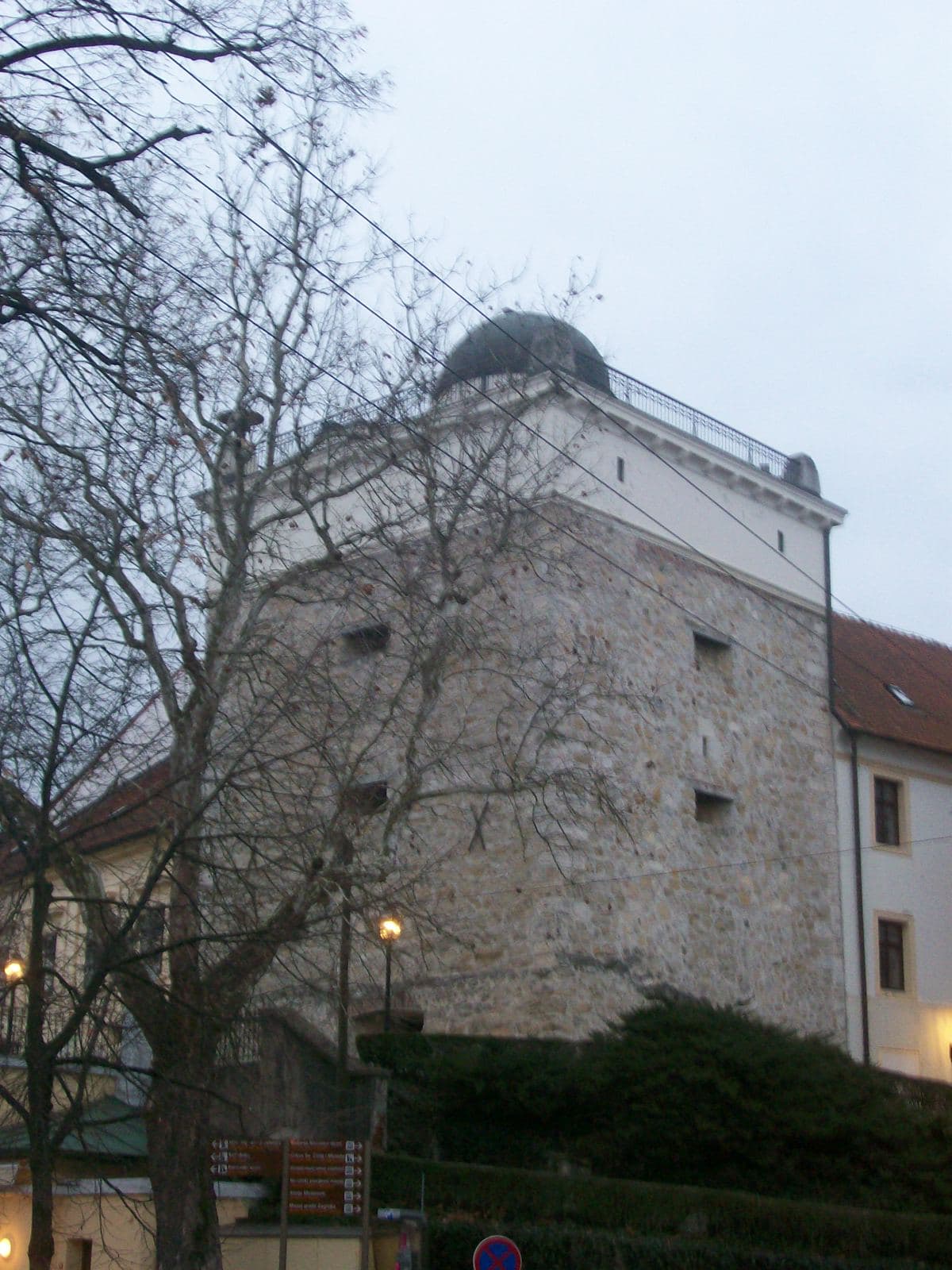 Zagreb ObservatoryZagreb Observatory occupies the Priests' Tower, one of the medieval towers of th2 minutes walk4.6
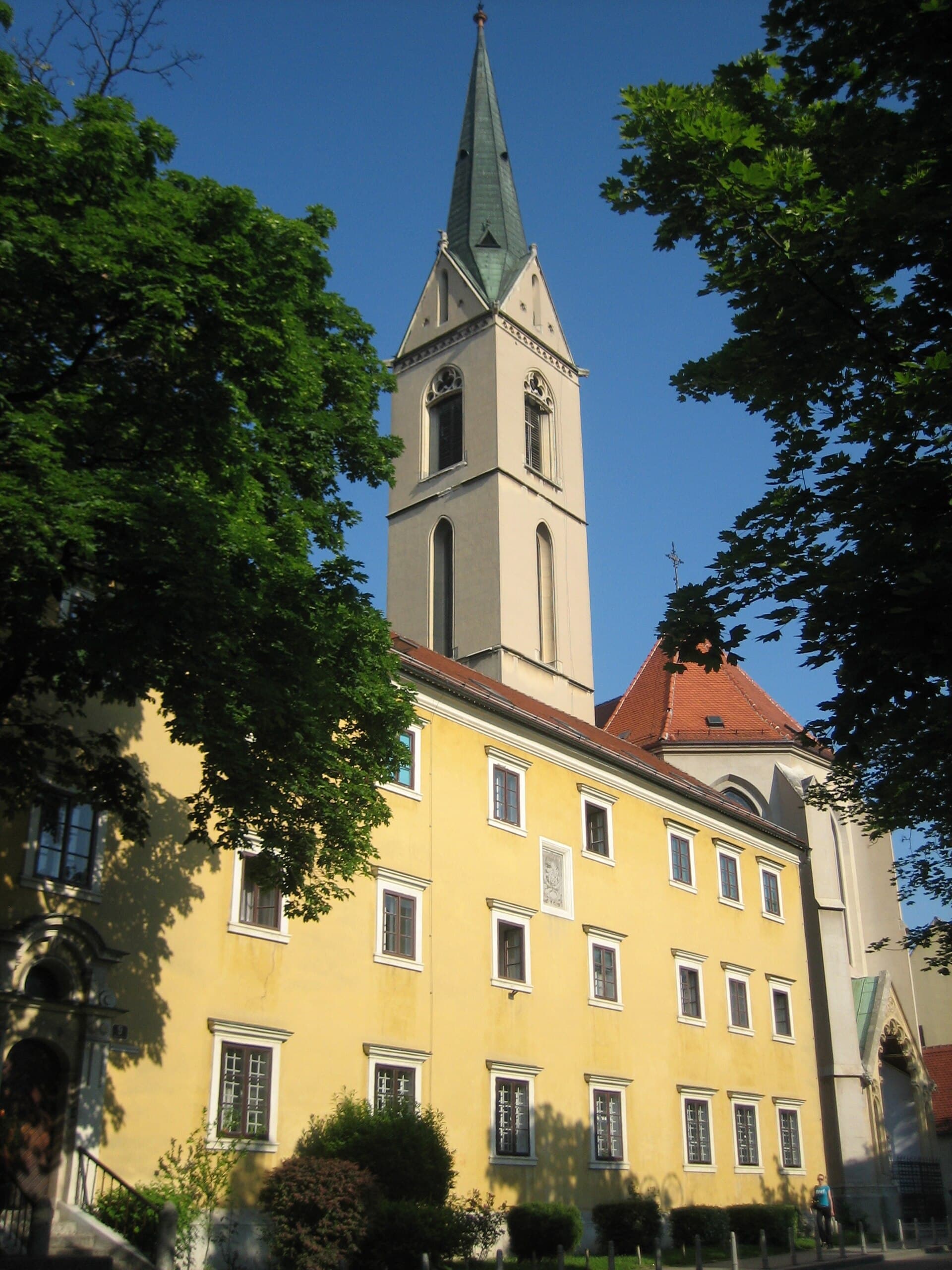 The Franciscan Monastery at KaptolA Franciscan monastery and church in Zagreb's Kaptol district, a short distance 2 minutes walk4.7
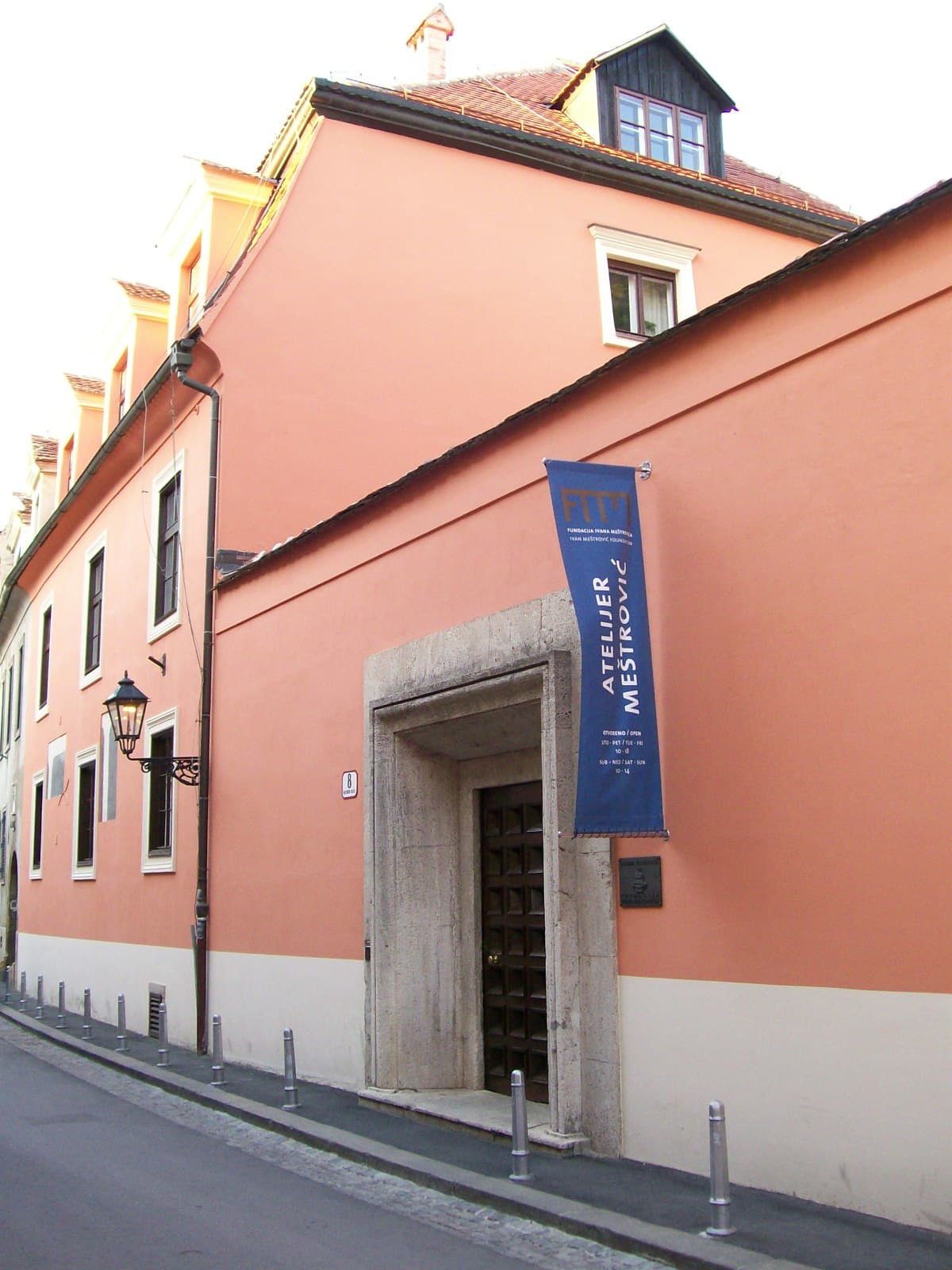 The Meštrović AtelierIvan Meštrović's house and studio in Zagreb's Upper Town, where he lived and wor3 minutes walk4.9
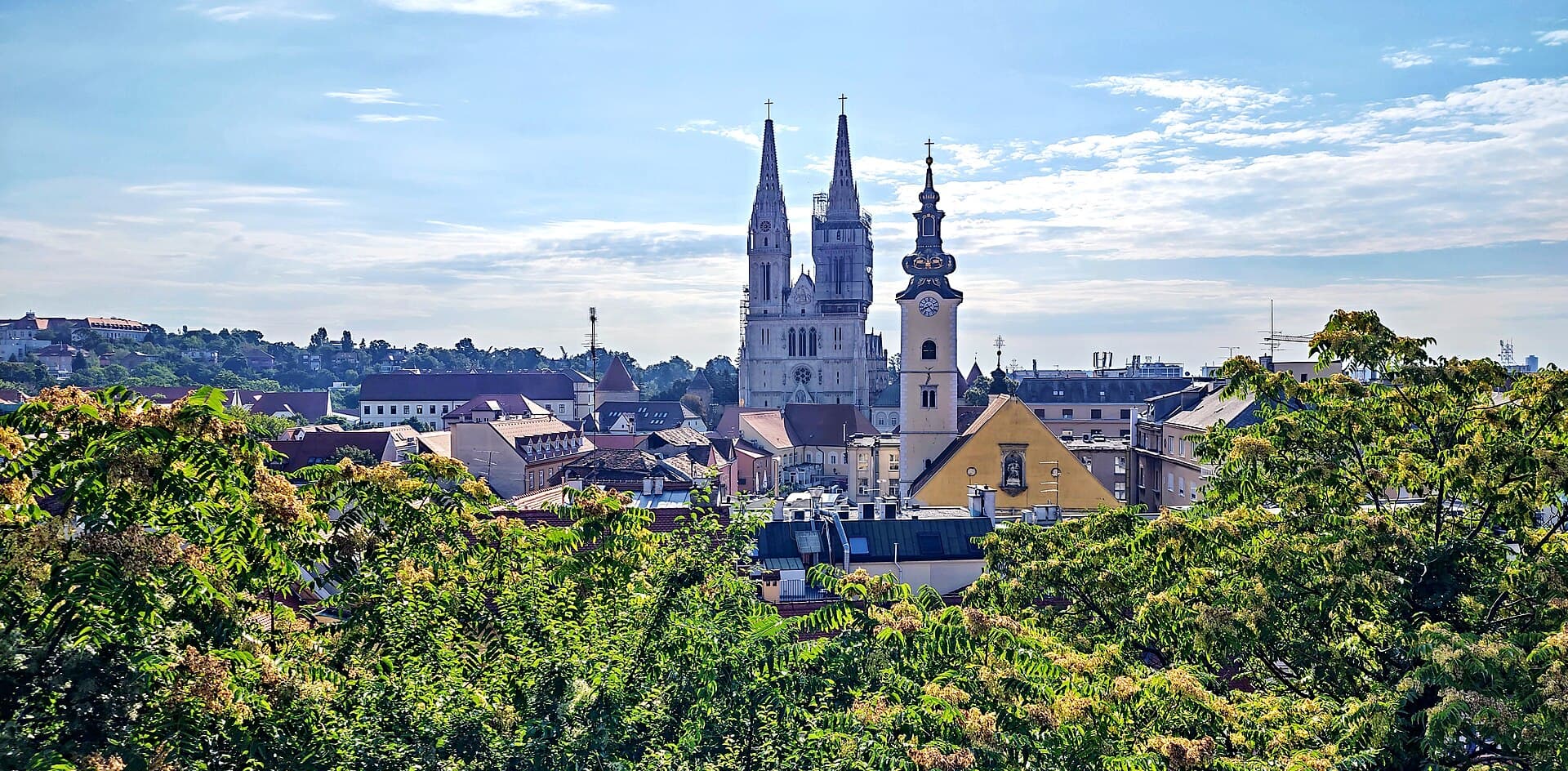 The Upper Town (Gornji Grad)Gornji Grad is original Zagreb: the medieval hill town of lanes and two hundred 4 minutes walk4.6
 The Museum of Broken RelationshipsThe Museum of Broken Relationships is Zagreb's most famous cultural export: two 5 minutes walk4.4
Zagreb was not one city until the nineteenth century but two settlements on adjacent hills: Kaptol around the cathedral, ruled by the bishop, and Gradec, a free town granted self-governing privileges by the king in 1242. They fought over land, mills and taxes for centuries, and it repeatedly came to armed fighting at the bridge between them. They were formally united in 1850 into a single city called Zagreb.