
The North Sea tanks
The local fish of the Swedish coast.
Sinikka Halme — CC BY-SA 4.0 · Averater — CC BY-SA 3.0 · Nahid Vafaie — CC BY 2.0 · Sinikka Halme — CC BY-SA 4.0
Sjöfartsmuseet Akvariet combines two things in one building: a **maritime museum** and an **aquarium** — a combination that makes it better suited to families than any other museum in Gothenburg. The museum covers Gothenburg as a sea city: shipbuilding, fishing, trade and emigration — hundreds of thousands of Swedes left for America from this port. The displays are finely made ship models, navigation instruments and sailors' testimony. The aquarium is older than the museum: it opened in 1933 and is among Sweden's oldest. Its tanks are arranged geographically: the **North Sea** with its local fish, tropical waters, coral reefs and small sharks. The building itself dates from 1933 in the functionalist manner, and in front of it stands the **Seamen's Tower** with the sculpture Woman by the Sea — a monument to the Gothenburg sailors who did not return. Note: **the museum has been closed for a major renovation** — check that it has reopened before going.
The local fish of the Swedish coast.
A monument in front to those who did not return.
Karl Johansgatan 1-3, Gothenburg
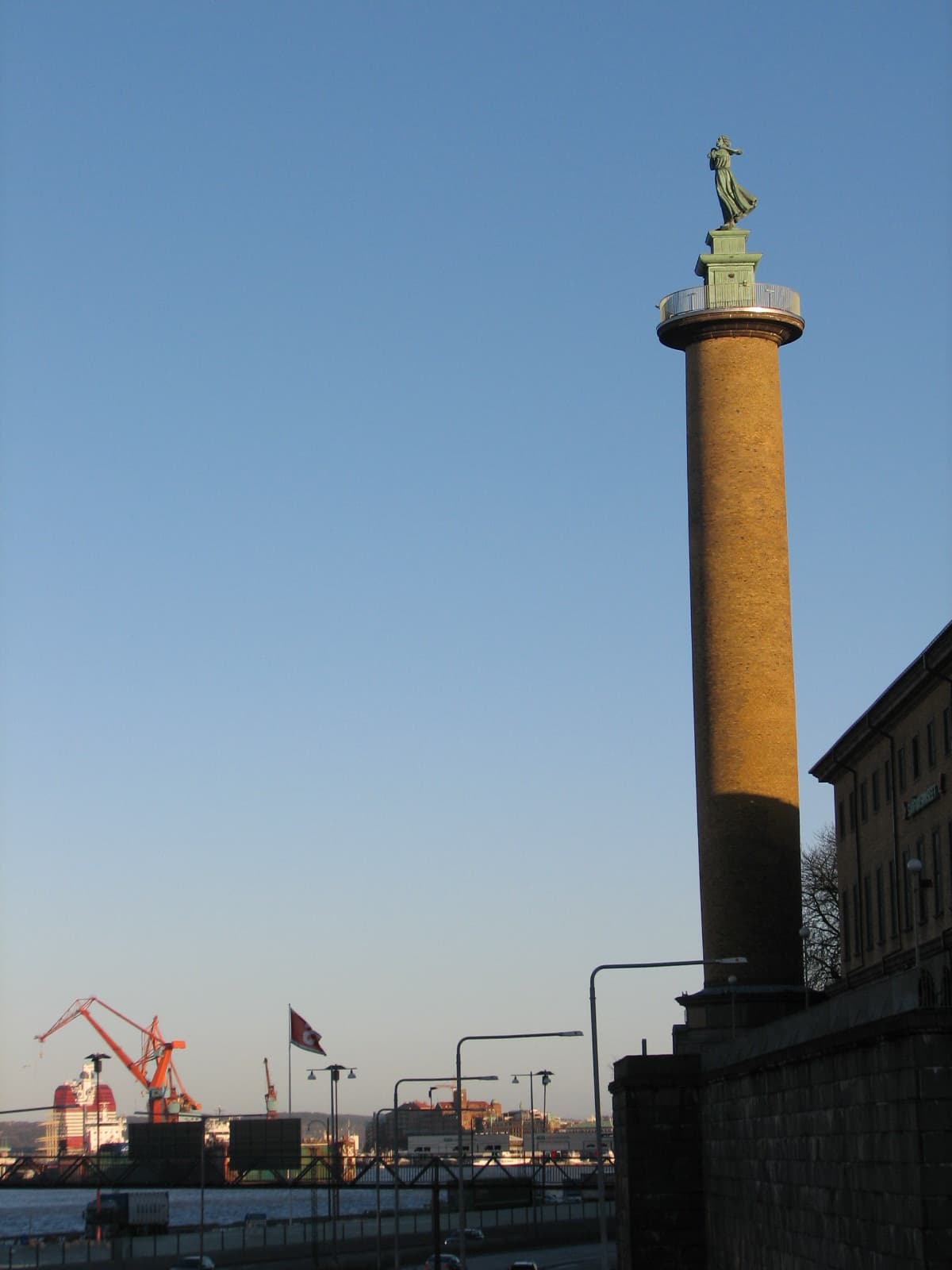 The Seamen's TowerThe Seamen's Tower is a stone column forty-nine metres high in front of the Mari1 minute walk4.6
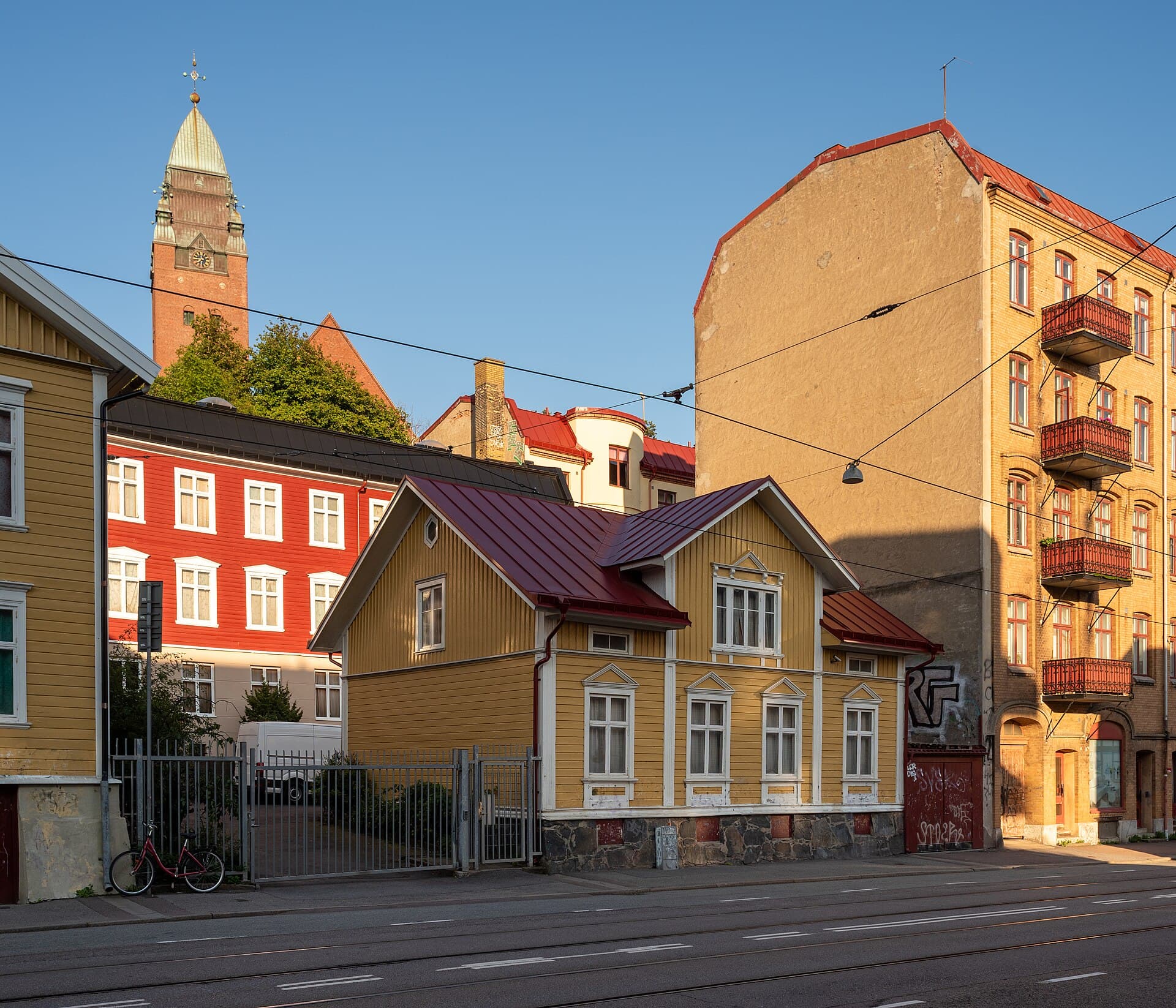 Masthugg ChurchMasthugg Church stands on a rock hill west of central Gothenburg, and its red br5 minutes walk4.4
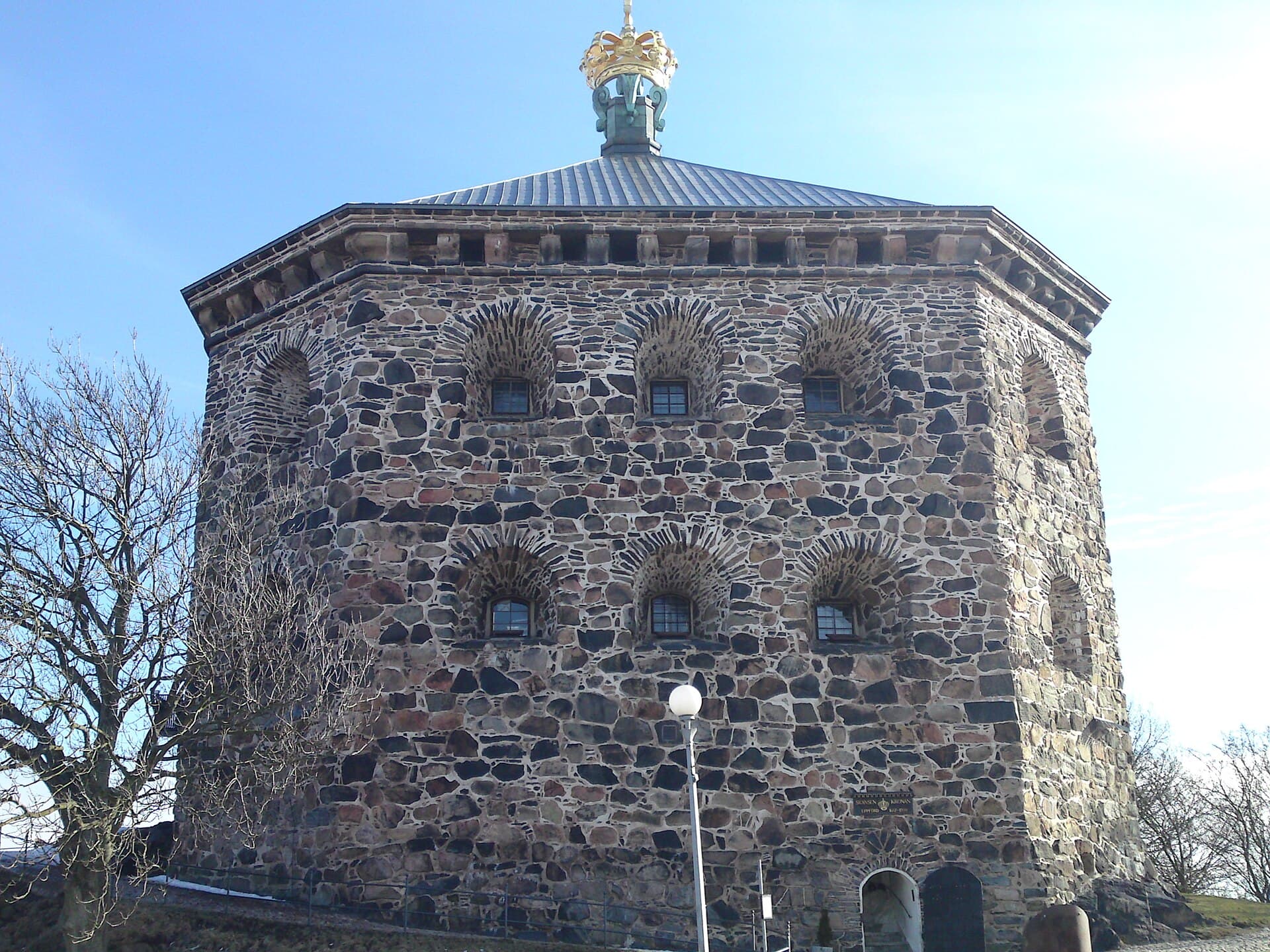 Skansen KronanSkansen Kronan is an octagonal stone redoubt standing on a rocky hilltop above t18 minutes walk4.6
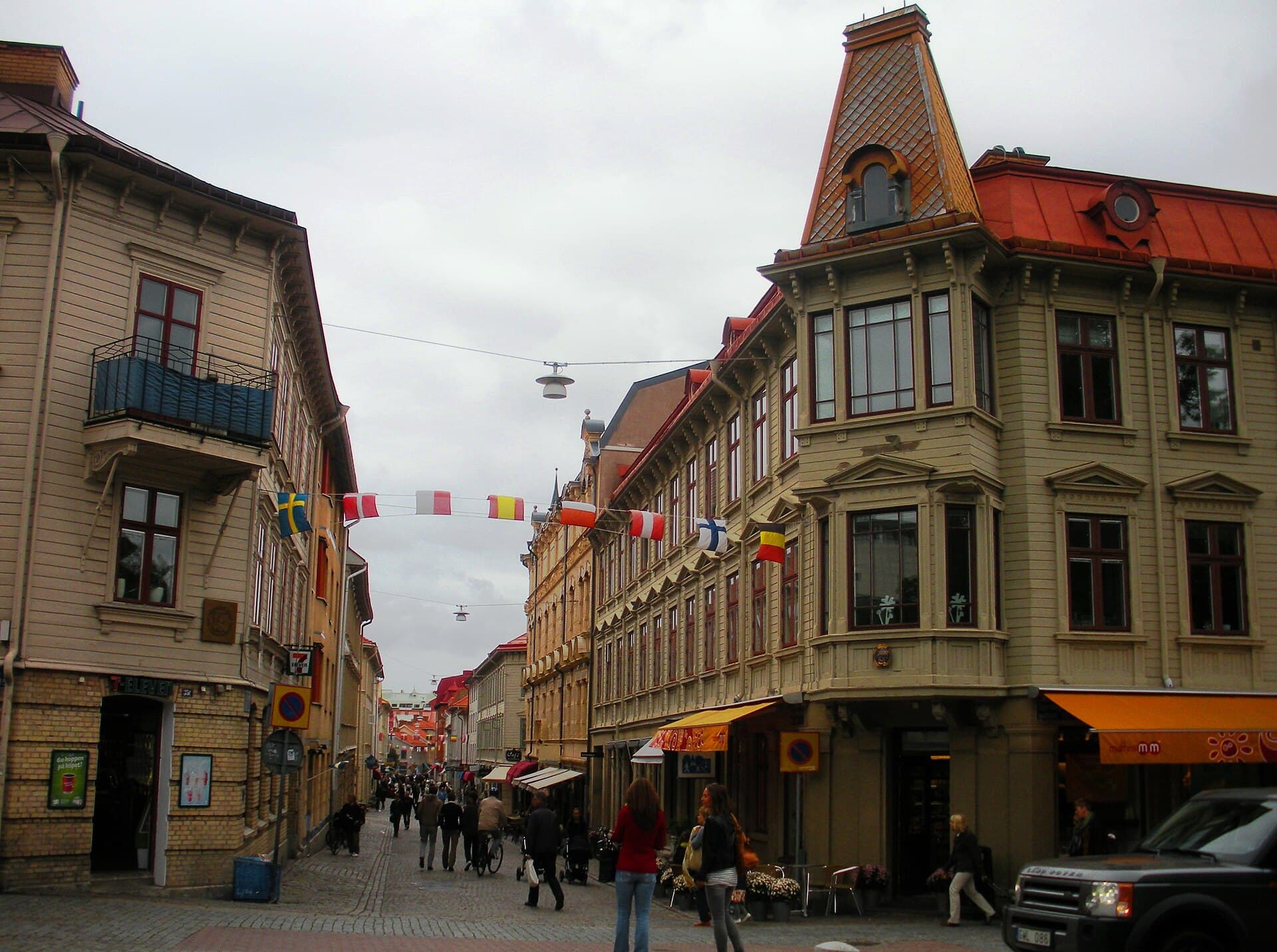 HagaHaga is Gothenburg's oldest suburb, laid out in 1648 outside the city walls to h18 minutes walk4.6
 The Gothenburg Museum of Natural HistoryGothenburg's Museum of Natural History is **the oldest museum in the city**, fou19 minutes walk4.6
Between 1850 and 1930 about **one million three hundred thousand people** left Sweden for North America — close to a quarter of the country's population. The causes were the famines of the nineteenth century, a shortage of farmland, rural poverty and religious restriction. Most sailed from Gothenburg via England and on to New York, settling in Minnesota, Wisconsin and Illinois. The trace remains on both sides: millions of Swedish-Americans, and the House of Emigrants at Växjö in southern Sweden receives visitors researching their ancestors. This maritime museum tells the departing half of the story.