
The view from the terrace
The harbour, the river and the cranes, free.
ArildV — CC BY-SA 4.0 · Arild Vågen — CC BY-SA 4.0 · Arild Vågen — CC BY-SA 4.0 · Arild Vågen — CC BY-SA 4.0
Masthugg Church stands on a rock hill west of central Gothenburg, and its red brick tower sixty metres high is **the landmark visible from everywhere in the city and from the sea** — exactly as its builders intended. It was built in 1914 in the National Romantic manner — the Scandinavian movement that wanted an architecture growing from the region's own materials and traditions rather than imported European models: rough red brick, unpolished local stone, and simple heavy forms. The interior is the surprise: a vaulted timber ceiling **like the hull of an upturned ship** — a direct reference to the city and to this district, Masthugget having been the quarter of dockworkers and sailors. From the church terrace comes **the best free view of Gothenburg**: the harbour, the river, the cranes and the bridge. It is reached by tram and a short climb, or by a public lift from the street below. **Entry is free** and the church is working.
The harbour, the river and the cranes, free.
Visible from everywhere in the city and from the sea.
Storebackegatan 15, Gothenburg
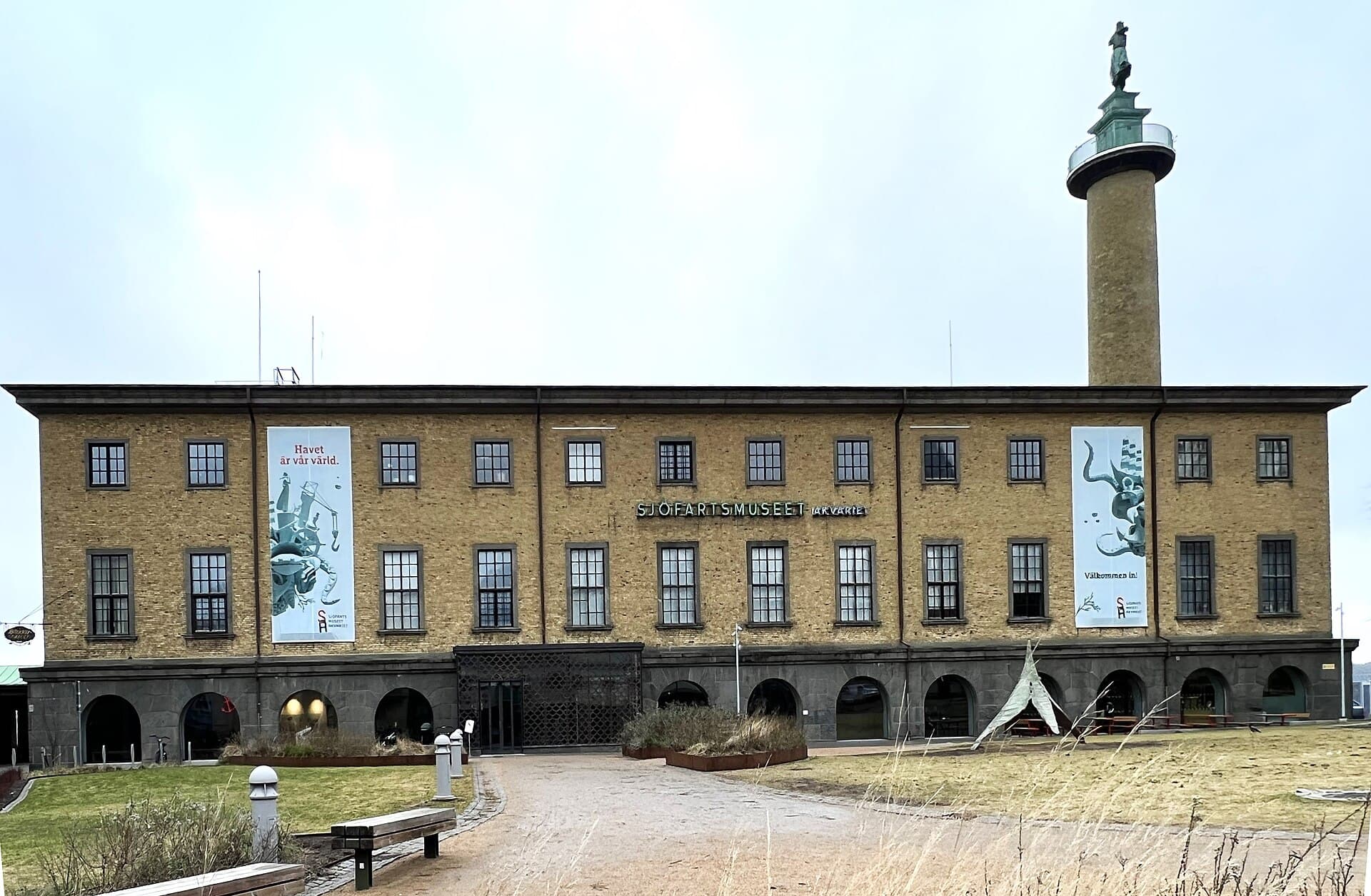 The Maritime Museum and AquariumSjöfartsmuseet Akvariet combines two things in one building: a **maritime museum5 minutes walk4.2
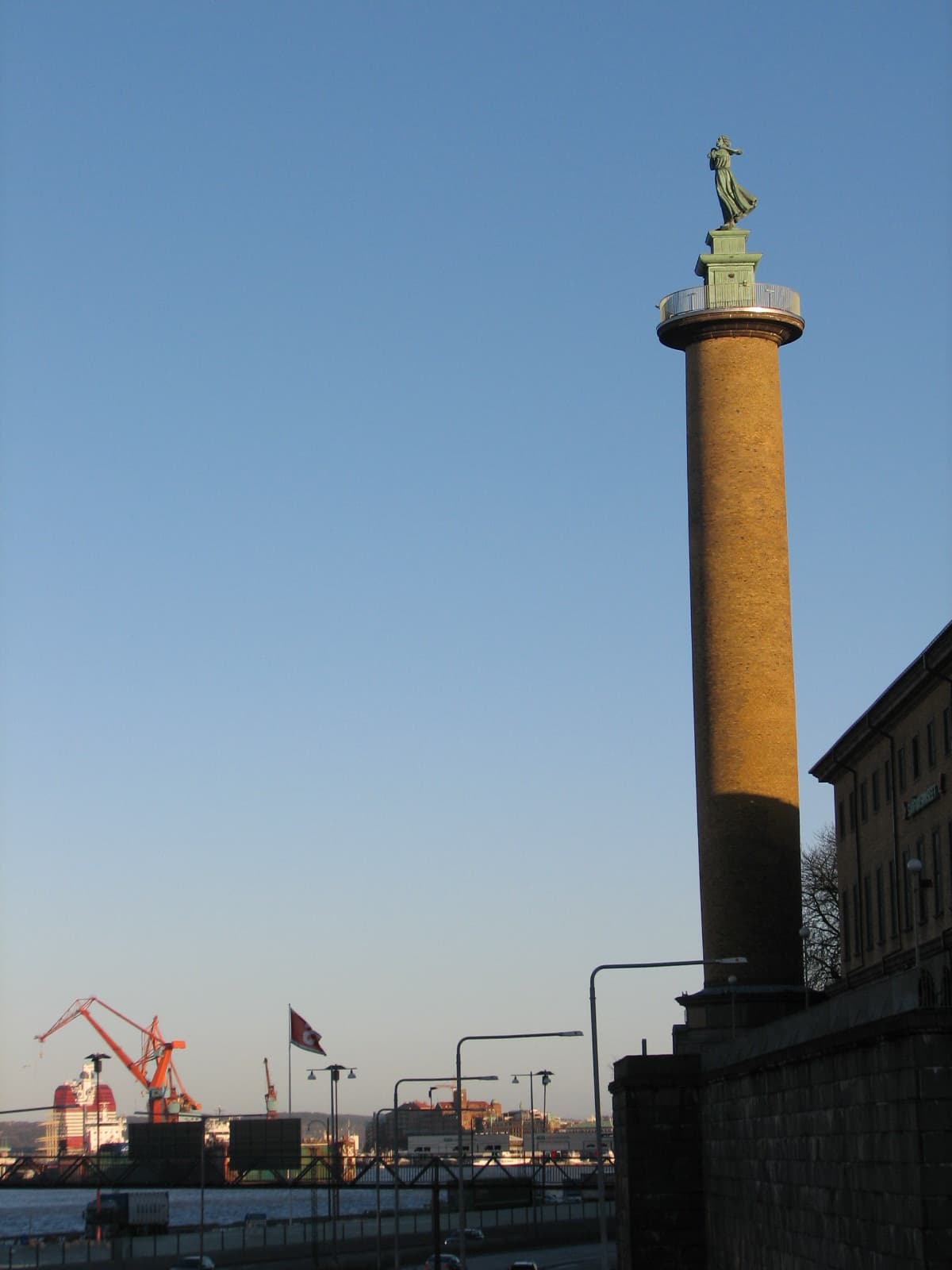 The Seamen's TowerThe Seamen's Tower is a stone column forty-nine metres high in front of the Mari5 minutes walk4.6
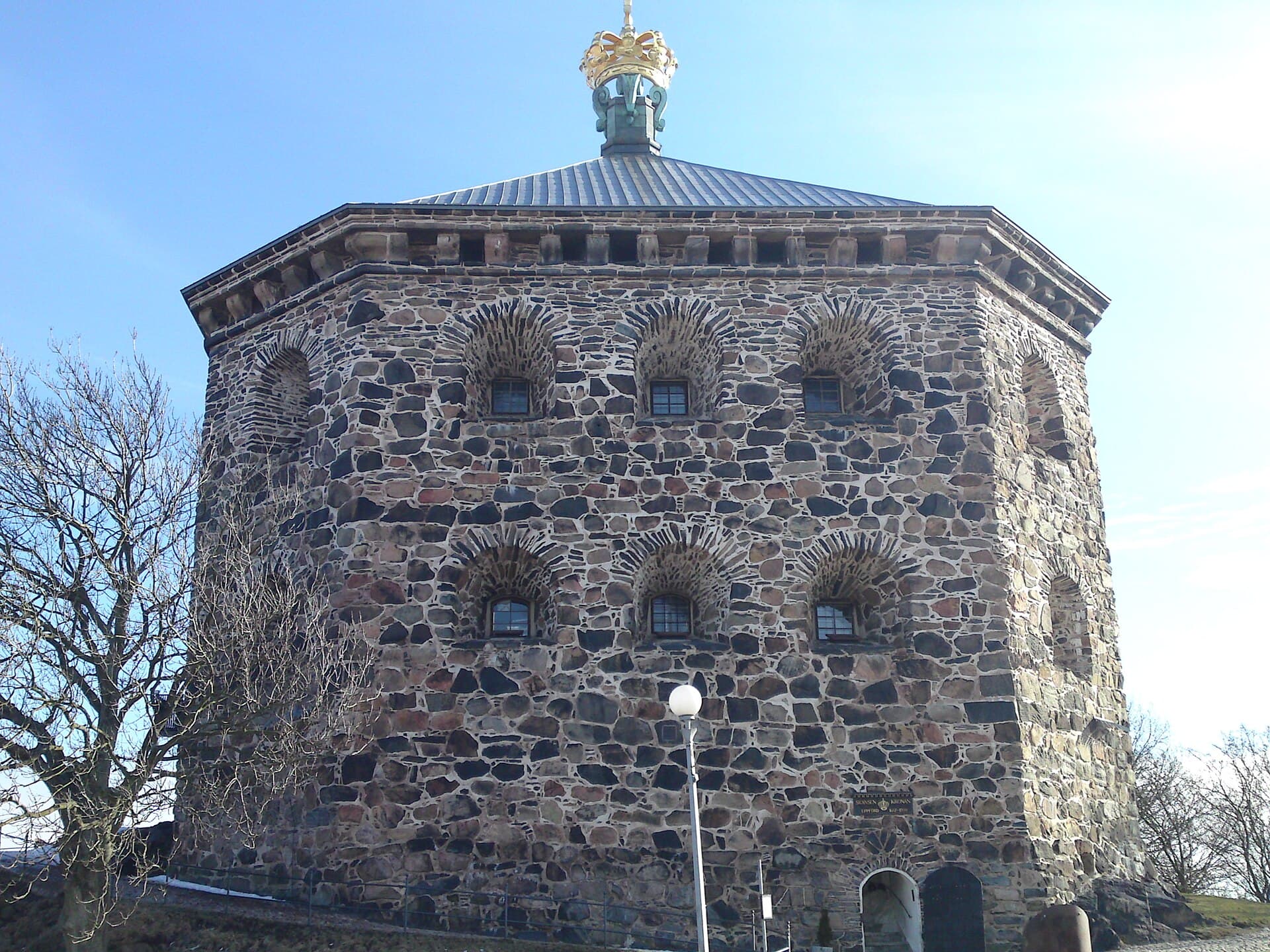 Skansen KronanSkansen Kronan is an octagonal stone redoubt standing on a rocky hilltop above t13 minutes walk4.6
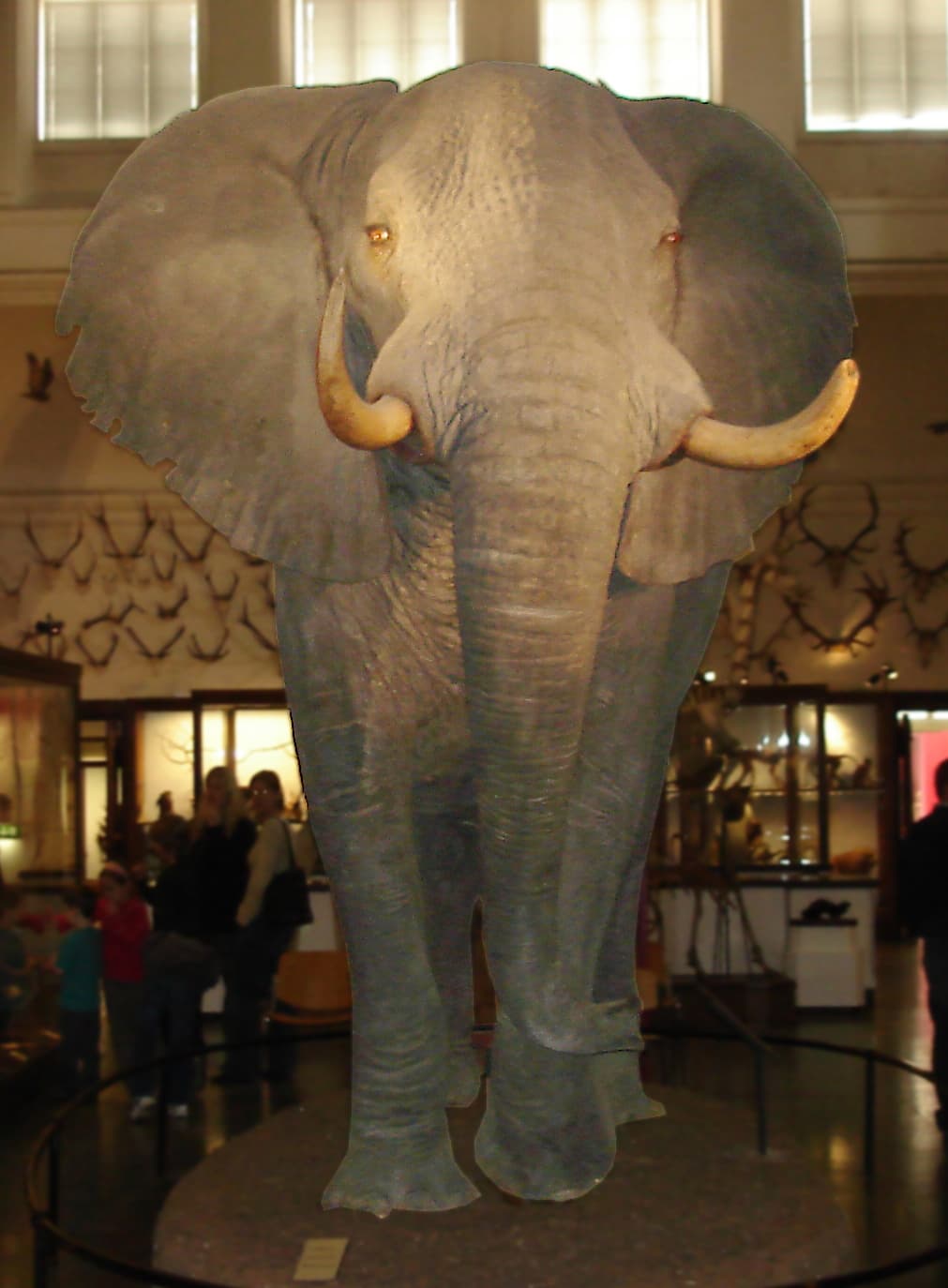 The Gothenburg Museum of Natural HistoryGothenburg's Museum of Natural History is **the oldest museum in the city**, fou14 minutes walk4.6
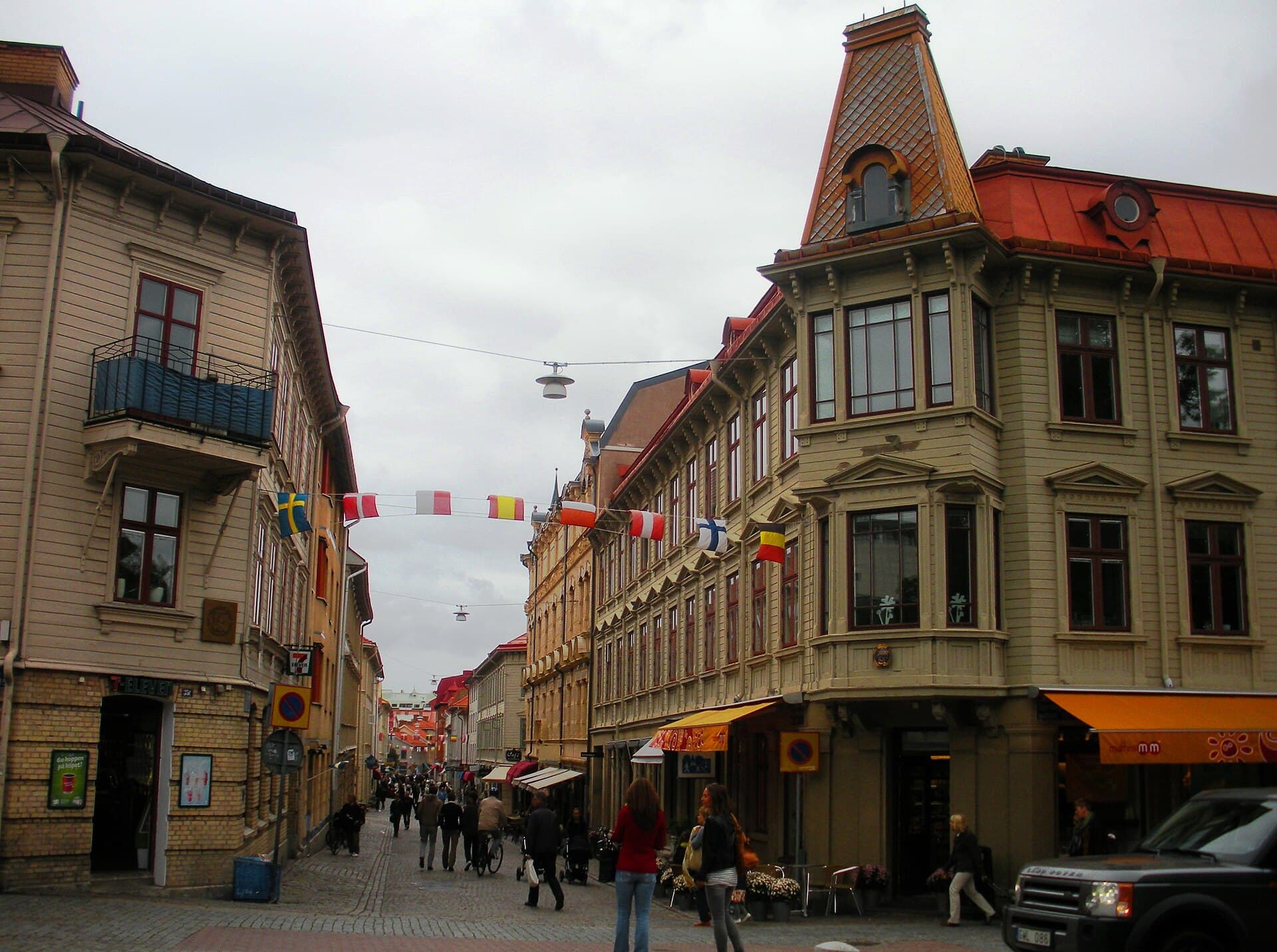 HagaHaga is Gothenburg's oldest suburb, laid out in 1648 outside the city walls to h14 minutes walk4.6
An architectural movement that prevailed in Sweden, Norway and Finland from about 1890 to 1920, in reaction to imported European classicism. Its principle was that buildings be made from the region's own materials — granite, brick and timber — in forms drawn from medieval churches and local farms, with ornament taken from Norse myth and northern nature. The result is heavily textured, dark buildings that look as though they grew from the rock they stand on. Its best-known examples are **Stockholm City Hall**, the **Finnish National Museum** in Helsinki, and this church. The movement ended with the rise of functionalist modernism in the 1920s.