
The hagabulle
A giant cinnamon bun, the district's emblem.
Gumisza — CC BY-SA 3.0 · Unknown authorUnknown author — Public domain · BoneheadElsewhere — CC BY-SA 4.0 · BoneheadElsewhere — CC BY-SA 4.0
Haga is Gothenburg's oldest suburb, laid out in 1648 outside the city walls to house workers and the poor, and it remained a poor quarter for centuries until the council decided in the 1970s to demolish it entirely under a renewal plan. Broad public protest stopped the demolition and saved the district — which is today among the most attractive in Sweden. Its architecture is distinctive: the landshovdingehus, three-storey houses with a stone ground floor and two timber floors above. The reason was legal: building regulations barred timber buildings above two storeys for fear of fire, so builders worked around them with a stone base that fell outside the count. Its main street, Haga Nygata, is cobbled and pedestrianised, lined with cafes, craft shops and antique dealers. Its best-known local tradition is the hagabulle — an enormous cinnamon bun considerably larger than your palm, which has become the district's emblem. Skansen Kronan fort looks directly down on it from the hill.
A giant cinnamon bun, the district's emblem.
Cobbles, cafes and antiques, car-free.
Haga Nygata, 413 01 Gothenburg
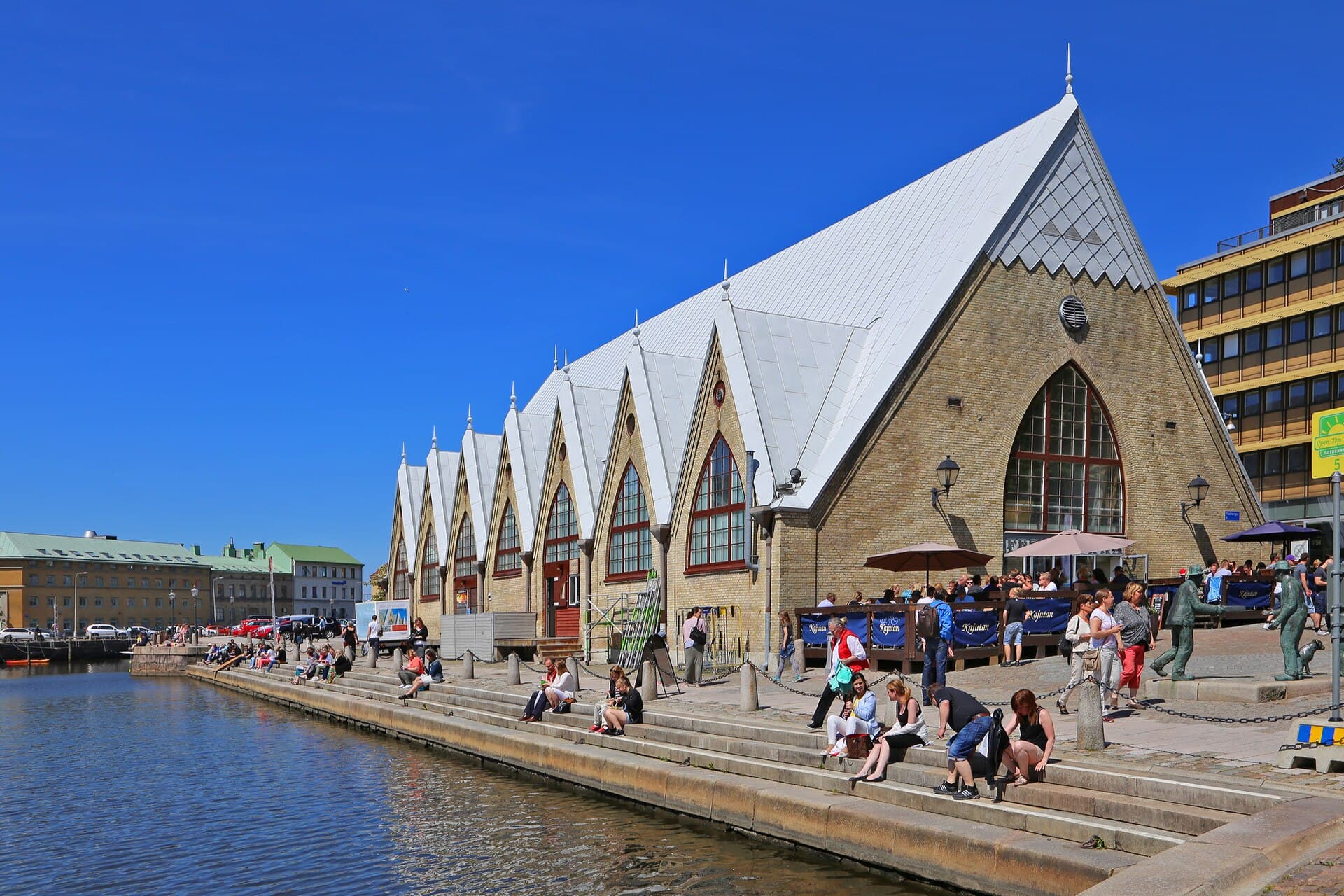 Feskekorka (The Fish Church)Feskekorka is a fish market built in 1874 on the bank of the Rosenlund canal, it3 minutes walk4.0
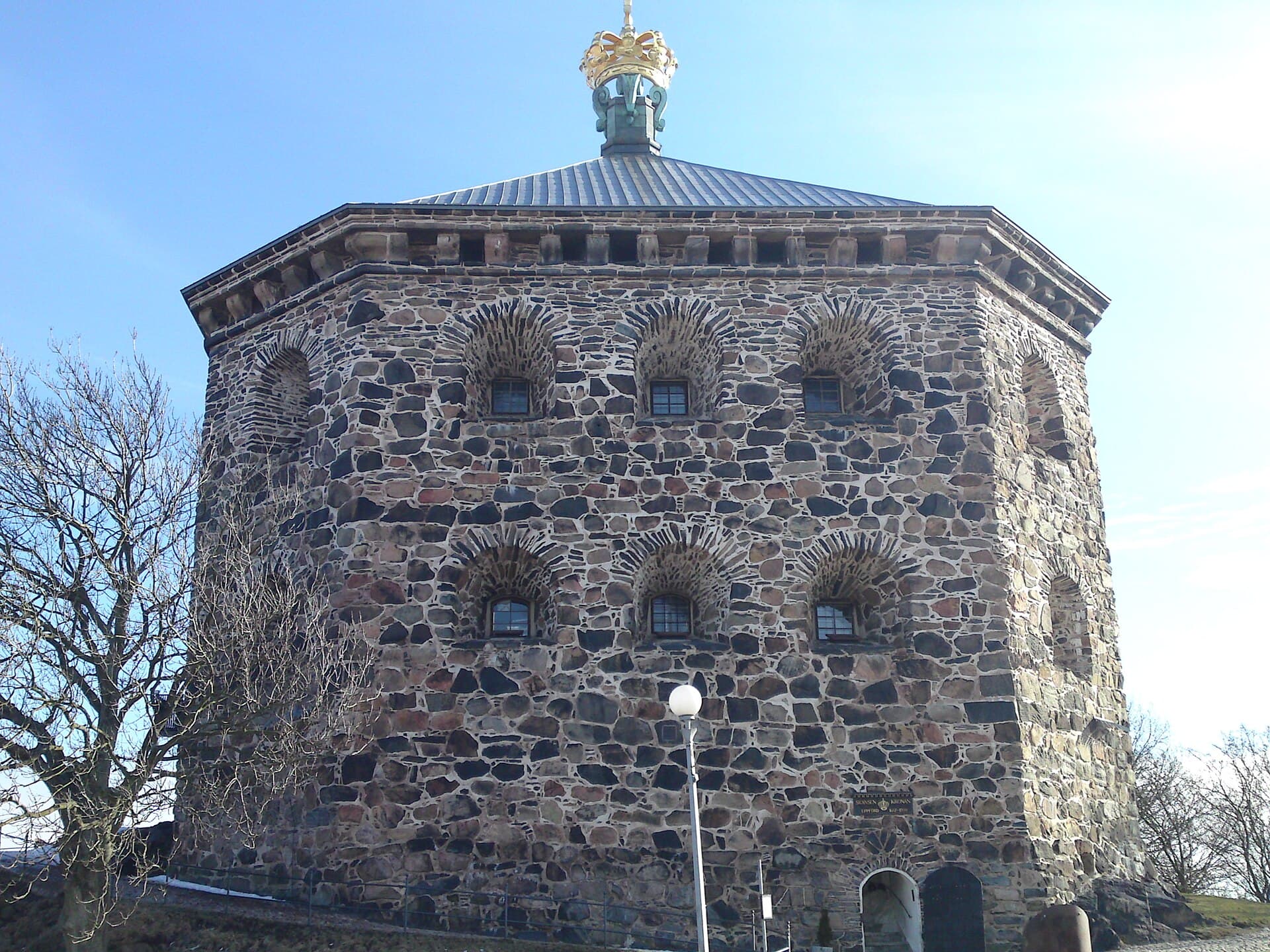 Skansen KronanSkansen Kronan is an octagonal stone redoubt standing on a rocky hilltop above t4 minutes walk4.6
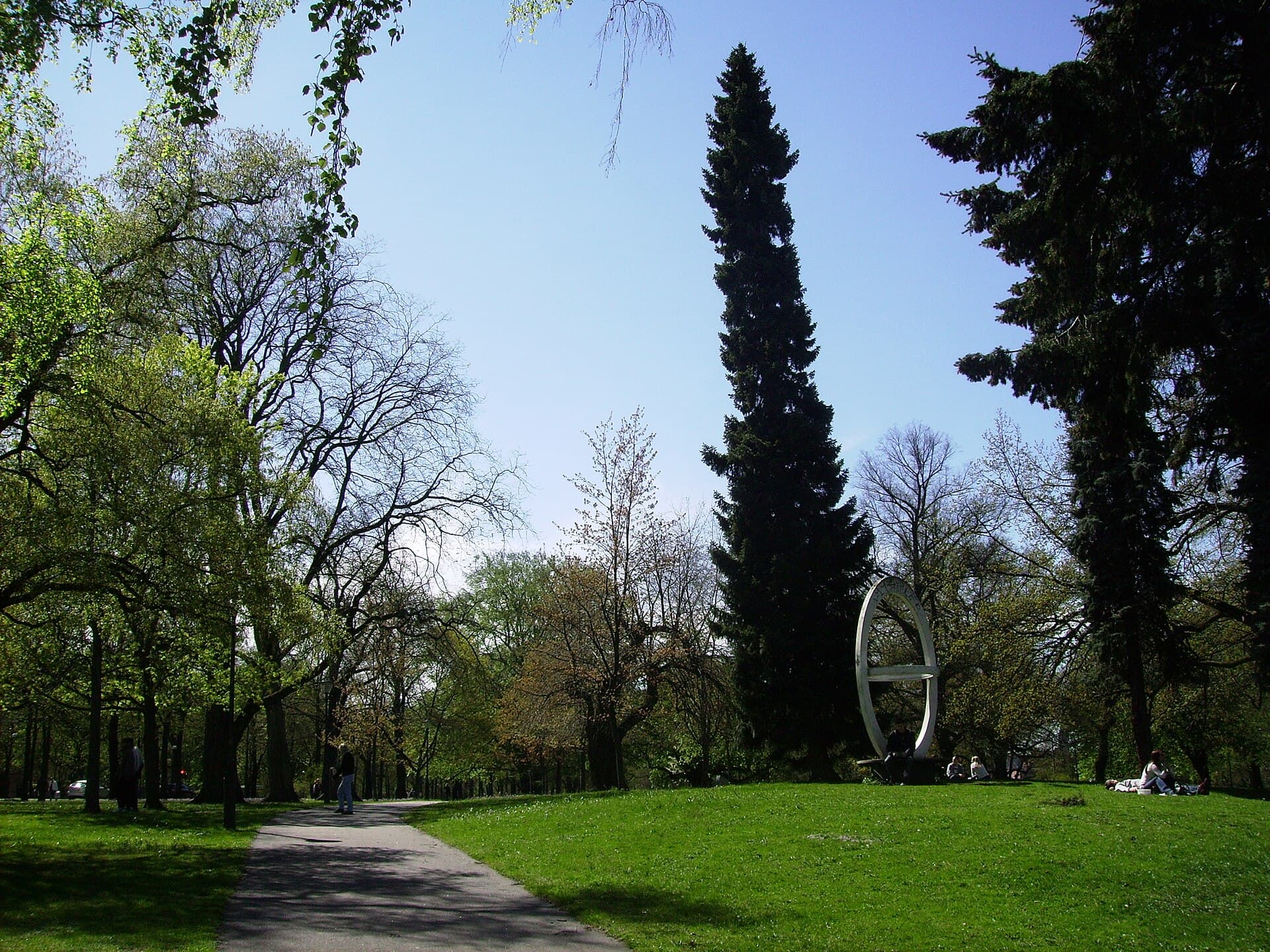 KungsparkenKungsparken is a green strip wrapping historic central Gothenburg along the line8 minutes walk4.4
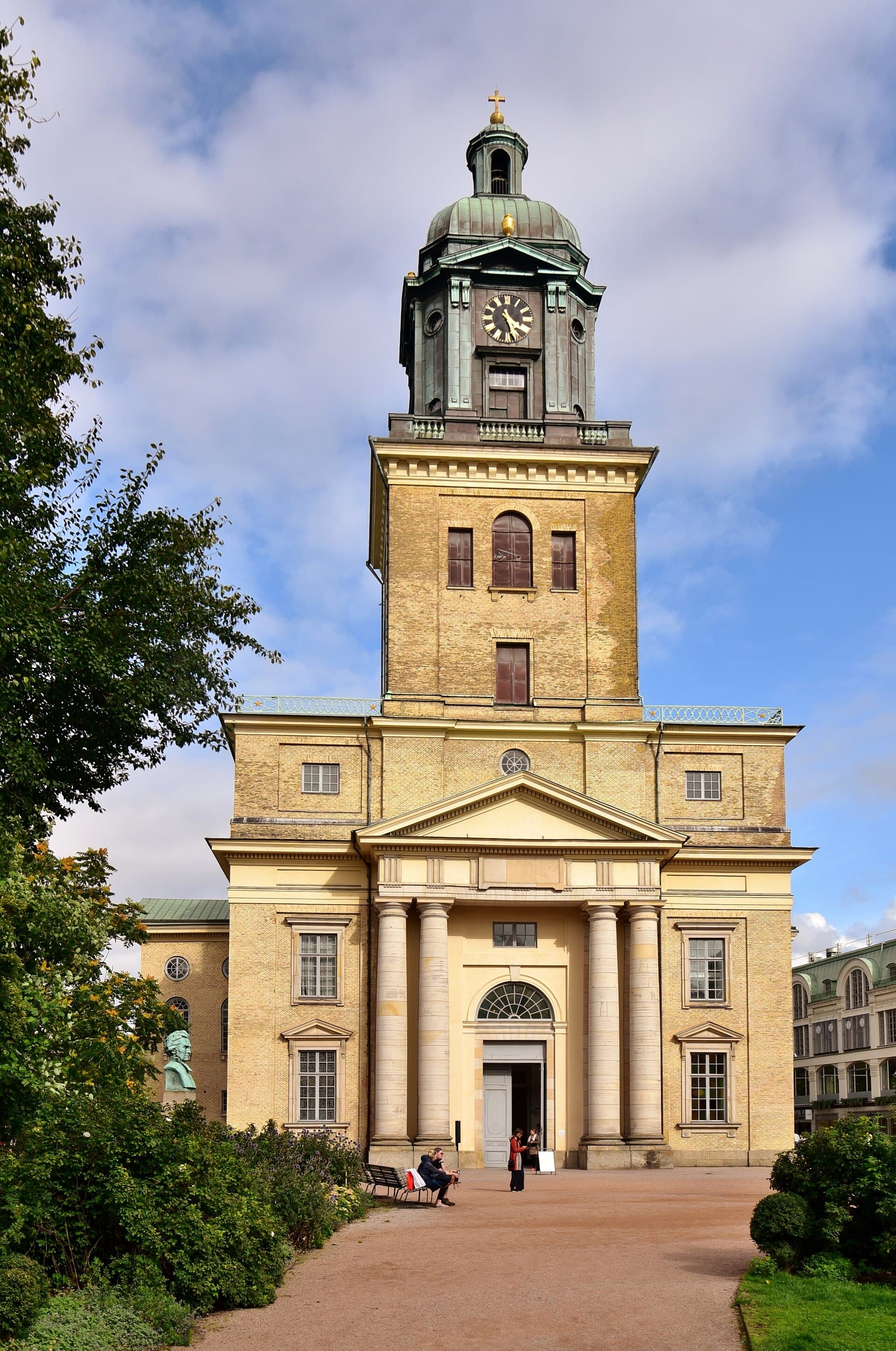 Gothenburg CathedralGothenburg Cathedral stands in the middle of the city, and is the **third** buil11 minutes walk4.5
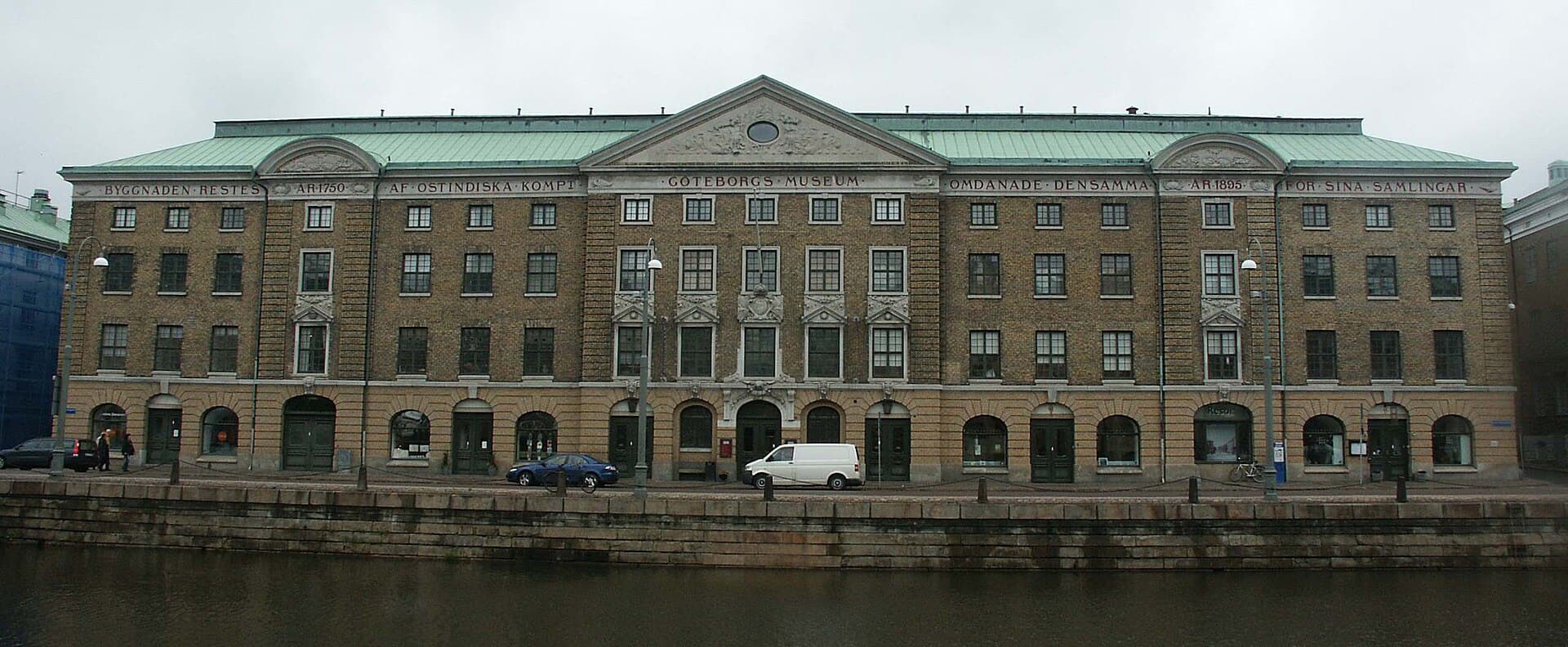 The Museum of GothenburgThe Museum of Gothenburg occupies the Swedish East India Company building of 17512 minutes walk4.5
Start at Feskekorka on the canal, walk five minutes south to Haga Nygata for coffee and a cinnamon bun, then climb the hill behind it for ten minutes to Skansen Kronan for the view, then descend west toward Slottsskogen park — a fully connected walking route covering four sights in about three hours.