
Guides who were miners
Many of the guides worked in this very pit before it closed.
Czeva — CC BY-SA 3.0 · Czeva — CC BY-SA 3.0 · Czeva — CC BY-SA 3.0 · Czeva — CC BY-SA 3.0
A former working graphite mine on the edge of Český Krumlov, closed commercially in 2003 and opened to visitors as an educational site. The tour is not a walk down a short corridor: visitors are given a helmet and protective coat and ride the mine train that carried the workers, going about a kilometre inside the mountain, then walk the tunnels and see the machinery in place along with the ventilation system and the supports. The graphite cut here went into pencils, furnace linings and other industries, and the region's mines were among Europe's most important sources. The guides are often former miners from this very pit. This is an entirely different experience from Krumlov's castle and old town, and it is among the best additions to a second day in the town. The underground temperature is constant and low year-round — take an extra layer even in summer.
Many of the guides worked in this very pit before it closed.
The machinery, ventilation and supports stand as they were left in 2003.
Entirely different from the castle and the old town.
North-west of Český Krumlov
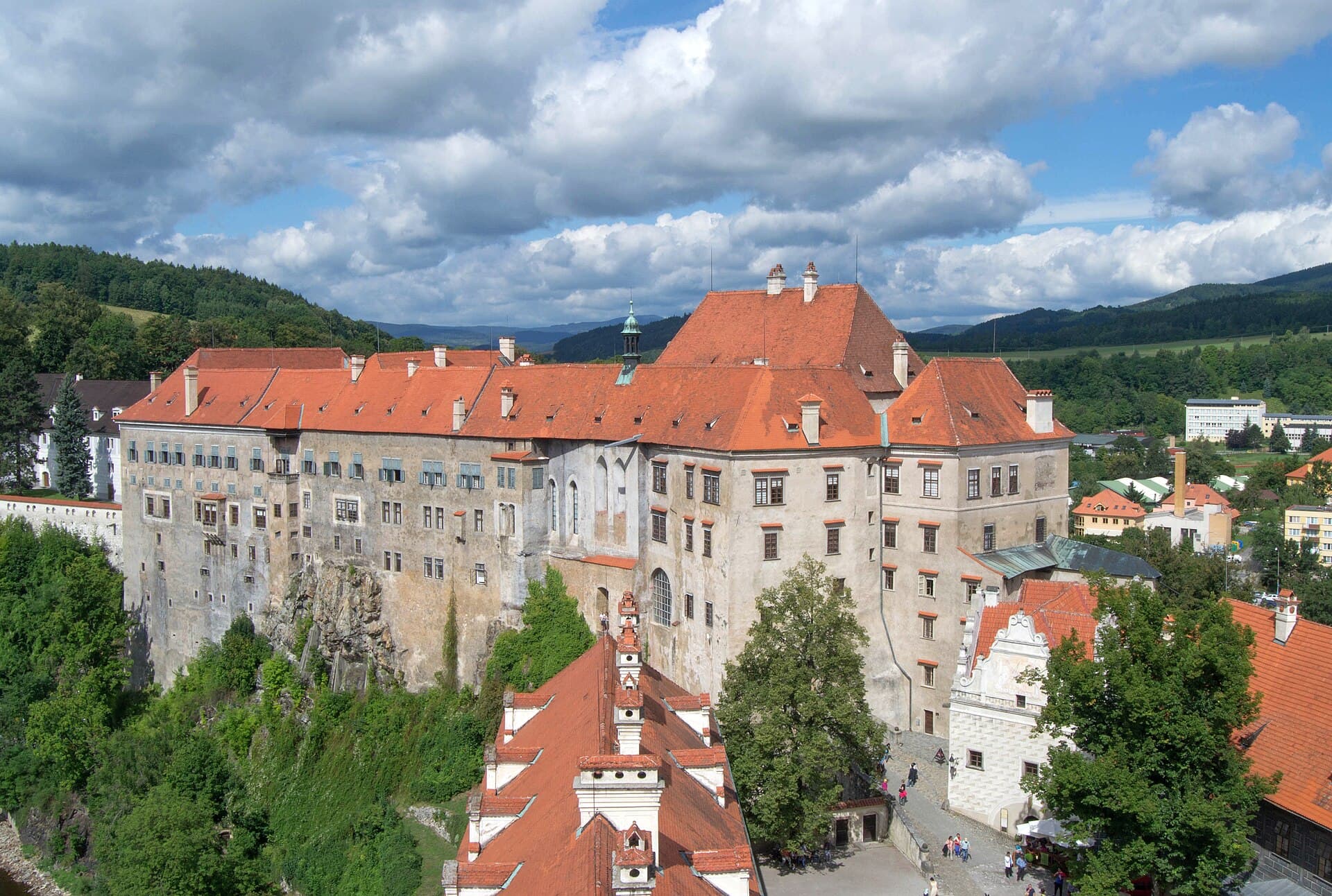 Cesky Krumlov CastleCzechia's second-largest castle after Prague's — above a town of mere thousands:12 minutes walk4.7
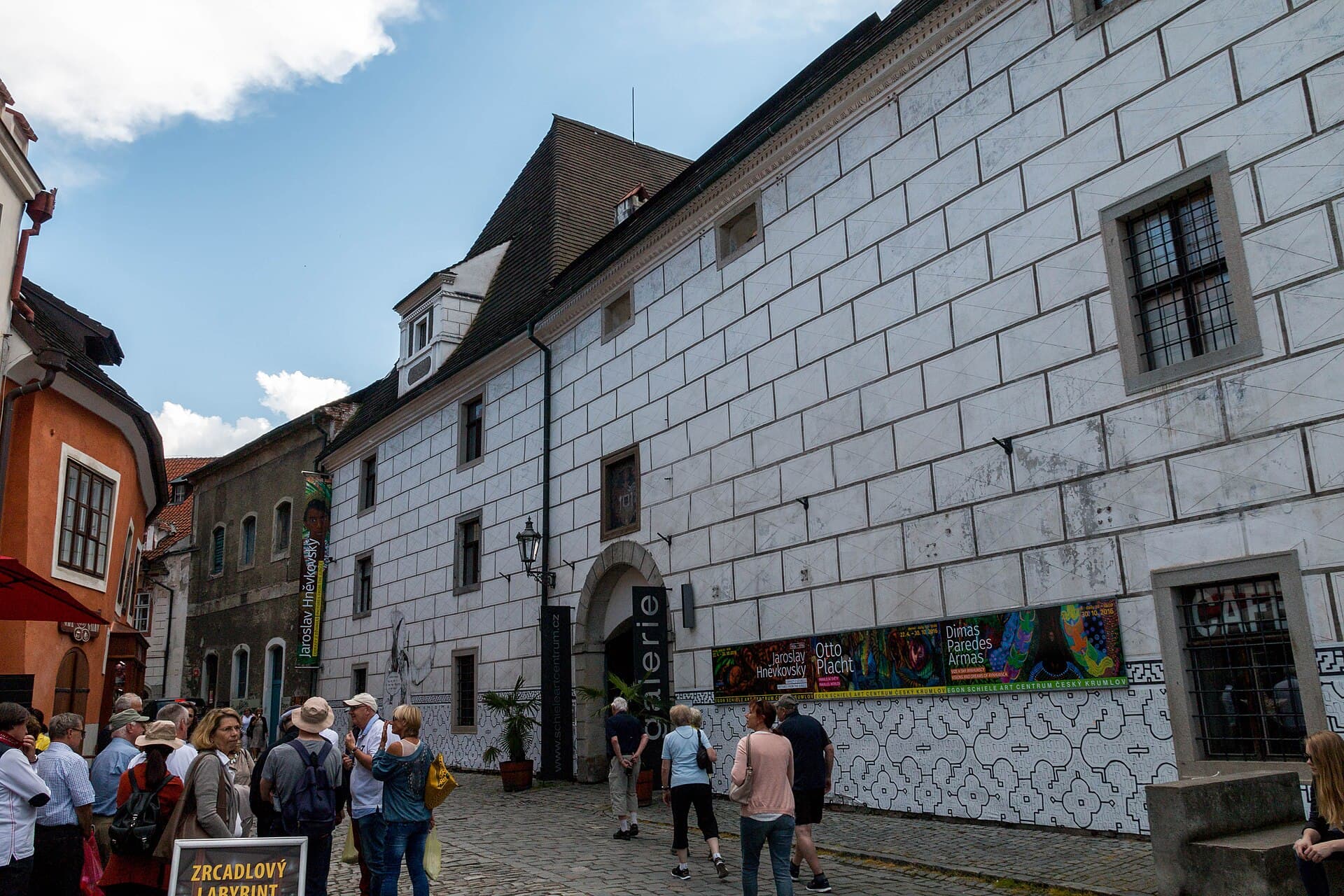 Egon Schiele Art CentrumThe small town's biggest surprise: a capital-grade contemporary art centre in an12 minutes walk4.5
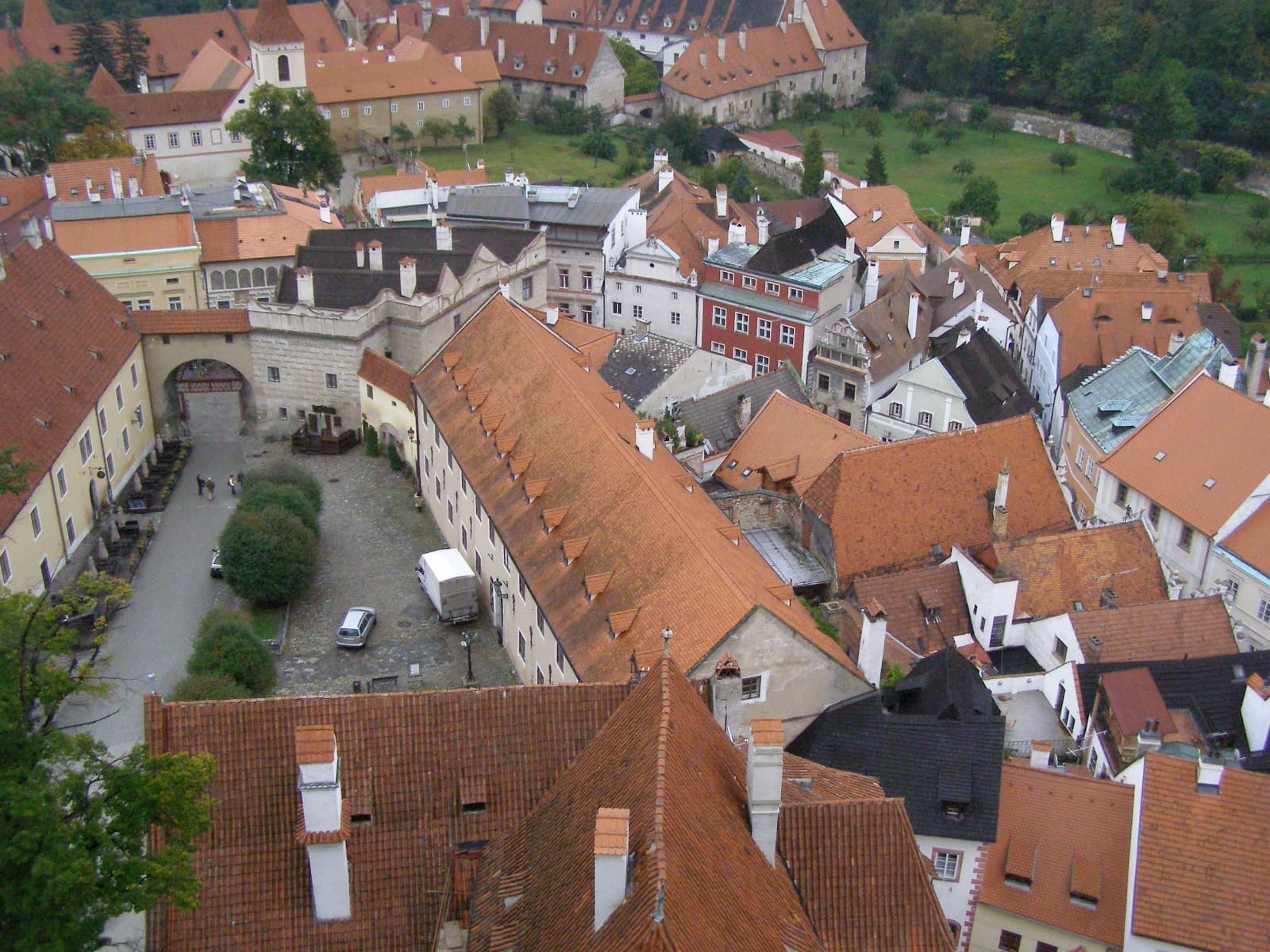 Latrán QuarterThe castle's town beneath its walls: Latrán is the servants' and craftsmen's ban13 minutes walk4.7
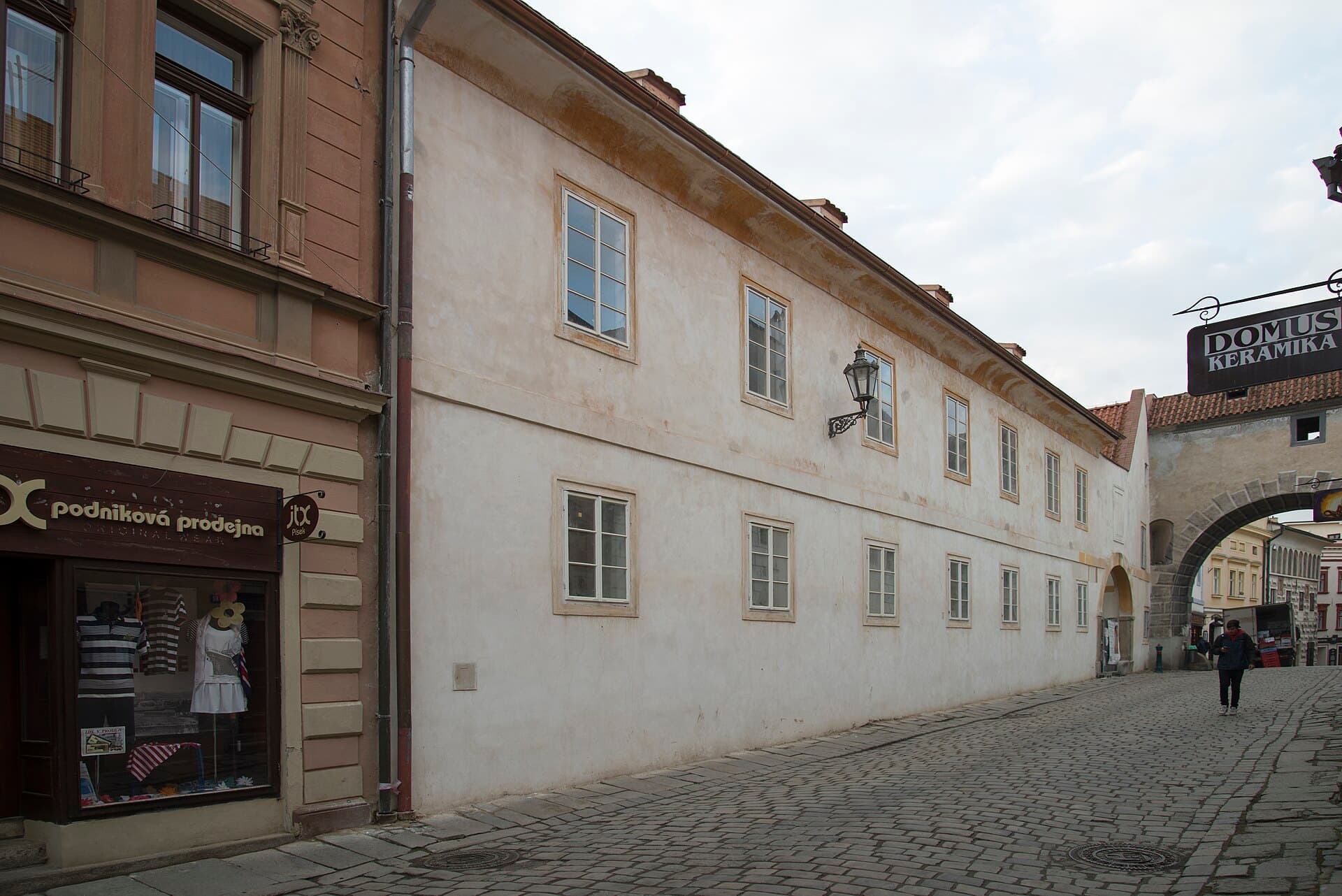 The Krumlov MonasteriesA monks' town behind the castle: the fourteenth-century complex joined two house14 minutes walk4.6
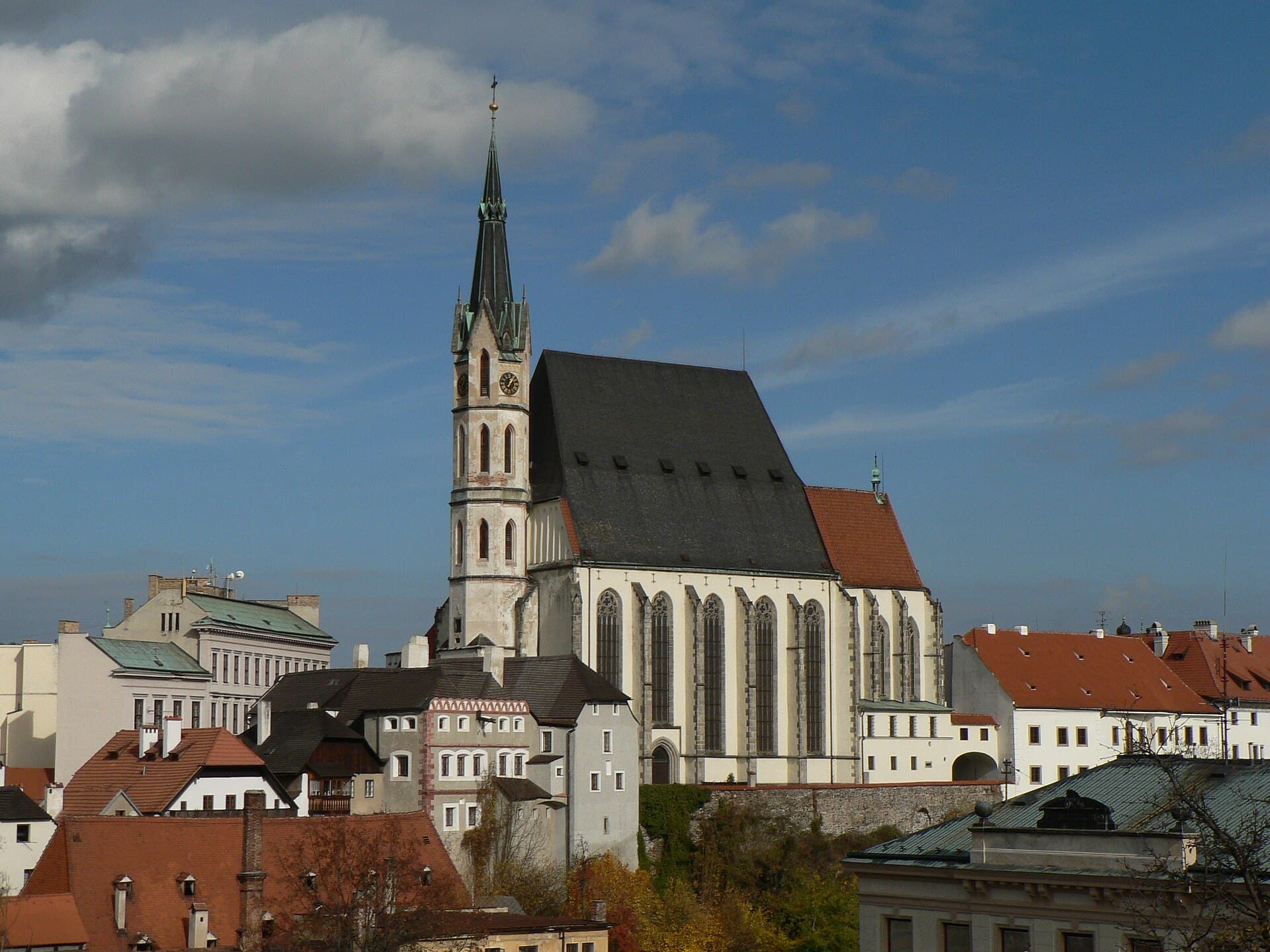 Church of St VitusThe town's second tower: Gothic St Vitus (finished 1439) answers the castle towe15 minutes walk4.8
No. The tour goes a kilometre into the mountain through narrow tunnels and lasts about ninety minutes underground, and leaving partway is not easy. Anyone who feels confined in enclosed spaces is better avoiding it entirely.
The best-known use is pencil cores, but the industrially important ones were heat-resistant furnace linings and crucibles, dry lubricants, and later battery electrodes. The South Bohemian mines were among Europe's most important graphite sources for many decades.