
The factory tours
A free explanation from flower to bottle.
Olivier Cleynen — CC BY 4.0 · Rüdiger Stehn from Kiel, Deutschland — CC BY-SA 2.0 · Rüdiger Stehn from Kiel, Deutschland — CC BY-SA 2.0 · Dennis G. Jarvis — CC BY-SA 2.0
A town on a hill some 350 metres above the Riviera, and for centuries the **perfume capital of the world** — a story that began with leather rather than flowers. Grasse was a centre of tanning in the Middle Ages, and in the sixteenth century a fashion arose for **scented gloves** to cover the smell of the tanning, so the tanners began perfuming their goods with the region's flowers. The leather trade then collapsed and the perfume remained — and the whole town turned to it. Its climate is the second reason: sheltered from the wind and mild, it grows **jasmine, the May rose, orange blossom, lavender and tuberose** at a rare quality. The fields around it are still farmed for the great perfume houses, and **picking jasmine before dawn** is still an annual tradition, because the flower loses its scent in the sun. The old town itself is not elegant like the restored Riviera villages: tall narrow lanes with faded frontages, stairways, old washhouses and a twelfth-century cathedral holding paintings by Rubens. It is a **working town**, not a frontage, and that surprises anyone expecting Saint-Paul-de-Vence. Three major perfume houses here open their factories to visitors **free of charge**.
A free explanation from flower to bottle.
Jasmine and May rose picked before dawn for the great houses.
Twelfth century, holding paintings by Rubens.
Old town, 06130 Grasse
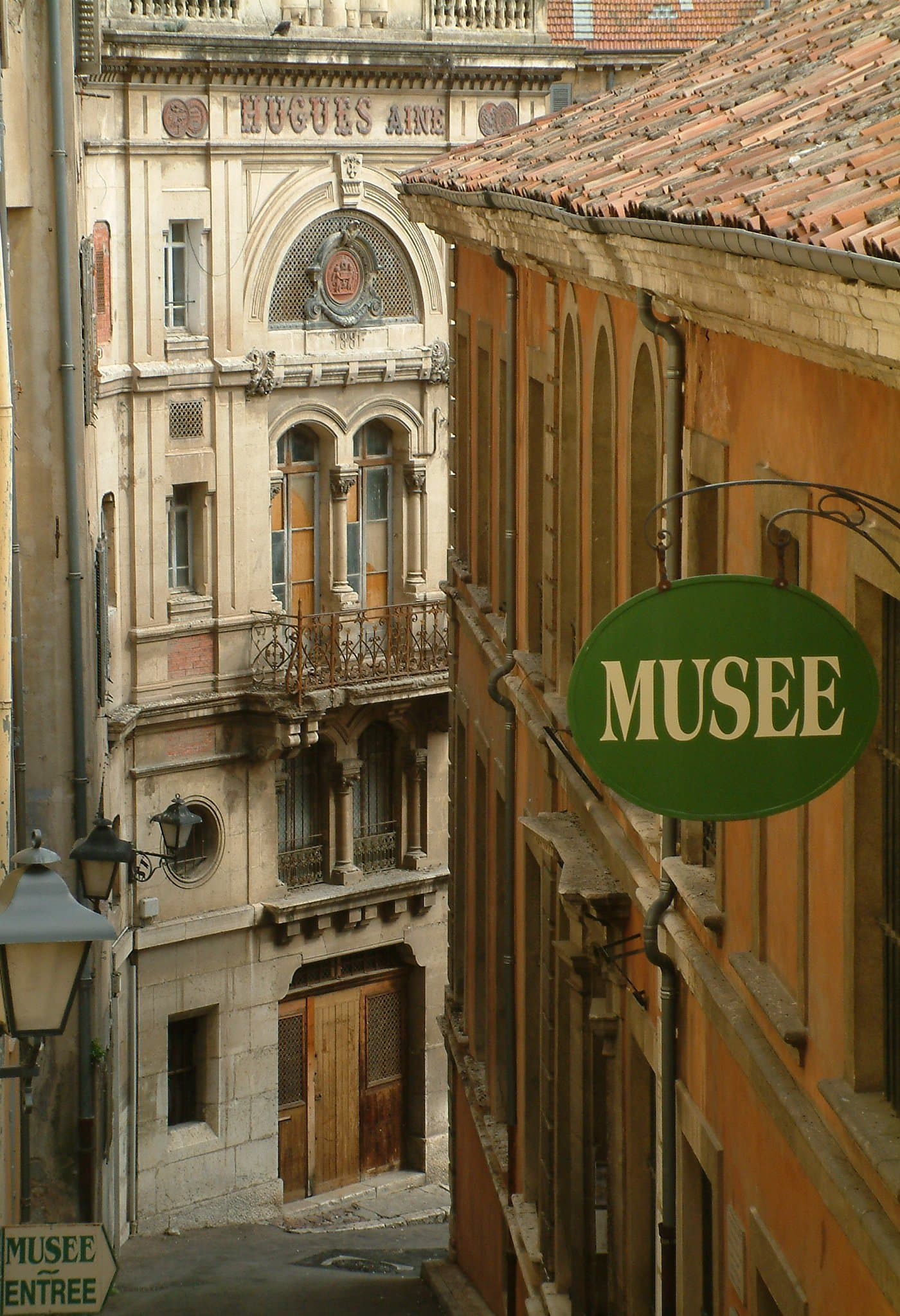 Museum of Art and History of ProvenceA museum in an eighteenth-century **private mansion** built for the sister of th3 minutes walk4.2
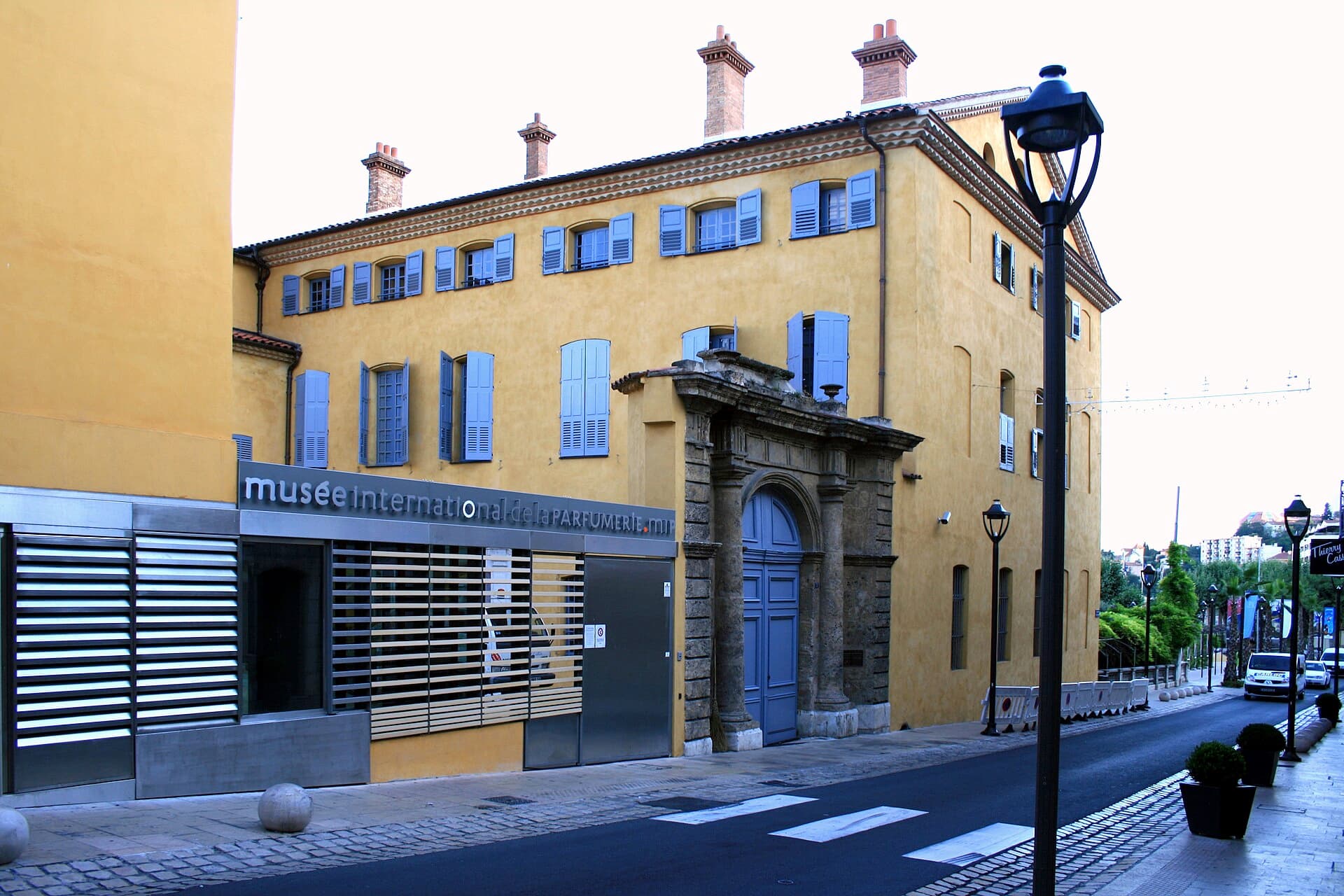 International Perfume MuseumThe only museum in the world devoted to the history of perfume in its full sense3 minutes walk4.4
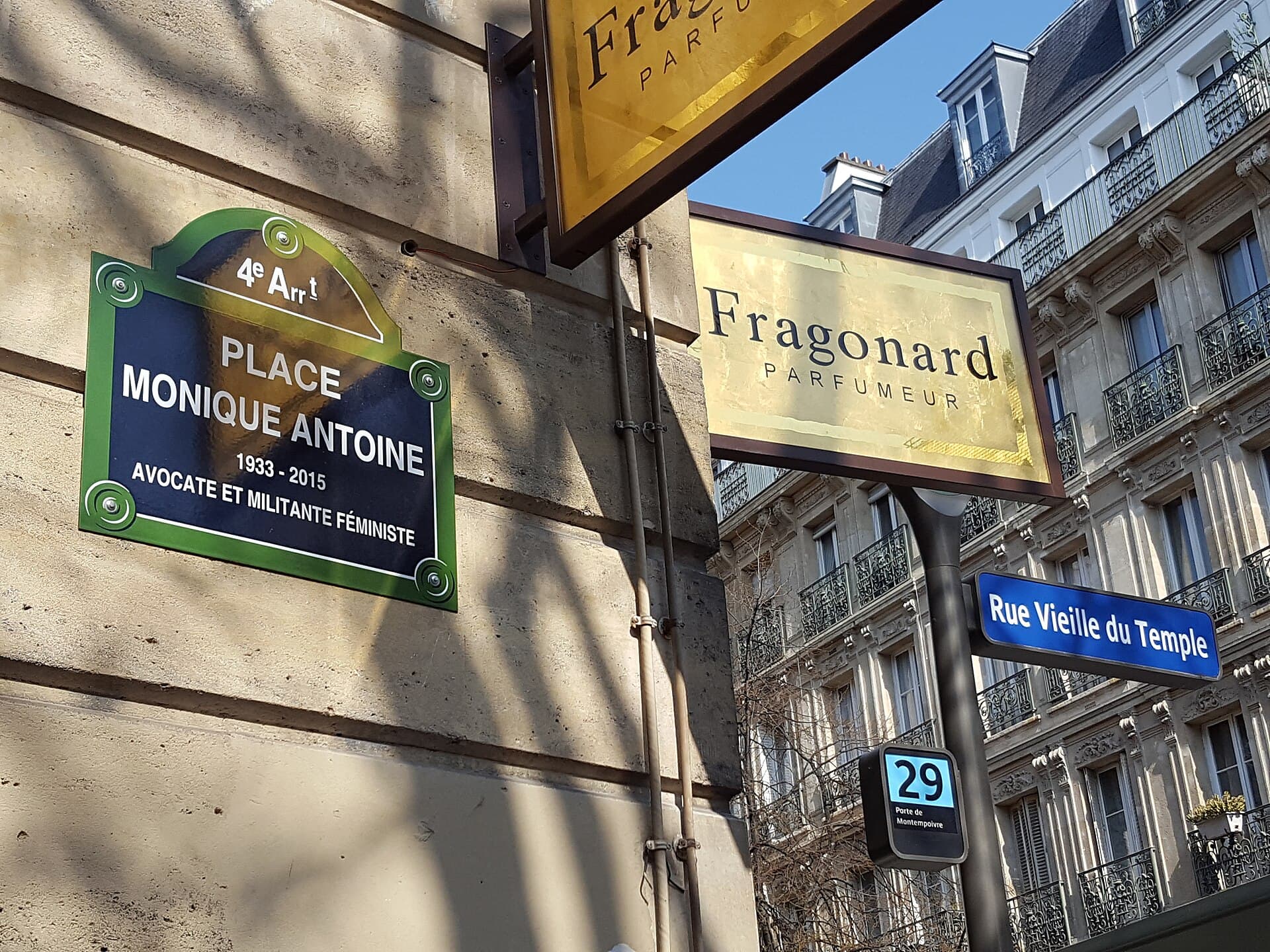 Fragonard Perfume HouseThe best-known perfume house in Grasse, founded in **1926** and named in tribute5 minutes walk4.3
Yes. The three houses — **Fragonard, Galimard and Molinard** — open their premises to visitors with **free** guided tours in several languages, explaining the path from flower to bottle: extraction, distillation, the "concrete" and the "absolute", and the role of the **"nose"**, the expert who distinguishes hundreds of materials by smell. The tour inevitably ends in a **shop**, which is the business model: no ticket, but gentle pressure to buy. Nothing obliges you to, and the tour alone is worth the time. Some houses offer a **make-your-own-perfume workshop**, which is paid and booked in advance.
**May and June** for the **May rose**, picked over only a few weeks, and **August** for the **jasmine** at its peak, with the jasmine festival around the start of August. In those two seasons you see the fields actually working and smell the town before you enter a factory. Outside them the tours and museums run all year but the fields are still. Avoid **midday in July and August**: the town is on a steep slope and climbing it in the heat is punishing. **Half a day to a day** is enough for it.