
The mansion itself
Decorated salons and stone stairs of the 18th century.
remi.mahel — Public domain · Paul Cézanne — Public domain · Vincent van Gogh — Public domain · Vincent van Gogh — Public domain
A museum in an eighteenth-century **private mansion** built for the sister of the writer and politician Mirabeau, and one of the handsomest buildings in Grasse — the house itself is half the visit: decorated salons, stone staircases and courtyards. Its subject is **everyday life in eastern Provence** across the centuries, which makes it a complement rather than a rival to the nearby International Perfume Museum: there you learn the craft of scent, here you see the society it grew in. The displays are arranged through the rooms of the house: Provençal furniture, traditional dress, a kitchen fitted out with its vessels, local ceramics, agricultural tools, prehistoric and Roman material, and religious objects. There are sections on the growing of **olives, wheat and flowers** and on the crafts the region lived by before perfume came to dominate. It is a **quiet local museum** that is rarely crowded, and it adds a layer that completes the picture of Grasse: a town that was not always a perfume capital but an agricultural and artisan community in the hills of Provence.
Decorated salons and stone stairs of the 18th century.
A room fitted with its vessels and tools as it was.
The region's clothing and textiles across the centuries.
2 Rue Mirabeau, 06130 Grasse
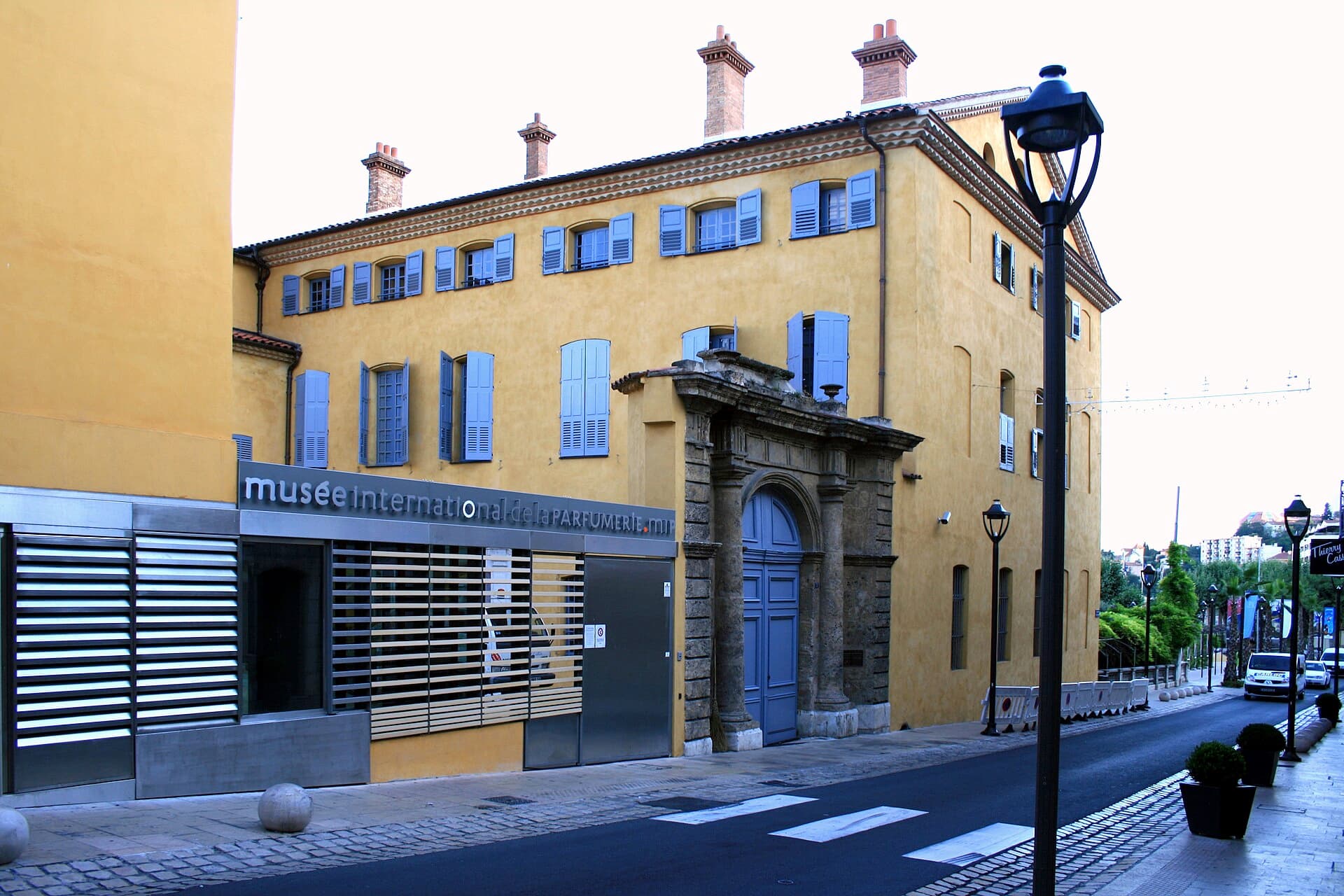 International Perfume MuseumThe only museum in the world devoted to the history of perfume in its full sense1 minute walk4.4
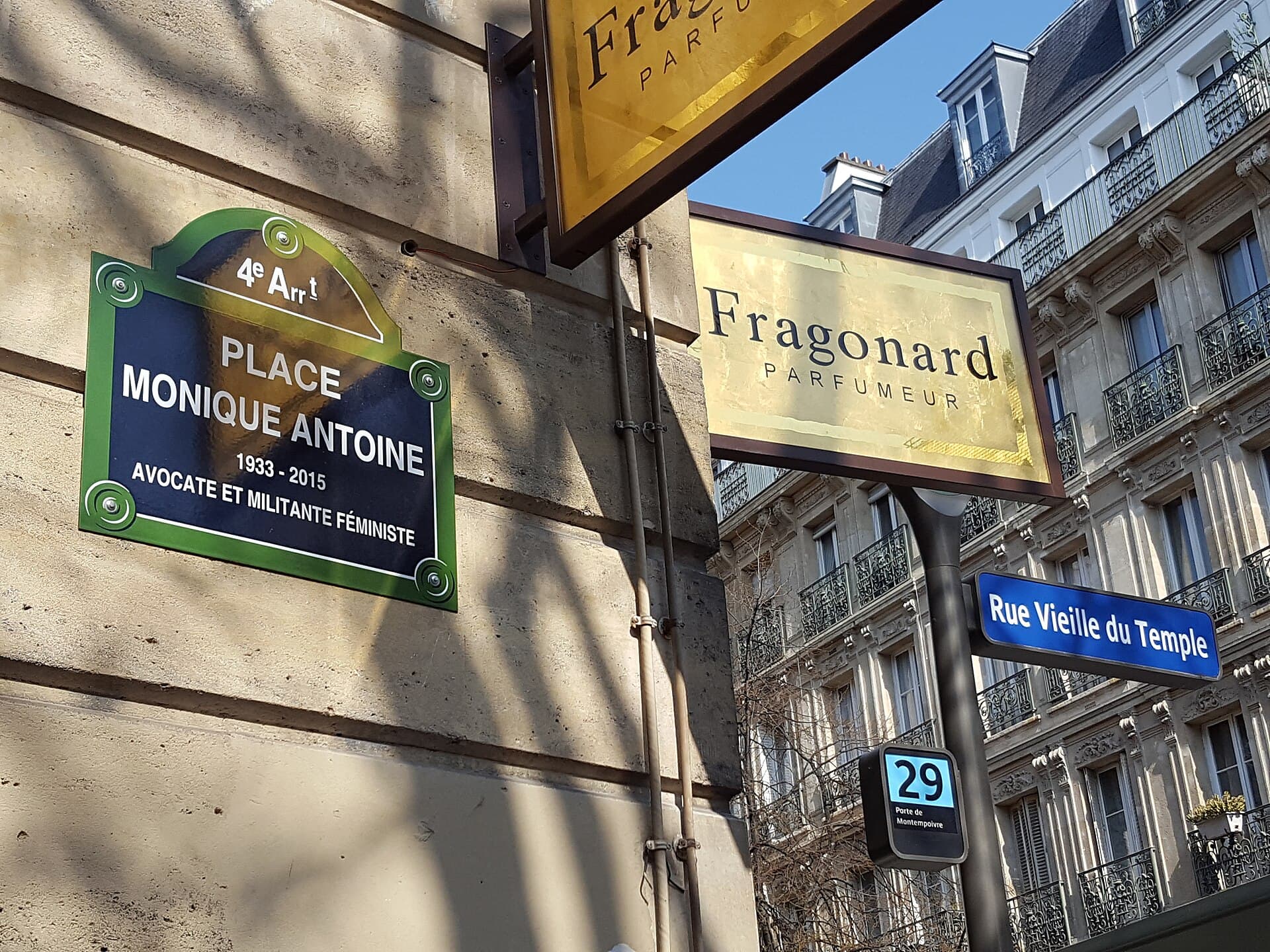 Fragonard Perfume HouseThe best-known perfume house in Grasse, founded in **1926** and named in tribute2 minutes walk4.3
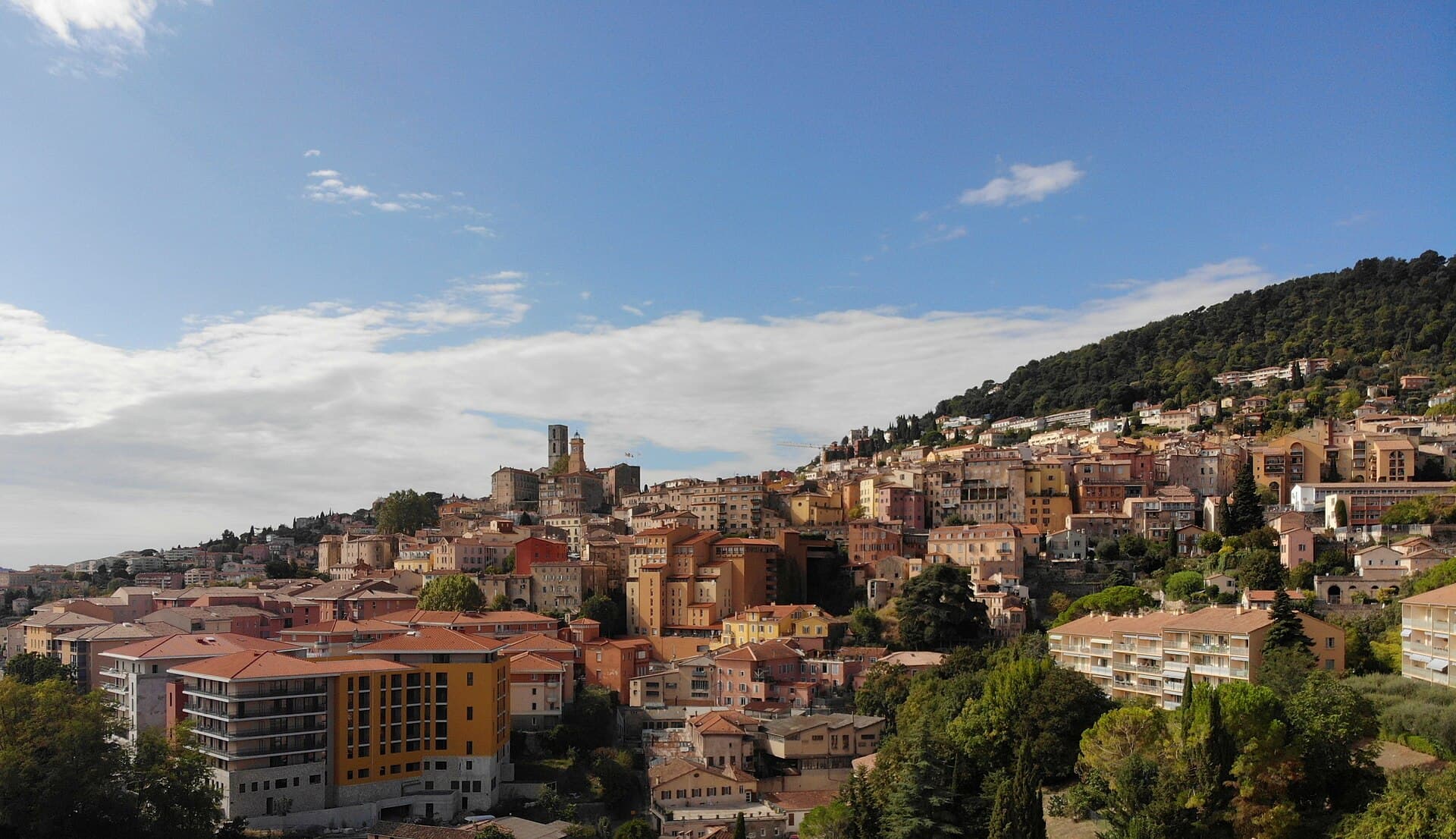 Grasse, Perfume CapitalA town on a hill some 350 metres above the Riviera, and for centuries the **perf3 minutes walk4.3
No — with only half a day, the priority is the **International Perfume Museum** and then a **free factory tour**, which are the essence of Grasse. This museum is an addition for anyone staying a **full day**, or interested in rural life and traditional crafts, or in eighteenth-century interiors. Its advantages are that it is **very close** — minutes on foot from both — and **cheap**, and the combined ticket for Grasse's museums makes adding it sensible if you are visiting more than one anyway.
**Context**. The International Museum explains the craft of perfume worldwide across four thousand years, but tells you little about **Grasse itself** as a community. Here you see that: the region's houses, furniture, kitchens, dress and farming tools, and the crafts these hills lived by before perfume became everything. It explains why this particular town could build that particular industry — an agricultural community with manual skills and a climate that grows jasmine and roses. Read them together and the picture is complete.