
The bottle collection
Glass, ceramic and gold across the ages.
jean-louis Zimmermann — CC BY 2.0 · Nazarenko Maxim — CC BY 3.0 · Jean-Pierre Dalbéra — CC BY 2.0 · Jean-Pierre Dalbéra — CC BY 2.0
The only museum in the world devoted to the history of perfume in its full sense, covering **four thousand years** of the human relationship with scent — from Egyptian incense and Roman unguents to the Arab and Persian rose water that developed **distillation**, through to the modern perfume industry. It is not a single house's museum but a public institution presenting the whole picture: an enormous collection of **bottles** through the ages (glass, ceramic, gold and marble), distilling and extraction equipment, and documents and advertising showing how scent has been sold across the centuries. Its best feature is that it is a museum **to smell, not only to look at**: smelling stations along the route let you learn the raw materials — amber, musk, jasmine, sandalwood, vanilla — and compare them with your own nose, which teaches more than any explanation. It has an associated **botanical garden** across from the town, planted with the actual perfume crops. ⚠ It is a **serious, detailed** museum needing two hours — quite unlike the short free factory tour.
Glass, ceramic and gold across the ages.
Amber, musk, jasmine and sandalwood to compare by nose.
From Egyptian incense to Arab and Persian rose water.
2 Boulevard du Jeu de Ballon, 06130 Grasse
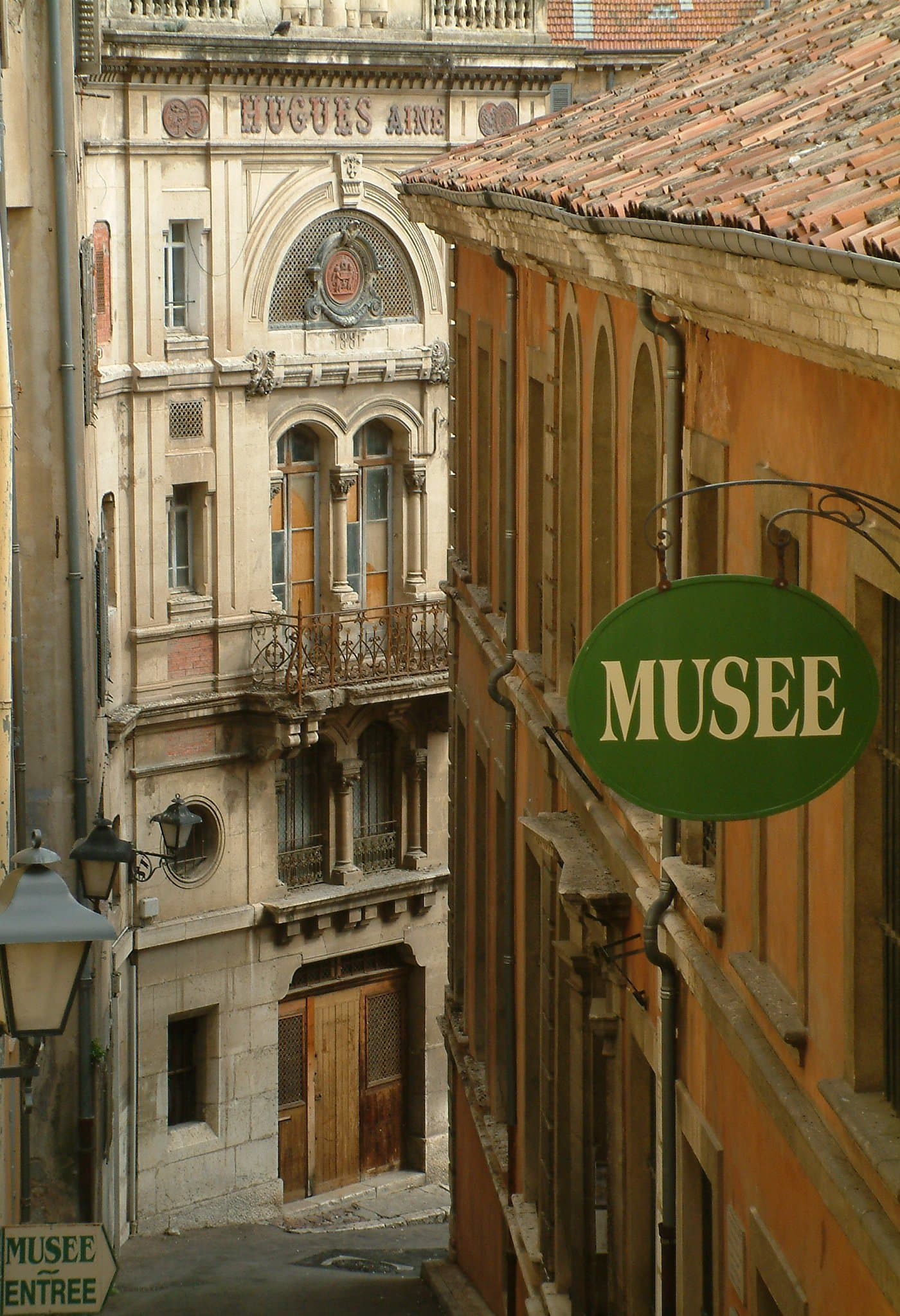 Museum of Art and History of ProvenceA museum in an eighteenth-century **private mansion** built for the sister of th1 minute walk4.2
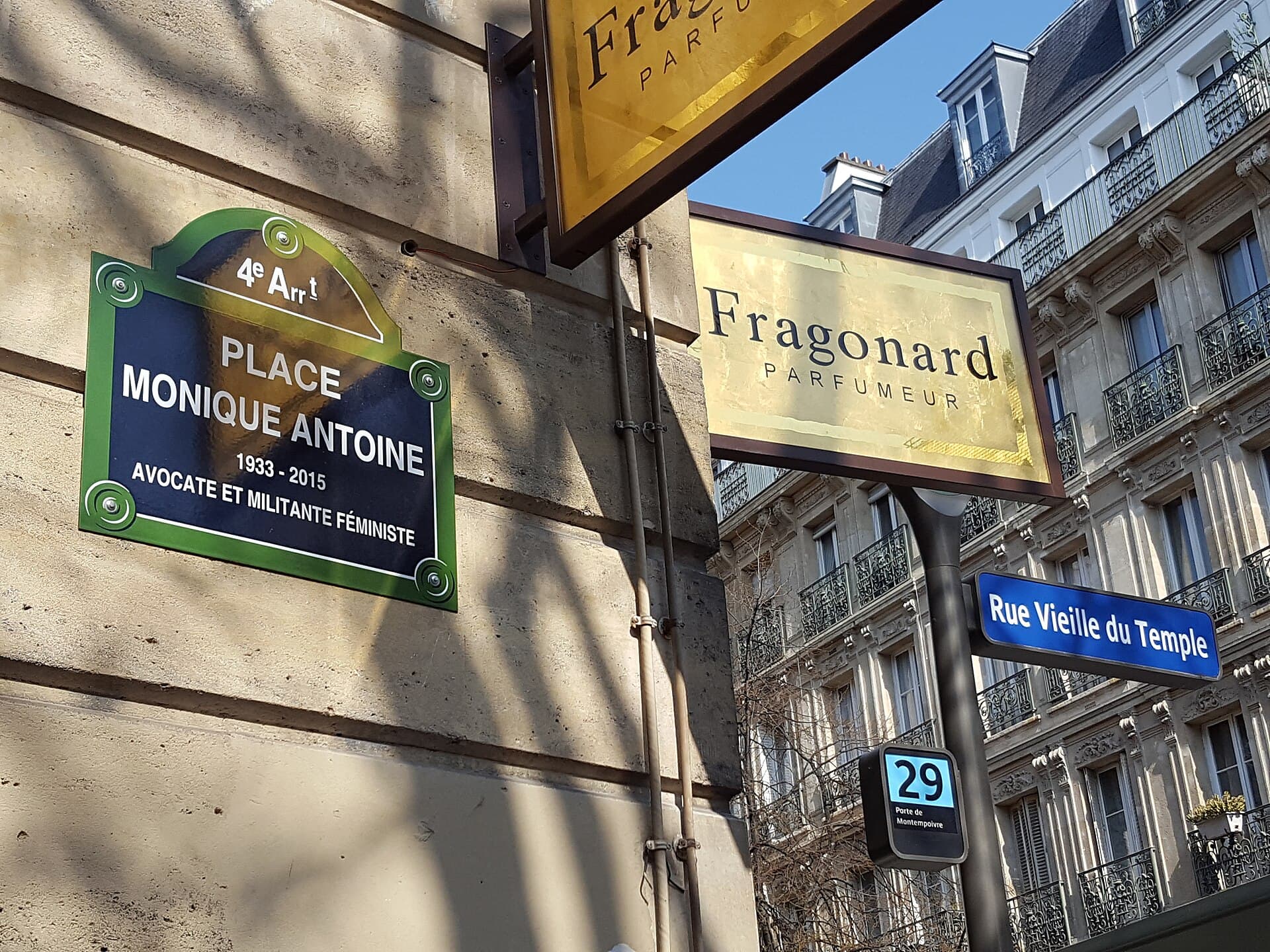 Fragonard Perfume HouseThe best-known perfume house in Grasse, founded in **1926** and named in tribute3 minutes walk4.3
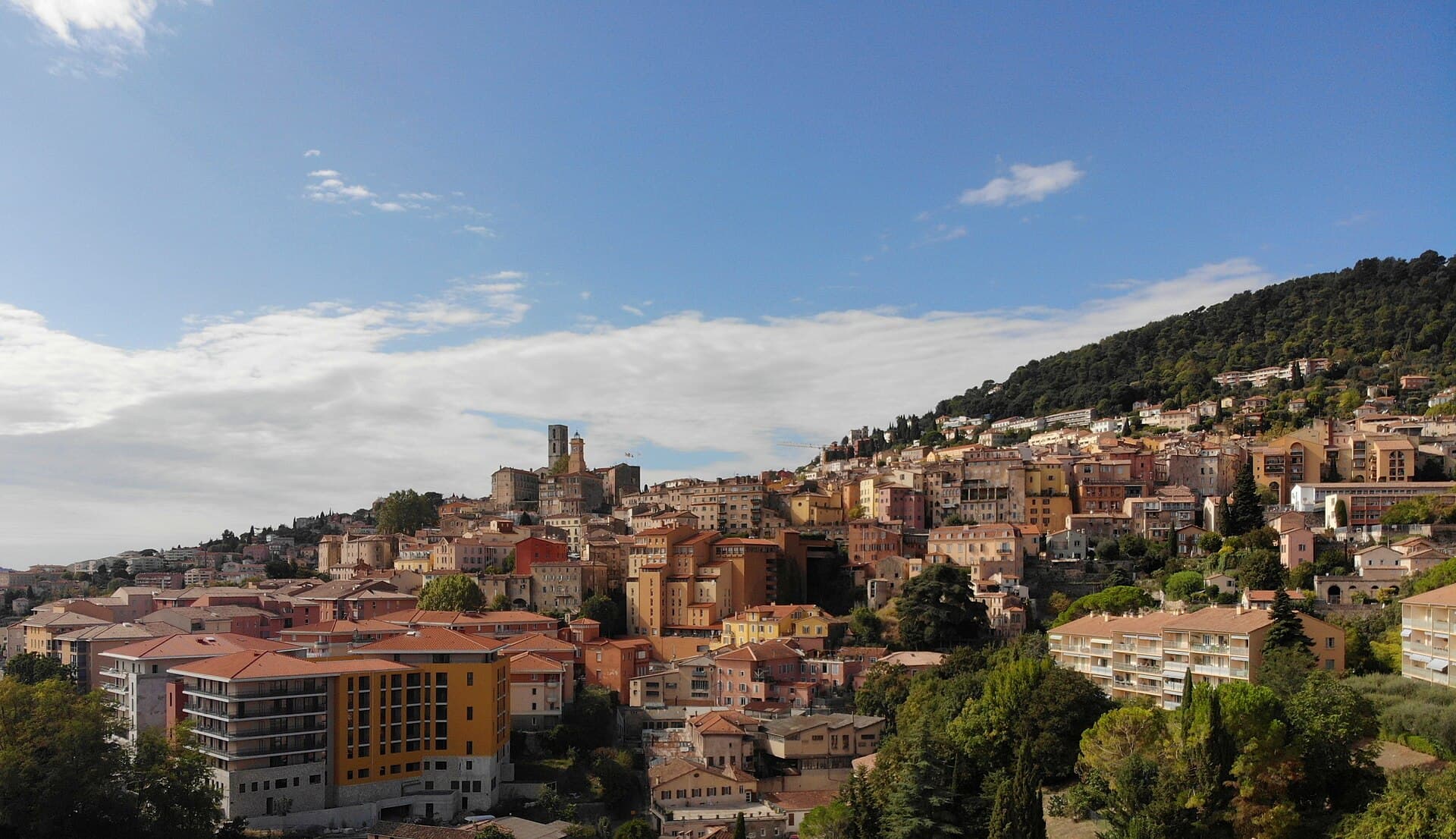 Grasse, Perfume CapitalA town on a hill some 350 metres above the Riviera, and for centuries the **perf3 minutes walk4.3
They are **two different things** and neither replaces the other. The **factory tour** (Fragonard, Galimard or Molinard) is free and short — about half an hour — explaining how perfume is made today and ending in a shop: practical, enjoyable, commercial. The **International Museum** is paid, needs two hours and covers four thousand years of scent across civilisations, with a huge bottle collection and instructive smelling stations. The ideal order for a day in Grasse: **the museum in the morning** for the context, then **a factory tour in the afternoon** to see the working industry.
More than you'd expect, because the subject is essentially **cultural history rather than marketing**: how civilisations used scent in religion, medicine, burial, power and seduction, and how the Arabs and Persians carried **distillation** to Europe and changed the craft. That reads as general history. Add that the **smelling stations** make the visit sensory rather than textual, which holds even those who came uninterested. But be realistic: it is a **detailed and, in places, text-heavy** museum, and anyone who tires of museums generally will tire here too.