The rows of arches
Coral columns in lines.
Richard Mortel from Riyadh, Saudi Arabia — CC BY 2.0 · Richard Mortel from Riyadh, Saudi Arabia — CC BY 2.0 · Richard Mortel from Riyadh, Saudi Arabia — CC BY 2.0 · Richard Mortel from Riyadh, Saudi Arabia — CC BY 2.0 · Richard Mortel from Riyadh, Saudi Arabia — CC BY 2.0
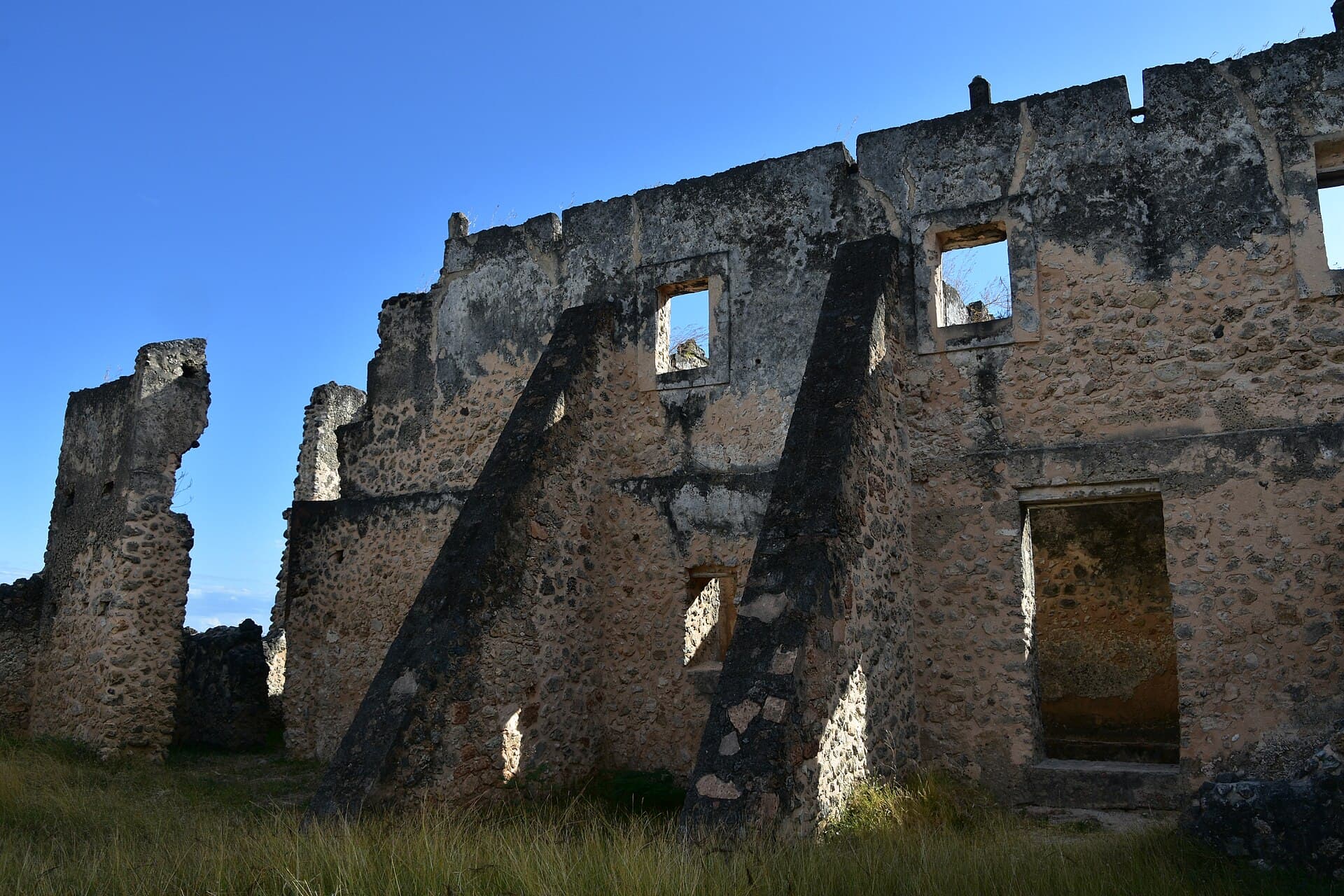
The Great Mosque of Kilwa is among the earliest partially surviving mosques on the Swahili Coast, on the island of Kilwa Kisiwani within the World Heritage Site. Once a Friday mosque, it is now a majestic ruin of coral columns and arches, and one of the finest works of Islamic architecture in East Africa. It was likely founded in the 10th century, with its two major building stages dating to the 11th or 12th century and then the 13th. In the early 14th century Sultan al-Hasan ibn Sulaiman, who also built Husuni Kubwa, added a southern extension with a great dome, which Ibn Battuta described when he visited the sultanate in 1331. The mosque was abandoned in the 18th century. The older northern hall had 16 bays carried on nine pillars, first of coral and later replaced by timber, with changes made in the 13th century. It is notable as one of the first mosques built without a courtyard. Today you walk among rows of arches and surviving small domes, with light falling through the openings onto the sandy floor. It is about 200 m in a straight line from Gereza Fort, so both fit a Kilwa Kisiwani tour, and the island requires a permit from Kilwa Masoko. It deserves respect despite being abandoned, so dress modestly, keep your voice down and do not climb the walls or columns. Early morning is best for pictures, and it is hot and humid here, so bring water.
Coral columns in lines.
Surviving over the halls.
A 14th-century addition.
Kilwa Kisiwani island, Lindi Region
No, it was abandoned in the 18th century and is now an archaeological site that deserves respect.
By boat from Kilwa Masoko after getting a permit, then on foot across the island.