Makutani Palace
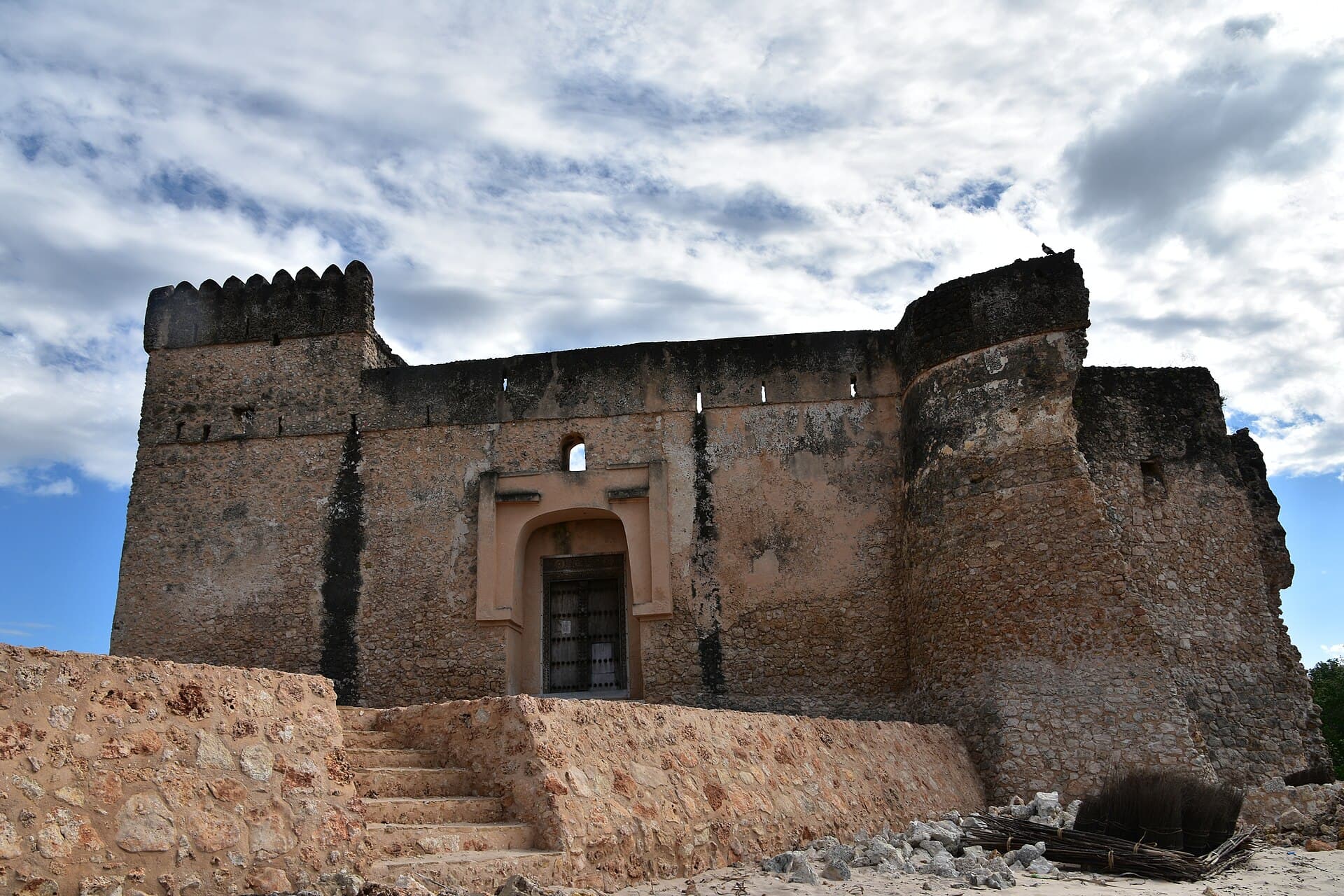
High coral walls.
Richard Mortel from Riyadh, Saudi Arabia — CC BY 2.0 · Richard Mortel from Riyadh, Saudi Arabia — CC BY 2.0 · Richard Mortel from Riyadh, Saudi Arabia — CC BY 2.0 · Richard Mortel from Riyadh, Saudi Arabia — CC BY 2.0 · Richard Mortel from Riyadh, Saudi Arabia — CC BY 2.0
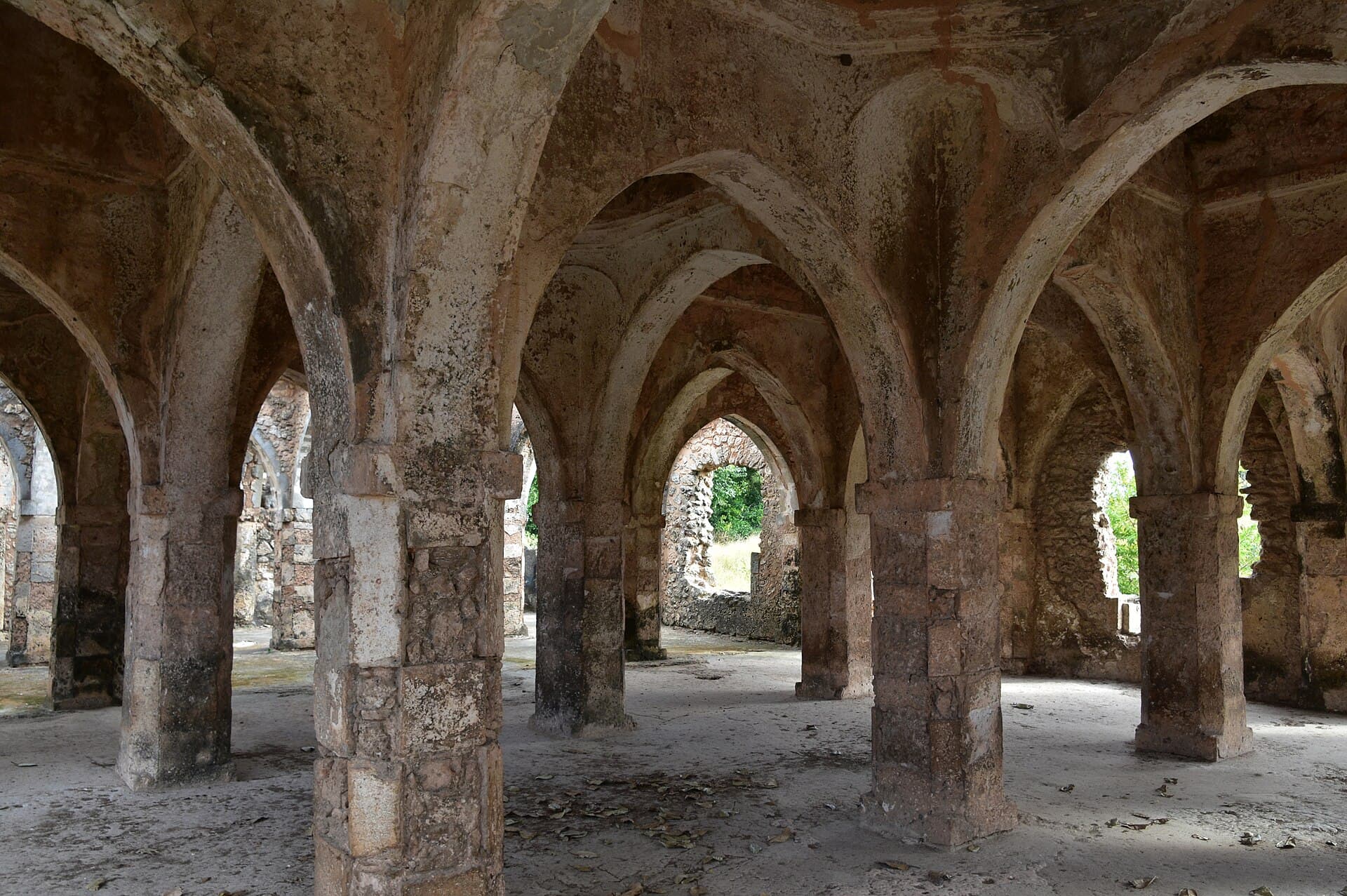
Kilwa Kisiwani is a small island off southern Tanzania and the former centre of the Swahili Kilwa Sultanate, whose authority stretched along the Swahili Coast in the 13th to 15th centuries. Since 1981 it has been a UNESCO World Heritage Site with the ruins of Songo Mnara, and it ranks among the most important Islamic monuments in East Africa. Excavations and carbon dating confirm its founding at the start of the 9th century. The Moroccan traveller Ibn Battuta came in 1331 and described it as one of the most beautiful cities in the world. It grew rich on trade with Arabia, India and China, controlled the gold trade at Sofala and minted its own coins for about 500 years. The Portuguese sacked and burned it in July 1505. Coral ruins lie scattered among grass and trees, including the Great Mosque, Gereza Fort and the high walls of Makutani Palace. The palace of Husuni Kubwa, built by Sultan al-Hasan ibn Sulaiman in the 14th century, stands outside the old town. You will also see the Malindi cemetery, small mosques and coastal mangroves, and about 1,150 people still live on the island. You may not land without a permit from the tourist information centre in Kilwa Masoko, and small boats make the crossing. There are no roads, so you get around on foot or by motorcycle, so wear suitable shoes and bring water and a hat. Treat these places with respect, do not climb the walls, dress modestly and be considerate of residents when taking pictures.
High coral walls.
A 14th-century palace.
Ruins among the trees.
Kilwa Kisiwani island, Lindi Region, southern Tanzania
Yes, from the tourist information centre in Kilwa Masoko before the boat crossing.
In 1331 he described it as one of the most beautiful cities in the world.