
The sultan's mosque
Eighteenth century.
Crisco 1492 — CC BY-SA 3.0 · Hanan Wahid — CC BY-SA 4.0 · Crisco 1492 — CC BY-SA 3.0 · Si Gam — CC BY-SA 4.0
The royal mosque of the Surakarta sultanate, built by Sultan Pakubuwono III in the mid-eighteenth century on the west side of the palace's north square, as Java's Islamic kingdoms traditionally did. It is one of Java's finest traditional mosques, with a three-tiered roof, a broad front veranda and a large gateway of classical character. The prayer hall rests on massive wooden pillars under a high timber ceiling that keeps it calm and cool, and the mosque holds an old minbar and an enclosure where the sultan prayed. The yard has a minaret and a clock tower, and around the mosque lies Kauman, the quarter of the mosque's scholars and old batik makers. Entry is free. Non-Muslims visit outside prayer times in modest dress. Pray Dhuhr here, then walk to the neighbouring Klewer batik market and the Kasunanan palace across the square, all three on one walking route.
Eighteenth century.
Traditional Javanese design.
Scholars and batik makers.
West side of the palace's north square, Kauman, Solo
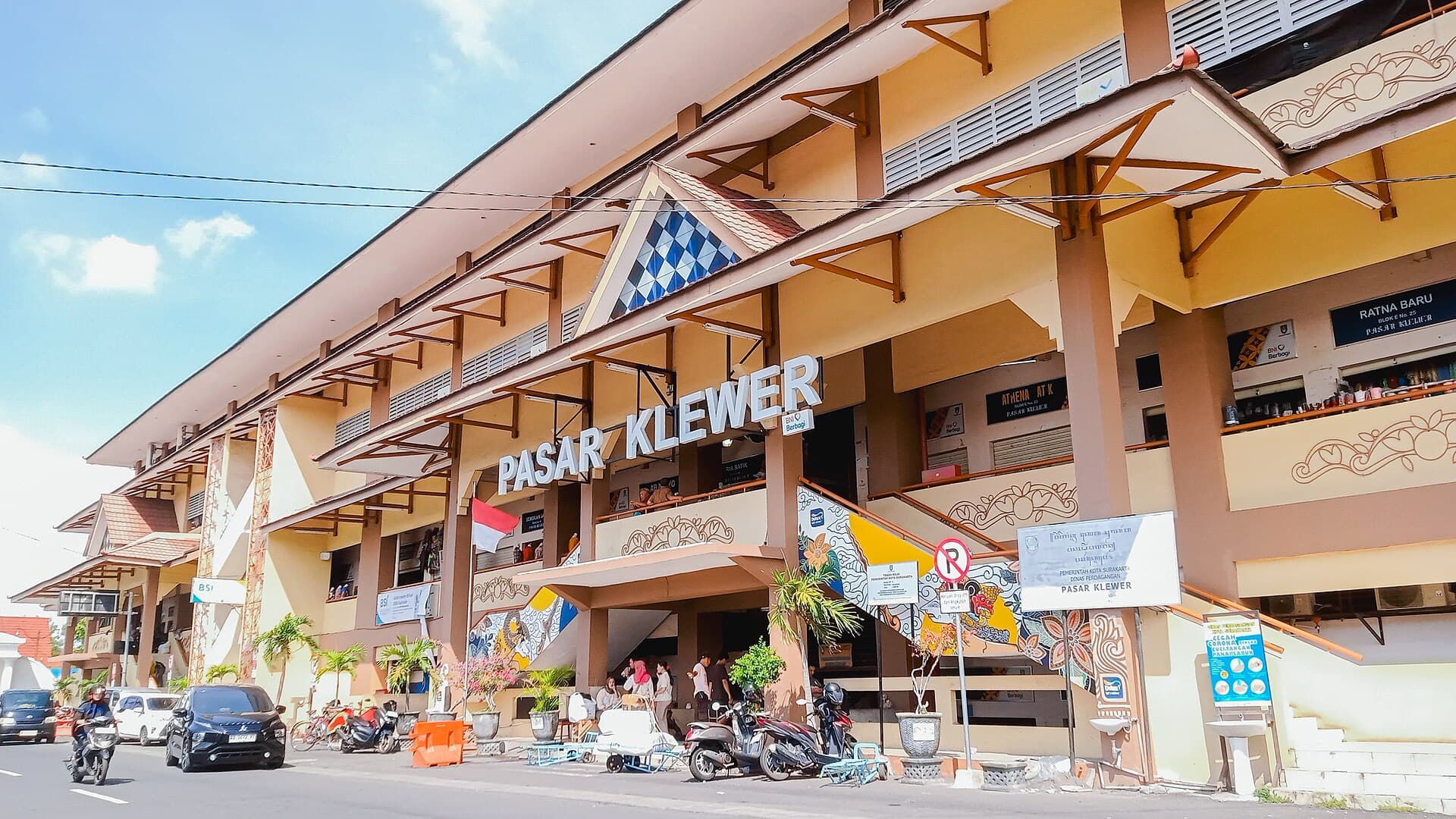 Pasar Klewer Batik MarketSolo's largest batik and textile market and one of Indonesia's biggest, a multi-2 minutes walk
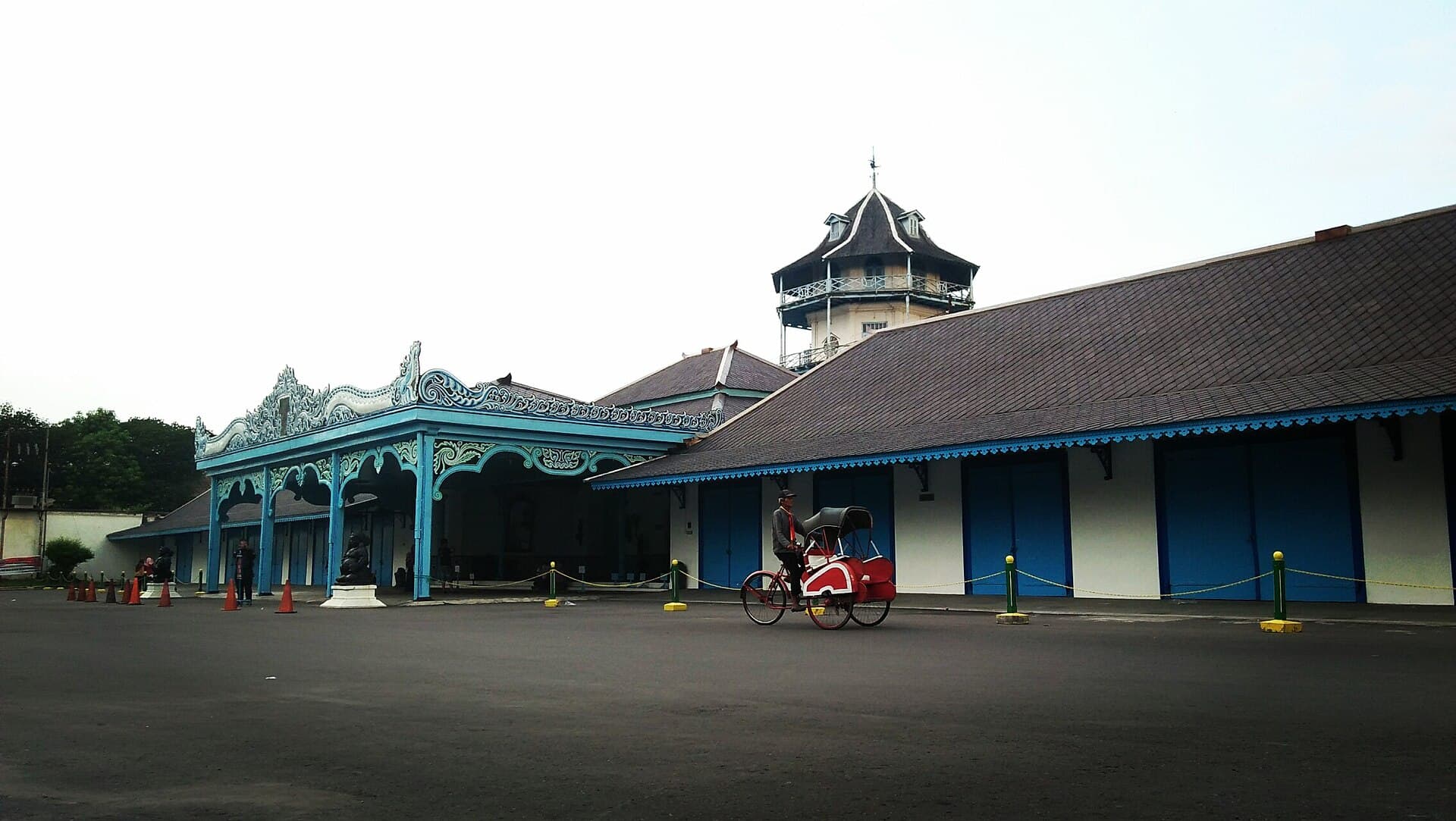 Kasunanan Palace of SurakartaThe palace of the sultans of Surakarta, founded by Sultan Pakubuwono II in 1745 5 minutes walk
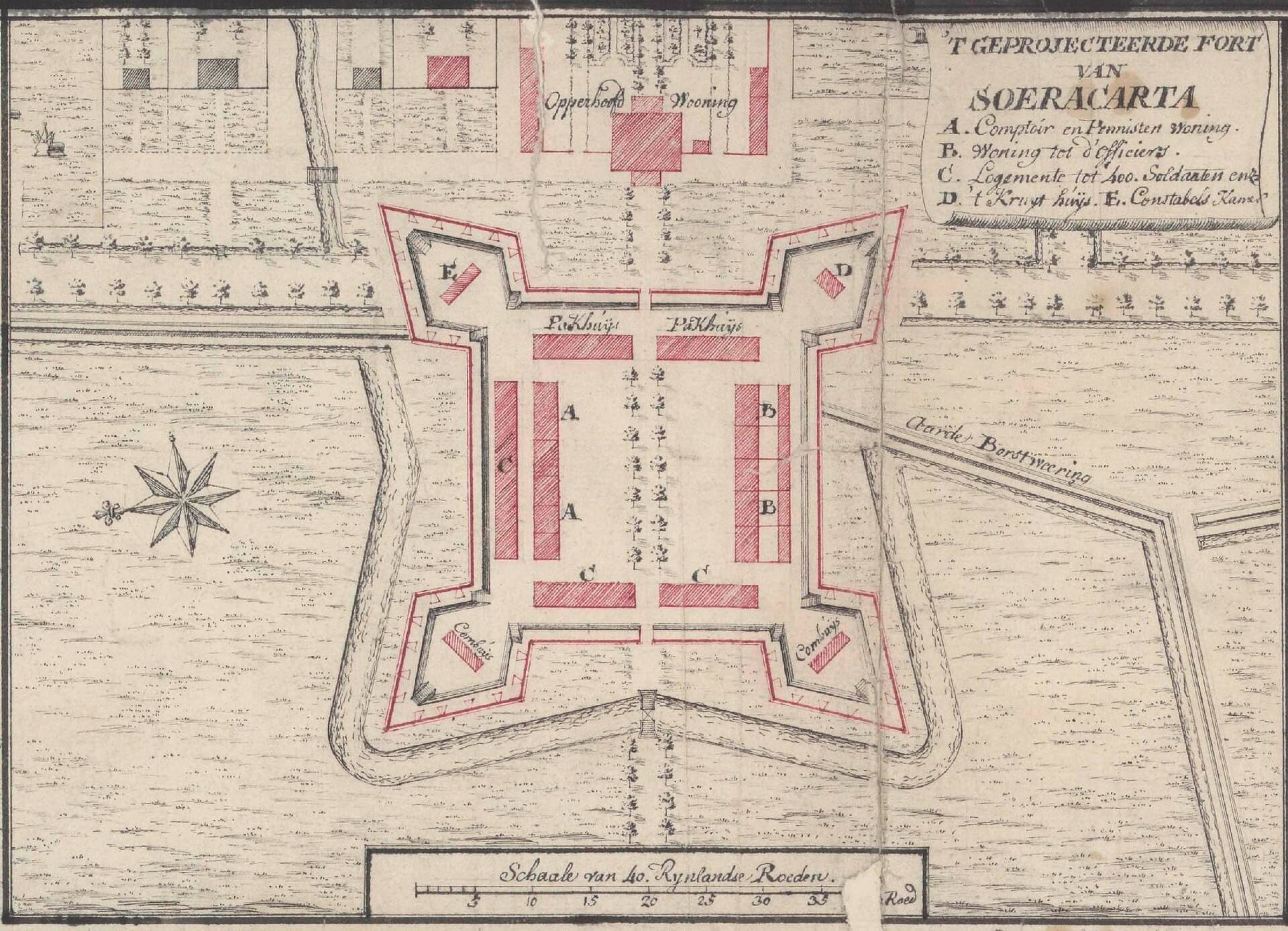 Fort VastenburgAn eighteenth-century Dutch fort at the heart of Solo, built near the sultan's p7 minutes walk
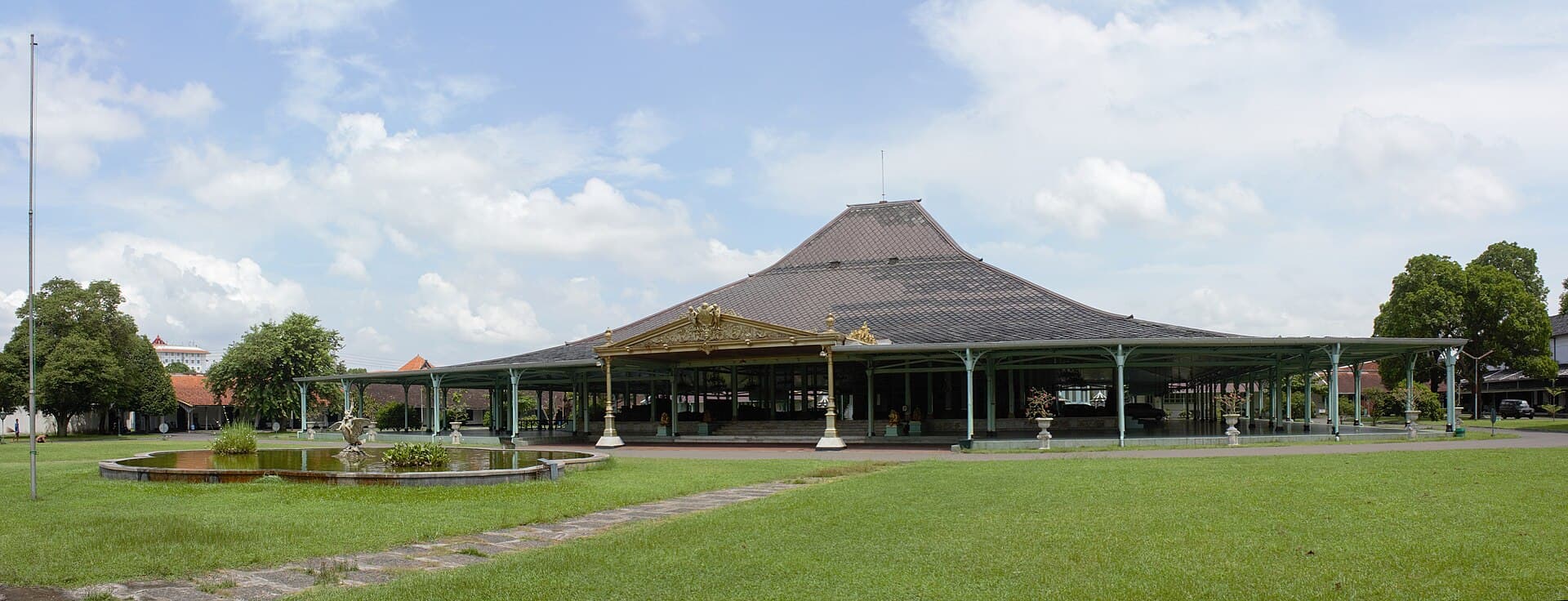 Pura Mangkunegaran PalaceSolo's second palace, seat of the Mangkunegara princes since the mid-eighteenth 12 minutes walk
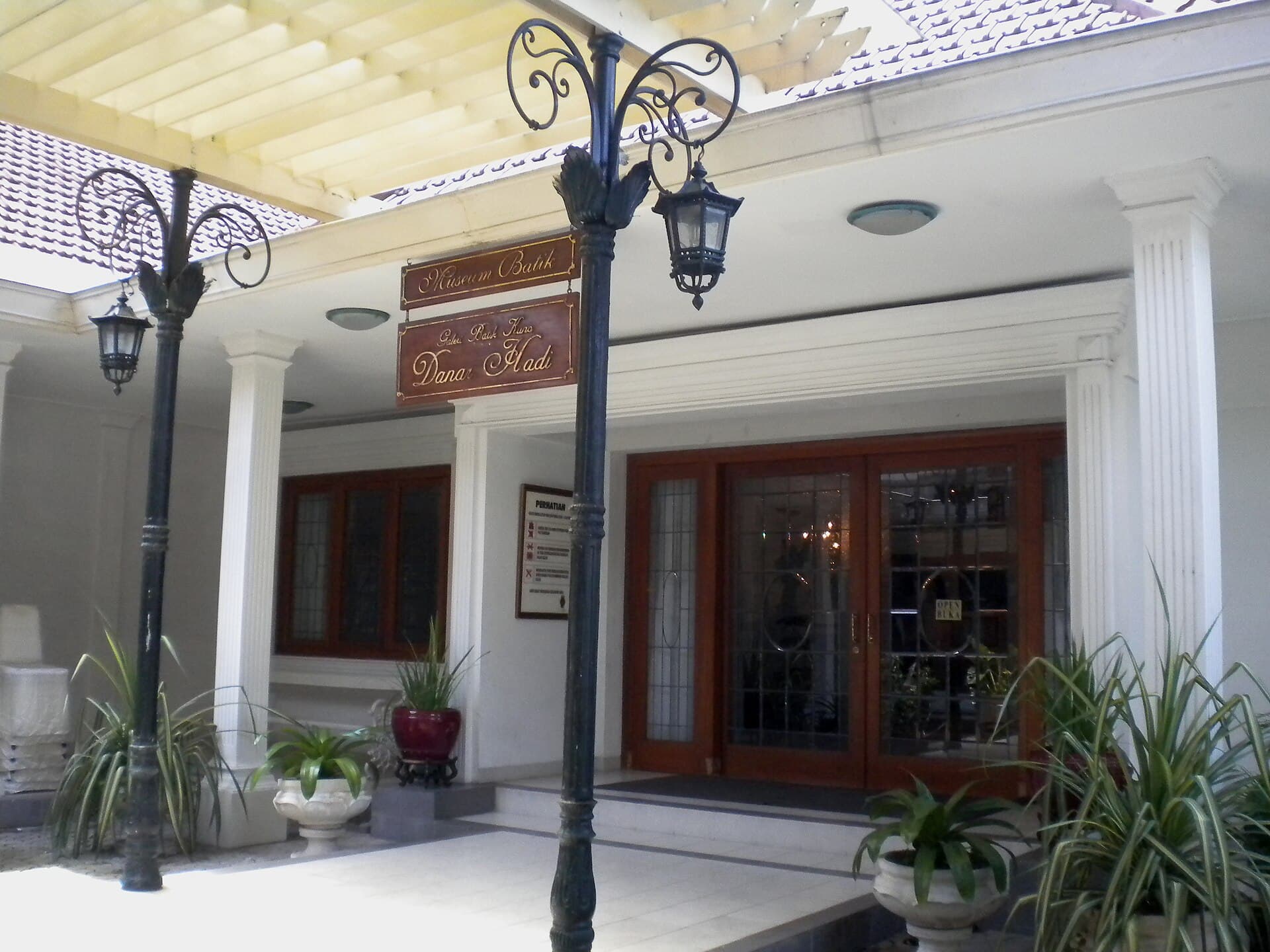 House of Danar HadiA batik museum in an elegant old mansion on the main Slamet Riyadi avenue, found16 minutes walk
This is a historic royal mosque of eighteenth-century Javanese design; Sheikh Zayed is modern in Emirati style. Both are worth a visit.