
A palace since 1745
The royal family's seat.
Muhammad rozaqa thoriqo — CC BY-SA 4.0 · Pandjisaputra94 — CC BY-SA 4.0 · Gunarta — CC BY-SA 4.0 · Christophe95 — CC BY-SA 4.0
The palace of the sultans of Surakarta, founded by Sultan Pakubuwono II in 1745 when he moved his capital to the bank of the Solo River, and still the royal family's seat today. It has pavilions and courtyards laid with black sand brought from the sea, shaded by sapodilla trees, blending Javanese architecture with European touches. Visitors enter the palace museum, with royal carriages, weapons, gamelan instruments, costumes and old heirlooms, then the inner court overlooking the Sanggabuwana tower, the old royal tower. The palace still holds its traditional rites, such as the kirab procession on the night of the Javanese new year. Tickets are around twenty thousand rupiah; what is open to visitors may vary with ceremonies, and modest dress is required. Many older parts need restoration. Come in the morning with a palace guide to explain the symbols, and combine it with the neighbouring Great Mosque and Klewer market. Solo's other palace, Mangkunegaran, is worth comparing.
The royal family's seat.
In the inner courts.
Carriages and gamelan.
Central Solo, between the north and south squares
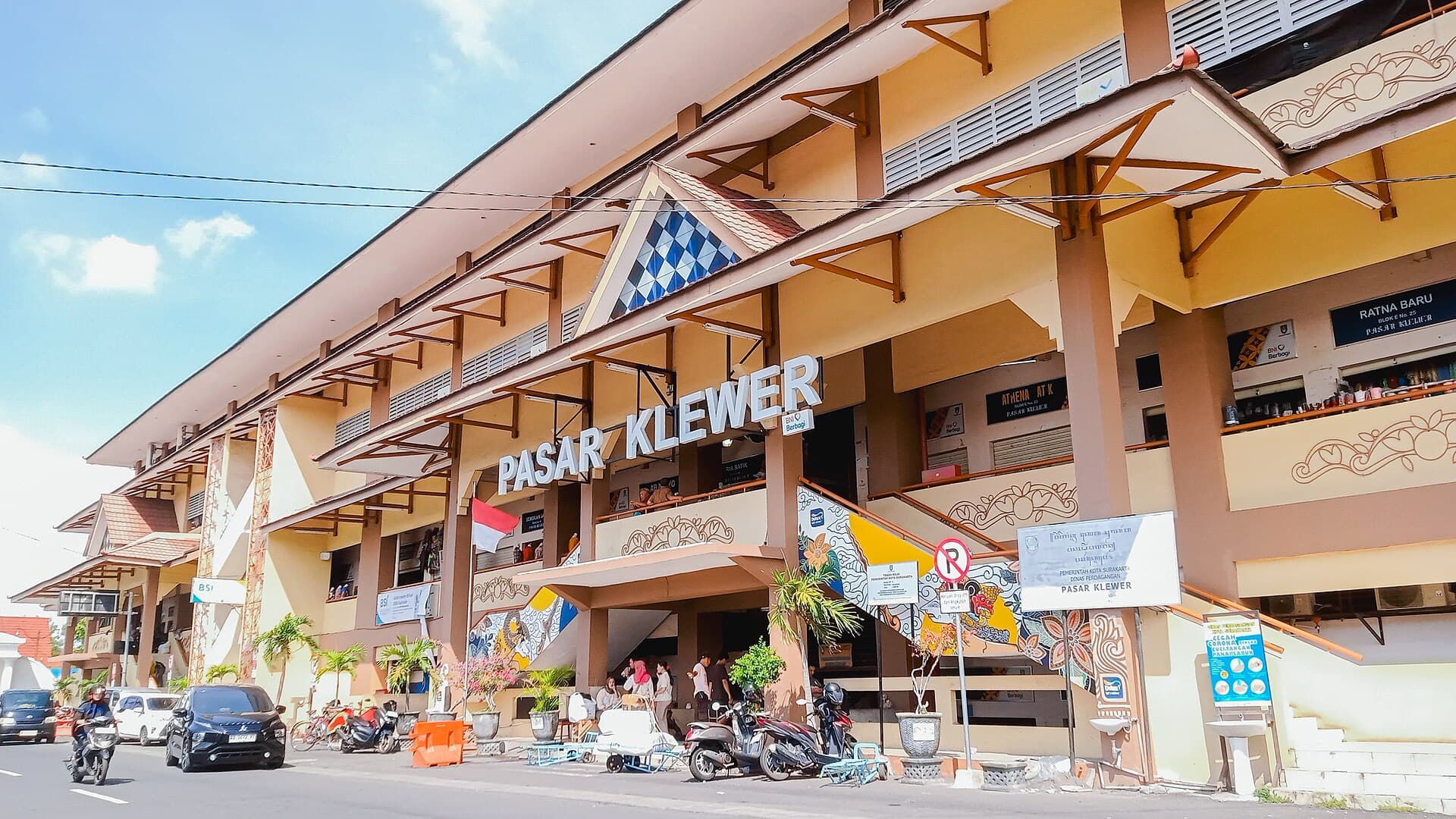 Pasar Klewer Batik MarketSolo's largest batik and textile market and one of Indonesia's biggest, a multi-3 minutes walk
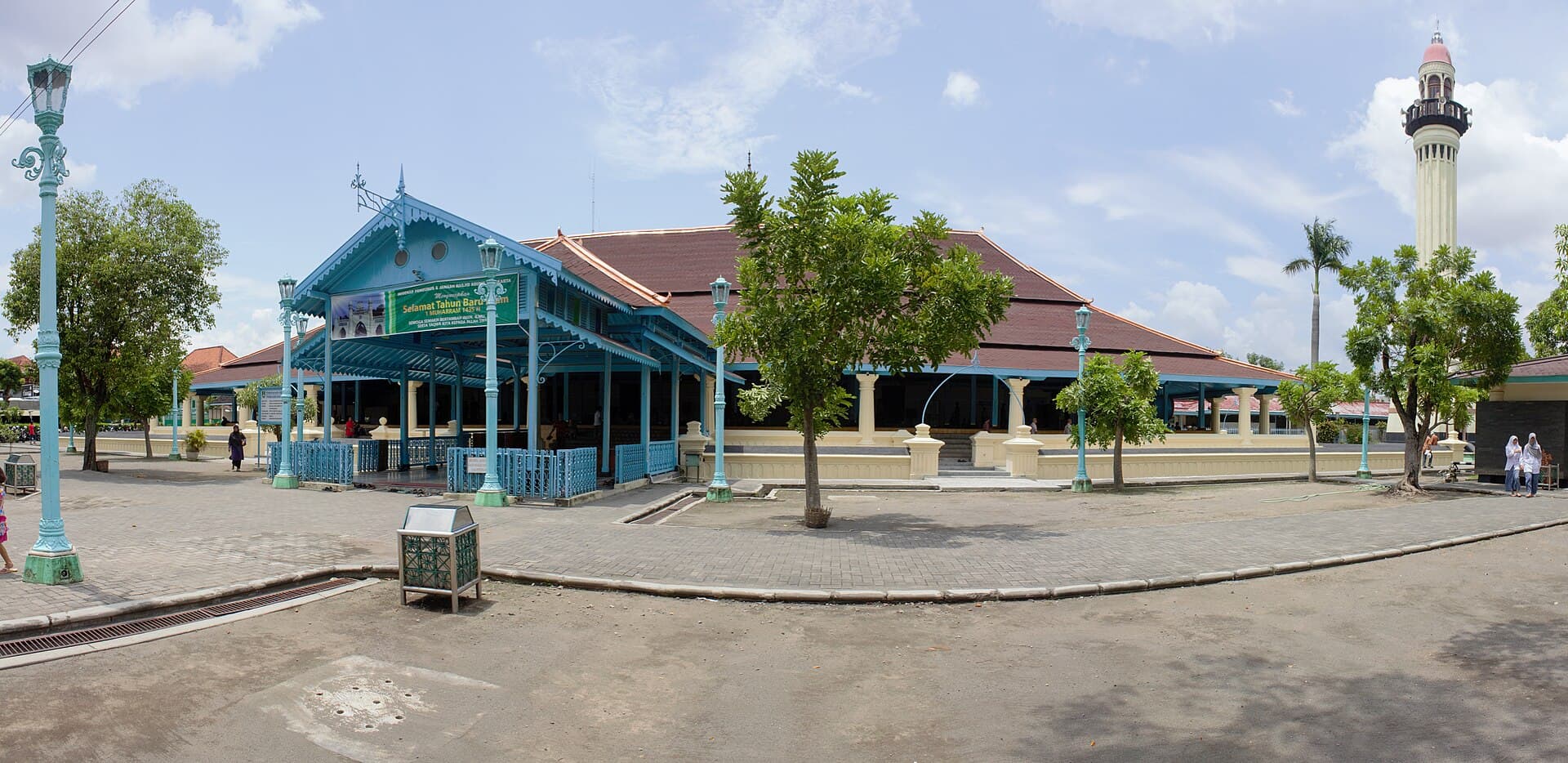 Great Mosque of SurakartaThe royal mosque of the Surakarta sultanate, built by Sultan Pakubuwono III in t5 minutes walk
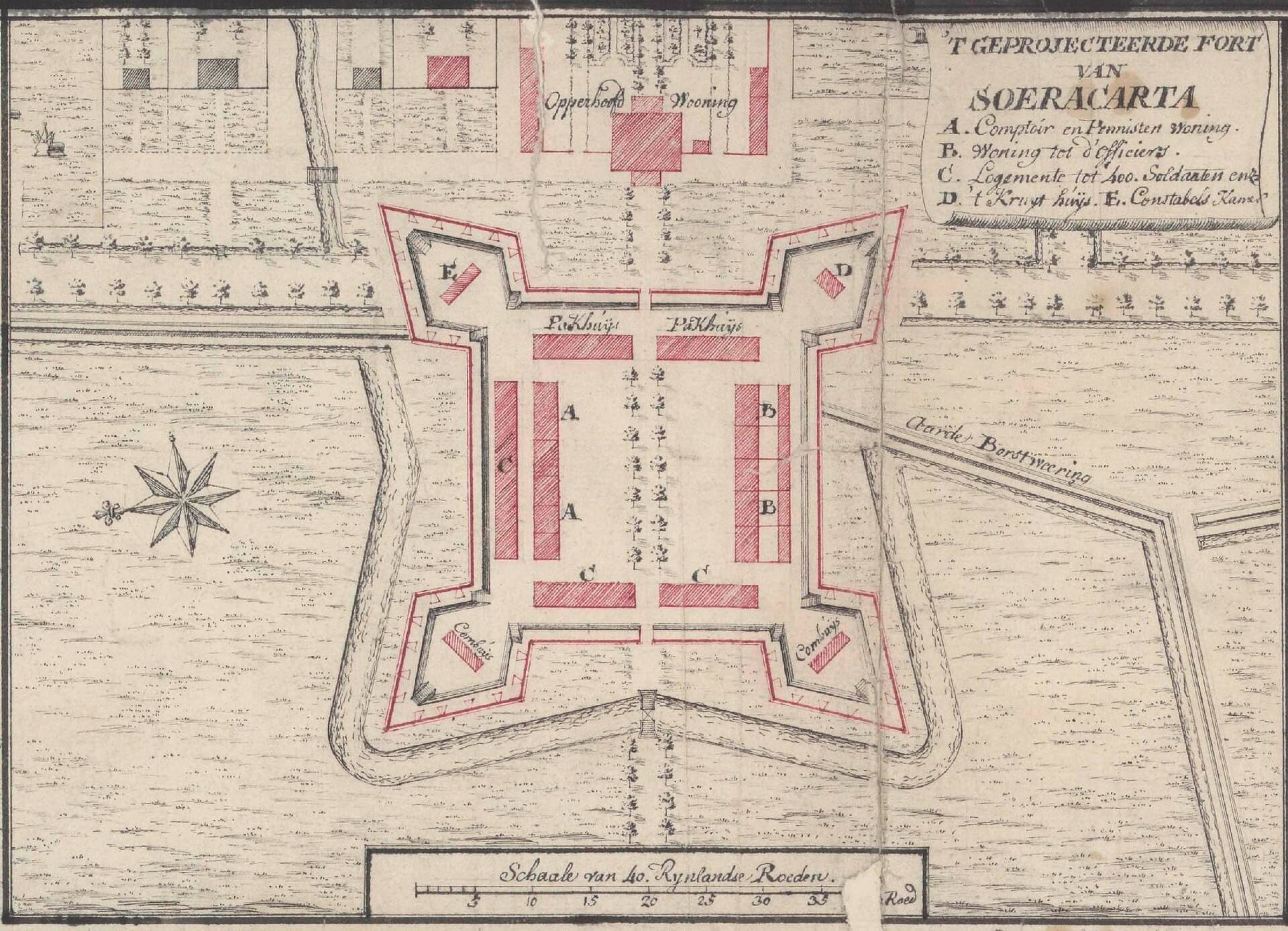 Fort VastenburgAn eighteenth-century Dutch fort at the heart of Solo, built near the sultan's p9 minutes walk
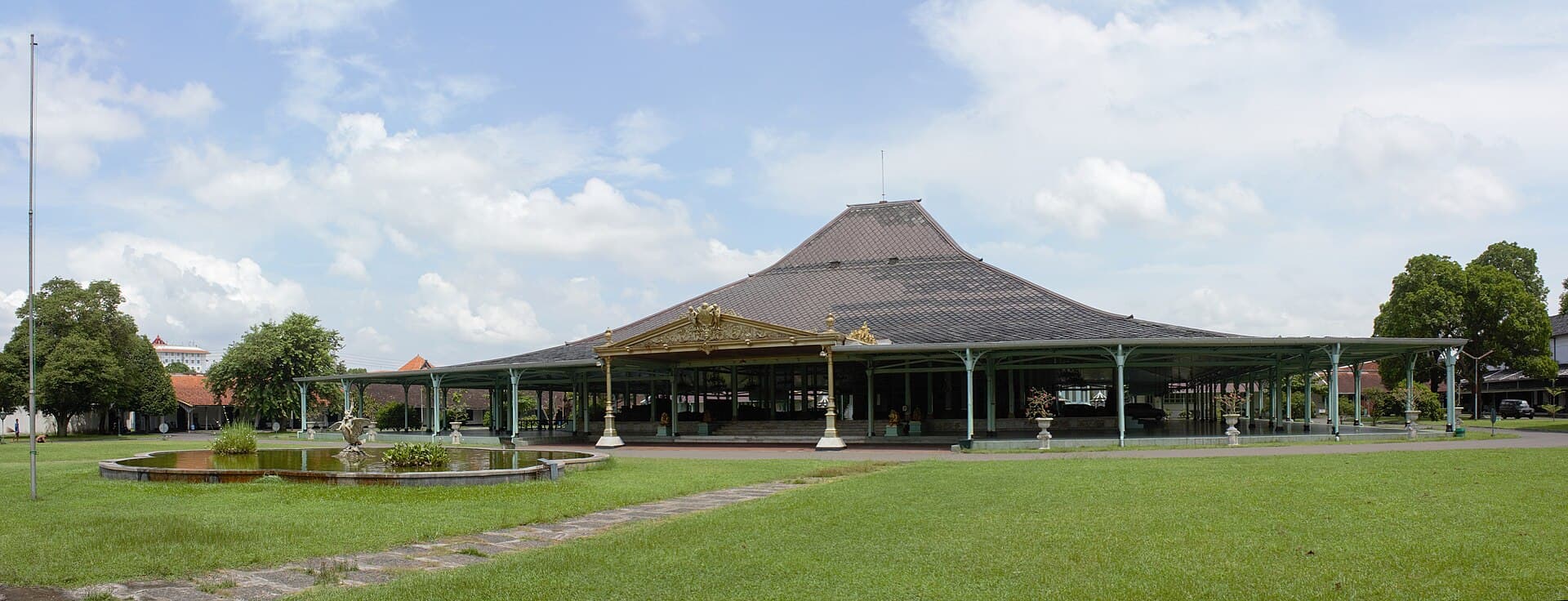 Pura Mangkunegaran PalaceSolo's second palace, seat of the Mangkunegara princes since the mid-eighteenth 17 minutes walk
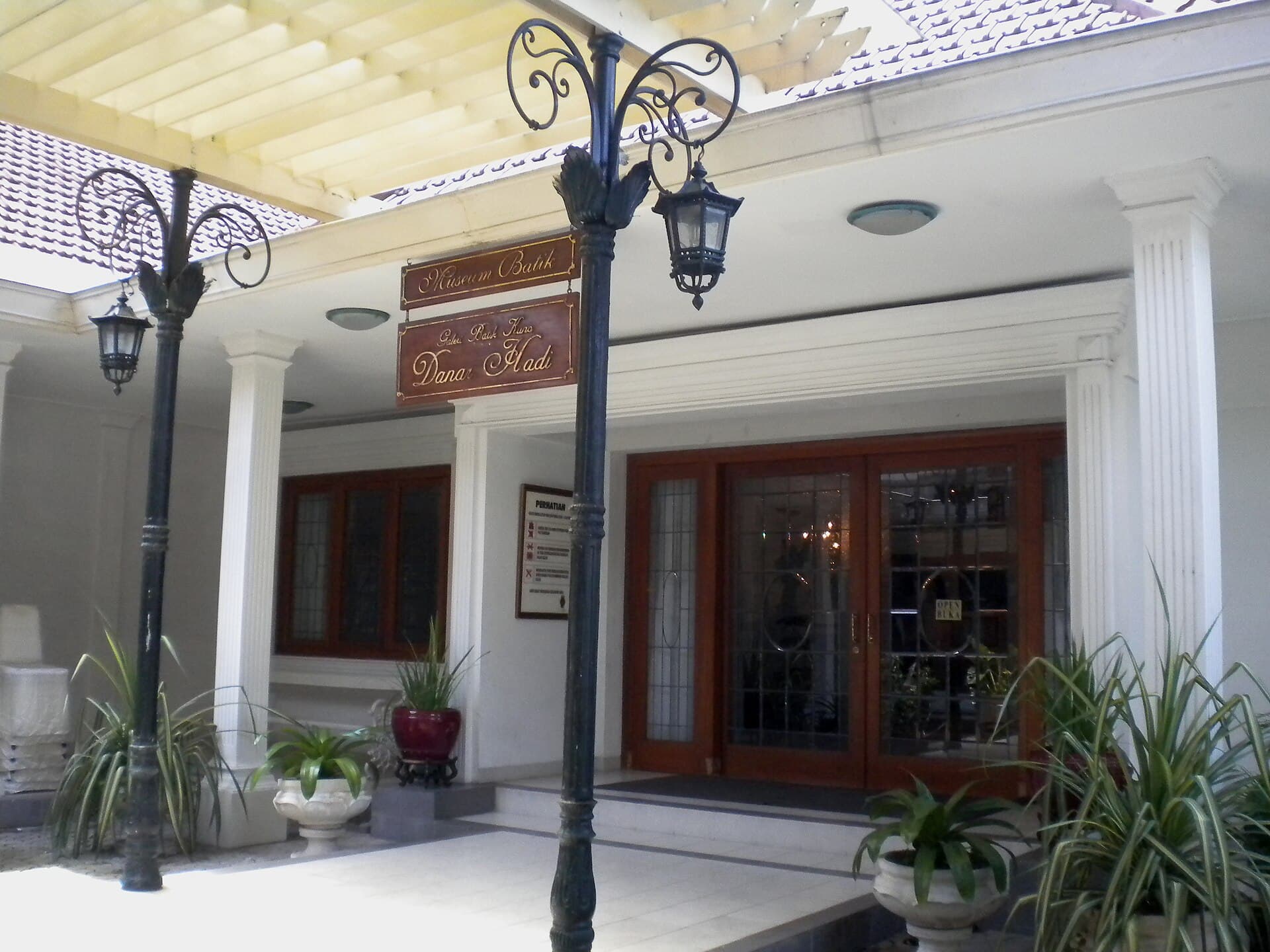 House of Danar HadiA batik museum in an elegant old mansion on the main Slamet Riyadi avenue, found20 minutes walk
Surakarta is the larger and older palace; Mangkunegaran is smaller but better kept with a more enjoyable guided tour. With time, see both.