
The great pendopo
One of Java's largest pavilions.
Crisco 1492 — CC BY-SA 3.0 · Arabsalam — CC BY-SA 4.0 · Crisco 1492 — CC BY-SA 4.0 · Crisco 1492 — CC BY-SA 4.0
Solo's second palace, seat of the Mangkunegara princes since the mid-eighteenth century, smaller than the sultan's palace but better preserved and more elegant. Its best-known feature is the pendopo, a huge open pavilion on teak pillars without walls, one of Java's largest, under a painted ceiling decorated with motifs of the Javanese zodiac. The palace is seen on a guided tour through the pendopo to the inner halls, with collections of jewellery, masks, weapons, coins, European and Chinese antiques and portraits of the successive princes. On some days Javanese dance and gamelan rehearsals are held in the pendopo. The ticket includes the guided tour, around thirty thousand rupiah or a little more, and photography is not allowed in some inner halls. Come in the morning and ask about dance rehearsal times to watch one. Nearby are the weekend Ngarsopuro night market and the Triwindu antiques market.
One of Java's largest pavilions.
Colourful symbolic motifs.
Masks, jewels and antiques.
Jalan Ronggowarsito, north-central Solo
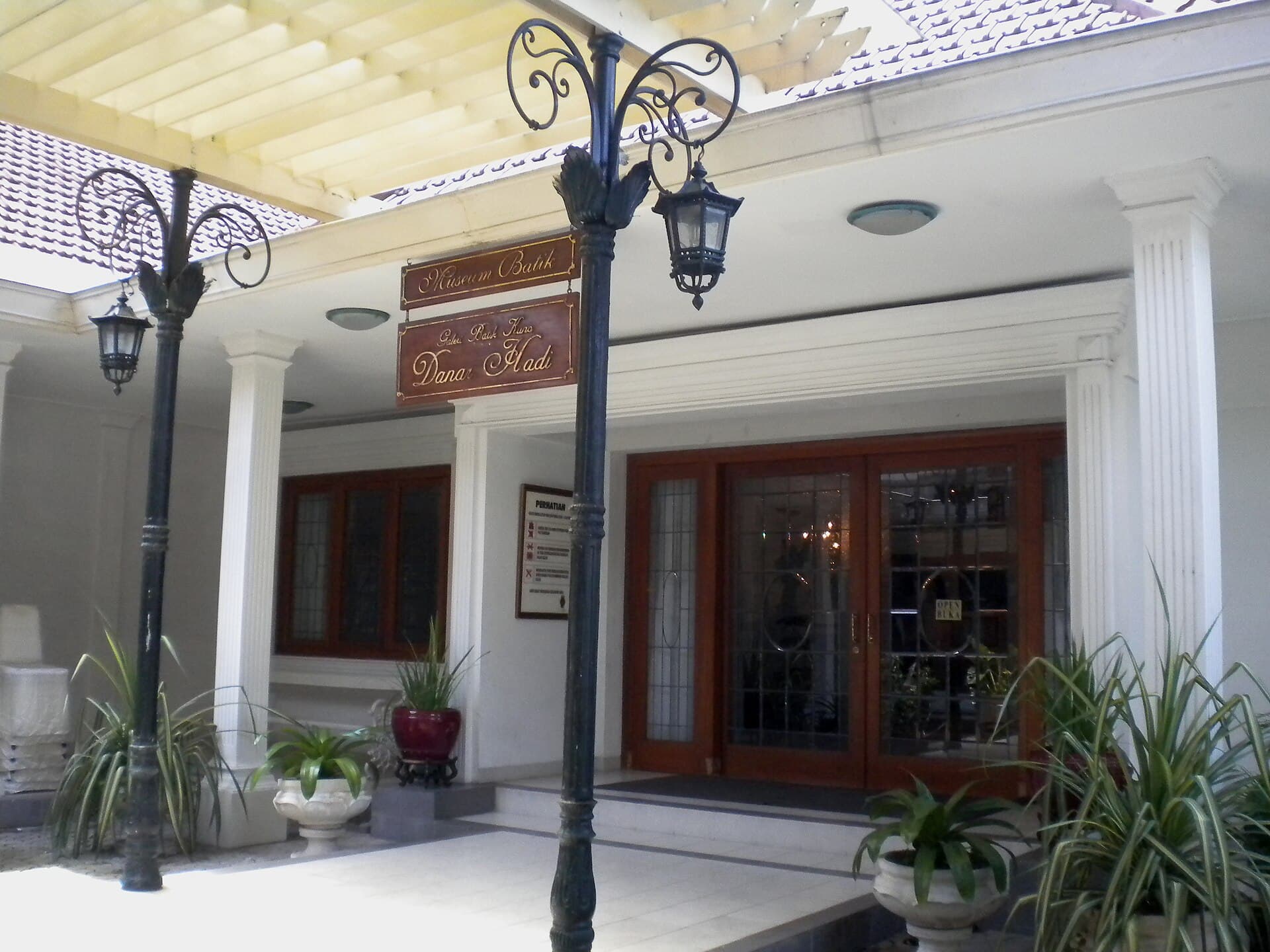 House of Danar HadiA batik museum in an elegant old mansion on the main Slamet Riyadi avenue, found9 minutes walk
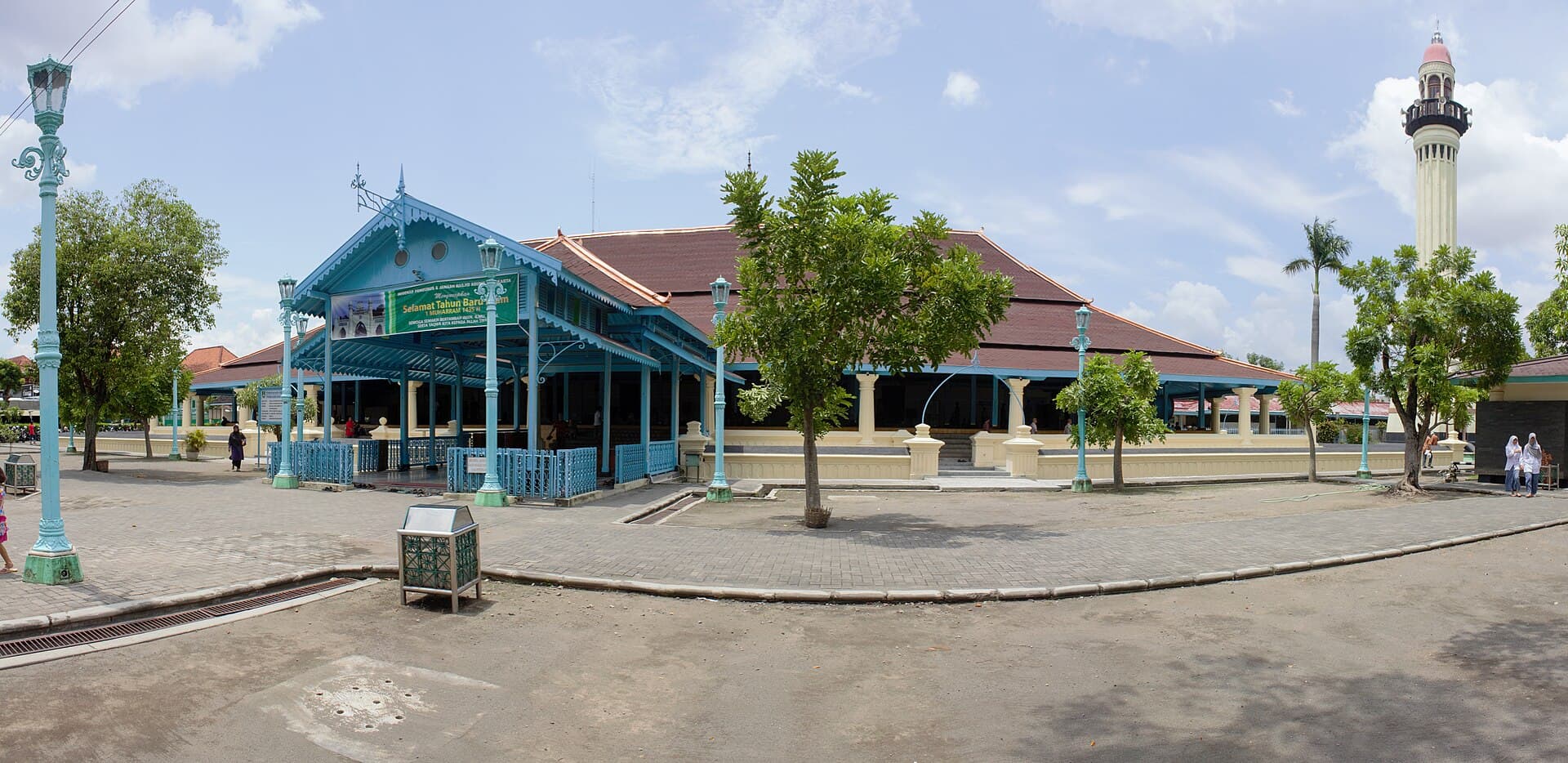 Great Mosque of SurakartaThe royal mosque of the Surakarta sultanate, built by Sultan Pakubuwono III in t12 minutes walk
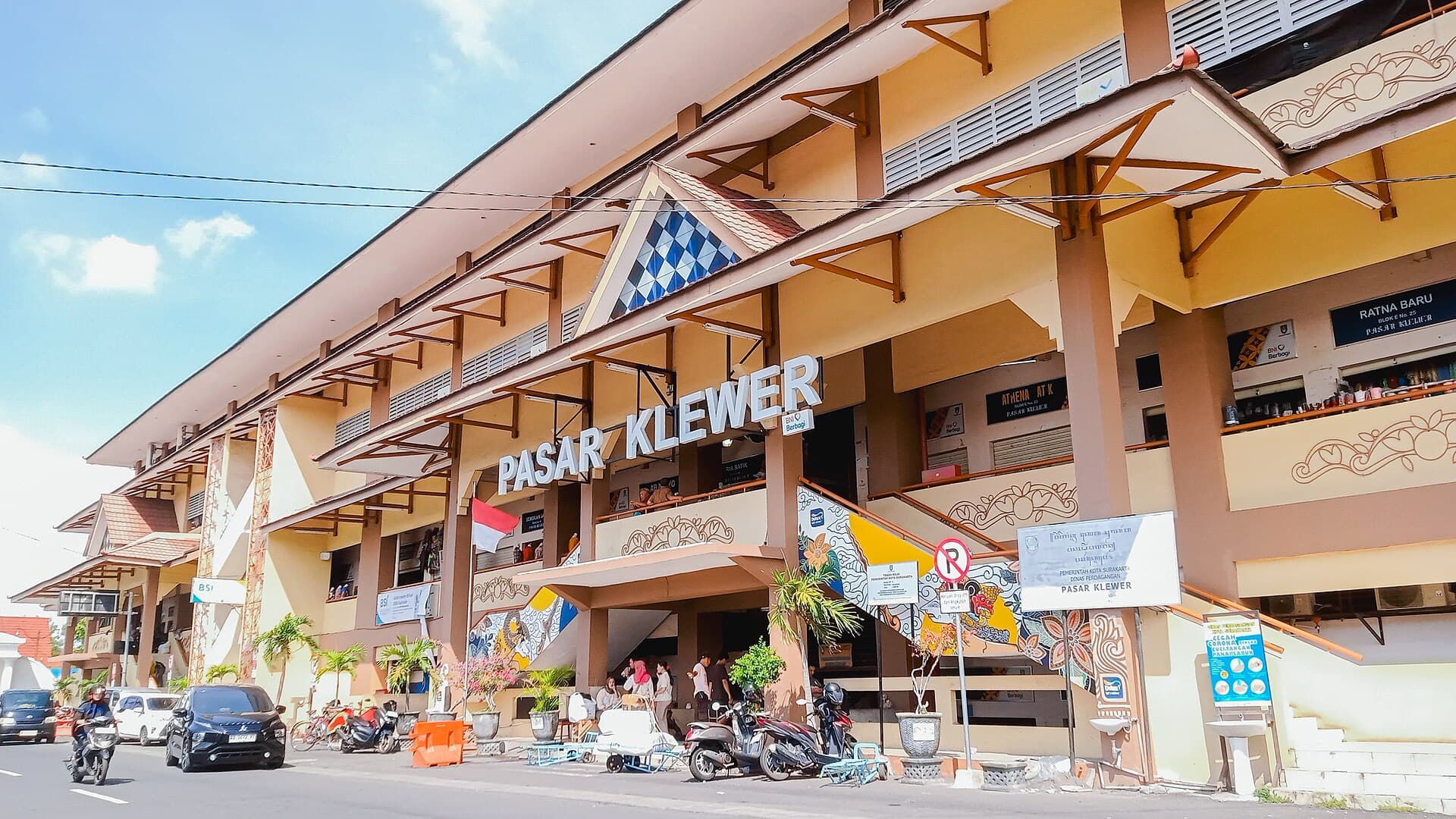 Pasar Klewer Batik MarketSolo's largest batik and textile market and one of Indonesia's biggest, a multi-13 minutes walk
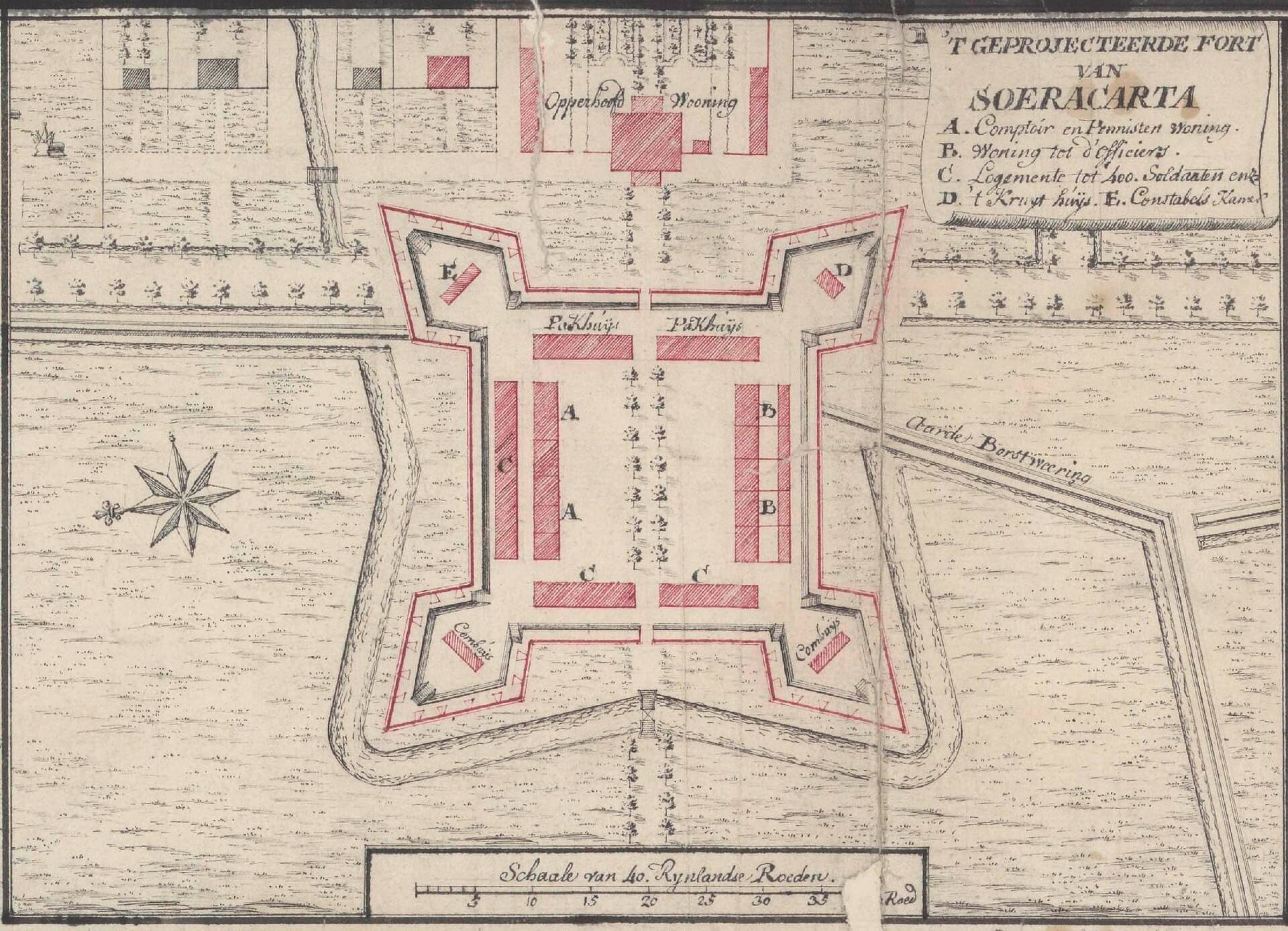 Fort VastenburgAn eighteenth-century Dutch fort at the heart of Solo, built near the sultan's p14 minutes walk
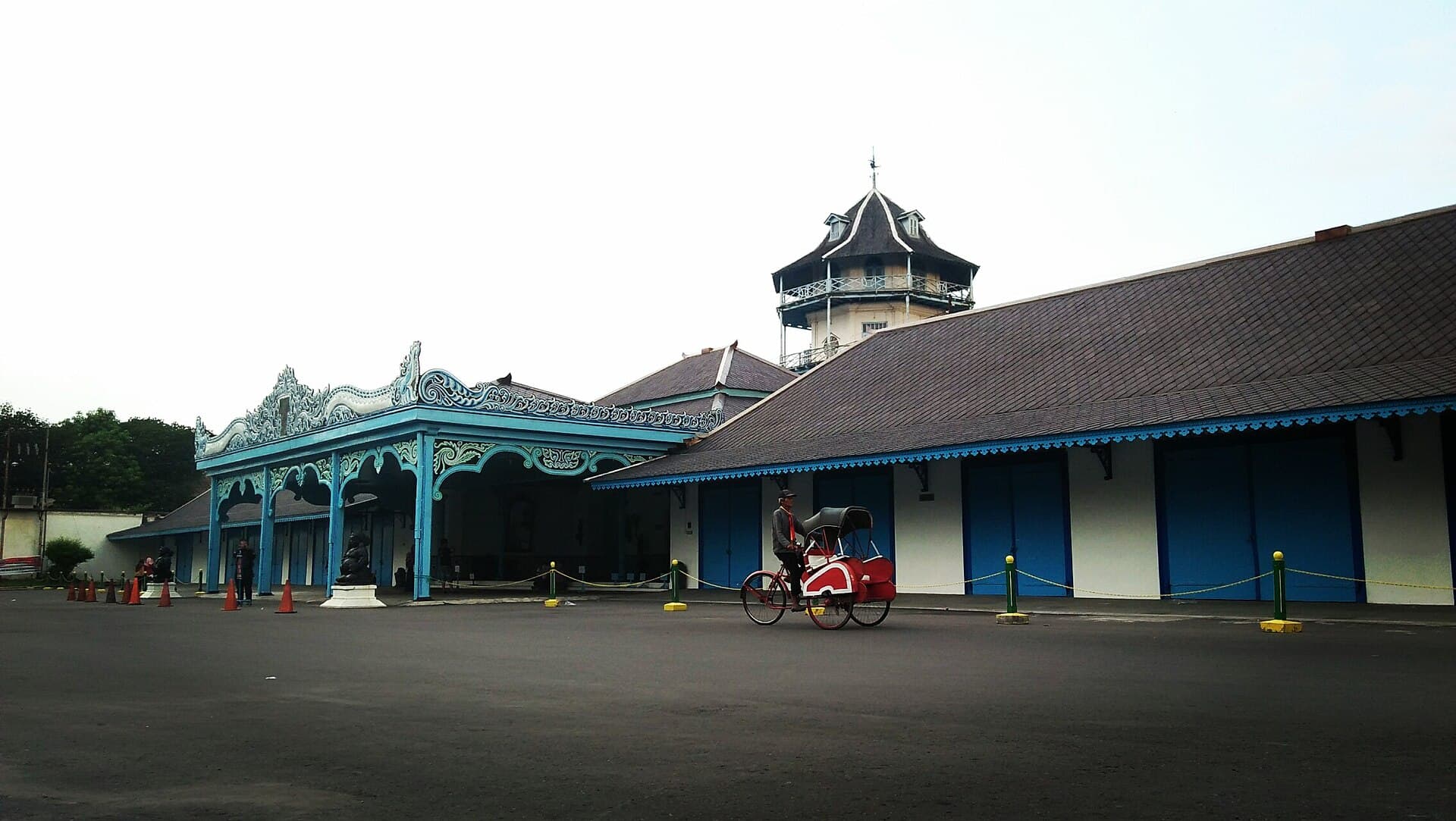 Kasunanan Palace of SurakartaThe palace of the sultans of Surakarta, founded by Sultan Pakubuwono II in 1745 17 minutes walk
English-speaking guides are usually available; ask when buying your ticket. The guide is part of the visit, and wandering inside alone is not allowed.