
The faces of emigration
Children asleep on bundles and bent bodies — social realism without flattery.
CC BY-SA 3.0 · Fravekator — CC BY-SA 4.0 · Fravekator — CC BY-SA 4.0 · Fravekator — CC BY-SA 4.0
A small museum devoted to the Belgian painter Eugeen Van Mieghem (1875-1930), a son of Antwerp's port district who spent his life drawing the people in it: dock workers, fishwives, and emigrants waiting for their ships. That last subject is what gives the museum its particular weight. Between 1873 and 1934 some two million people left Europe through the port of Antwerp on Red Star Line steamers bound for America, most of them poor and many of them Jews fleeing eastern Europe. Van Mieghem drew them waiting on the quay with their bundles. His manner is social realism without flattery: tired faces, bent bodies, children asleep on baggage. These are not cheerful pictures, and they are not meant to be. The museum is very small and complements the Red Star Line Museum in the same city, which tells the same story through documents. Seeing both gives a complete picture of Antwerp as a port of emigration.
Children asleep on bundles and bent bodies — social realism without flattery.
He drew people he lived among rather than observed from a distance.
That museum tells the story through documents; this one tells it through faces.
Near the old port, Antwerp
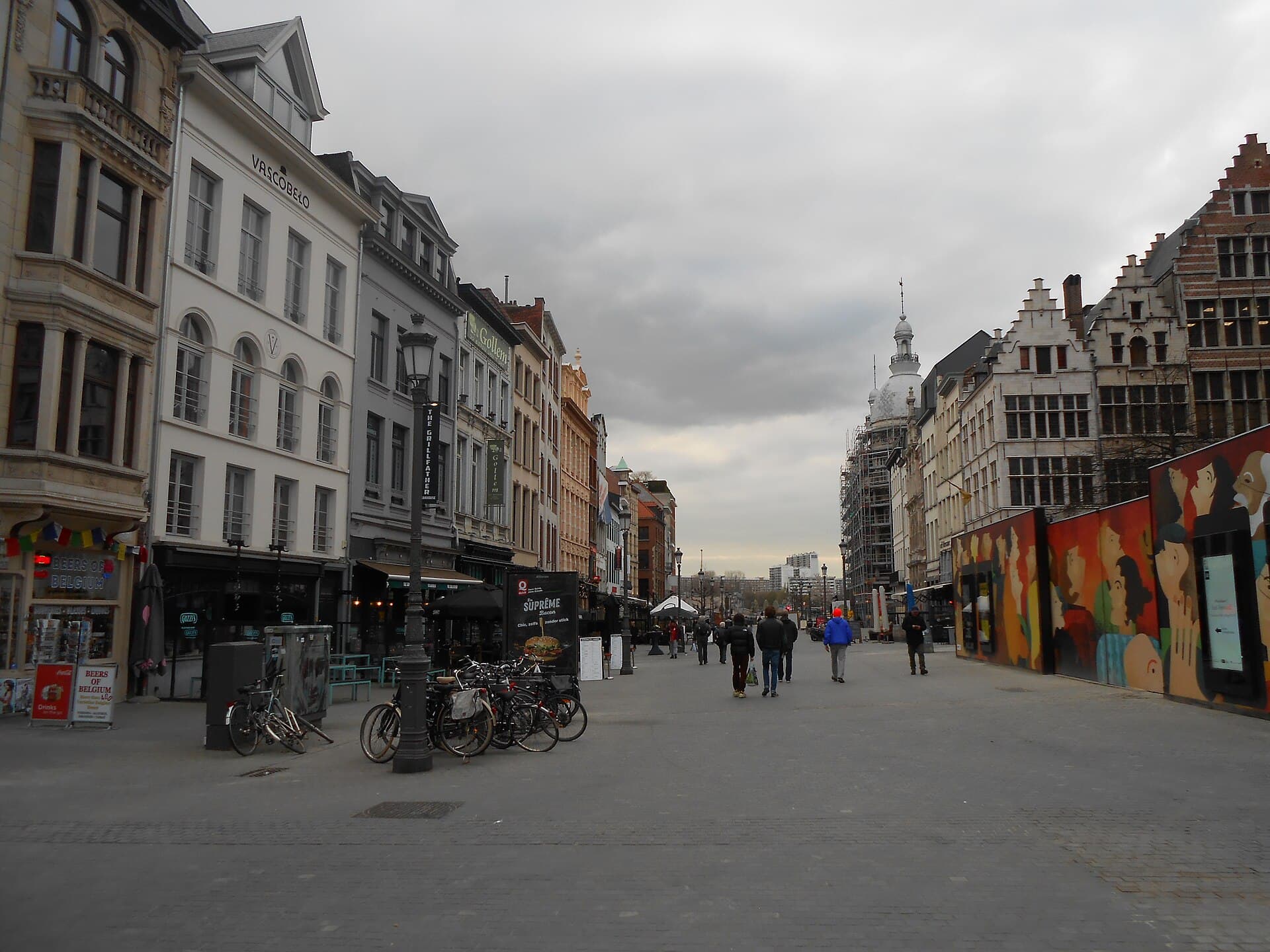 De Ruien (Underground Antwerp)De Ruien is Antwerp hidden underground: the network of medieval canals and strea1 minute walk4.1
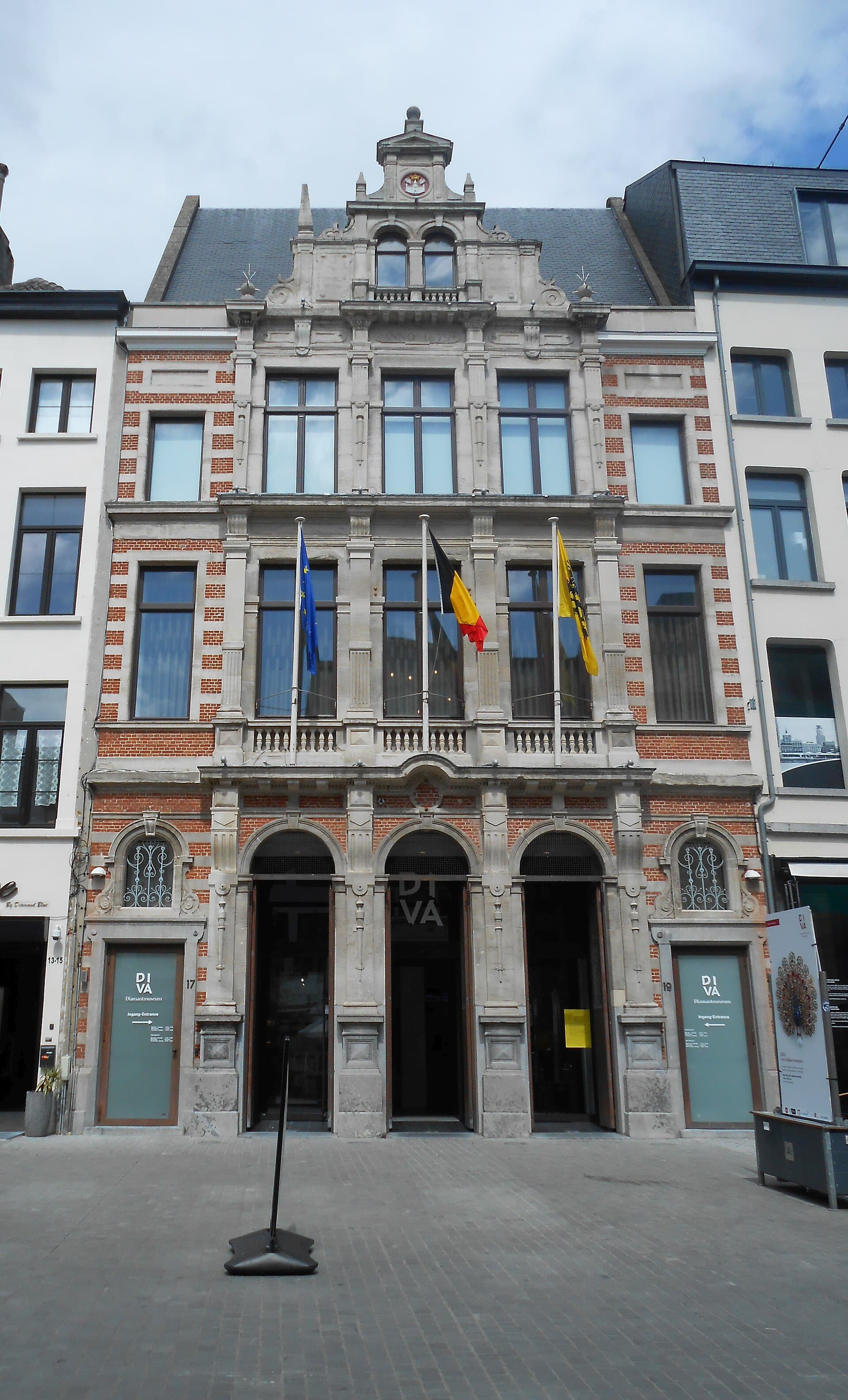 DIVA Diamond and Jewellery MuseumDIVA is Antwerp's museum of diamonds, jewellery and silver — the world's diamond1 minute walk4.2
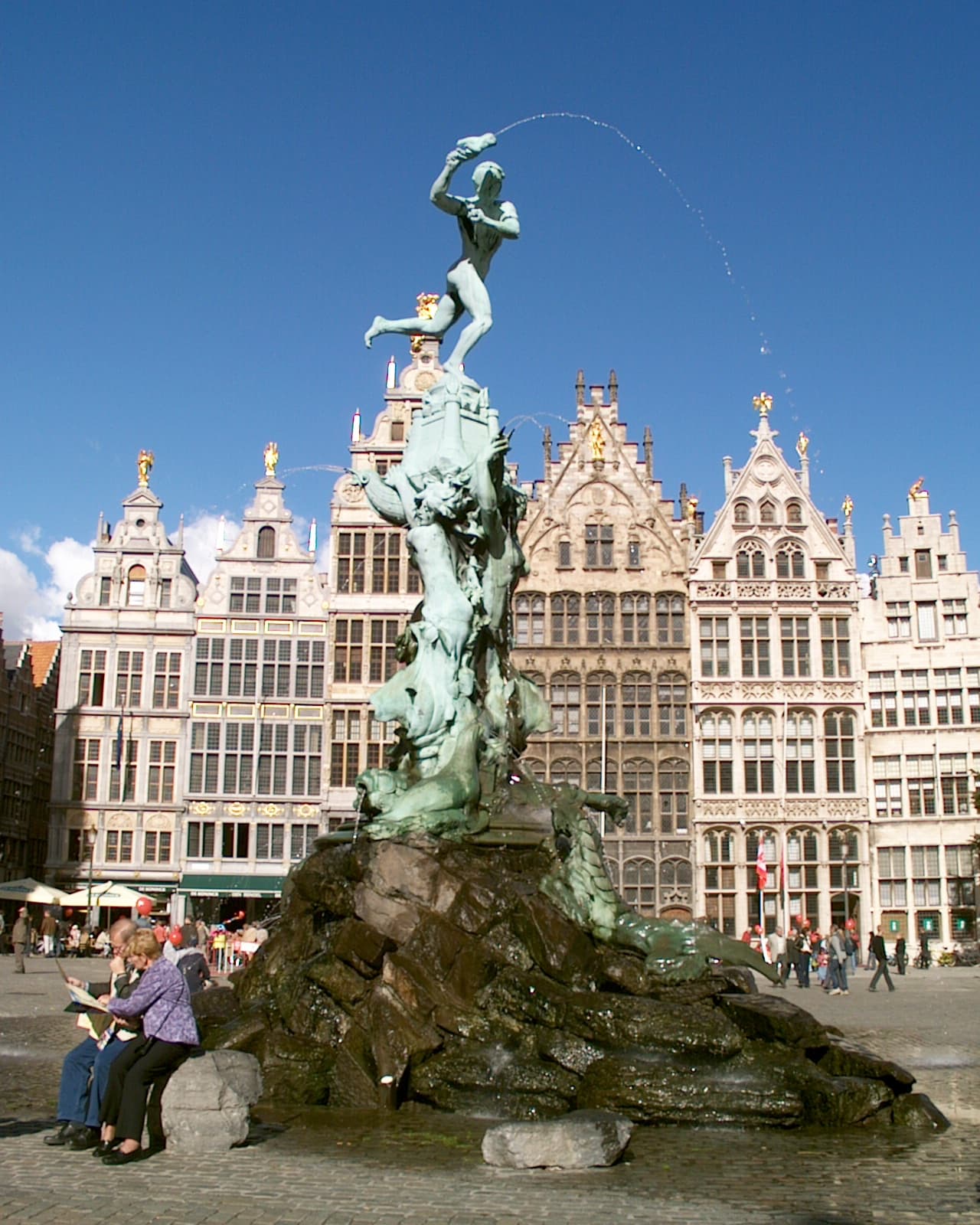 Grote Markt and Brabo FountainThe Grote Markt is Antwerp's great square and historic heart: an irregular trian1 minute walk4.5
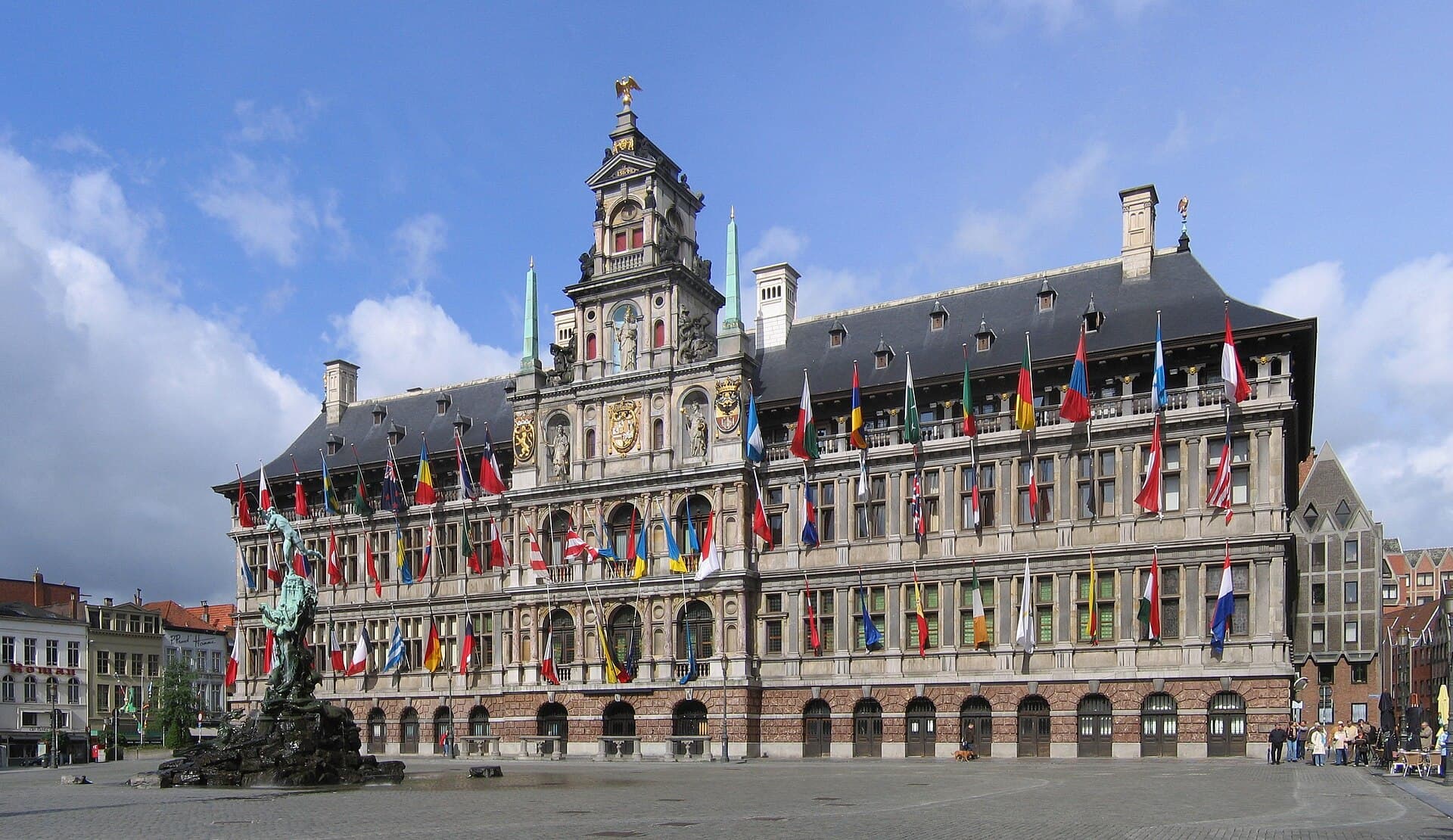 Antwerp City HallAntwerp's City Hall is the first great Renaissance building in the Low Countries2 minutes walk4.6
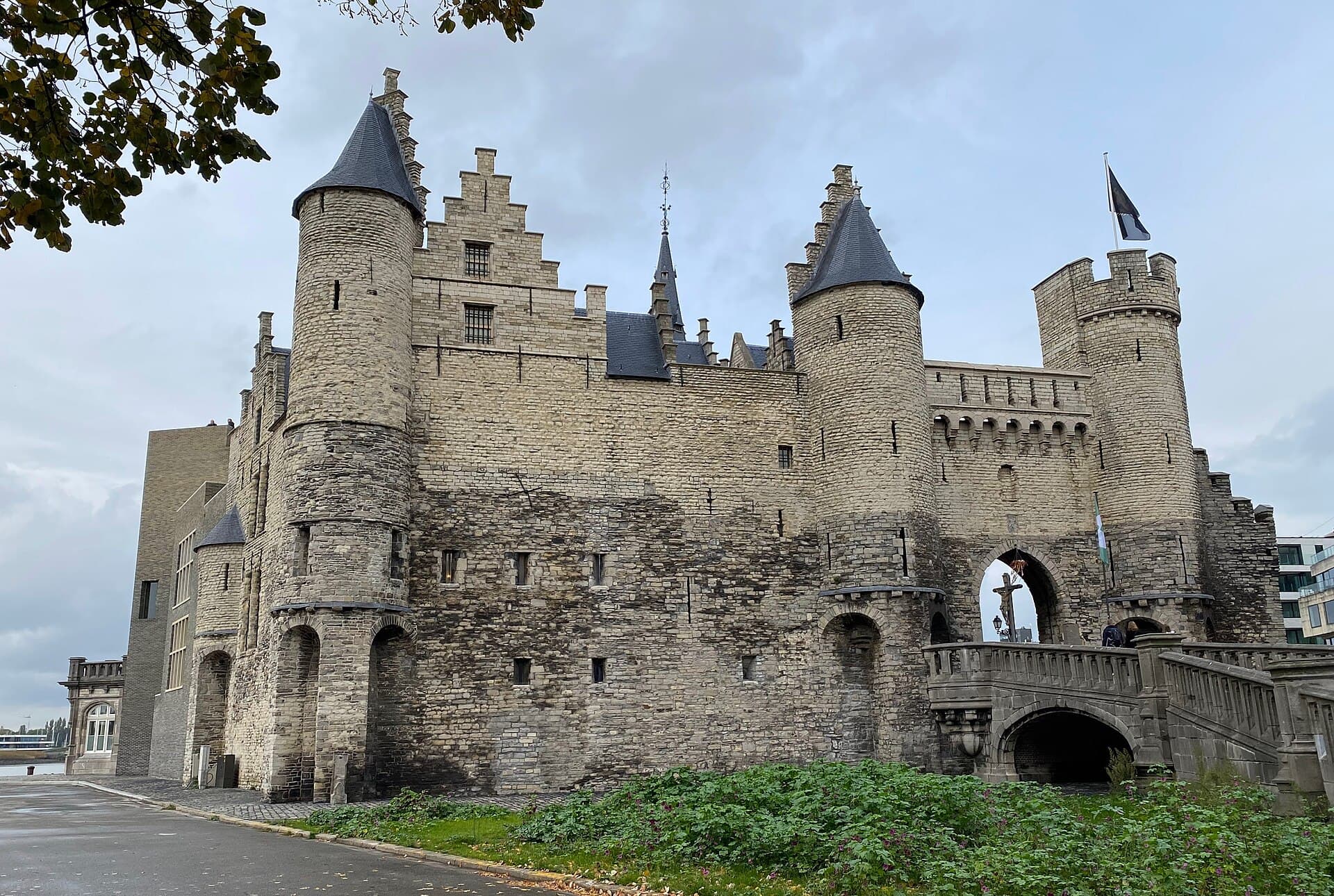 Het Steen CastleHet Steen ("the Stone") is Antwerp's oldest building: a small castle of about 122 minutes walk4.3
A shipping company linking Antwerp to New York between 1873 and 1934, which carried some two million emigrants from Europe to America. Many were Jews fleeing persecution in Russia and Poland. Antwerp was the last of Europe they saw, and the Red Star Line Museum in the company's original buildings tells that through documents and luggage.
The Red Star Line Museum is larger and fuller and explains the whole phenomenon, and is the choice for a single visit. The Van Mieghem museum is very small and its value is that it shows you faces rather than numbers. Better to see both if you can, since they are two sides of one story.