
The Bilbao Effect
The museum rescued a collapsed industrial city and became a case study in urban planning.
Naotake Murayama — CC BY 2.0 · Jules Verne Times Two — CC BY-SA 4.0 · Alex Corral from Bilbao — CC BY-SA 2.0 · candi... from Sabadell, España — CC BY 2.0
The museum of modern and contemporary art that changed the fortunes of an entire city. It opened in 1997 to a design by the architect Frank Gehry, as part of a plan to rescue Bilbao after the collapse of the steel and shipbuilding industries it had been built on. The plan worked well enough that the case is now taught under the name the Bilbao Effect. The building is the first exhibit. Twisting volumes clad in titanium panels catch the light off the river and shift colour with the weather and the hour, and there is scarcely a straight line anywhere in it. The form is unfamiliar enough that many visitors spend as long walking around the outside as they do within. Inside are very large halls, the best known holding a permanent work by the sculptor Richard Serra made of curved steel plates you walk between. The rest of the programme is major temporary exhibitions that rotate, alongside a permanent collection. Outside stand sculptures that have become markers for the city: Jeff Koons's giant flower-covered puppy at the entrance and Louise Bourgeois's bronze spider on the riverside, both free to see.
The museum rescued a collapsed industrial city and became a case study in urban planning.
Huge curved steel plates you walk between, a permanent work that does not travel.
The facade changes with the light and the angle; circling it is half the experience, and free.
Abandoibarra Etorbidea 2, on the Nervión river, Bilbao
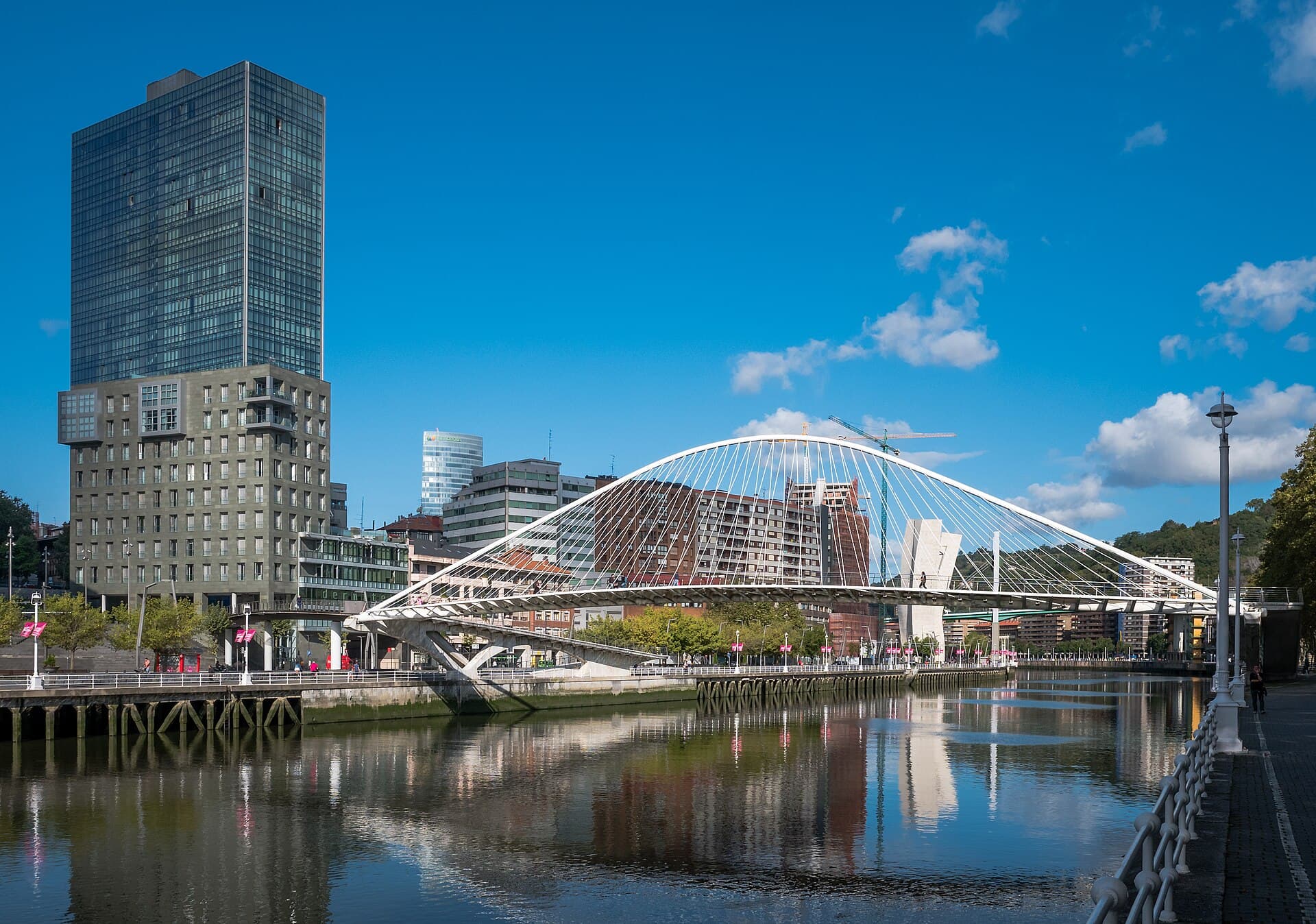 Zubizuri BridgeZubizuri — "white bridge" in Basque — is Calatrava's leaning arch over the Nervi7 minutes walk4.3
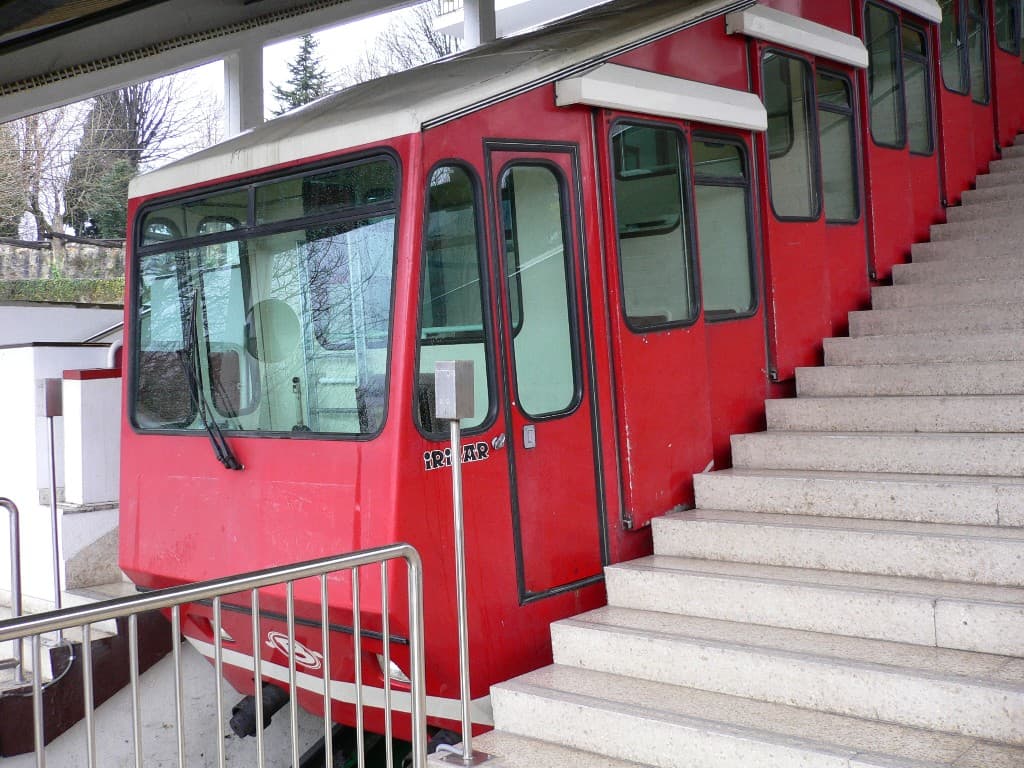 Artxanda FunicularThe Artxanda funicular lifts all Bilbao to your eyes: three minutes since 1915 f12 minutes walk4.3
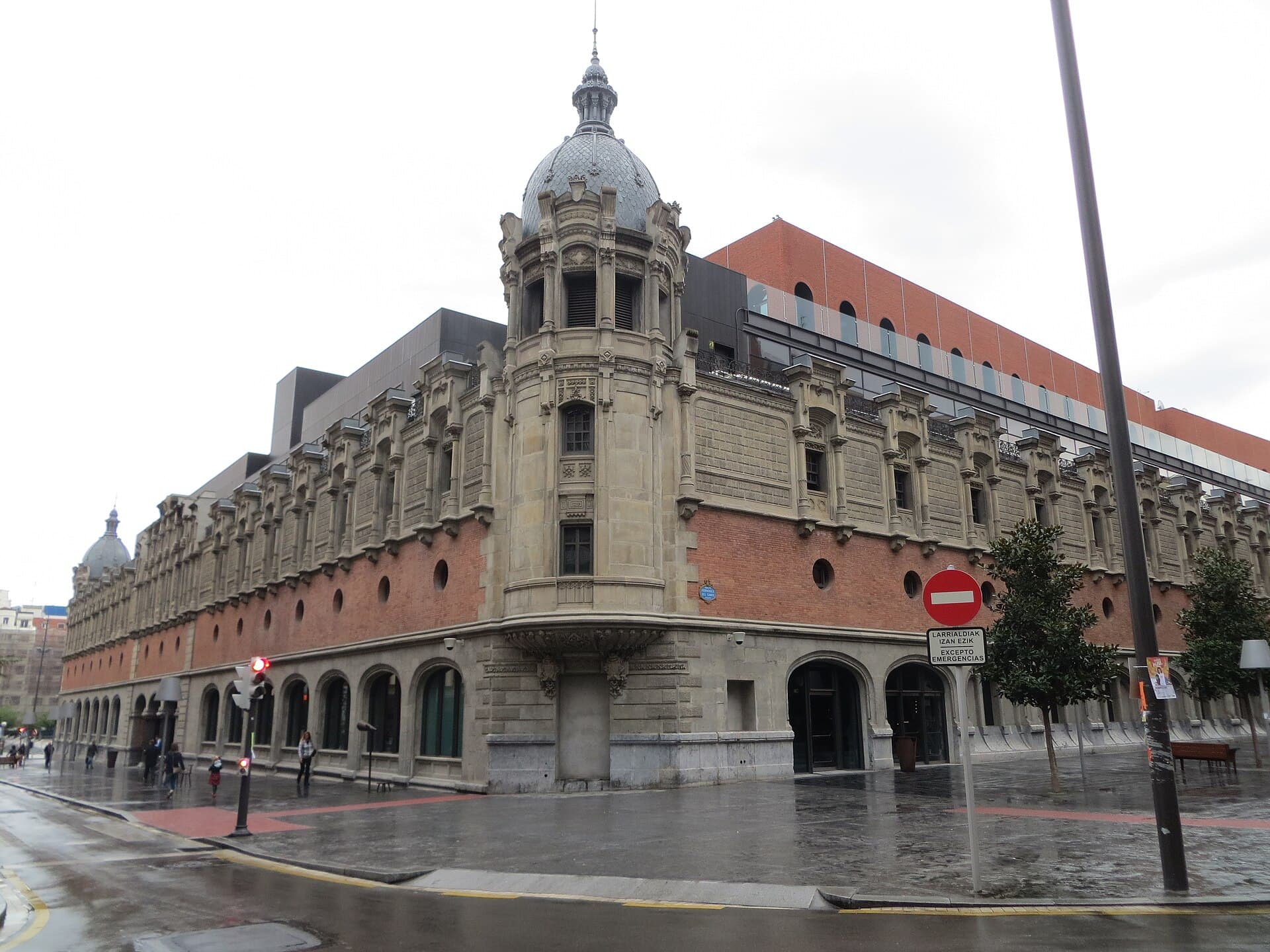 Azkuna Zentroa (Alhóndiga)The Alhóndiga was the city's wine warehouse (1909) — until Philippe Starck turne13 minutes walk4.4
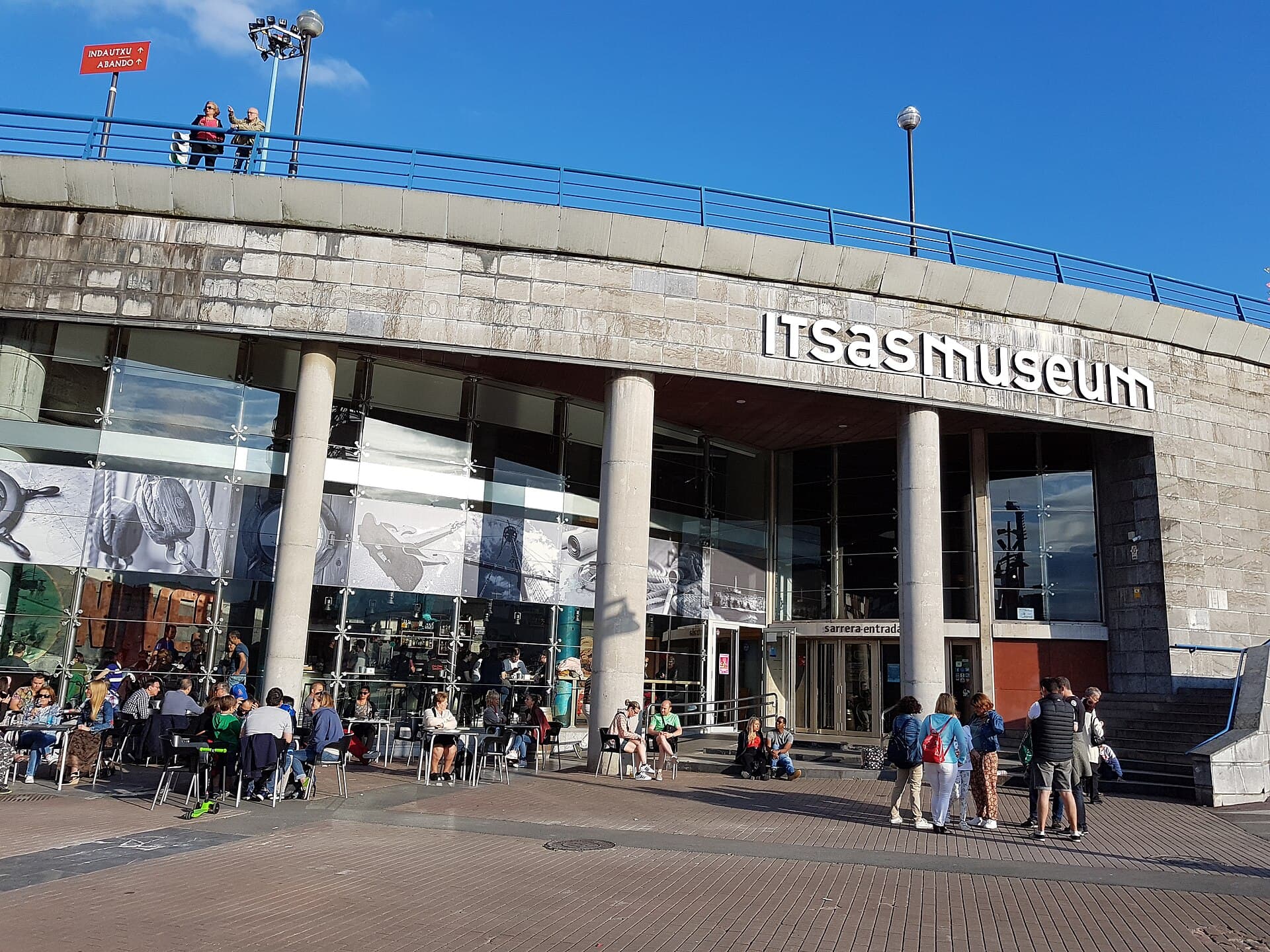 Itsasmuseum — the Maritime MuseumItsas ("sea" in Basque) stands on the Euskalduna yards that built Spain's ships 13 minutes walk4.4
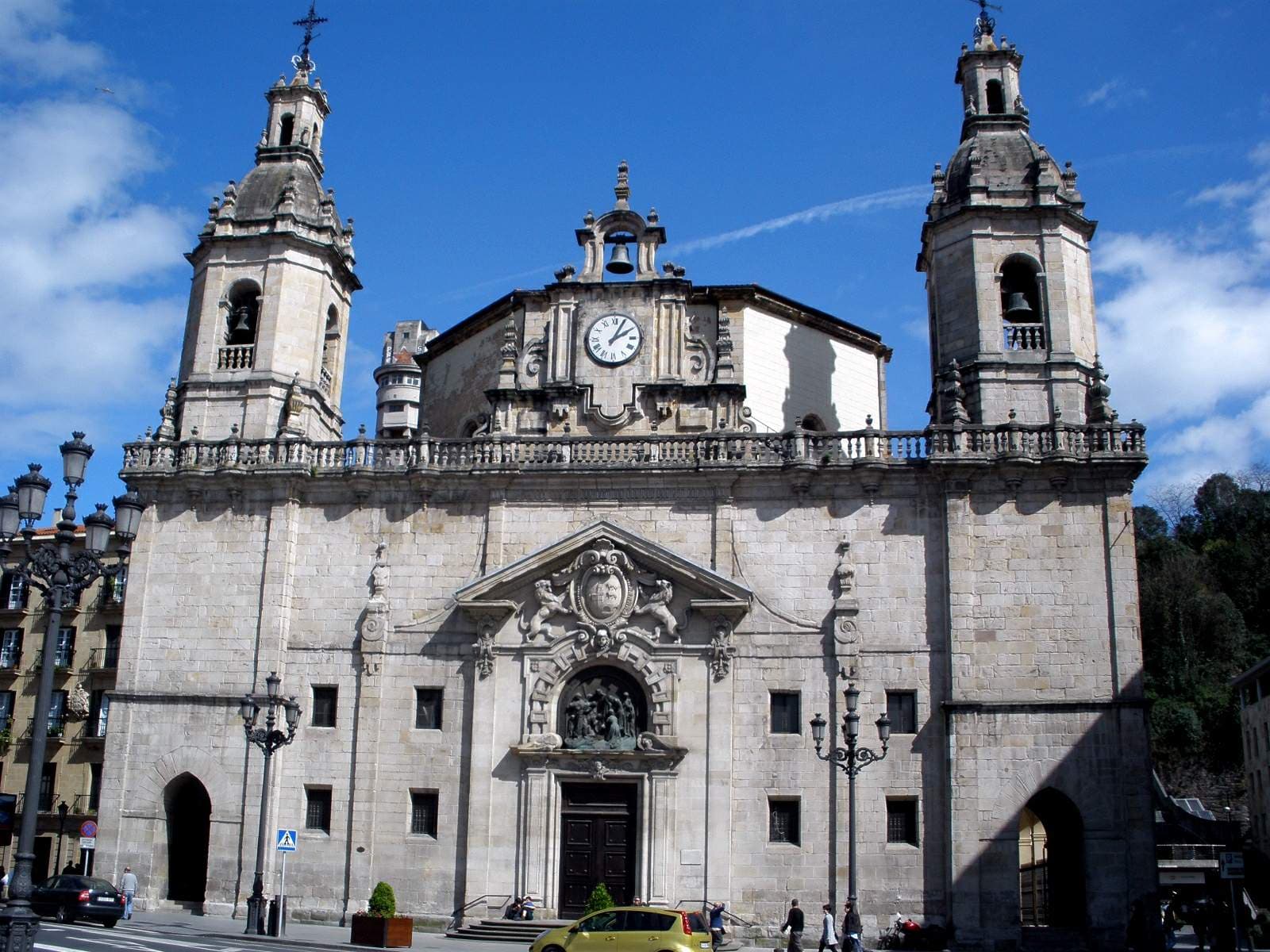 Church of San Nicolás de BariA Baroque church at the northern entrance to Bilbao's old town, directly facing 17 minutes walk4.4
Yes, and this is a rare case where the answer is clear. Many visitors come for the architecture rather than the collection, and the building and the outdoor sculptures justify the trip on their own. If contemporary art holds no appeal at all, you can stay outside for free.
Yes in season and at weekends, since queues get long and booking online saves considerable time. Check what is showing too: the temporary exhibitions are large, they rotate, and halls can close during installation.
Two to three hours inside, plus at least half an hour to walk around the building and see the outdoor sculptures. Do not cut the outside short; it is among the best parts of the visit.