
The dry docks
Euskalduna's original basins with their vessels.
Xabier — CC BY-SA 4.0 · Basotxerri — CC BY-SA 4.0 · Basotxerri — CC BY-SA 4.0 · Basotxerri — CC BY-SA 4.0
Itsas ("sea" in Basque) stands on the Euskalduna yards that built Spain's ships for a century: Bilbao was iron and sea before the Guggenheim — and this museum is her honest tale: the river that carried mine ore to the world, the shipyards that employed the city, and the industrial collapse that nearly killed her before the cultural "miracle". The outdoor half lives: the original dry docks with restored vessels, and the giant red Carola crane — the river's icon — rising alongside. Inside: models, charts and the stories of Basque captains who ranged the oceans. On the river walk between Guggenheim and San Mamés — a context hour that makes new Bilbao legible: from iron rust to art titanium.
Euskalduna's original basins with their vessels.
From iron collapse to culture miracle — Bilbao's context.
Muelle Ramón de la Sota 1, 48013 Bilbao
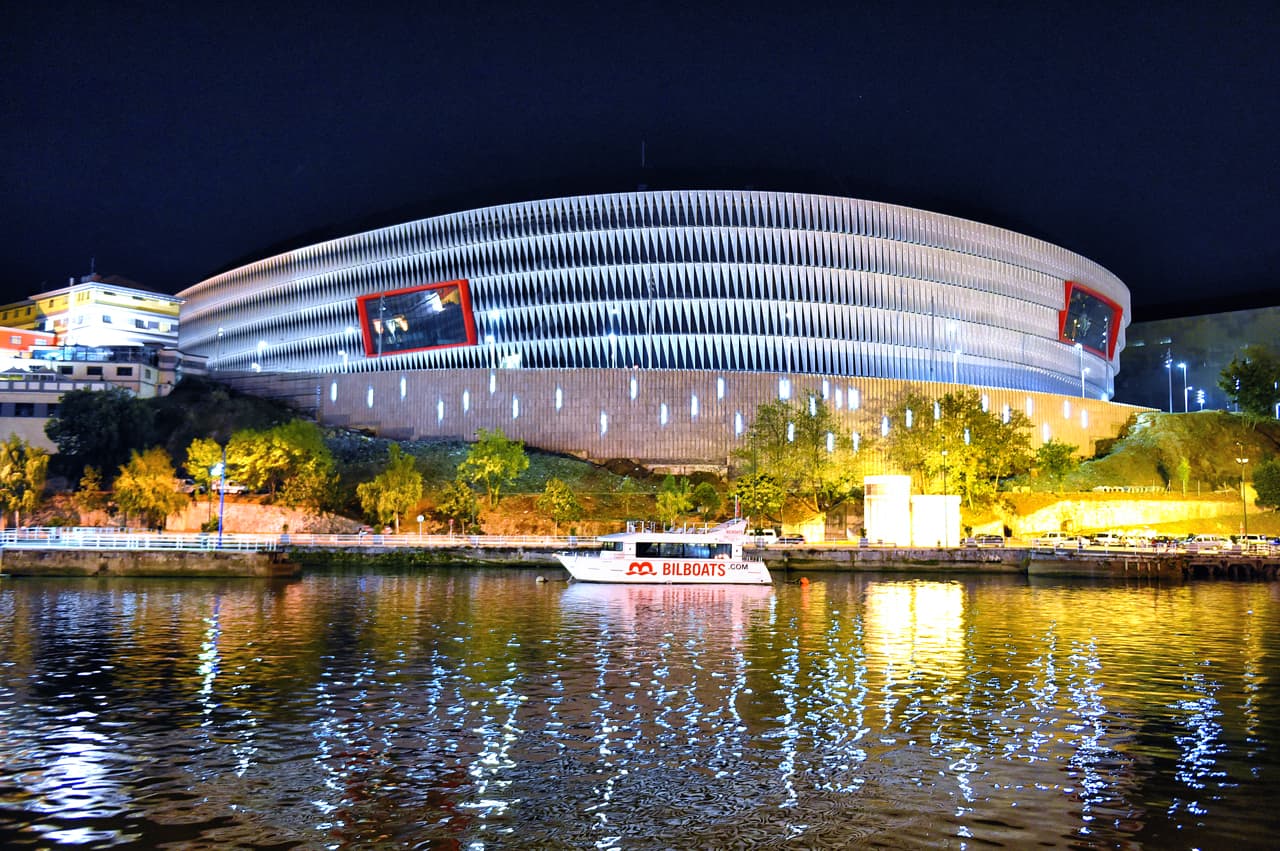 San Mamés and the Athletic Club MuseumThe stadium of Athletic Club Bilbao and its museum, visited on a paid tour on no4 minutes walk4.9
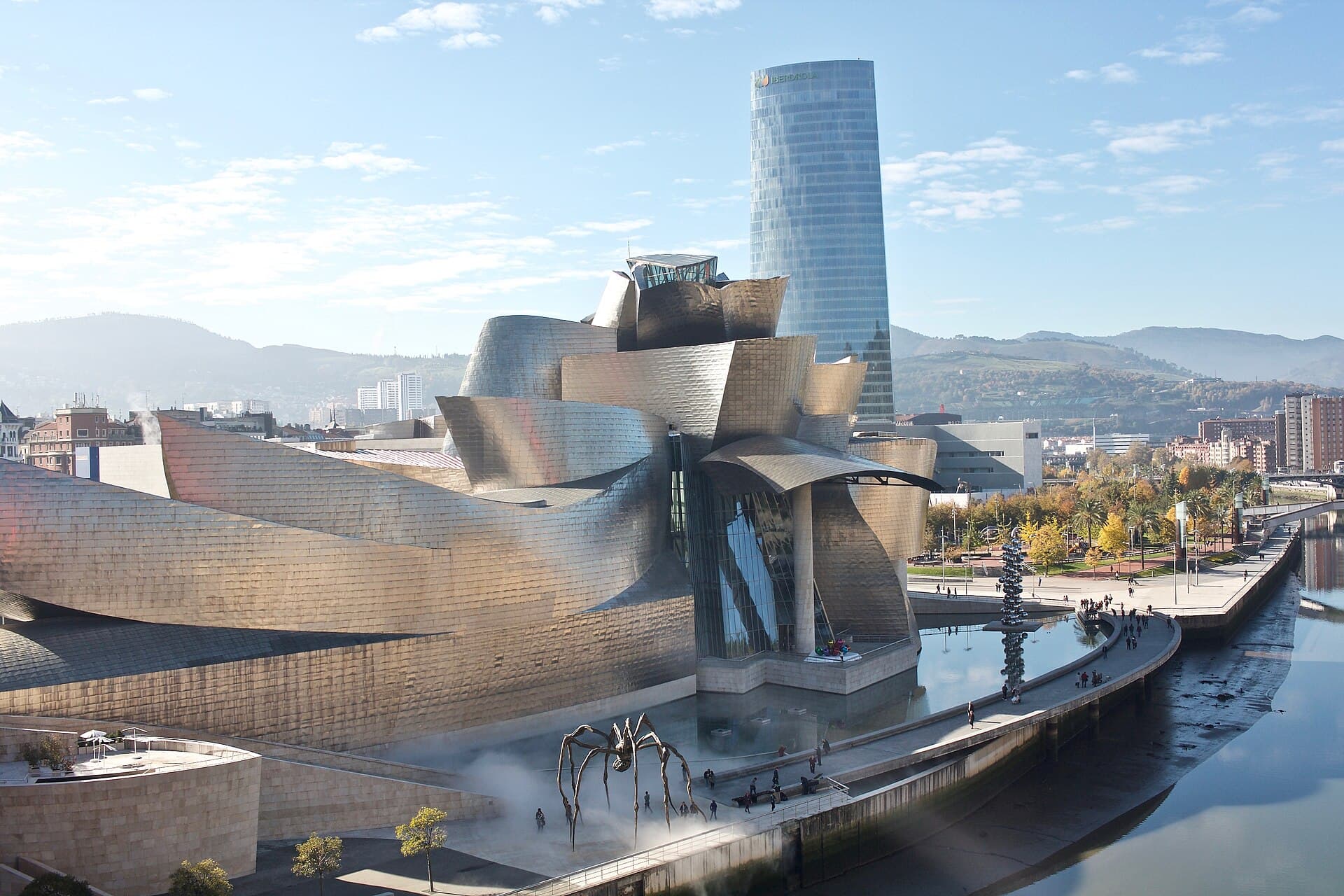 Guggenheim Museum BilbaoThe museum of modern and contemporary art that changed the fortunes of an entire13 minutes walk4.6
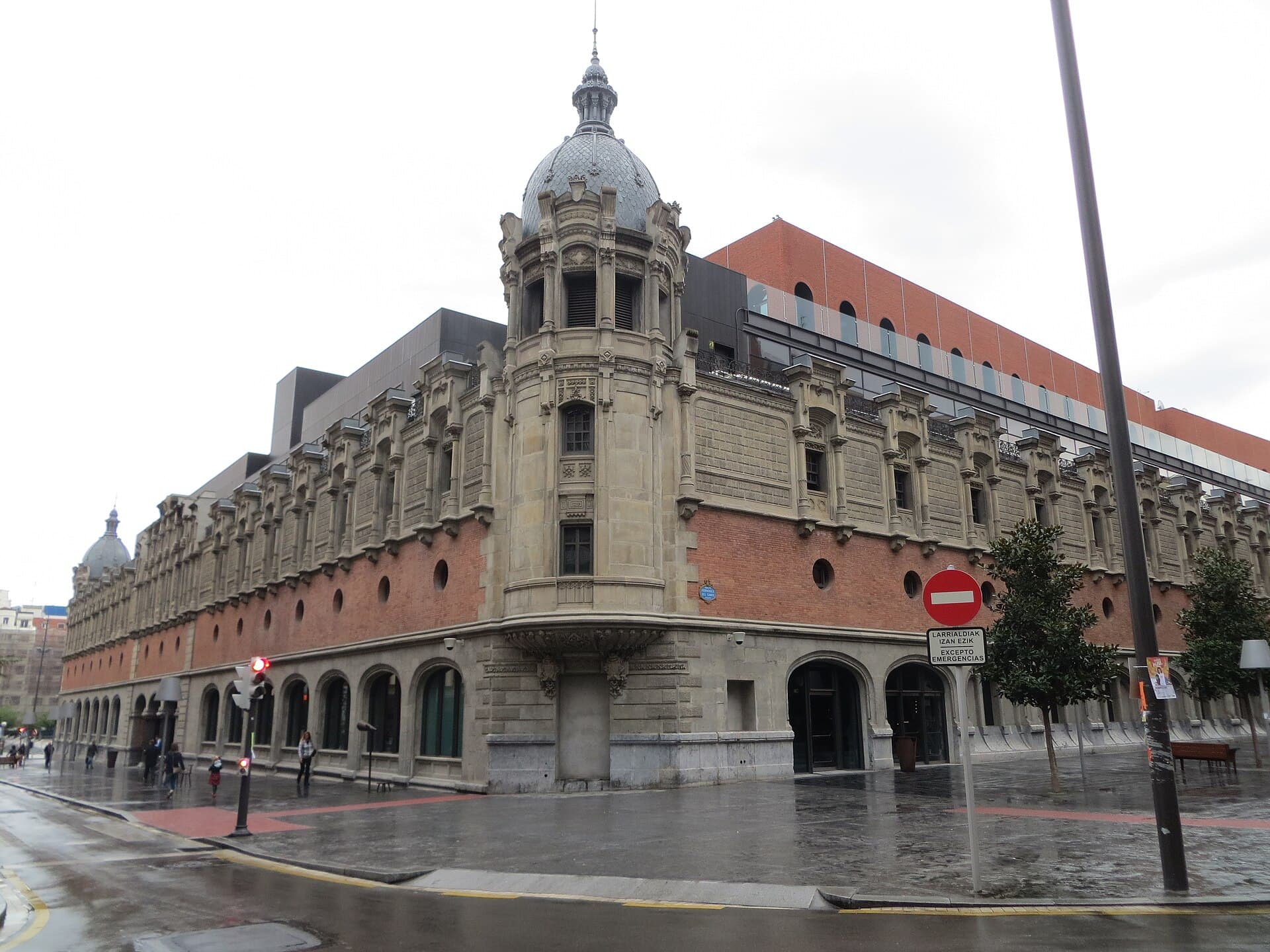 Azkuna Zentroa (Alhóndiga)The Alhóndiga was the city's wine warehouse (1909) — until Philippe Starck turne13 minutes walk4.4
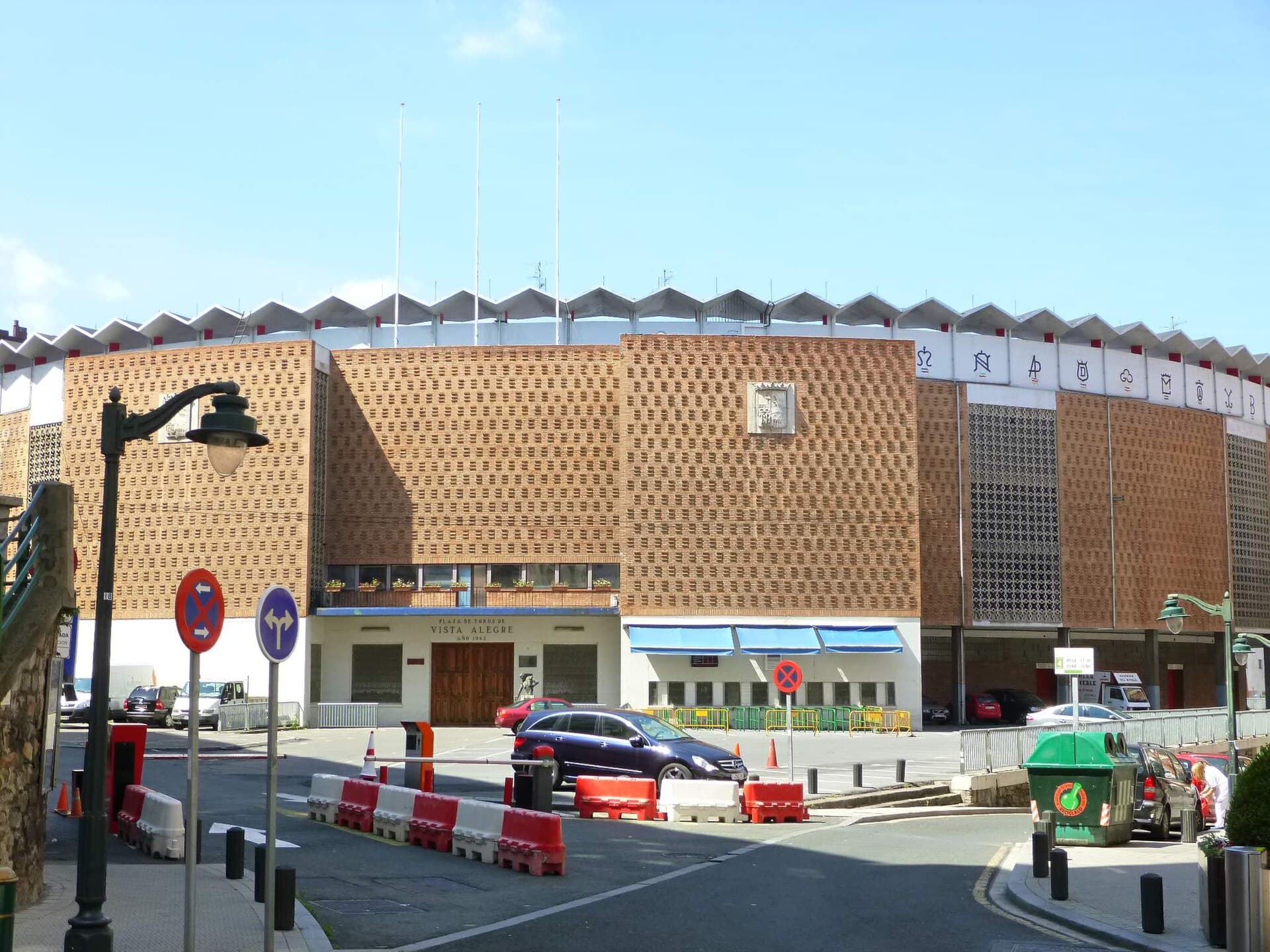 Vista Alegre Bullring and MuseumA bullring in Bilbao originating in the nineteenth century, seating around fourt18 minutes walk4.0
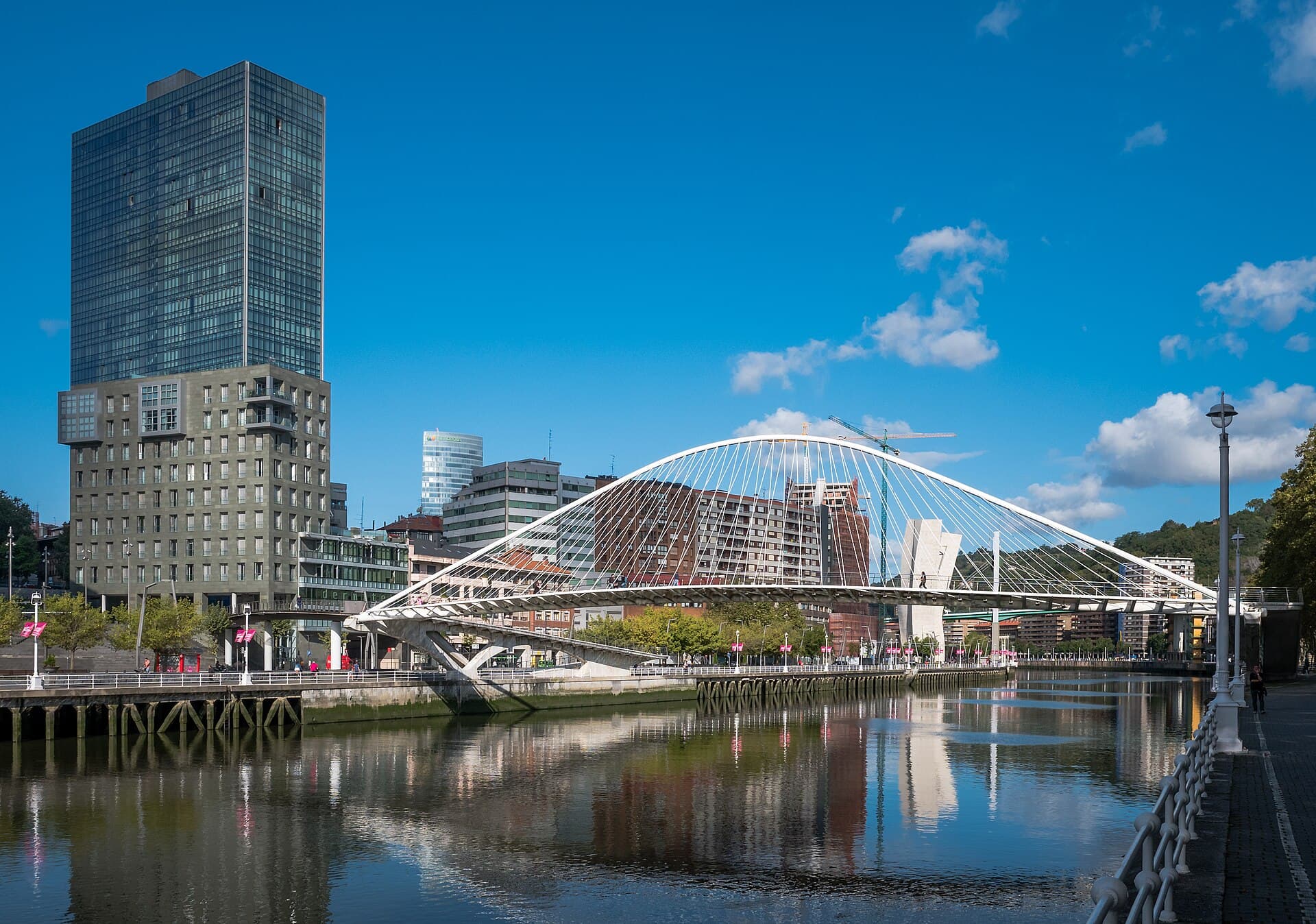 Zubizuri BridgeZubizuri — "white bridge" in Basque — is Calatrava's leaning arch over the Nervi19 minutes walk4.3
Because it explains the Guggenheim itself: the titanium rose on these yards' wound — and the miracle reads by the fall before it. An hour here turns the river walk into one continuous lesson.