
A street as a firebreak
The width was a defence: Finland's timber towns burned wholesale.
Public domain · Brylie Christopher Oxley — CC BY-SA 4.0 · Brylie Christopher Oxley — CC BY-SA 4.0 · Ville.fi — CC BY-SA 4.0
A wide tree-lined avenue cutting through central Tampere from north to south, the city's main green axis and its broadest street. It was laid out in the nineteenth century as a wide separating strip with two rows of trees down the middle, and the idea was as practical as it was aesthetic: Finland's timber towns burned wholesale, and broad streets stopped fire spreading from one quarter to the next. This street was a defensive line. Today it is a promenade and green space the whole city passes through: it begins at a lake in the north and ends at another in the south, Tampere being built on an isthmus between two lakes. Along its length are churches, public buildings and cafés, and it hosts events and seasonal markets. Free and open, walking it end to end takes about half an hour and gives you a cross-section of the whole of Tampere — the best way to understand a former industrial city whose mills have been reused.
The width was a defence: Finland's timber towns burned wholesale.
The axis crosses the whole city between its two waters.
Churches, public buildings and cafés along it explain Tampere.
The main green axis through central Tampere
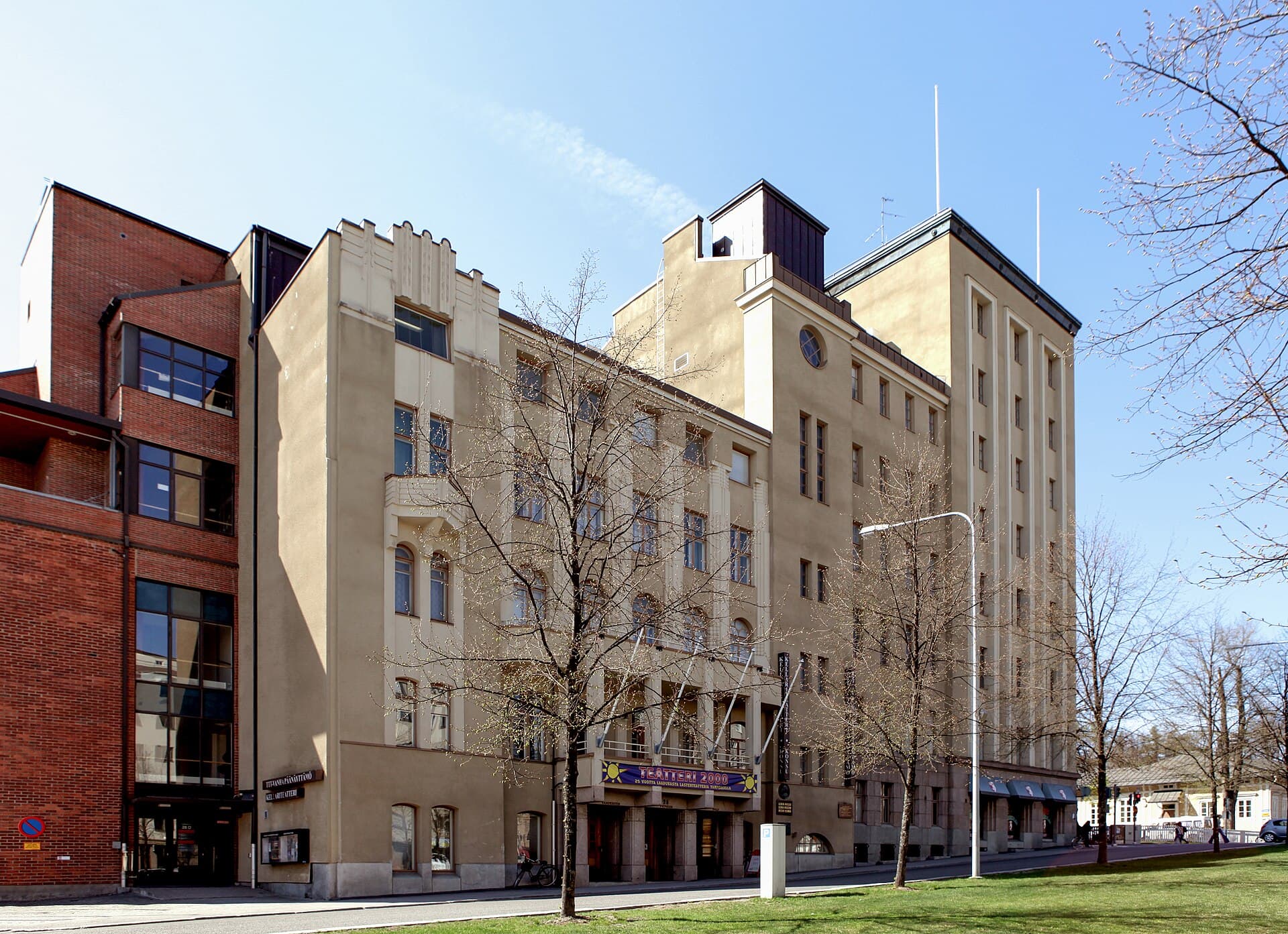 The Tampere Workers' HallTampere's Workers' Hall is a building of 1900 on the Hämeenpuisto boulevard, put1 minute walk4.4
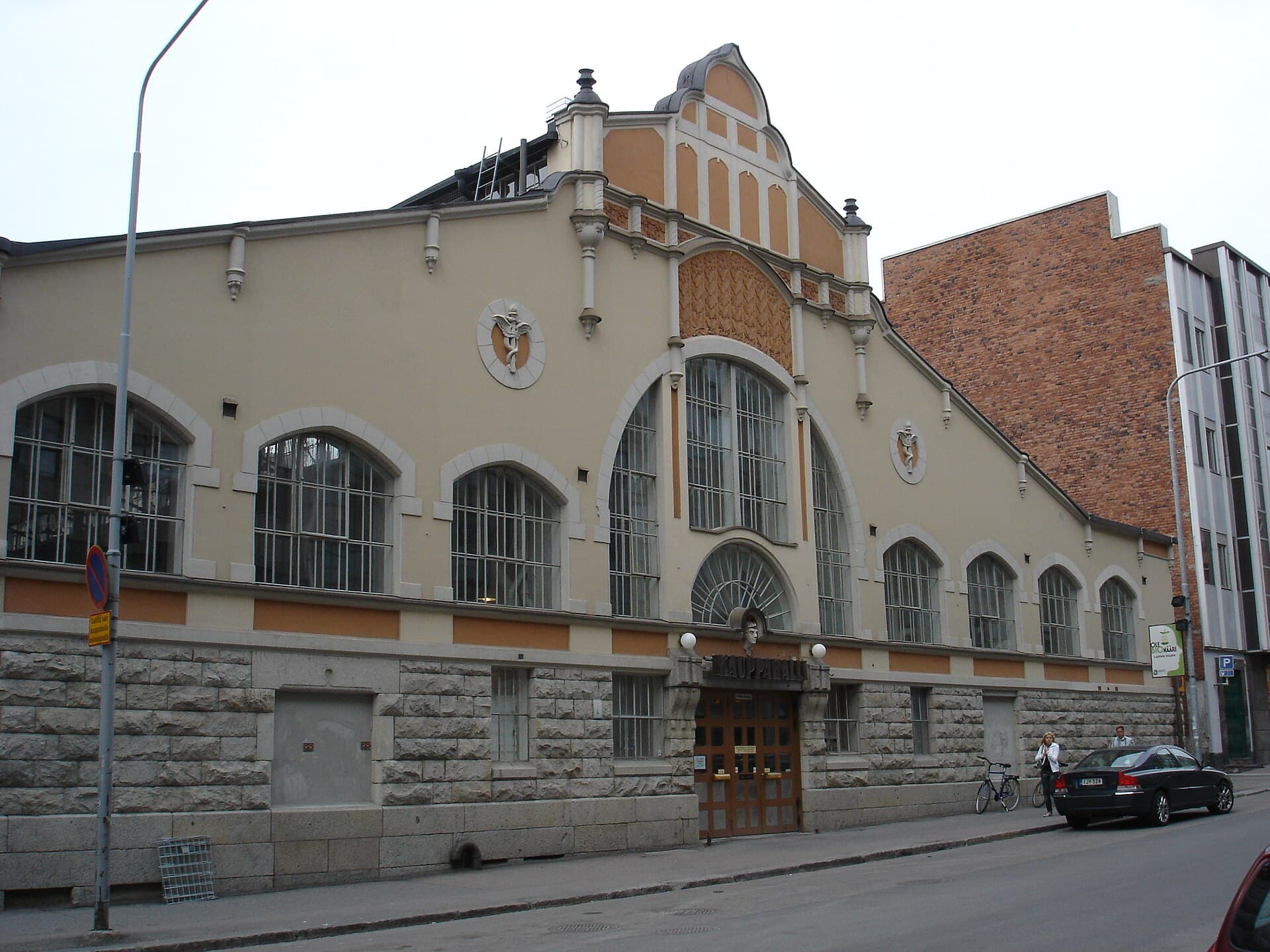 Tampere Market HallTampere Market Hall is **the largest covered market hall in the Nordic countries4 minutes walk4.7
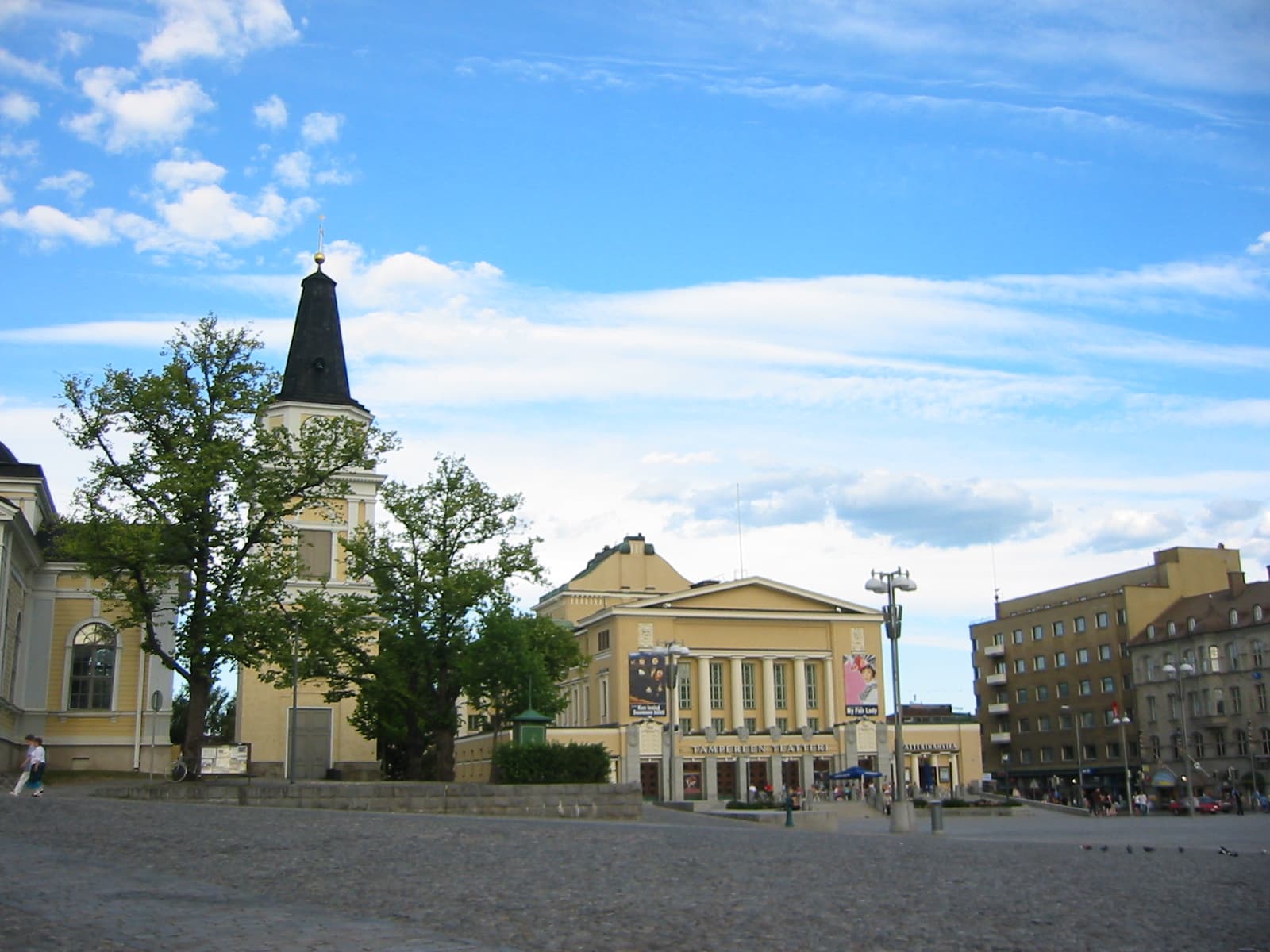 KeskustoriKeskustori — the Central Square — is the heart of Tampere and its largest square6 minutes walk4.3
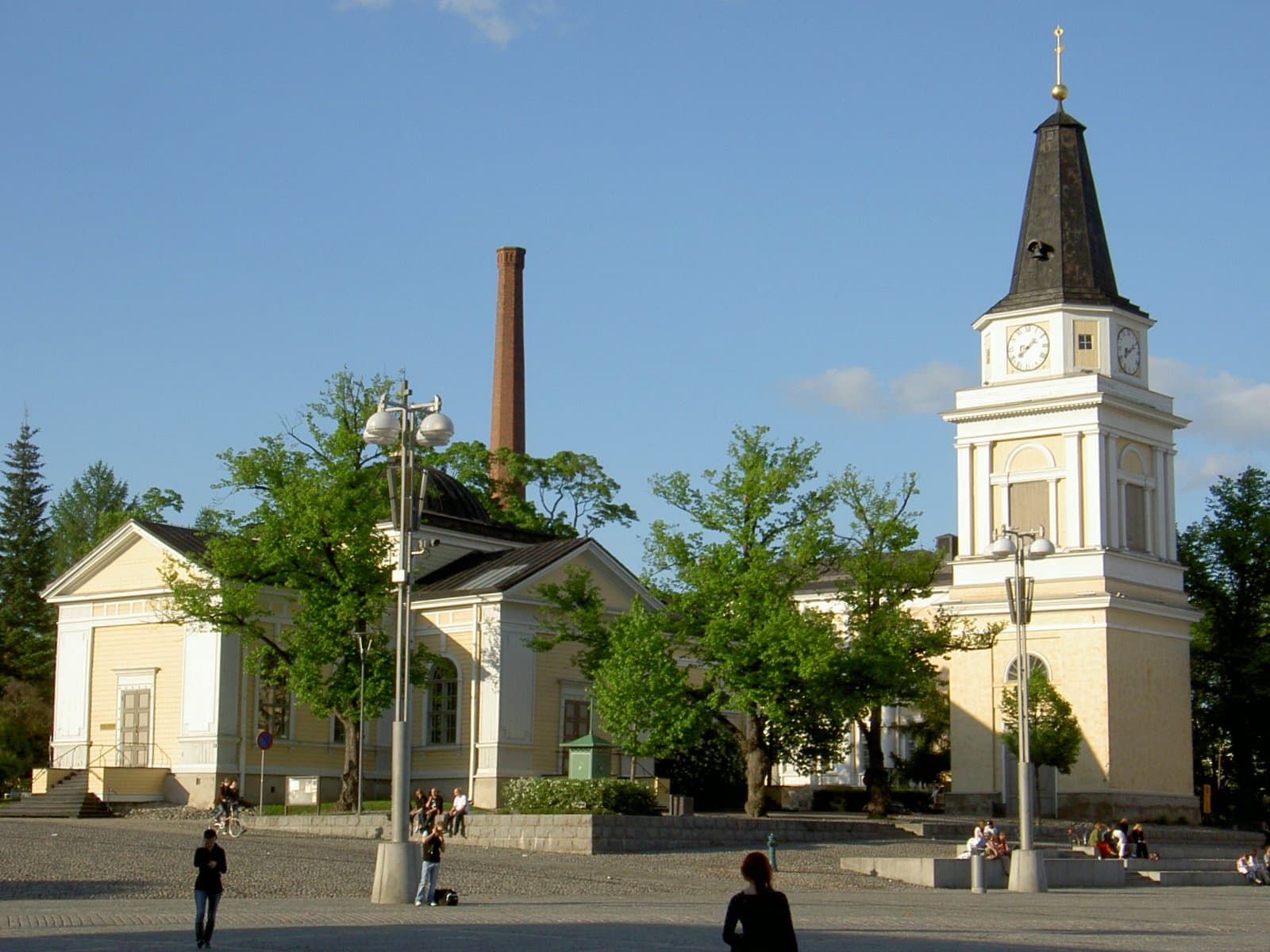 Tampere Old ChurchTampere Old Church is **the oldest building in the city centre**: a timber churc7 minutes walk4.3
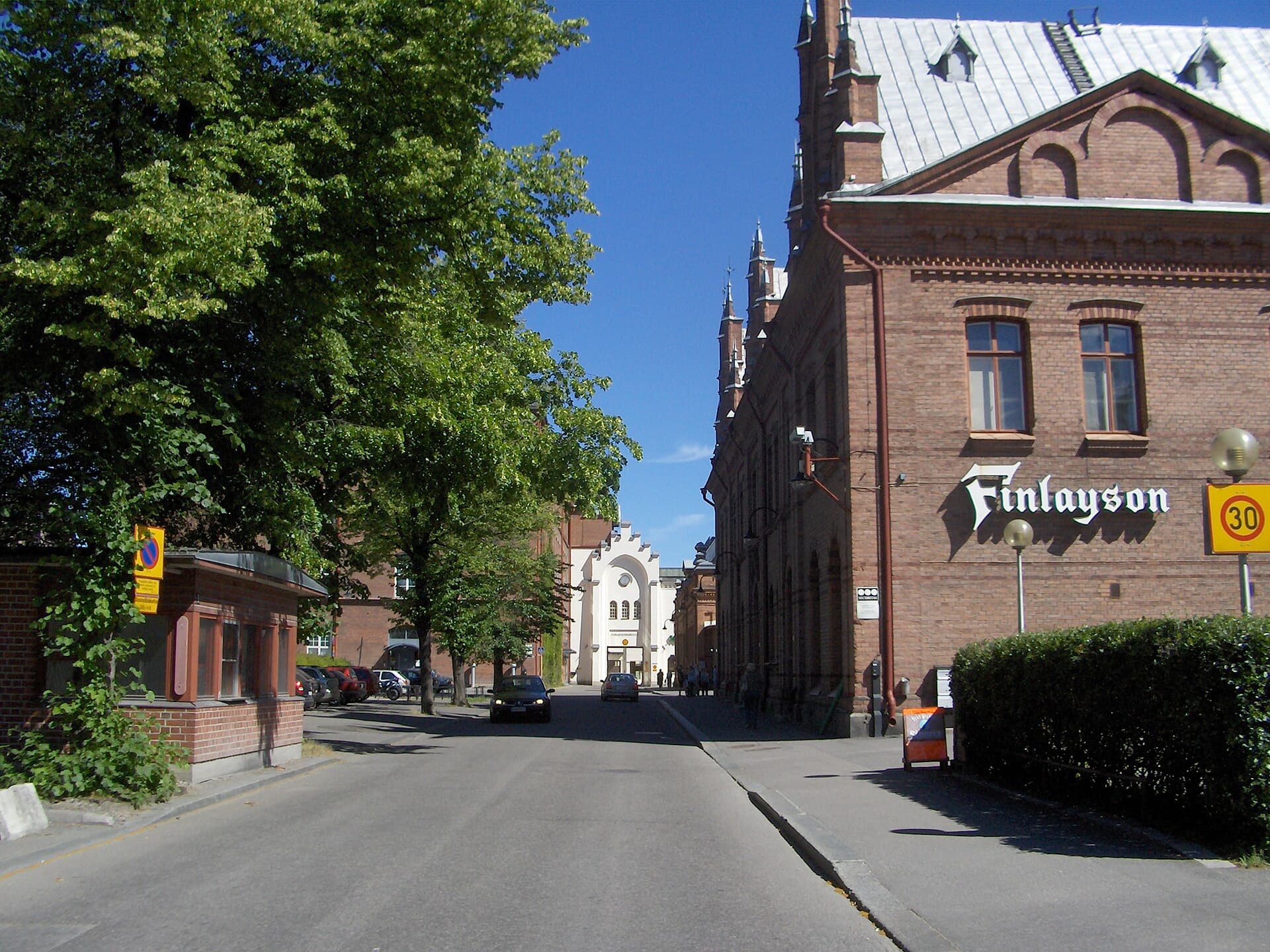 The Finlayson AreaThe factory that made the city: the Scot James Finlayson founded a cotton mill o8 minutes walk4.4
The Vapriikki museum in an old mill, holding the spy museum and the hockey museum; Tampere cathedral with its unusual frescoes; the Pyynikki observation tower; and the reused Finlayson industrial quarter. The city was remade from its mills, and that is what distinguishes it.
Yes, and the direct train is about an hour and a half. It is Finland's second largest urban area and different from Helsinki: formerly industrial, set between two lakes, with the feel of a working city revived. A day trip works, but an overnight is better.